Review · OLIVE MILL AND FACTORY TOURS
Lecce : Half day E-Bike tour to Old Olive Mill & Olive Oil Taste
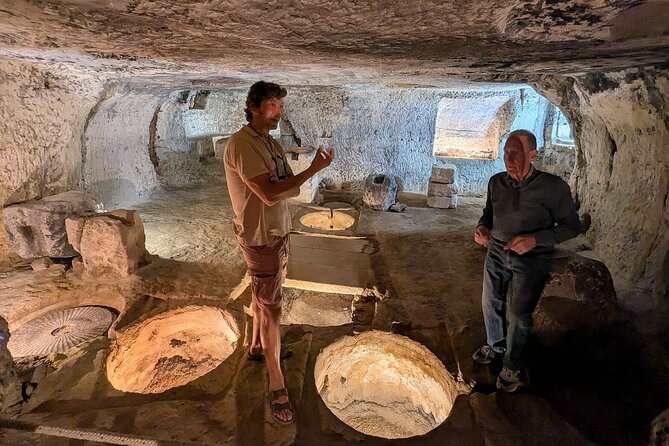
The most memorable part of this tour is not the e-bike. It is the 15th-century underground olive mill, carved into soft limestone beneath Sternatia. The mill once made lamp oil that helped light cities across Europe before gas lighting changed the trade.
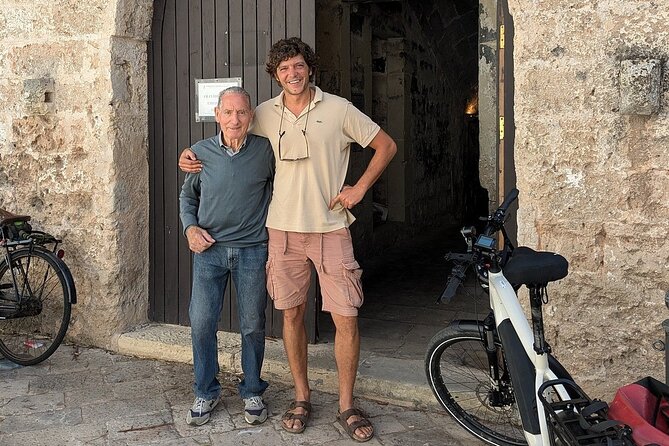
I like the easy access to Salento’s countryside and the chance to combine cycling with local food, history, and Griko culture. I also like the personal scale: Marco and Nicholas lead small groups, offer bike guidance, and share stories that connect Lecce with the Greek-speaking villages nearby. The main drawback is the distance. You’ll cycle about 36 kilometers, so this suits you best if you are comfortable spending several hours on a bike.
Key points to know before booking
- About 36 kilometers by e-bike: You cycle from Lecce to Sternatia and return by a different route.
- A rare underground mill visit: See old milling stones and learn how olive oil was once made for lamps.
- A real Salento food stop: Taste extra virgin olive oil, then enjoy a Leccese coffee and pasticciotto.
- A small group of up to 10: The format allows for personal bike instruction and questions.
- A window into Griko culture: Sternatia is one of the 11 towns in Grecia Salentina, home to the Griko people.
- A four-hour morning outing: The tour begins at 9:00 a.m. and finishes back in Lecce.
Why this ride reaches beyond Lecce’s stone center
Lecce is famous for its ornate Baroque buildings, pale limestone, and compact old town. It is easy to spend a full day there on foot, but the city tells only part of the Salento story. This ride takes you outside the historic center and into the olive-growing country around it.
You begin at Via de Jacobis, 27, in Lecce. The first part winds through narrow old-town alleys, a useful way to leave the city without losing sight of its character. The urban start is short, about 15 minutes, but it gives you a quick change of pace from walking tours and church interiors.
Once outside Lecce, the ride follows routes through ancient olive plantations and past Masserias, the traditional farmhouses of southern Puglia. The trip to Sternatia takes about an hour and covers roughly 18 kilometers. An e-bike matters here because it lets you enjoy the views without making the ride a test of athletic ability.
Still, an electric bicycle does not remove every physical demand. You will be on a bike for much of the four hours, and the route includes an 18-kilometer ride in each direction. If you rarely cycle, ask the guide for help with the bike before setting off. Marco is noted for clear cues, encouragement, and careful attention to each rider’s confidence.
More E-Bike Olive Oil Tours in Italy
- Tuscany Bike Tour with Wine, Oil and Food in the Florentine Hills
★ 5.0 · 209 reviews - Florence: Tuscany Bike Tour with Wine & Olive Oil
★ 4.9 · 174 reviews - Florence: E-Bike Tour with Olive Oil in the Tuscan Hills
★ 4.8 · 134 reviews
Cycling through olive trees and Masserias
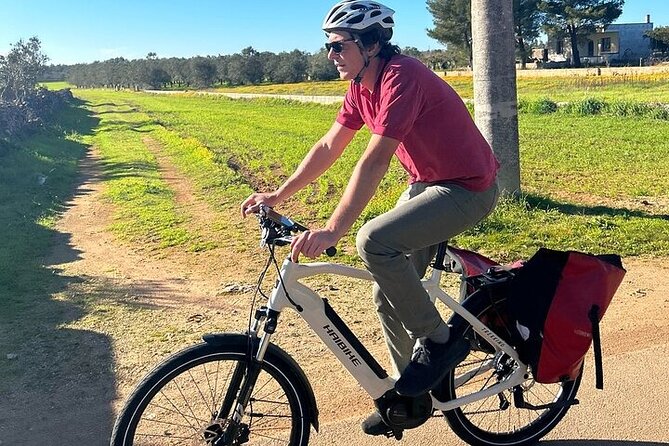
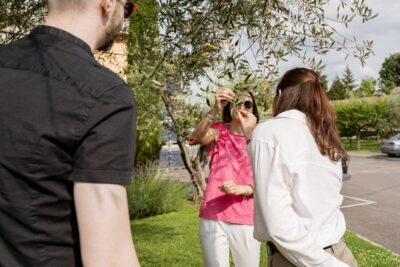
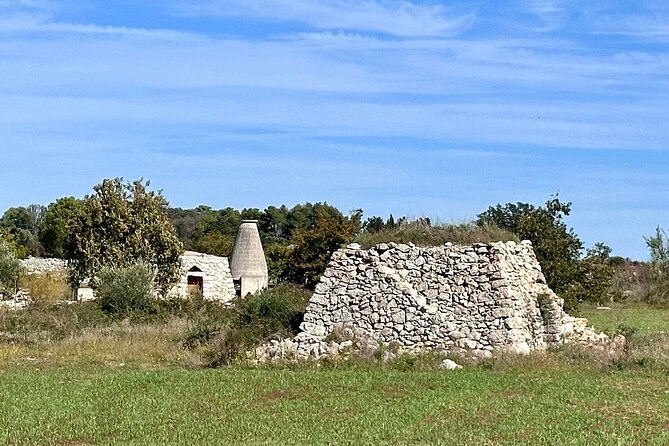
The countryside is the real transition point of the experience. You move from Lecce’s close streets to open farmland, old trees, and rural buildings. The olive groves are not a decorative backdrop added for a photograph. They explain why oil has shaped this part of Puglia for centuries.
The Masserias add another layer. These farmhouses reflect the agricultural life of the region, where land, storage, animals, and oil production were closely tied together. You do not simply pass through a pretty rural area. You ride through the setting that made Sternatia and its neighbors economically important.
The pace is likely to feel more relaxed than a road cycling excursion, but the details of the route matter. The tour includes a helmet, pannier, phone holder, and water bottle, so you do not need to carry every small item in your hands or bring your own cycling equipment. The e-bike is included in the price, which makes the $119.72 cost easier to assess.
That price is not the bargain choice for a simple bike rental. It covers a private guide, equipment, the ancient mill admission, and the olive oil tasting. You are paying for a guided outing that combines transport by bike, interpretation, and food. It makes better value if you want context and company, rather than only a bicycle and a route map.
Sternatia and the Greek-speaking Salento
Sternatia belongs to Grecia Salentina, an area made up of 11 towns where the Griko people have preserved a Greek minority culture in southern Italy. The Greek presence in this part of Italy reaches back through settlements from prehistoric times to the Byzantine era.
That background gives the stop more weight than a quick village visit. You are seeing a part of Italy shaped by different languages and migrations, not just another small town near Lecce. The experience may be especially rewarding if you like regional identity and local traditions that sit outside the main tourist circuit.
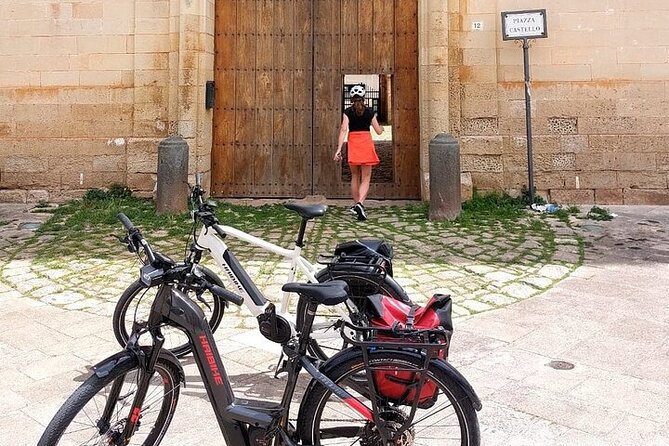
The tour includes a visit to Palace Granafei and the main church of Sternatia, along with time for a coffee stop. You can expect a mix of architecture, local history, and a pause that breaks up the cycling.
The coffee stop includes a Leccese coffee and pasticciotto. Pasticciotto is a local pastry, and this is a useful chance to try two specialties associated with Lecce and Salento in a simple everyday setting. Food is not included in the tour price, so bring money for this stop and any other drinks or snacks you want.
Inside the 15th-century Frantoio Ipogeo
The underground oil mill is the heart of the outing. A local guide from Sternatia takes you below ground into a frantoio ipogeo, an ancient mill cut directly into the soft limestone.
The setting helps explain how oil production worked before modern equipment. You can see the large milling stones and learn how olives were crushed and processed. The cool, enclosed space also offers a sharp contrast to the sunny roads and groves above.
The most surprising fact here is the mill’s original commercial purpose. The oil was made mainly for lamps, not for salad dressing or cooking. Salento exported lamp oil across Europe, including to major cities such as London and Amsterdam, where it helped light streets and buildings.
Gas lighting in the 19th century began the quick decline of the oil lamp trade. That change turns an apparently quiet underground room into a place connected to industrial and urban change across Europe. It is the kind of detail that makes local history easier to remember because you can see the machinery and the space where the work happened.
The visit lasts about 45 minutes and admission is included. The guide’s role matters here. Marco and Nicholas are praised for explaining the process clearly, and Marco has also been described as calm and attentive when helping riders. One unusual touch is the chance to hear Griko spoken in the underground mill, which connects the site’s physical past with the living culture of the area.
More Olive Mill and Factory Tours in Italy
- Bardolino: Lake Garda Oil Mill Tour with Olive Oil Tasting
★ 4.9 · 205 reviews - Lecce to Galatina E-Bike: Olive Mill & Wine Tasting + Taxi back
★ 5.0 · 54 reviews - Olive Oil Tour Visit to the oil mill and olive oil tasting
★ 5.0 · 53 reviews - Olive Oil Mill Tour & EVO Oils Tasting – Sarteano, Tuscany
★ 4.7 · 19 reviews
From old lamp oil to modern extra virgin oil
After the historic mill, you visit a present-day olive oil producer. This is a useful pairing. The underground mill shows an older method and an earlier market, while the producer gives you a taste of how the region’s olive oil is enjoyed today.
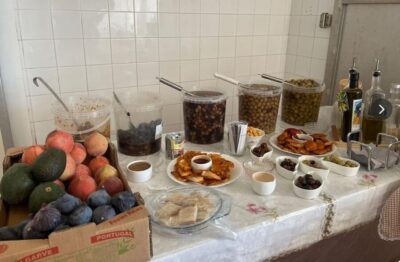
The tasting features extra virgin olive oil made in the area. It is not a full meal, and food and drinks beyond the stated tasting are not included, so keep your expectations focused on sampling and explanation rather than a large lunch.
I like this part because it gives the ride a clear thread: you see the trees, learn how oil was produced, and then taste the finished product. The experience does not treat olive oil as an isolated gourmet item. It connects the flavor in your glass to the groves and farming communities you have just passed.
Baroque Sternatia and the Assunta church
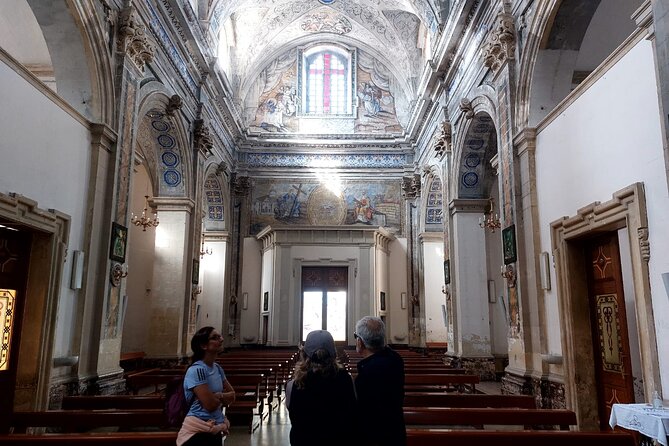
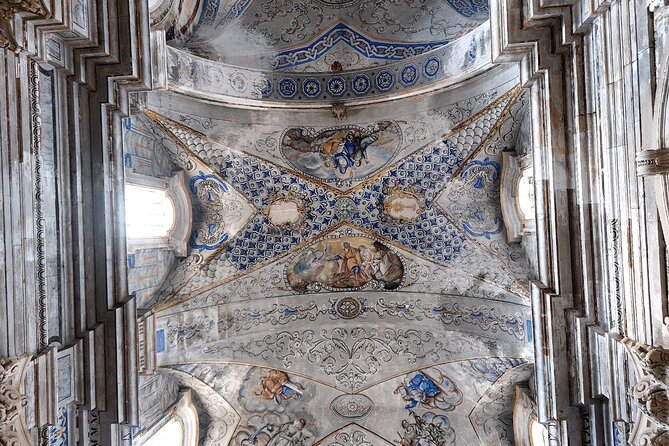
The Chiesa Parrocchiale di Maria Santissima Assunta provides a short architectural stop in the old town. Built in the 18th century, it reflects the Baroque style found across Lecce and the surrounding Salento area.
Inside, frescoes cover the walls and tell religious stories through painted scenes. The visit lasts about 15 minutes, so do not expect a long art-history lecture or a full church circuit. Instead, think of it as a compact look at how local faith and Baroque decoration shaped Sternatia.
This stop also keeps the tour from becoming only a countryside ride. You get a small town, a church, a palace, an underground worksite, and a food tasting in one morning. The variety is a strength, especially for anyone with limited time in Lecce.
The return route and the practical rhythm
The return to Lecce follows a different route and covers another 18 kilometers. Seeing a new stretch of countryside helps avoid the feeling that you are simply retracing your steps, but it also means the cycling portion remains substantial after the main visits.
The full activity lasts about four hours and begins at 9:00 a.m. That early start is practical in warm weather and leaves much of the day free for Lecce. You return to the original meeting point, so there is no need to arrange transport back from Sternatia.
The group maximum is 10 people. That is large enough to make the ride social but small enough for a guide to monitor the group more closely than on a mass cycling excursion. A small group also suits the underground mill, where too many people would make the historic space feel crowded.
The tour is offered in English. Confirmation arrives within 48 hours of booking, subject to availability. It requires good weather and a minimum number of participants. If poor weather or insufficient participation cancels the outing, you can choose another date or receive a full refund. You can also cancel for a full refund up to 24 hours before the start time.
Who will enjoy this e-bike tour most
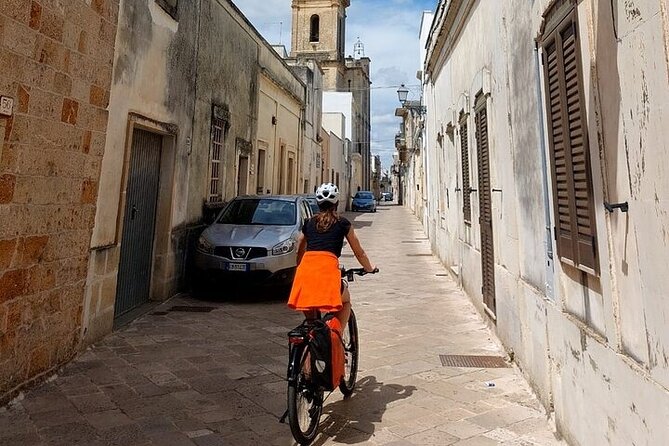
This is a strong choice for you if you want to see more than Lecce’s city center without giving up local history. It suits people who enjoy moving through the countryside, asking questions, and stopping for food rather than spending the whole morning at a single attraction.
It is also a good fit if you are curious about olive oil beyond the usual tasting-room presentation. The old mill, lamp-oil story, modern producer, and surrounding olive trees give the subject useful context.
The tour works well for couples, friends, and small groups who want a guided half-day outdoors. The e-bike makes the distance manageable for most people, and helmets, a pannier, phone holder, and water bottle are provided. Most people can participate, but the length means you should be comfortable cycling for several hours.
I would think twice if you want a slow walking tour, a large meal, or a short activity with very little physical effort. The coffee and pasticciotto stop is a snack break, not lunch. The tour also depends on weather, and the 36-kilometer distance remains part of the deal even with electric assistance.
Should you book the Lecce olive mill ride?
Book it if you want an active morning that links Lecce with the farms, food, language, and working past of Salento. The strongest reasons are the unusual underground mill, the lamp-oil story, the extra virgin oil tasting, and the chance to visit Sternatia with guides such as Marco and Nicholas.
At $119.72 per person, it is best judged as a guided cultural excursion with an e-bike included, not as a rental. The price makes sense if you value local explanation, personal bike support, and several connected stops. If your priority is simply cycling at your own pace, renting a bicycle may cost less and give you more freedom.
For most visitors with reasonable cycling comfort, this is one of the better ways to spend a morning outside Lecce. You get a real sense of how Salento works, tastes, and remembers its past, then return to the city by lunchtime.
FAQ
Where does the tour begin and end?
The tour begins at Via de Jacobis, 27, 73100 Lecce LE, Italy. It ends back at the same meeting point in Lecce.
What time does the tour start?
The scheduled start time is 9:00 a.m.
How long does the experience last?
The tour lasts approximately four hours.
How far will I cycle?
You cycle about 18 kilometers to Sternatia and another 18 kilometers back to Lecce, for roughly 36 kilometers total.
Is the e-bike included?
Yes. The tour includes use of an e-bike, helmet, pannier, bike phone holder, and water bottle.
Is the olive oil tasting included?
Yes. The extra virgin olive oil tasting is included, as is admission to the ancient olive oil mill. Other food and drinks are not included.
What happens if the weather is poor?
The experience requires good weather. If it is canceled because of poor weather, you will be offered another date or a full refund.
Newest grove reviews around Italy
- Vernazza (5 Terre): olive grove tour and oil and wine tasting★ 5.0 · 9 reviews
- Villa Castelli: Highlights Walking Tour w/ Olive Oil Tasting★ 4.8 · 12 reviews
- Umbria: E-Bike Rental and Fresh EV Olive Oil Tasting★ 5.0 · 4 reviews
- Trieste’s Essence: Wine and Olive Oil Tasting★ 5.0 · 3 reviews
- Valpolicella Wine and Olive Oil Tasting with Lunch from Verona★ 5.0 · 2 reviews
- From Venice: Olive Oil & Wine Tour in the Venetian Hills★ 5.0 · 9 reviews
- Half-Day Chianti Wine and Olive Oil Tour from Viareggio★ 4.0 · 5 reviews
- Umbria: Guided tour to Traditional Olive Oil Mill and Tasting★ 5.0 · 2 reviews
Olive Mill and Factory Tours, compared.
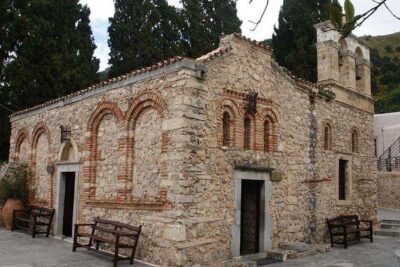
Knossos-Zeus Cave -Old Traditional Villages-Olive Oil Factory
Read our review →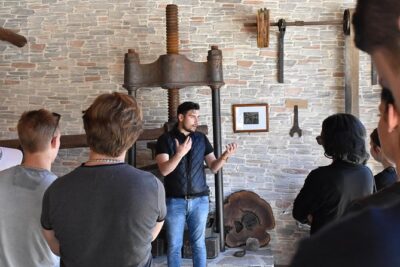
The Governor’s Olive Mill Tour with Olive Oil Tasting
Read our review →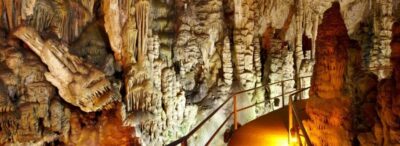
Road-trip to Lasithi, Zeus Cave & Olive Mill Farm
Read our review →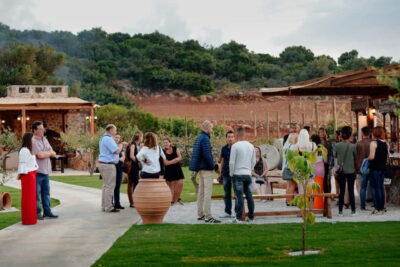
Lassithi, Zeus Cave, Olive Mill Farm & Knossos Combo Tour
Read our review →