
Review · ORGANIC OLIVE FARMS
In Crete Discover the miracle of Olive Oil and Organic Fruits
The most unusual part of this Chania tour is the chance to see olive oil made across three eras: ancient, medieval, and modern. You move from a working factory to an old stone mill, then into olive groves, villages, a monastery, and a secluded ancient tree.
I like the mix of food and place. You taste fresh organic extra virgin olive oil, pick fruit from a private farm, and see parts of mainland Chania that most visitors miss. I also like the private format, since your group travels with a professional farmer or olive oil producer and a licensed historian rather than following a large busload.
The main consideration is the long, full schedule. Seven stops over six to seven hours means plenty of driving and short visits. Lunch and drinks are not included, so you should plan for that extra cost.
Key points to know before booking
- Three generations of olive oil production: See a modern factory, an old traditional mill, and the farming practices that keep the trade alive today.
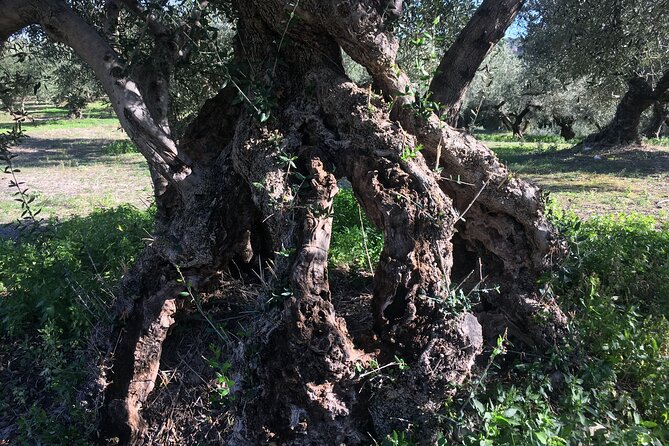
- A private ancient olive tree: Visit a secluded tree described as more than 2,500 years old, and in some tour details as roughly 3,000 years old.
- Organic tasting and fresh fruit: Sample Cretan organic olive oil and collect fruit directly from trees at a private farm.
- Mainland Chania, not just the coast: Visit Vamos, Vryses, Kalyves, Tsivaras, Apokoronas, and Malaxa, with views over valleys and villages.
- Pickup from central Chania areas: Hotel pickup and drop-off are included from central Chania, and the tour can also work as a Souda cruise-port shore excursion.
- A private, guide-led day: Only your group participates, with a professional producer and licensed historian-driver.
Why this olive oil tour feels different from a standard tasting
Many food outings stop at a table, pour a sample, and explain a few tasting notes. This one gives you the whole chain. You see where olives grow, how they are pressed, how older methods worked, and why olive oil has mattered to Cretan households for centuries.
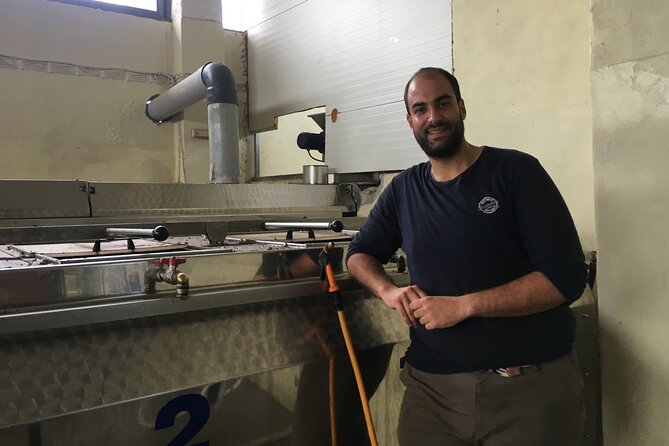
That wider view is the tour’s strongest feature. It turns a bottle of oil into something easier to understand. At the modern factory, you can connect the taste of the oil with current processing. At the old mill, you see how much labor earlier production required. At the farm, you meet the agricultural side of the story.
I also like that the day is not confined to one attraction. The route takes you through small mainland communities and mountain areas around Chania. This gives you a better feel for rural Crete than a quick tasting near the city would.
The tour is private, so the pace and conversation should feel more personal than a standard group excursion. The supplied details do not name the individual guide, but they specify a professional olive oil producer and a Greek Ministry of Tourism and Culture licensed historian-guide and driver.
More Organic Olive Farms in Chania:
- Ronda: LA Almazara LA Organic, Olive Oil Museum and Tasting
★ 4.6 · 435 reviews - Organic cooking class with a sommelier in an Olive and wine farm
★ 5.0 · 69 reviews - Balsamic Vinegar, Olive oil and Organic Winery Tour in Assisi with tasting
★ 5.0 · 66 reviews
Vamos: start with modern olive oil production
The first stop is Vamos, where you visit a modern olive oil factory for about an hour. This is the clearest introduction to the production process, since you can follow the method used to turn harvested olives into extra virgin olive oil.
You learn about the qualities of olive oil, the stages of processing, and the byproducts created along the way. The visit ends with a tasting of fresh organic extra virgin olive oil. That tasting matters because it puts the technical explanation to work. You are not just hearing how quality is judged. You are trying the product as well.
Expect this stop to be educational rather than theatrical. The value comes from seeing a working production setting and understanding how the oil you taste has been handled. If you already know a great deal about olive oil, the factory explanation may feel basic, but the direct comparison with the older mill later in the day adds real interest.
There is no admission charge listed for this stop. The tour price covers the visit, guiding, transport, and tasting, though you should not assume that additional drinks or food are included.
Vryses: a traditional mill and a riverside pause
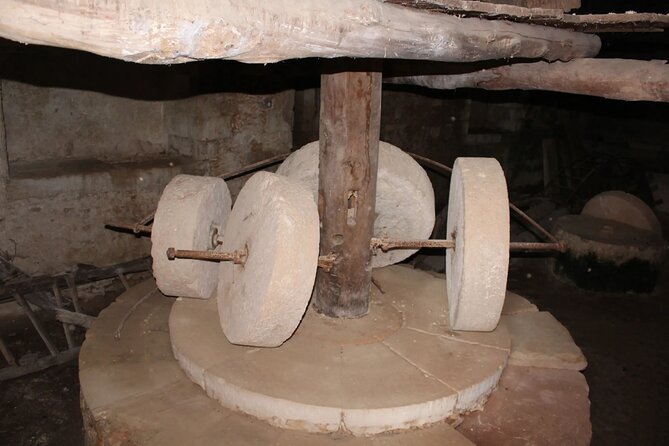
The next stop returns to Vryses for a 30-minute visit to a traditional old olive oil mill. Here, the guide explains how oil was extracted in earlier centuries and points out the machinery used in the process.
This is a short stop, but it gives the day its historical backbone. The modern factory shows efficiency. The old mill shows the physical effort behind older production. Seeing both in one outing makes the change in olive oil making much easier to grasp.
The machinery may be especially interesting if you enjoy practical history. You are looking at tools and mechanisms, not just reading a date on a plaque. The tour description does not promise a full operating demonstration, so think of this as a guided look at the old process rather than a hands-on workshop.
Vryses appears again later for a 50-minute break by the riverside. That second visit is useful. After several olive-focused stops, you get time to pause in a village setting instead of rushing from one site to the next. The word romantic is used for the village, but the more practical point is that this is your designated break in the schedule.
Lunch is not included. You may wish to use the break for food or a drink, but the details do not specify a particular restaurant or meal arrangement. Ask the operator before departure if you need a firm lunch plan.
Kalyves: fruit, olive trees, and working farm life
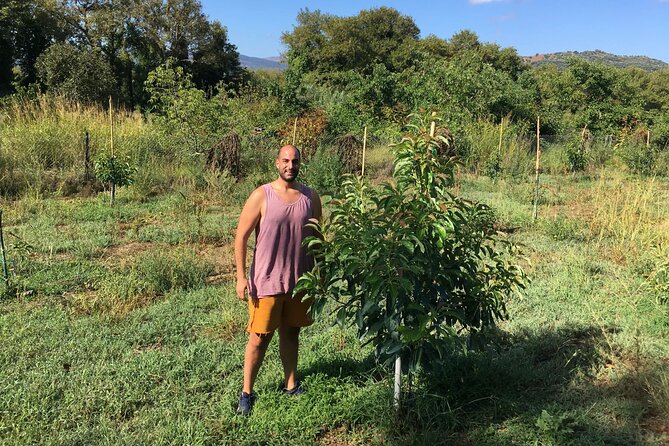
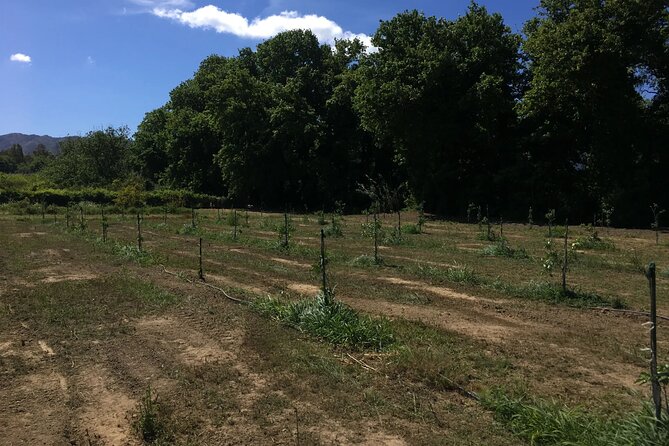
At a private fruit and olive tree farm in Kalyves, you spend about an hour learning about different olive varieties and the daily routine of olive oil production. You can collect fresh fruit directly from the tree, which adds a simple, physical element to the visit.
This is one of the most appealing stops for anyone who wants more than factory information. A farm helps you see that olive oil begins with seasonal work, patience, and decisions made long before pressing. The professional farmer explains the farmer’s way of life, so the focus shifts from machinery to people and land.
The phrase private farm matters here. You are not simply passing an orchard from a vehicle. You are visiting a working agricultural setting and learning about the trees and fruit at close range. The experience should suit families and curious eaters, although the schedule does not specify how much fruit you can take with you.
You also learn about varieties of olives and olive trees. That makes the tasting at Vamos more useful, since you have some context for why oils can differ. If your main goal is to buy large quantities of oil, note that a purchase opportunity is not promised in the supplied details.
More Olive Oil Tours around Chania:
- Crete Wine and Olive Oil Tour
★ 5.0 · 272 reviews - Wine & Olive Oil Tour with Lunch at Milia Mountain Retreat
★ 5.0 · 194 reviews - Wine & Olive Oil Tour with Lunch – Semi Private Safari Tour
★ 5.0 · 156 reviews - Chania: Milia Mountain Tour w/Lunch Olive Oil/Wine Tastings
★ 4.9 · 97 reviews
Tsivaras: the ancient olive tree
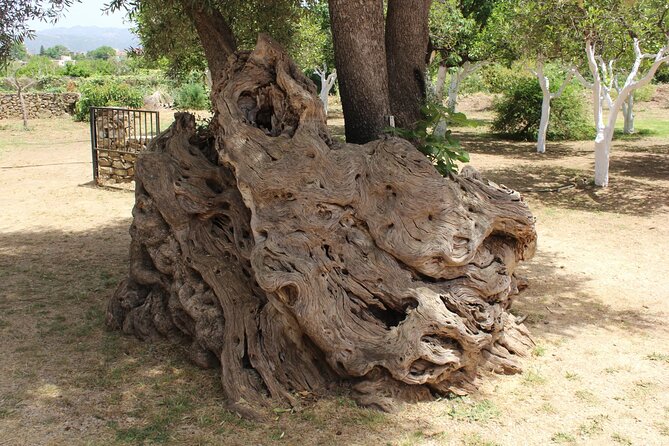
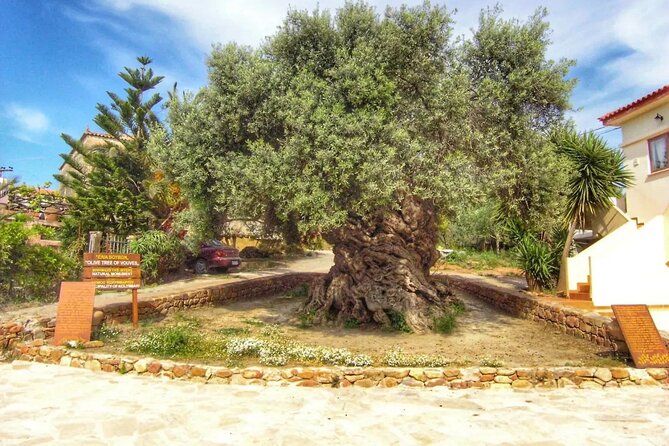
The most memorable stop is likely Tsivaras, where you visit an olive tree described as possibly the oldest in the world. The tree is said to be more than 2,500 years old, while another description calls it a 3,000-year-old tree.
That difference is worth keeping in mind. The age is presented as an estimate, not a settled fact, and the location is deliberately undisclosed. Still, the experience does not depend entirely on proving an exact number. Standing beside a living olive tree that may have been growing for more than two millennia gives the tour a strong sense of time.
You can touch the tree and take in its size. This is not just another photo stop. The tree connects the present-day Cretan olive trade with the ancient world, and it helps explain why olive oil has such a strong place in local culture.
The stop lasts about an hour, which gives you more than a quick glance. The undisclosed location may appeal to you if you prefer quiet, less public places. It may frustrate you if you want to know every detail in advance or mark the site independently on a map. That secrecy is part of the experience as presented.
Apokoronas: olive oil and monastery tradition
In the Apokoronas region, you visit a monastery with a strong connection to olive oil production. The stop lasts about an hour and includes a look at the monastery’s olive oil factory.
This adds a religious and community dimension to the day. Olive oil was not only a commercial product. It played a role in daily life, food, work, and local institutions. The guide explains that connection while showing how the monastery produced oil.
The setting also helps break up the technical parts of the tour. After a factory and a traditional mill, the monastery gives you another place where olive oil production fits into a larger local story. The tour data does not name the monastery, so you should not expect to research its exact architecture or history before booking.
As with the other stops, admission is listed as included. Food and drinks are not. Dress requirements are not specified, so ask the operator if you have concerns about visiting the religious site.
Malaxa: wide views across Chania
The final sightseeing stop is in Malaxa, where you spend about 45 minutes taking photographs of the valleys, villages, and regions of Chania. This is a good closing point because it shifts your attention from close-up trees and machinery to the wider setting that supports rural life.
You get a chance to see how the villages and agricultural areas fit together from above. The views are a welcome change after a day focused on olive groves and interior spaces. Bring a phone or camera with enough battery, since this is one of the clearest photo opportunities on the route.
The exact viewpoint is not provided, and the tour does not promise a particular lookout platform. Weather will also affect what you see. Still, the stop gives the day a scenic finish and helps you understand that mainland Chania is more than beaches and old-town lanes.
What the six to seven hours really involve
This is described as a full-day tour, but the scheduled stop times add up to roughly six hours and five minutes. The total outing lasts about six to seven hours because driving and transfers fit between the stops.
That timing is efficient, but it is not slow travel. You visit seven places in one day, including two separate stops in Vryses. If you enjoy variety, the schedule keeps the day moving. If you prefer lingering over lunch or spending half a day at one farm, this may feel packed.
Pickup begins at 8:30 a.m. Hotel pickup and drop-off are offered from all central Chania areas. The tour is also available as a shore excursion for visitors arriving at Chania or Souda cruise port, which makes it useful when you want a focused mainland experience during a port call.
The group is private, meaning only your party participates. That is a major practical advantage for families, couples, or small groups with a shared interest in food and history. You are not paying for a large group, but you also do not have strangers to help spread the cost.
Public transportation is nearby, and most people can participate. The information does not give specific details about wheelchair access, walking distances, vehicle type, or child seating, so ask before booking if any of those points matter to you.
Is the $179.43 price good value?
At $179.43 per person, this is not a cheap short tasting. It is priced as a private six to seven-hour day with transport, several guided visits, an olive oil tasting, and a specialist guide who combines farming and history.
I think the price makes the most sense for two or more people who value privacy and want a full day outside Chania. You are paying for the route, the driver-guide, the private format, and access to places that would be difficult to combine independently, especially the private farm and undisclosed ancient tree.
The value is weaker if your only goal is to taste olive oil. You could likely find a shorter and less expensive tasting, though no alternative price is provided here. This tour earns its cost through the range of experiences: production, farming, local history, scenery, and village stops.
Group discounts are available, which may improve the per-person value for a larger party. Lunch and drinks are extra, so add those costs when setting your day’s budget. The experience is typically booked 79 days ahead, a useful sign that you should not leave it until the last minute if your dates are fixed.
Who will enjoy this day most?
I would recommend it most strongly if you:
- Care about where food comes from, not just how it tastes
- Want to see rural Chania beyond the main tourist routes
- Enjoy local history, old machinery, and traditional production
- Prefer a private guide and vehicle
- Are visiting from a cruise ship and need a structured shore excursion
- Want a full day that combines food, countryside, villages, and views
It may be less suitable if you want a relaxed beach day, a single long meal, or a short activity close to Chania town. The route has several stops and a clear focus on olive oil. You should be genuinely interested in the subject before committing most of a day to it.
The tour also works well for people who like taking photos. You have the ancient tree, farm setting, village streets, monastery, riverside stop, and Malaxa views. Just remember that the day is not built around professional photography, and the schedule may limit how long you spend at any one scene.
Booking details and cancellation
Confirmation is provided at booking, and mobile tickets are available. Pickup is offered from central Chania areas, with cruise-port service covering Chania and Souda.
You can cancel for a full refund if you do so at least 24 hours before the start time. Changes or cancellations made inside that 24-hour window are not accepted for a refund. The cut-off follows local time in Crete.
Should you book this Crete olive oil tour?
Book it if you want the full story of Cretan olive oil, from old machinery and monastery production to modern processing, private farmland, fresh fruit, and a very old living tree. The strongest reason to choose it is the combination of access and variety. You are not spending the whole day in one tasting room.
I would especially choose it for a private group staying in Chania or for a cruise visitor who wants a meaningful inland outing. The cost is fair for the amount of guiding and transport included, but lunch and drinks need to be added, and the pace will feel busy to anyone who likes unhurried sightseeing.
If you love olive oil, local food, and rural history, this is the kind of day that can become a highlight of your time in Crete. If you only want a quick sample and a few scenic photos, choose a shorter activity instead.
FAQ
How long does the olive oil tour last?
The tour lasts approximately six to seven hours and begins at 8:30 a.m.
Is hotel pickup included?
Yes. Free pickup and drop-off are offered from all central Chania areas.
Can the tour be taken as a cruise shore excursion?
Yes. The tour is available for visitors arriving at Chania and Souda cruise ports.
Is this a private tour?
Yes. Only your group participates in the activity.
Is lunch included in the price?
No. Lunch and drinks at the private tour stops are not included.
Will I taste Cretan olive oil?
Yes. The tour includes a tasting of original Cretan organic extra virgin olive oil at the modern olive oil factory.
How far in advance can I cancel for a full refund?
You can cancel at least 24 hours before the experience start time for a full refund. Cancellations or changes made less than 24 hours in advance are not accepted.
Newest grove reviews around Chania
- Wine, Beer, Olive Oil Tasting Private Tour (price per group of 6)★ 5.0 · 4 reviews
- Chania Old Town – Millennial Olive Tree – Olive Oil Mill★ 5.0 · 2 reviews
- Discover Rethymno, Lake Kournas & the Secrets of Cretan Olive Oil★ 5.0 · 10 reviews
- Wine & Olive Oil tasting one day private tour in Crete★ 5.0 · 2 reviews
- Rethymnon Olive Tree Sponsorship Protect and Plant Tour★ 5.0 · 5 reviews
- Monastery – Ancient Olive tree & Museum-Cretan Brewery Private Tour from Chania★ 5.0 · 5 reviews
- Crete Off-Road & Flavors Safari: Wine, Olive Oil & Mountain Life★ 5.0 · 9 reviews
- Pottery – Honey & Olive Oil experience★ 4.5 · 9 reviews
Organic Olive Farms, compared.
LA Almazara LA Organic, Olive Oil Museum and Tasting
Read our review →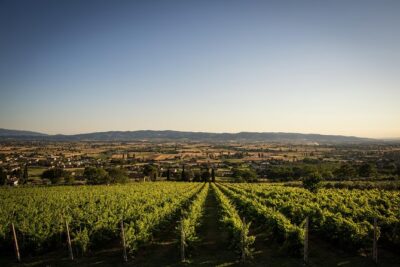
Balsamic Vinegar, Olive oil and Organic Winery Tour in Assisi with tasting
Read our review →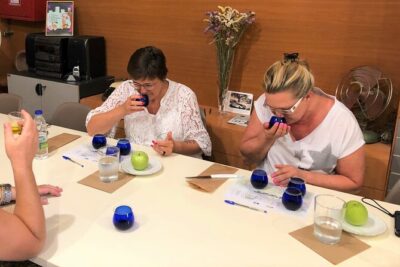
Organic Olive Grove tour & Olive oil tasting & lunch in Kalamata!
Read our review →
Assisi: Organic Balsamic Vinegar, Olive Oil & Wine Tour
Read our review →
Organic Wine and Olive Oil Tasting Experience near Lecce
Read our review →
Leonardo Da Vinci’s wind mill visit and Organic olive oil tasting
Read our review →
Kalamata, Greece: Organic Olive Grove Tour-Olive oil tasting
Read our review →Browse the lists this tour appears in