
Review · OLIVE GROVE WALKS
Greece in a Drop: Olive Grove Walk and Olive Oil Tasting
The best part of this experience is the contrast between a quiet walk among centuries-old olive trees and a tasting that shows how different good olive oil can be. Dimitris explains how olives are grown, harvested, and pressed, then helps you taste oils ranging from soft and fruity to bold and peppery.
I like the small groups of up to eight, which give you room to ask questions, and I like that the tasting includes bread, tomato, and feta rather than oil alone. The main thing to consider is transport: you must arrange your own way to Aloades Estate, and the scheduled 90 minutes may feel short if you want a slow visit or a long conversation.
Key points to know before you go
- A 30-minute olive grove walk brings the farming process to life among old trees and countryside views.
- Dimitris and Costantino lead the experience in Greek and English, with plenty of room for questions.
- Greek and Italian extra virgin oils are tasted side by side, from delicate and fruity to strong and peppery.
- Bread, tomato, and feta turn the tasting into a simple local meal rather than a technical exercise.
- Groups are limited to eight people, a useful size for personal attention.
- Comfortable shoes and a hat matter, since part of the visit takes place outdoors.
Aloades Estate and the taste of Thessaly
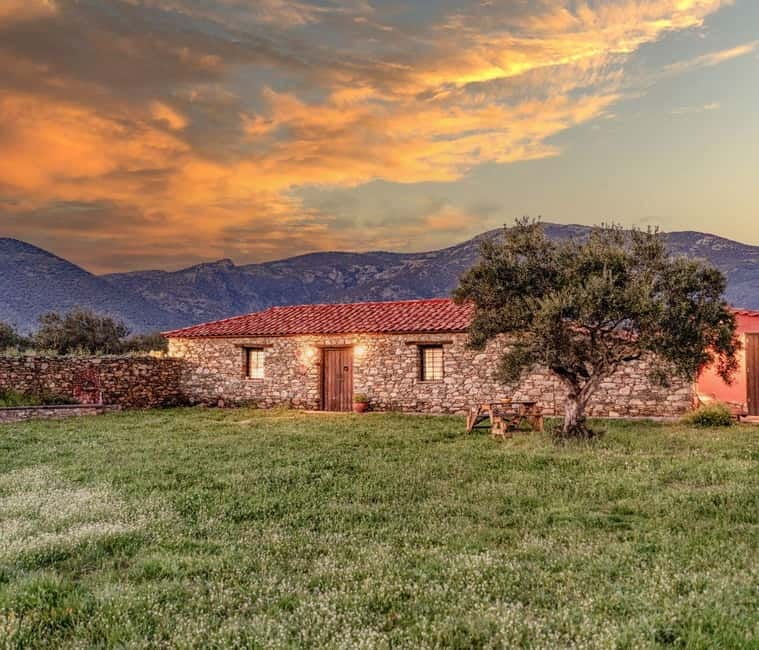
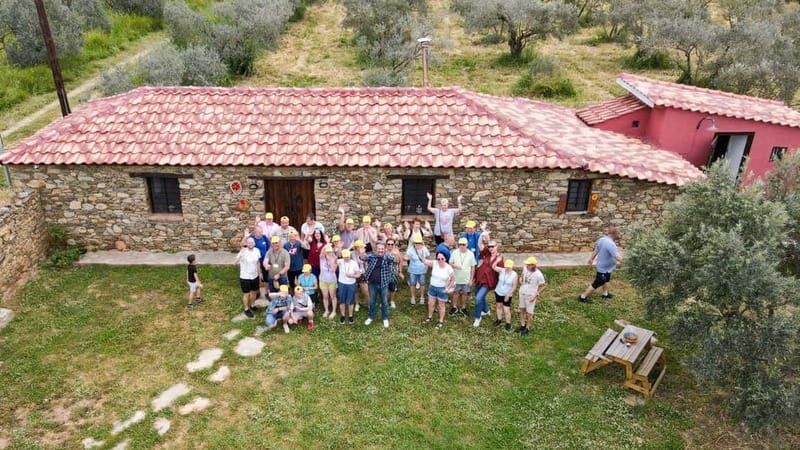
Aloades Estate gives you a look at olive oil where it begins: in the grove, not on a supermarket shelf. The estate sits in the countryside of Thessaly, among olive trees and open Mediterranean views. You start and finish at the estate, so the experience is easy to follow once you arrive.
I like this setting because it connects the food on your plate to the work behind it. Olive oil can seem like a basic kitchen staple, but the visit shows how much flavor depends on the tree, the olive variety, the harvest, and the way the fruit is handled.
This is also a good choice if you want something more local and unhurried than a standard sightseeing stop. You are not only tasting a finished product. You are learning how olives are cultivated, harvested, and turned into oil, with traditional and sustainable methods at the center of the conversation.
The estate is not presented as a large industrial operation. Instead, the experience focuses on farming, family-scale production, and the care required to make good oil. One detailed visit with Dimitris continued for more than three hours because the conversation kept going, though the advertised activity itself lasts 90 minutes. That tells you there is room for a relaxed discussion, but you should plan around the official duration.
More Olive Grove Walks in Greece
- Traditional Olive Grove and Dragon Fruit Farm Tour
★ 4.8 · 118 reviews - Organic Olive Grove tour & Olive oil tasting & lunch in Kalamata!
★ 5.0 · 61 reviews - Private Traditional Olive Grove and Dragon Fruit Farm Tour
★ 5.0 · 29 reviews
The 30-minute walk through the olive grove
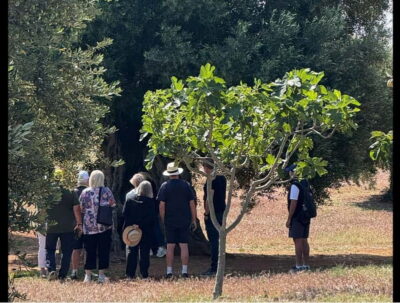
The first part of the visit is a guided walk lasting about 30 minutes. You stroll through the estate and see the olive trees at close range while learning about cultivation and harvesting.
This walk is not a strenuous hike. Still, you should wear comfortable shoes, since the activity takes place outdoors and the surface may not be perfectly smooth. A hat is also a sensible choice, especially during a sunny part of the day.
The trees are the main attraction here. Some are centuries old, giving the walk a strong sense of continuity. Olive farming in Greece is not just a scenic backdrop. It is an agricultural tradition shaped by weather, soil, pruning, harvest timing, and careful handling of the fruit.
Dimitris explains the process in a way that suits both beginners and people who already know something about olive oil. You learn what happens before the oil reaches a bottle, including the basic stages of growing, harvesting, and pressing olives.
I find this part valuable because it gives you a better way to judge the tasting later. When you understand that harvest time and olive variety affect flavor, the differences between the oils make more sense. You are not simply asked to decide which one you like best. You gain a clearer idea of why one oil tastes mild and fruity while another feels peppery at the back of your throat.
The walk also offers views across the Mediterranean countryside. The setting is attractive, but the focus stays on the trees and the farming methods rather than on a long photo stop. If you prefer tours with constant movement and many different sights, this may feel quiet. If you enjoy food, nature, and practical local knowledge, the pace should suit you well.
Tasting oils from Greece and Italy
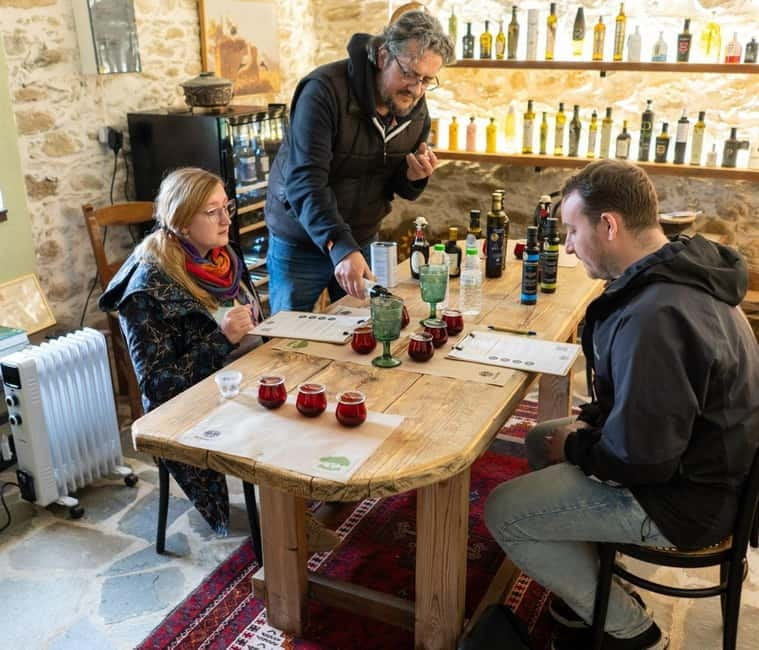
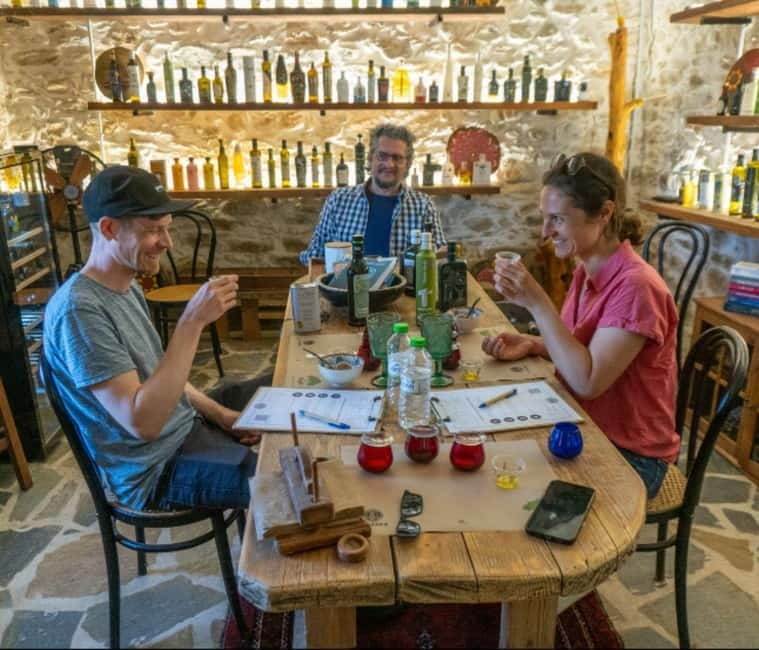
After the walk, about an hour is devoted to food and olive oil tasting. This is the heart of the experience. You try several award-winning extra virgin olive oils produced in Greece and Italy, then compare their aroma, flavor, and texture.
For many people, this is the first time they taste oils side by side in a structured way. That comparison matters. The oil you use at home may taste quite different from a fresh extra virgin oil, especially if you have only sampled standard grocery-store brands.
The tasting includes oils with different personalities. Some are described as delicate and fruity. Others are bold and peppery. You learn to notice the smell first, then the taste and texture, and finally the finish. A peppery sensation is not simply a flaw or an unpleasant bite. It can be part of the character of a fresh, well-made oil.
The guide also explains how harvest timing affects the result. This is a useful detail because many shoppers choose olive oil by country or label alone. At Aloades Estate, you get a more practical lesson: the same broad category can include oils with very different aromas and strength.
I would not expect a formal culinary school lesson. This is an accessible introduction, designed for people who want to understand what they are tasting without needing specialist knowledge. At the same time, the range of oils gives experienced food lovers something to compare.
The tasting is not limited to Greek products. You also try Italian oils, which gives the session an international angle while keeping Greece at its center. That comparison can help you notice how style and production choices influence the final flavor.
Bread, tomato, and feta make the difference
Oil tasting on its own can become tiring. A small amount of oil is one thing, but sampling several oils without food may make it hard to compare them. The estate pairs the tasting with local artisanal bread, fresh tomato, and feta cheese.
This simple combination works well. Bread lets you taste the oil in a familiar way. Tomato brings freshness and acidity, while feta adds salt and a creamy texture. Together, these foods show how olive oil functions in everyday Greek cooking rather than treating it as an abstract product.
I like that the food is modest and local. You are not paying for a large meal, and this is not a restaurant lunch. Instead, the pairings help you understand how the oils might be used at home or at a Greek table.
The tasting is also a useful stop for anyone building a food-focused trip. You can leave with a better sense of what to look for when buying oil, how to describe the flavors you prefer, and why extra virgin olive oil can cost more than ordinary cooking oil.
The experience does not say that every stronger oil is better, or that mild oil is inferior. That balance matters. Your preference may be for a soft, fruity oil on bread, or for something more forceful with tomato and cheese. The guide’s role is to help you identify the differences, not to force one answer.
Same groves, a different afternoon:
- Crete: Quad Safari, Olive Mill with Tasting & Ghost Village
★ 4.9 · 1,004 reviews - Knossos-Zeus Cave -Old Traditional Villages-Olive Oil Factory
★ 5.0 · 694 reviews - The Governor’s Olive Mill Tour with Olive Oil Tasting
★ 5.0 · 502 reviews - From Chania: Olive Oil, Wine, Cheese & Honey Tasting Tour
★ 4.6 · 490 reviews
Dimitris, Costantino, and the small-group advantage
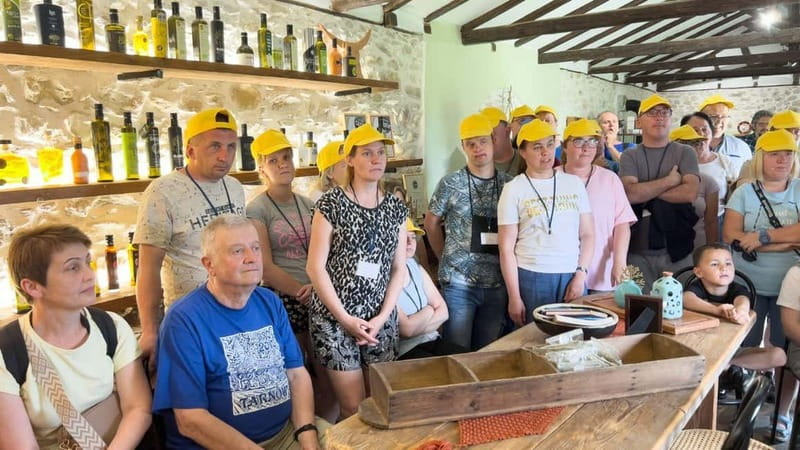
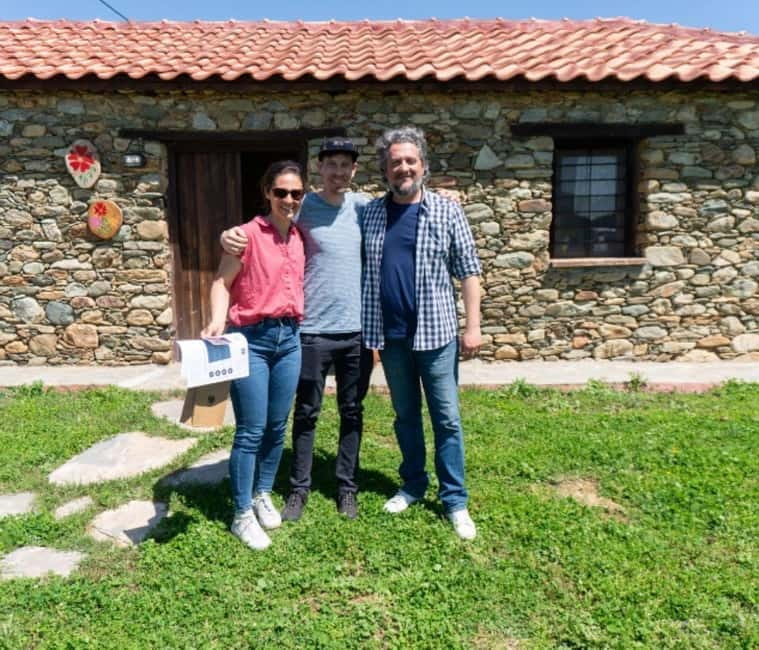
The experience is led in Greek and English by Dimitris and Costantino. Dimitris is especially involved in explaining the estate, the story of the farm, and the process of tasting oil properly.
A group limit of eight people is one of the strongest practical features. You are not lost in a crowd, and you have a better chance to ask about olive varieties, harvesting, pressing, or the oils on the table. Small groups also suit the setting. A quiet grove and a personal conversation would lose some of their appeal with a large bus group.
The visit can also become more conversational than the planned schedule suggests. One party spent more than three hours talking with Dimitris about the farm and olive oil, even though the stated duration is 90 minutes. Do not assume every booking will last that long, but it is useful to know that the hosts may offer more conversation when time and interest allow.
The guides also seem well suited to first-time tasters. You do not need to arrive with a working knowledge of olive farming. If you already enjoy food and want more detail, you can ask more pointed questions.
One practical limit is that the experience depends on guide availability and the small group format. If you want a fully private visit or a larger family gathering, the maximum of eight may not match your plans. For most people, though, the group size is a benefit rather than a restriction.
Is the $29 price good value?
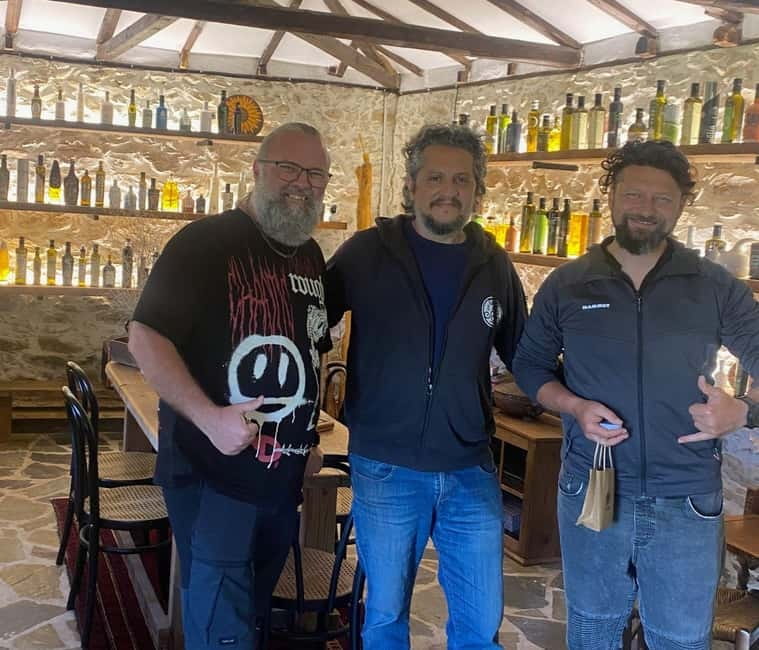
At $29 per person, this experience offers a fair amount for a 90-minute visit. You receive a guided estate tour, a 30-minute walk, a structured olive oil tasting, and food pairings with bread, tomato, and feta.
The value comes from the combination. You could buy olive oil and food on your own for less, but you would not get the explanation of farming methods, the guided comparison of Greek and Italian oils, or the chance to ask questions directly at an olive estate.
It is especially good value if you are interested in Greek food, sustainable agriculture, or regional products. The experience gives you context that a bottle label cannot provide. It also works well as a shorter activity between larger sightseeing plans.
The price does not include transportation to or from Aloades Estate. That cost and effort should be part of your calculation. If reaching the estate is simple from your base, the price looks more attractive. If arranging transport is difficult, the practical value drops.
Children under eight enter free, which helps families. Still, the educational discussion and tasting are likely to appeal most to adults and older children who can engage with the food and farming topics.
Who should book this experience?
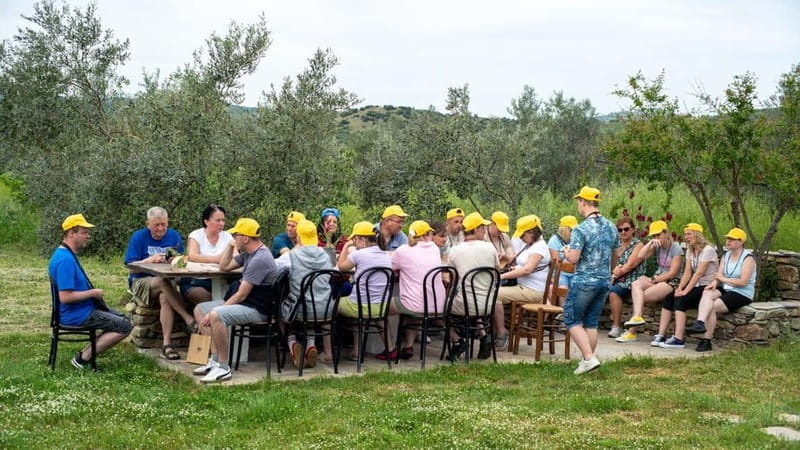
I would recommend Aloades Estate to food lovers, curious first-time tasters, and anyone who wants a countryside activity with a strong local connection. It is also a good pick for people who prefer small groups and conversation over a busy, tightly packed tour.
You will get the most from it if you are willing to taste carefully and ask questions. The activity is not built around a long list of sights. Its rewards come from noticing small differences in aroma and flavor, then connecting those differences to how olives are grown and processed.
It suits couples, solo visitors, and small families particularly well. The 90-minute length makes it manageable, and the food pairing gives the visit more substance than a simple walk through an orchard.
You may want to choose another activity if you need hotel pickup, want a full meal, or prefer a major attraction with a packed schedule. Aloades Estate is calm and focused. The walk is pleasant, but olive oil is the main subject from beginning to end.
The estate is wheelchair accessible, which makes it a useful option for visitors who need an accessible activity. You should still confirm the practical details of the outdoor route when arranging your visit, since the supplied information confirms accessibility but does not describe every walking surface.
Pets and smoking are not allowed on the estate. Plan to arrive in comfortable shoes, bring a hat, and allow enough time to reach the starting point independently.
The final call on Aloades Estate
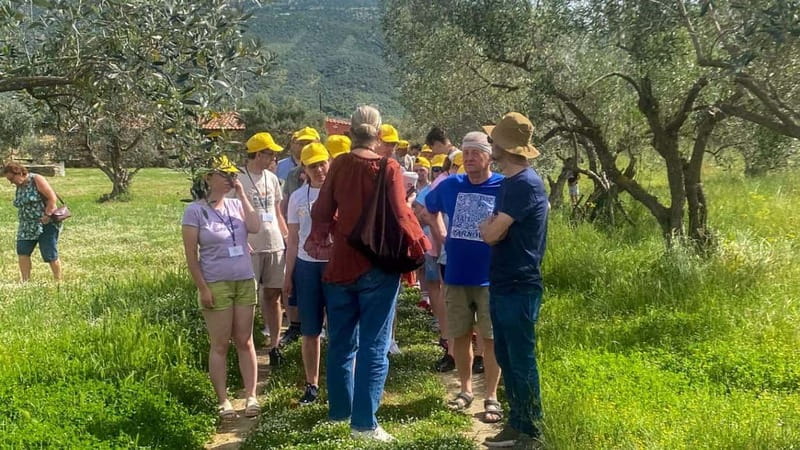
Book this experience if you want to understand Greek olive oil through the place where it is produced. The old trees, small group, careful tasting, and local food make the visit more personal than simply buying a bottle in a shop.
The best reasons to go are the direct explanations from Dimitris and Costantino, the chance to compare several Greek and Italian oils, and the way bread, tomato, and feta make the tasting easy to understand. The main caution is transport, along with the possibility that 90 minutes may feel brief if you become absorbed in the conversation.
At $29, Aloades Estate is a sensible choice for a food-focused day in Thessaly. Bring comfortable shoes, arrive ready to taste more than one style of oil, and keep your schedule flexible enough for a conversation that may last longer than planned.
FAQ
Where does the olive oil experience take place?
The experience takes place at Aloades Estate in Thessaly, Greece.
How long does the activity last?
The scheduled duration is 90 minutes. This includes a 30-minute walk and about one hour of food and olive oil tasting.
What does the $29 price include?
The price includes a guided estate tour, an olive oil tasting session, and food pairings with local products.
Is transportation included?
No. Transportation to and from Aloades Estate is not included.
Which languages are available?
The live tour guide speaks Greek and English.
How many people are in the group?
The group is limited to eight participants.
What food is served with the olive oil?
The tasting is paired with local artisanal bread, fresh tomato, and feta cheese.
What kind of olive oils will I taste?
You will taste several award-winning extra virgin olive oils from Greece and Italy, with styles ranging from delicate and fruity to bold and peppery.
What should I bring?
Wear comfortable shoes for the walk and bring a hat.
Are children and pets allowed?
Children under eight years old enter free. Pets are not allowed on the estate, and smoking is also prohibited.
Newest grove reviews around Greece
- Athens: Greek Wine & Olive Oil Tasting at Brettos Plaka★ 4.5 · 3 reviews
- Breakfast in the markets with olive oil and honey tasting★ 4.8 · 8 reviews
- PRIVATE RHODES TOUR + Lunch Stop & WINE/OLIVE OIL Tasting★ 5.0 · 2 reviews
- Olive Tour & Tasting★ 5.0 · 4 reviews
- Private Tour in Historic Estate in Monemvasia with wine-olive oil tasting & meal★ 5.0 · 4 reviews
- Olive Facility Visit with Olive Oil Tasting Session★ 5.0 · 2 reviews
- Olive Oil Tasting at the Mykonian Farm★ 4.5 · 3 reviews
- Olive Oil Tour close to Nafplio★ 4.5 · 3 reviews
Olive Grove Walks, compared.
Masseria tour among thousand-year-old olive trees with oil tasting
Read our review →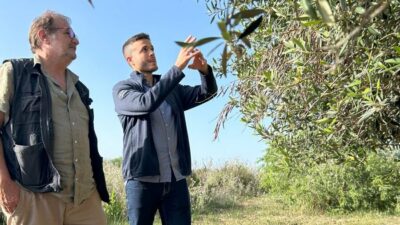
Olive Grove Tour with Wines & Olive Oil Tasting
Read our review →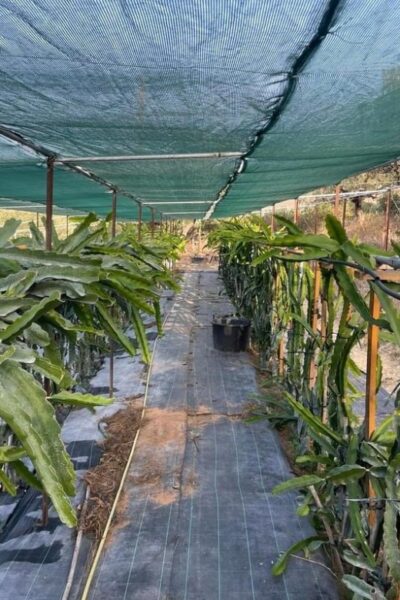
Traditional Olive Grove and Dragon Fruit Farm Tour
Read our review →
Visit of the olive grove, olive oil tasting and snack
Read our review →
Bologna: Olive Grove and Vineyard Tour with Product Tastings
Read our review →
Balestrate Olive Grove Tour: Wine and Olive Oil Tasting
Read our review →
Guided tours of the olive grove with oil tasting.
Read our review →
Organic Olive Grove tour & Olive oil tasting & lunch in Kalamata!
Read our review →Browse the lists this tour appears in