
Review · OLIVE OIL AND WINE TASTINGS
Chianti: Wine and Olive Oil Tasting with Cellar Tour
The most memorable part of this experience is the contrast between the working wine cellar and the tiny 18th-century room where oak barrels hold aging Chianti and Vinsanto. You get a close look at production, then sit down to taste the results at a family-run Tuscan farm.
I like the genuine farmhouse setting, and I like that the tasting includes olive oil and local food, not just wine. The main consideration is time: one hour gives you a tidy introduction, but not a long, leisurely winery visit or a full meal.
Key points to know
- 18th-century cellar: See the old room where French oak barrels hold Chianti for six months and smaller barrels are used for Vinsanto.
- Three parts of production: The visit covers wine fermentation, barrel aging, and olive-oil storage in the farm’s Orciaia.
- Tasting with food: Sample local wines, extra-virgin olive oil, and accompanying Tuscan specialties.
- Small-group feel: The activity is offered as a private group, and a booking with no other participants can become an especially personal visit.
- Easy price comparison: At $39.86 per person, the one-hour visit is priced for a focused tasting rather than a full-day wine excursion.
- Practical tip: Wear comfortable shoes. The meeting point is Fattoria Santo Stefano on Via Collegalle, near Greve in Chianti.
A working Tuscan farmhouse near Greve
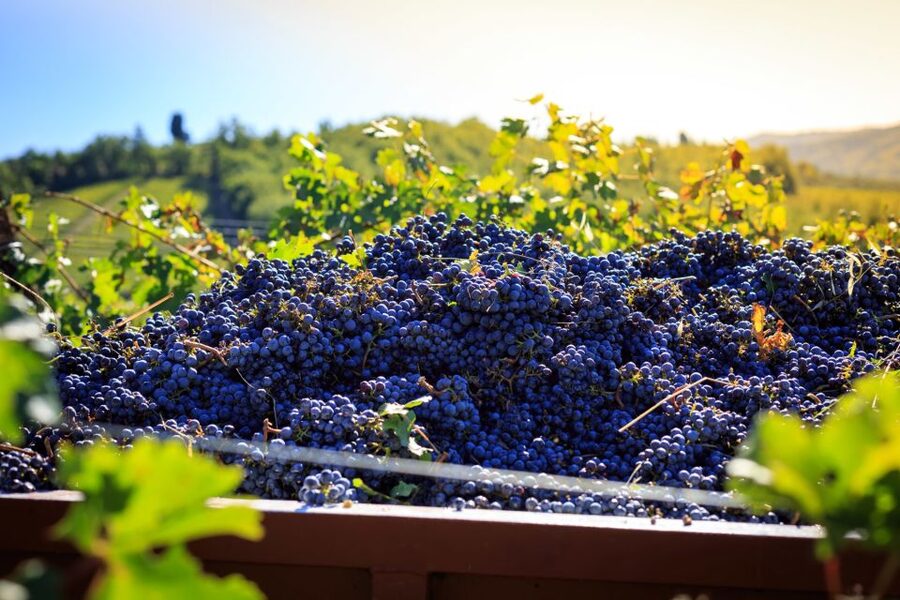
Fattoria Santo Stefano gives you a look at wine and olive oil production in the setting where both belong: a real farmhouse in the Chianti countryside. This is not a large visitor center built around a polished display. The appeal comes from seeing the working parts of a small agricultural property and then tasting what the farm produces.
The experience starts with an introduction to the grounds and the farmhouse itself. You’ll hear about the building’s construction and the way food and wine are made locally. That opening matters because it gives the tasting a sense of place. You are not simply handed a glass of Chianti with no context. You first see the property and learn how its spaces are used.
The farm is also an agriturismo, so the setting has a lived-in quality rather than a purely commercial one. You might want to allow a little time before or after the tour to look around the property, though the scheduled activity itself lasts about one hour and finishes where it began.
The meeting point is Fattoria Santo Stefano, Via Collegalle 3, 50022 Greve in Chianti. Transportation is not included, but it can be booked as an add-on. That detail is important if you are staying without a car, since the tour does not collect you automatically from Florence or another Tuscan town.
More Olive Oil and Wine Tastings in Italy
- Sorrento Farm and Food Experience including Olive Oil, Limoncello, Wine tasting
★ 5.0 · 2,524 reviews - Sorrento: Lemon, Olive Oil and Wine Tasting Tour with Lunch
★ 5.0 · 300 reviews - Alghero: Wine and Olive Oil Tasting at a Local Farm
★ 4.8 · 294 reviews
Stainless steel tanks and cement fermentation
After the introduction, you enter the larger wine cellar. This is the practical heart of the tour, where Chianti wine begins its transformation from grape juice into wine.
You’ll see stainless steel and cement tanks used for fermentation. These materials offer a useful contrast. Stainless steel is clean and modern, while cement tanks connect the working cellar to older winemaking traditions. The guide explains how the wine is handled at this stage, giving you a better sense of why a winery needs more than a pretty tasting room.
This part should suit you if you like seeing equipment in use. It is not a theatrical presentation with rows of polished bottles. You are looking at the vessels and spaces involved in production, and the explanation helps connect them to the wine in your glass later.
The cellar visit also gives you a good reason to ask questions. Since the activity is offered with an English- or Italian-speaking guide and as a private group, you have more room for conversation than you would on a large scheduled bus tour. No guide names are provided, but the format suggests a more direct exchange with the person leading your visit.
The small cellar with French oak barrels
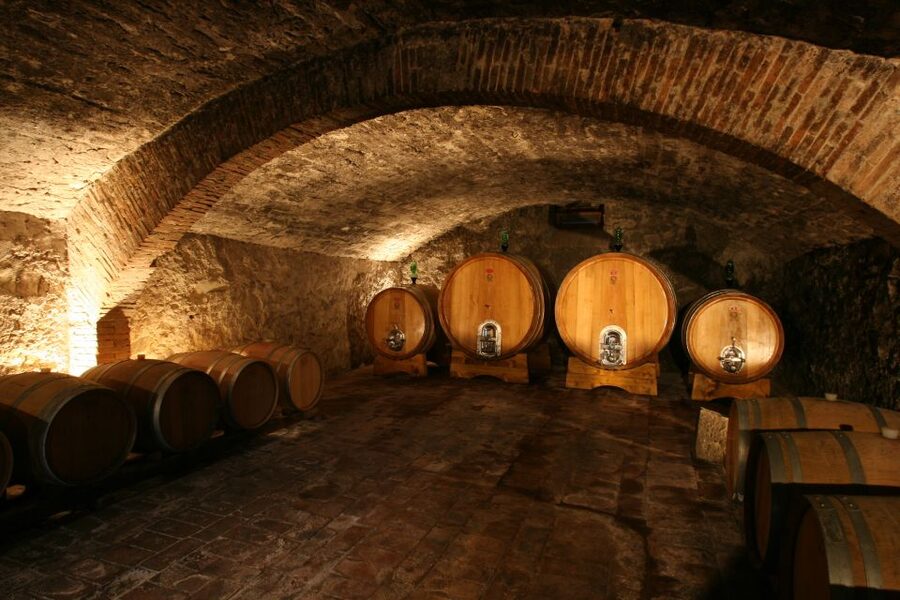
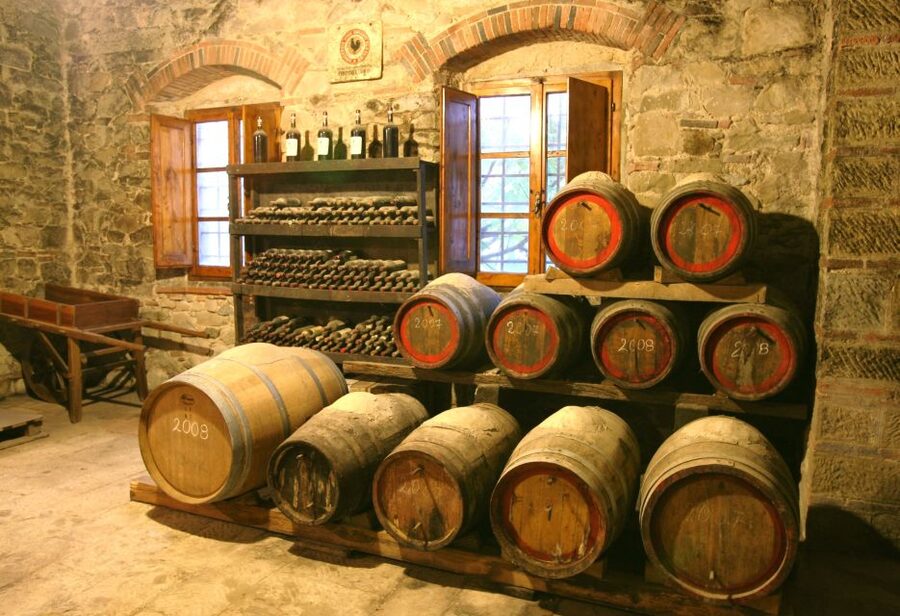
The most atmospheric stop is the small cellar dating back to the 18th century. Here, the wine is transferred into large French oak barrels, where it remains for six months as it develops its character.
This older room is less about machinery and more about time. The heavy barrels and low-key setting help explain why wine cannot be rushed from harvest to bottle. The oak is part of the aging process, and the six-month period gives you a concrete detail to remember when you later taste the wine.
I like this part because it brings the history of the farmhouse into the production story without turning the visit into a history lecture. You see an old cellar still being used for a modern agricultural business. That combination gives the tour its sense of authenticity.
The drawback is that the visit is brief. You will see the cellar and learn what happens there, but you should not expect a long technical lesson on grape varieties, barrel toast, or every stage of Chianti classification. If your main interest is serious wine education, a longer winery program may suit you better.
Smaller barrels and the amber Vinsanto
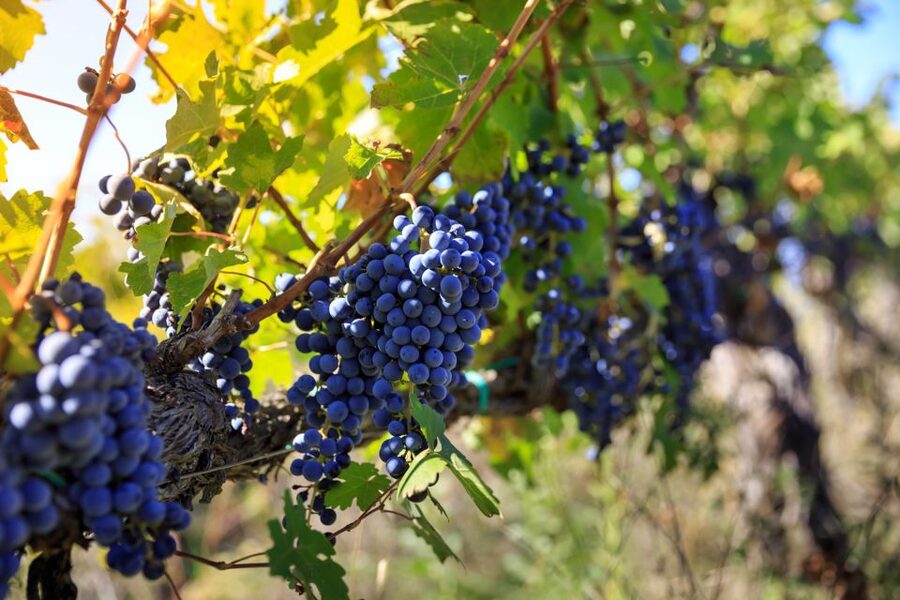
The same old cellar contains the little barrels used for Vinsanto, Tuscany’s amber-colored dessert wine. This is a welcome detail because it broadens the tasting beyond the better-known Chianti reds.
Vinsanto has a different role at the table. It is a sweet local wine traditionally associated with dessert, and its smaller barrels make it easy to spot during the cellar visit. Seeing where it is produced gives you a useful point of reference before you taste it, if it is included in the selection offered that day.
The tour description confirms a tasting of local wines and extra-virgin olive oil, but it does not promise a particular wine list or state that Vinsanto is always poured. Keep that in mind when booking. The cellar is part of the visit, while the exact tasting lineup may depend on what the farm chooses to serve.
Same groves, a different afternoon:
- Olive oil tasting in Sorrento
★ 5.0 · 434 reviews - Ostuni: Masseria tour among thousand-year-old olive trees with oil tasting
★ 4.8 · 261 reviews - Balestrate: Olive Grove Tour with Wines & Olive Oil Tasting
★ 5.0 · 241 reviews - Bardolino: Vineyard Tour with Wine, Olive Oil & Food Tasting
★ 4.6 · 221 reviews
The Orciaia and freshly pressed olive oil
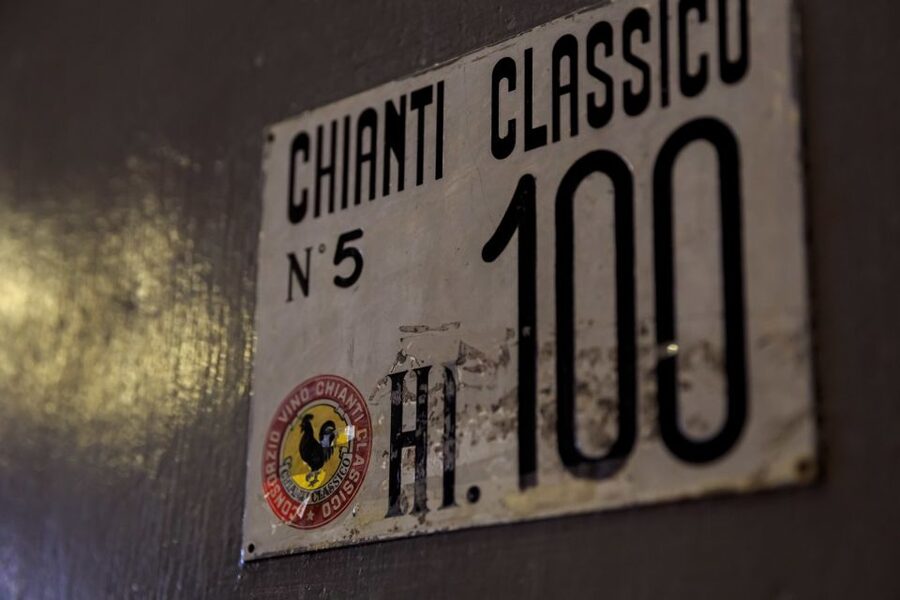
From the wine cellar, the tour moves to the farmhouse’s Orciaia. This is where extra-virgin olive oil is stored directly after harvesting and pressing.
For many visitors, the olive oil is a welcome change from the usual wine-only format. You learn that the farm’s work does not end with grapes. Olive oil has its own harvest and storage needs, and seeing the place where it is kept makes the tasting more meaningful.
Pay attention to how the oil is presented at the end of the visit. Good olive-oil tasting is not just about dipping bread and saying that it tastes nice. You can look for the oil’s freshness, peppery finish, and grassy character, though the supplied details do not specify the varieties or harvest dates served at Fattoria Santo Stefano.
The Orciaia also gives you a reason to think about seasonality. The oil is stocked after harvest and pressing, so availability and flavor may vary during the year. The tour does not promise a particular vintage or harvest timing, but the storage room shows that this is an agricultural product with a calendar of its own.
Wine, oil, and food in the small shop
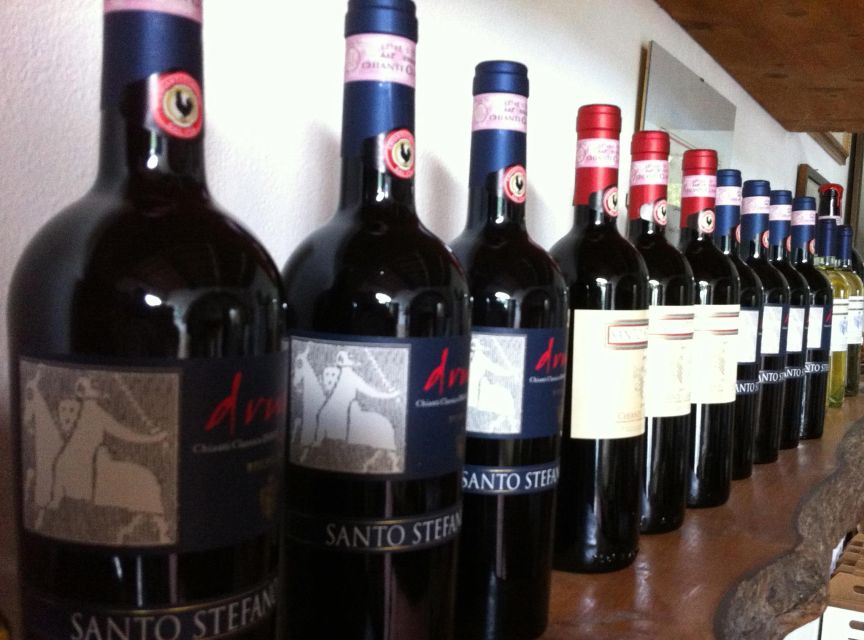
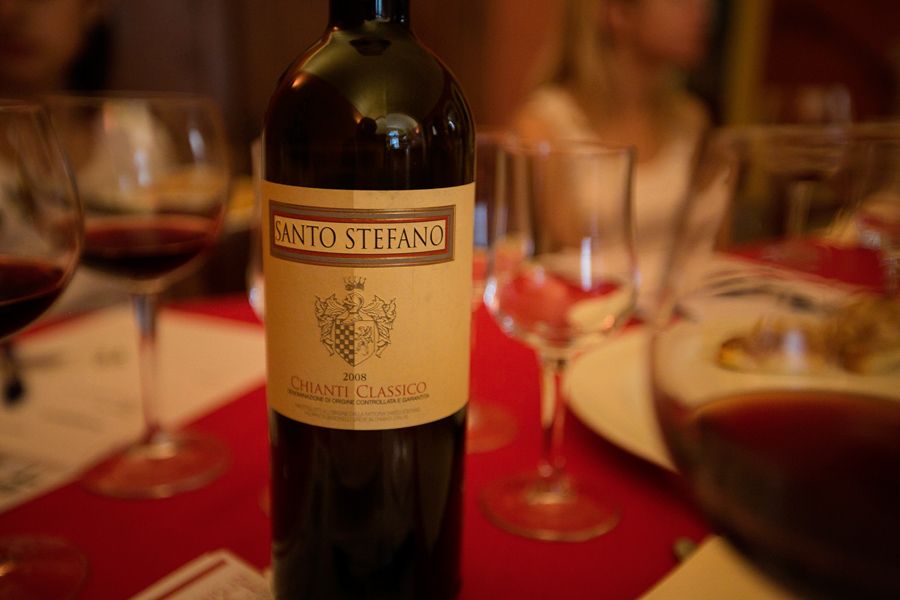
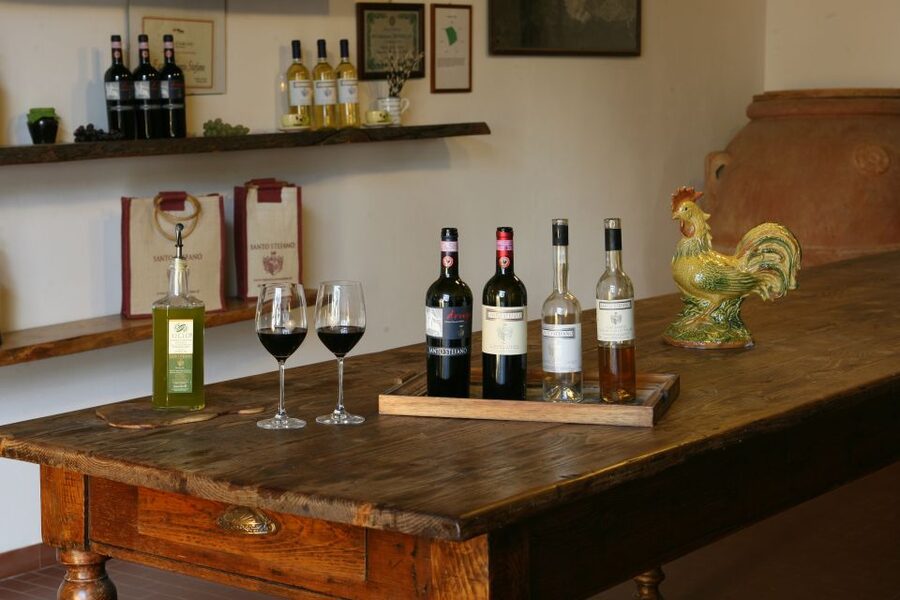
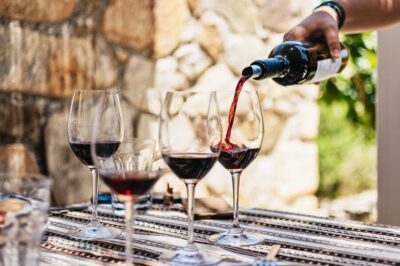
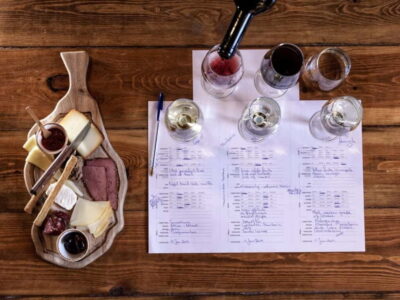
The tour finishes back in the small wine shop for the tasting. You’ll sample local wine varieties and extra-virgin olive oil, accompanied by local food.
That food is a real plus. A few bites make the tasting more useful because you can see how the wines and oil work with something to eat. It also keeps the experience from feeling like a quick sequence of pours. The food is described as local, but there is no fixed menu, so do not book this expecting a full lunch or dinner.
The tasting is where you can make the cellar stops practical. After seeing stainless steel tanks, cement vessels, French oak barrels, and the Vinsanto barrels, you can connect the production methods to what you taste. The format is simple, but it gives the hour a clear shape: introduction, cellar visit, olive-oil storage, then tasting.
Some tasting visits offer a large selection and encourage you to buy bottles. Here, the emphasis appears to be on a small, personal introduction. If you want a relaxed snack with wine and oil in a farmhouse setting, that works in the tour’s favor. If you want a long flight of wines with detailed notes for every bottle, the short schedule may feel limited.
What $39.86 gets you
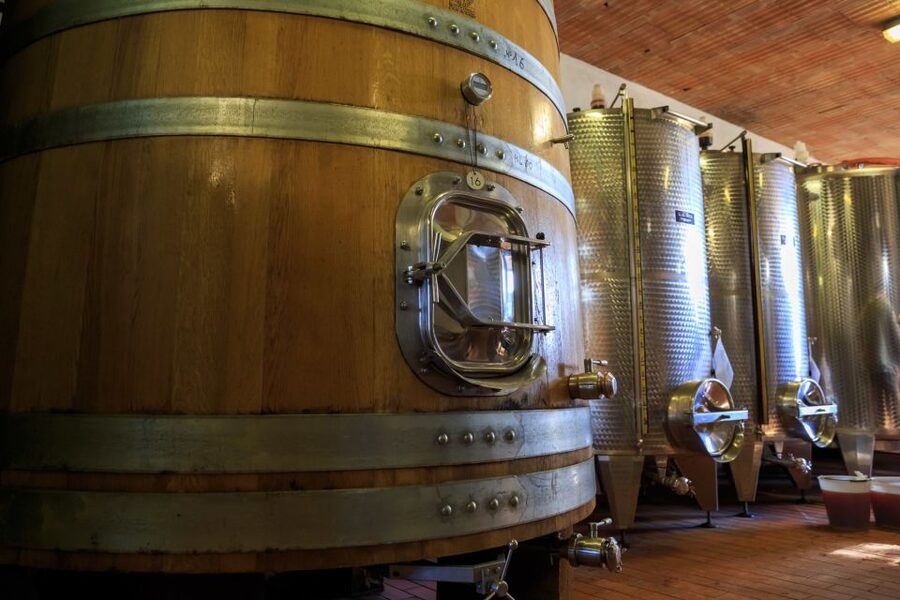
At $39.86 per person, this is a reasonable price for a one-hour visit that includes a cellar tour, wine tasting, olive-oil tasting, and local food. You are paying for more than a glass of wine, but less than a half-day winery outing with transportation and several estates.
The value is strongest if you are already in the Greve in Chianti area and can reach the farm on your own. Since transport is not included, the total cost may be higher if you need to arrange a transfer. Compare the price with your plans for the day, not just the ticket amount.
A private-group format also affects the value. You may have the guide’s attention for your own questions rather than being part of a large crowd. One booking had no other participants, creating an especially personal visit. You cannot count on having the place entirely to yourself, but the small scale is part of the appeal.
The one-hour length keeps the commitment easy. You can fit the visit between other stops in Chianti, and it will not consume an entire afternoon. The tradeoff is that you will not have much time to linger over the tasting, walk widely around the property, or compare a large range of wines.
Who will enjoy this farmhouse tasting
I would recommend this experience to you if you want a short introduction to Chianti wine with a clear connection to the farm that produces it. It suits couples, small private groups, and anyone who prefers a working farmhouse to a large commercial winery.
It is also a good choice if olive oil matters as much to you as wine. Many tastings treat oil as an afterthought. Here, the Orciaia is a specific stop, and the oil is part of the final tasting alongside local food.
Families or mixed-interest groups may find the format useful too. Someone who is curious about cellars can focus on fermentation and aging, while someone less interested in technical wine details can look forward to food, oil, and the farmhouse setting.
You may want a different experience if you need transportation from Florence, want a full meal, or hope to spend several hours comparing many producers. Those needs are not covered by the basic one-hour visit. This is a focused stop, not a full-day wine route.
Practical details for planning your visit
The activity lasts one hour, with starting times shown when you check availability. It begins and ends at Fattoria Santo Stefano, Via Collegalle 3, 50022 Greve in Chianti.
The tour is available in English and Italian. It is listed for private groups, which should make it easier to ask questions and keep the pace comfortable for your party. The activity includes the cellar tour and wine tasting. Olive oil and local food are part of the described final tasting, while transportation is separate.
Wear comfortable shoes. That is the only clothing advice provided, but it is sensible for a farm property and cellar visit. You should also remember that this is an agricultural site, so the character is rustic rather than highly formal.
Cancellation is flexible: you can cancel up to 24 hours before the start for a full refund. You can also reserve now and pay later, which helps if your Tuscan route is still changing.
The activity has a 4.9 rating from 35 reviews, with especially strong praise for the beautiful property, family-run atmosphere, wine, olive oil, and generous food served during the tasting. One booking became a private visit because no one else joined, and the party enjoyed strolling around the property afterward. That is a useful clue about the experience: the setting may encourage you to slow down, even though the scheduled tour itself is short.
Should you book Fattoria Santo Stefano?
Book it if you want an affordable, personal-feeling introduction to Chianti that combines wine, olive oil, food, and a historic cellar. The French oak barrels, Vinsanto casks, and Orciaia give the hour enough variety to feel like more than a basic tasting.
Skip it if you need included transportation, a full meal, or a long technical wine course. For everyone else, especially those driving through Greve in Chianti, this is a practical and well-priced farm stop. The best reason to choose it is the balance: you see how the wine and oil are made, then taste them in the same Tuscan setting.
FAQ
Where does the Chianti wine and olive oil tour begin?
The tour begins at Fattoria Santo Stefano, Via Collegalle 3, 50022 Greve in Chianti, Tuscany. It also ends back at the meeting point.
How long does the experience last?
The activity lasts one hour. Starting times are available when you check the booking calendar.
What languages are available?
The tour is offered with a live guide in English or Italian.
Is transportation included?
No. Transportation is not included in the standard activity, though it can be booked as an add-on.
What is included in the tasting?
The experience includes a cellar tour and wine tasting. The final tasting also features local wine varieties, extra-virgin olive oil, and local food.
Should I wear special clothing?
You should wear comfortable shoes for the tour. No other specific clothing requirement is provided.
Newest grove reviews around Italy
- Buti: Olive Oil Ancient Mill Tour and Tasting Experience★ 5.0 · 2 reviews
- Cagliari: Wine and Olive oil Experience + Oil Mill Museum★ 5.0 · 2 reviews
- Bevagna: Olive Oil Mill Tour with Guided Tasting★ 5.0 · 6 reviews
- Bari: narrated extra virgin olive oil tasting with aperitif★ 4.5 · 3 reviews
- Olive Mill Tour and Tasting in the Verona Countryside★ 5.0 · 9 reviews
- Extra Virgin Olive Oil Experience★ 4.5 · 3 reviews
- Private wine, Extra Virgin Olive Oils & Cheese Tasting★ 4.0 · 12 reviews
- San Gimignano: Winery Visit with Picnic in Olive Grove★ 5.0 · 3 reviews
Olive Oil and Wine Tastings, compared.
Sorrento Farm and Food Experience including Olive Oil, Limoncello, Wine tasting
Read our review →
Krka Waterfalls With Boat Cruise, Wine and Olive Oil
Read our review →
Lemon, Olive Oil and Wine Tasting Tour with Lunch
Read our review →
Browse the lists this tour appears in