
Review · BARI OLIVE OIL TOURS
Bari: narrated extra virgin olive oil tasting with aperitif
Bari’s olive oil tasting is more than a snack stop. You sit with an expert, taste three extra virgin oils by the glass, and learn why one oil tastes grassy, another peppery, and another soft and fruity. The best part is using food to test the oils, including seasonal vegetables, legumes, bread, and sweet pairings.
I like the private gastronomic lounge and the small group limit of 10. I also like that the tasting connects each oil to Puglia’s olive-growing regions and biodiversity, rather than treating the bottle as just another souvenir. The main drawback is the food restriction: this experience is not suitable for people with gluten intolerance or nut allergies, and children under six cannot attend.
Key points to know before booking
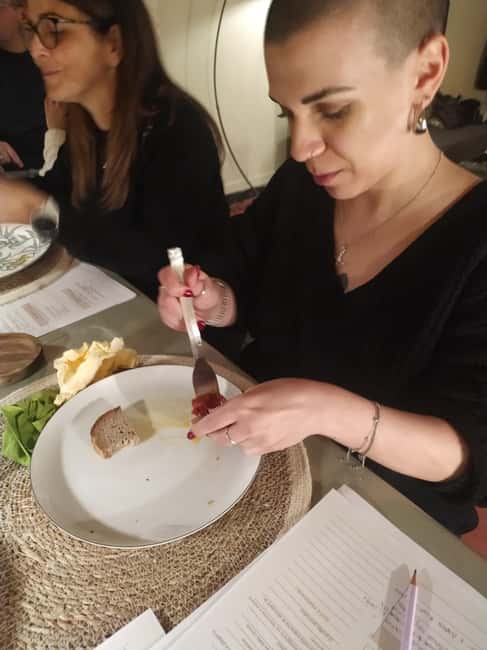
- Three oils, tasted like a professional: You learn how to assess quality through aroma and flavor, not just color.
- Seasonal sweet and savory pairings: Bread, vegetables, legumes, and other foods show how the oils behave at the table.
- A quiet central Bari setting: The tasting takes place in a private gastronomic lounge rather than on a large sightseeing route.
- Up to 10 people: The group size leaves room for questions and personal guidance.
- Wine, a non-alcoholic drink, and coffee included: Extra wine and bottled water cost more.
- Strong food restrictions apply: Vegetarian and vegan choices are available, but gluten intolerance and nut allergies are listed as exclusions.
Why this Bari tasting is worth two hours
Puglia is one of Italy’s great olive-growing regions, and olive oil is part of daily life here. It appears on bread, vegetables, beans, pasta, and countless simple dishes. Yet most people taste it without knowing what they are looking for.
This experience gives you a practical way to pay attention. Instead of merely pouring oil over bread, you learn to notice its aromas, texture, bitterness, and peppery finish. Those details help you understand why two bottles labeled extra virgin can taste very different.
I like the focus on three oils. Three is enough to make comparisons without turning the session into a long technical class. You can taste one oil, form an impression, then try the next and see how the fruitiness, bitterness, or heat changes.
The two-hour length also feels well judged. You have time for explanation, tasting, food pairings, conversation, wine or a soft drink, and coffee. It is long enough to feel substantial, but short enough to fit into a day of exploring Bari.
More Olive Oil Tours around Italy:
- Sorrento Farm and Food Experience including Olive Oil, Limoncello, Wine tasting
★ 5.0 · 2,524 reviews - Olive oil tasting in Sorrento
★ 5.0 · 434 reviews - Sorrento: Lemon, Olive Oil and Wine Tasting Tour with Lunch
★ 5.0 · 300 reviews
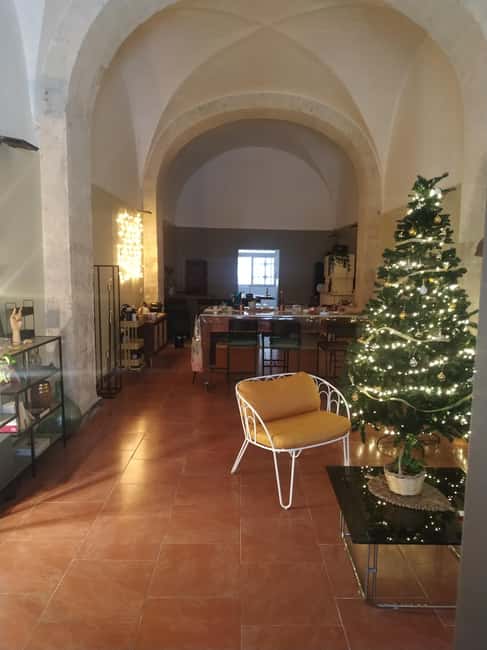
Entering the private gastronomic lounge in central Bari
The experience takes place in a welcoming private setting in Bari’s city center. The exact meeting point and starting time depend on availability, so check those details before booking.
The room is described as a real gastronomic lounge, which tells you what sort of afternoon or evening to expect. This is not a quick market sample or a standing tasting at a busy food stall. You sit down and give your attention to the oil, the food, and the explanation.
That setting matters. Olive oil has small differences that are easy to miss when you are distracted or moving from one attraction to the next. A seated tasting gives you time to smell the oil, taste it on its own, then try it with food.
The group can include no more than 10 people. That is small enough for an informal feel and should make it easier to ask why one oil feels more bitter or why another works better with a particular ingredient. If you prefer quiet, personal experiences over large cooking demonstrations, this format should suit you well.
The host may be Elisabetta or Isabelle. Feedback connected with the experience describes Elisabetta as warm and relaxing, while Isabelle is praised for her welcoming manner and clear explanations. Since hosts can vary, you should confirm the language and host when you reserve if that matters to you.
Tasting three Apulian oils by the glass
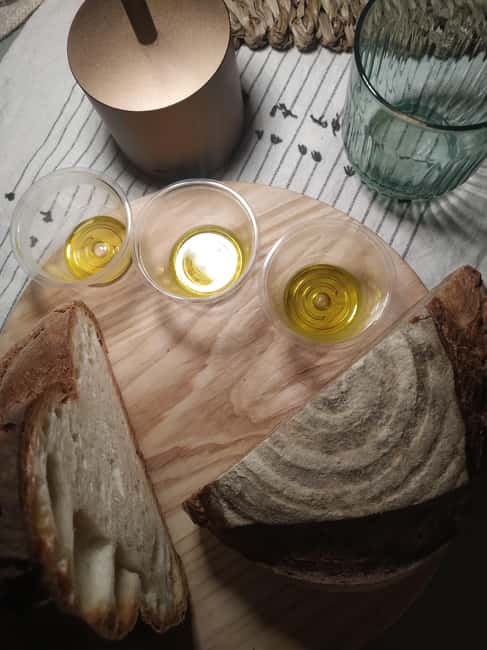
The central activity is a guided tasting of three extra virgin olive oils. You do not simply dip bread into each one and pick your favorite. The expert shows you how to taste in a more careful way.
You will likely consider the oil’s aroma first, then its flavor and finish. The point is to identify positive qualities and possible faults. A good extra virgin olive oil can have fruitiness, bitterness, and a peppery sensation, all in different amounts.
The phrase by the glass is important because it signals a proper tasting method. Olive oil is usually served in small blue tasting glasses by professionals, though the exact glassware is not specified here. The color of oil can influence your judgment, so a formal tasting often places more weight on scent and taste than appearance.
You will hear about the production areas and the biodiversity of Puglia’s olive-growing territory. This adds useful context to the tasting. Different local conditions and olive varieties can help explain why oils from different areas do not all taste alike.
Do not expect a full agricultural tour or a visit to an olive farm. The available information points to a city-center tasting with stories about the region, not transportation into the countryside. That makes it convenient, but it also means the experience is about tasting and interpretation rather than seeing the harvest firsthand.
Seasonal pairings that make the lesson practical
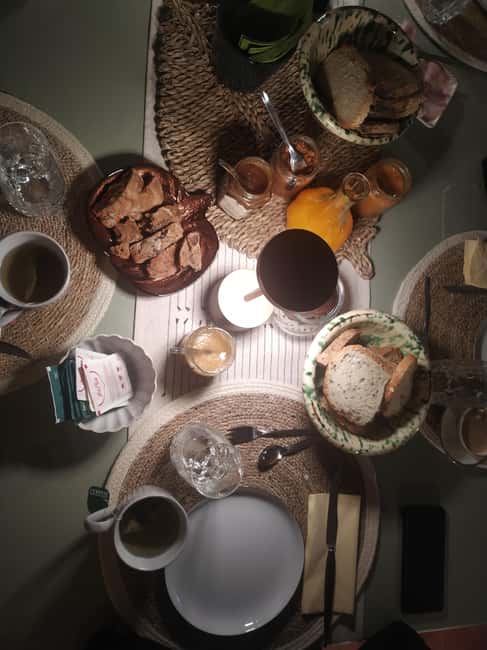
The food is not an afterthought. You will eat sweet and savory appetizers designed to show how the oils work with other flavors.
Expect excellent bread, seasonal vegetables, and legumes. These are simple foods, but that is part of the point. Mild ingredients let you notice what the oil contributes. A peppery oil may change the character of vegetables, while a softer oil may suit a sweeter or more delicate bite.
The pairings include unusual combinations, both sweet and savory. The exact menu changes with the season, so you should not book this expecting a fixed list of dishes. Instead, think of the food as a tasting tool. You are learning not only which oil tastes good on its own, but which oil makes sense with a particular ingredient.
This is one of the strongest parts of the experience for anyone who likes food but does not want a full cooking class. You get enough guidance to take the lesson home. Afterward, you should have a better idea of how to use a more bitter oil, a fruity oil, or a strongly peppery oil in your own meals.
Vegetarian and vegan options are available. You still need to report dietary preferences, intolerances, or sensitivities when booking. The stated restrictions are important: the experience is not suitable for people with gluten intolerance or nut allergies, even though other dietary requests can be discussed.
Same groves, a different afternoon:
- Alghero: Wine and Olive Oil Tasting at a Local Farm
★ 4.8 · 294 reviews - Ostuni: Masseria tour among thousand-year-old olive trees with oil tasting
★ 4.8 · 261 reviews - Balestrate: Olive Grove Tour with Wines & Olive Oil Tasting
★ 5.0 · 241 reviews - Bardolino: Vineyard Tour with Wine, Olive Oil & Food Tasting
★ 4.6 · 221 reviews
What the regional stories add to the tasting
Puglia’s olive oil is tied closely to place. During the session, the expert explains the area’s olive-growing biodiversity and production zones. That moves the experience beyond a generic food sample.
You will hear about the territory while tasting oils connected with it. This pairing of story and flavor helps you remember the differences. A name on a bottle is easy to forget. A peppery finish connected with a particular explanation is much easier to recall when you shop later.
The discussion also helps you understand quality. Extra virgin is a legal category, not a promise that every bottle will taste equally good to you. The session teaches you to recognize characteristics that suggest quality, and to separate personal preference from defects.
That is useful in Italy, where supermarket shelves and specialty shops can offer a wide range of oils. After the tasting, you may still prefer a mild oil to a forceful one, but you will have better reasons for choosing it.
Wine, coffee, and the pace of the afternoon
Your tasting includes one glass of wine or one non-alcoholic drink, plus coffee. This gives the session the shape of a relaxed aperitif rather than a strict classroom lesson.
The wine can help make the experience feel social, while the non-alcoholic option keeps it comfortable for people who do not drink. Additional wine and bottled water are not included, so plan for possible extra charges if you want more than the listed serving.
Coffee at the end gives the two-hour session a natural finish. It also means you are not paying only for three small samples of oil. You are receiving a guided tasting, food pairings, drinks, and a regional food lesson in one sitting.
I would not book this mainly for a large meal. The description promises appetizers and tasting portions, not lunch or dinner. If you arrive hungry, you may want to plan another meal before or after. The value is in the instruction and the carefully chosen combinations, not in the quantity of food.
Who will get the most from the $88 price
At $88 per person, this is not a cheap aperitif. It makes the most sense for people who value expert guidance, a small group, and a food experience with a clear regional focus.
The price includes two hours, three oils, sweet and savory food, one glass of wine or a non-alcoholic drink, and coffee. You are also paying for the setting and the expert’s explanations. Compared with buying three bottles and sampling them without guidance, the organized format can be worthwhile if you want to understand what you are tasting.
I see the best value for food-minded visitors, couples, and small groups who want something beyond Bari’s major sights. It can also suit a person who is building an interest in Italian ingredients and wants practical advice before buying oil to take home.
The value is weaker if you only want a quick local drink or a generous meal. It is also a poor fit if your main interest is seeing olive trees, an oil mill, or the harvest in the countryside. None of those elements is part of the stated plan.
The small group helps justify the cost. With a maximum of 10 people, the session should feel more personal than a large commercial tasting. The experience is also offered in English, Italian, and French, which makes it easier to follow for many international visitors.
Timing, comfort, and restrictions
The experience lasts two hours, with starting times based on availability. It can fit well between sightseeing plans, but leave enough time to reach the city-center meeting place without rushing.
You are asked to be in good health, and you should provide details about dietary preferences, lactose intolerance, other intolerances, or sensitivity to allergens such as nuts. The stated restrictions are unusually firm: no children under six, no unaccompanied minors, no people over 287 pounds or 130 kilograms, no people with gluten intolerance, and no people with nut allergies.
Vaping and chewing gum are not allowed. Insect repellent is also listed among the prohibited items, so follow the provider’s instructions rather than assuming a casual food tasting has no rules.
Some content may be presented in its original language. If you need every explanation in a particular language, confirm that before booking. English, Italian, and French are listed as available languages.
Cancellation is flexible up to 24 hours before the start time for a full refund. You can also reserve now and pay later, which helps if your Bari schedule is still shifting.
How this compares with a typical food tour in Bari
A standard Bari food walk usually gives you movement, several stops, and a broad sample of local dishes. This olive oil experience takes the opposite approach. You stay in one place and focus closely on one ingredient.
That narrower focus is its strength. You have time to compare three oils and understand how they behave with bread, vegetables, legumes, and sweet foods. The session is less about collecting bites and more about learning how to taste.
It is also a good choice on a hot day or after a morning of walking. You do not need to follow a guide through the streets for two hours. You can sit in a private setting and let the food lesson unfold at an easy pace.
On the other hand, you will not see much of Bari during the session. If you want architecture, street life, or a moving introduction to the city, choose a walking tour instead. This experience is best treated as a focused food appointment.
What I would ask before reserving
I would confirm the meeting address, the starting time, and which host will lead the session. The names Elisabetta and Isabelle are associated with the experience, but the host may depend on the date.
I would also ask about the seasonal menu if anyone in your party has a dietary concern. Vegetarian and vegan options are available, but gluten intolerance and nut allergies are listed as reasons not to book. Do not assume those restrictions can be handled at the last minute.
If you want more than one glass of wine or need bottled water, budget for those separately. And if you are hoping for a full meal, ask yourself if appetizers will be enough. The format is a tasting with an aperitif, not a restaurant dinner.
Should you book this Bari olive oil tasting?
I would book it if you enjoy food, prefer small groups, and want to understand one of Puglia’s defining products rather than simply sample it. The three-oil comparison, seasonal pairings, and regional stories give the experience a clear purpose.
I would skip it if you have a gluten intolerance or nut allergy, need a child-friendly activity, or want an olive farm visit. I would also choose another option if you are looking for a full meal.
For the right person, the $88 price is reasonable because it covers instruction, three oils, food, a drink, coffee, and two hours in a private setting. You should leave with more than a pleasant aperitif. You should also know what to look for the next time you buy Apulian olive oil.
FAQ
How long does the olive oil tasting last?
The experience lasts two hours.
How many olive oils will I taste?
You will taste three extra virgin olive oils by the glass, using a professional-style tasting approach.
What food is included?
The tasting includes sweet and savory appetizers, such as bread, seasonal vegetables, and legumes, paired with the oils.
Is a drink included?
Yes. You can have one glass of wine or one non-alcoholic drink, as well as a coffee. Additional wine and bottled water are not included.
Are vegetarian and vegan options available?
Yes, vegetarian and vegan options are available. You should provide details about dietary preferences, intolerances, and food sensitivities when booking.
Is this experience suitable for children or people with food allergies?
Children under six and unaccompanied minors cannot attend. The experience is also not suitable for people with gluten intolerance or nut allergies.
Newest grove reviews around Italy
- Buti: Olive Oil Ancient Mill Tour and Tasting Experience★ 5.0 · 2 reviews
- Cagliari: Wine and Olive oil Experience + Oil Mill Museum★ 5.0 · 2 reviews
- Bevagna: Olive Oil Mill Tour with Guided Tasting★ 5.0 · 6 reviews
- Olive Mill Tour and Tasting in the Verona Countryside★ 5.0 · 9 reviews
- Extra Virgin Olive Oil Experience★ 4.5 · 3 reviews
- Private wine, Extra Virgin Olive Oils & Cheese Tasting★ 4.0 · 12 reviews
- San Gimignano: Winery Visit with Picnic in Olive Grove★ 5.0 · 3 reviews
- Soap and Olive Oil Experience★ 5.0 · 8 reviews
Bari Olive Oil Tours, compared.
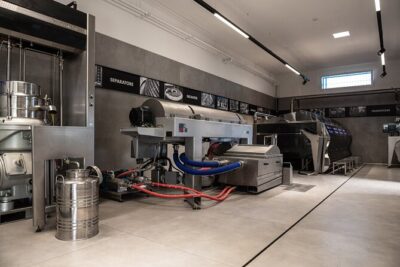
Olive Oil Private Tour and Extra Virgin Olive Oil Tasting in Altamura
Read our review →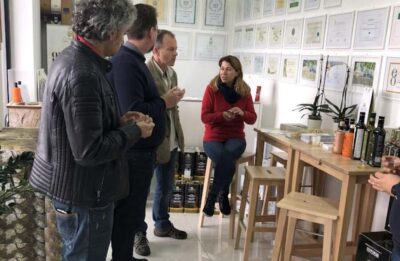
Olive Oil Mill Tour with Tasting near Molfetta & Bari
Read our review →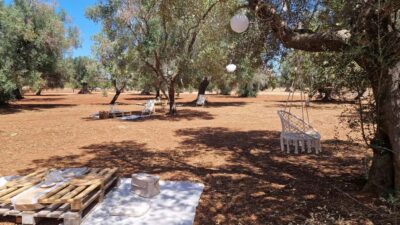
San Vito dei Normani: Organic Picnic in Olive Grove
Read our review →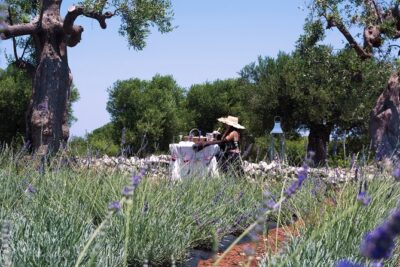
Browse the lists this tour appears in