
Review · OLIVE MILL AND FACTORY TOURS
Olive Oil Mill Tour with Tasting near Molfetta & Bari
The best part of this 75-minute visit is the close look at how extra virgin olive oil is made, from newly delivered olives to storage and bottling. You meet the mill master, hear the family story, and finish with a guided tasting that helps you tell good oil from ordinary oil. I especially like the clean, carefully controlled storage cellar and the chance to compare olive varieties. The main catch is timing: outside the active harvest, the machinery may be still and the trees may not be part of the visit.
- A family-run mill near Molfetta and Bari with a personal welcome and a focus on tradition.
- A production-to-bottle explanation covering harvest, processing, storage, and bottling.
- A professional EVO tasting designed to teach quality, not just offer a snack.
- A controlled-atmosphere cellar where the finished oil is kept.
- English and Italian tours, with guide Carla praised for taking time with questions.
- Harvest timing matters, since September visits may find empty equipment and no olives on site.
What the Molfetta Olive Mill Visit Is Really About
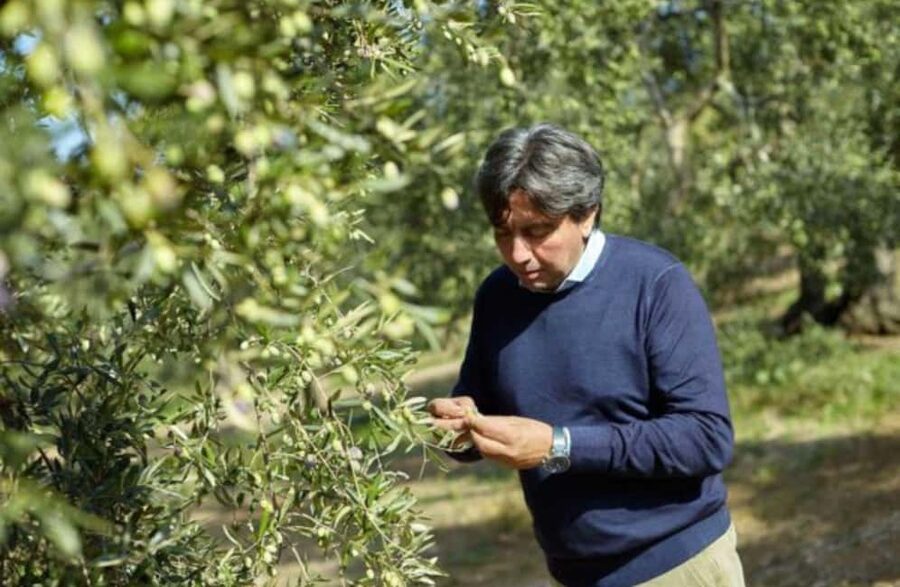
This is not a countryside walk through Apulia’s olive groves. It is a working mill and visitor-center experience focused on the production side of the business.
That distinction matters. If you want rows of old olive trees, outdoor scenery, or a hands-on harvest, this may feel limited. If you want to understand what happens after olives arrive at the mill, the visit gives you a useful look at the less visible side of Apulian food culture.
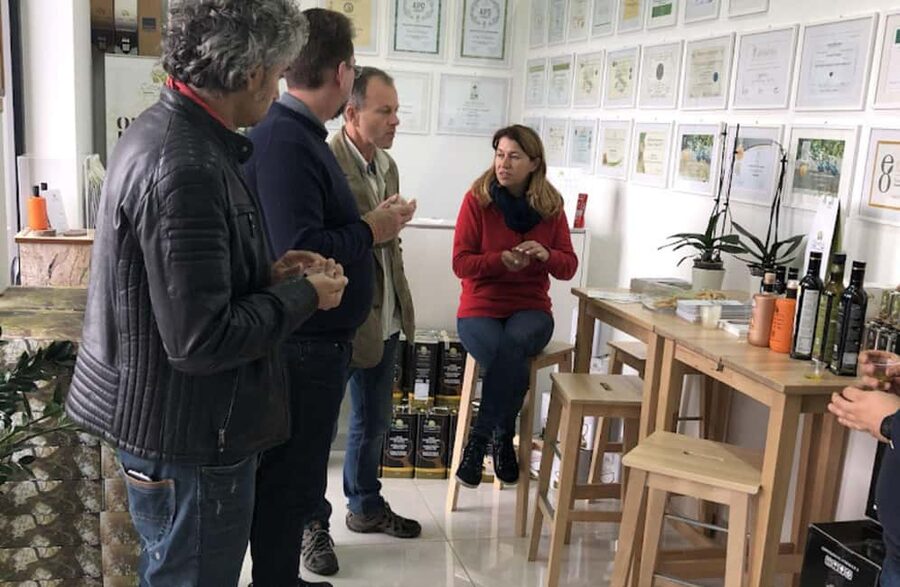
The mill is family-run, and the tone is meant to be warm rather than formal. You begin in a comfortable setting with espresso, then meet the person who oversees the oil-making process. The family’s origins, values, and approach to environmental care are part of the story, so the visit connects the machinery to a living business rather than treating olive oil as a generic souvenir.
I like that balance. A bottle of oil on a shop shelf tells you very little. Seeing the production areas and storage conditions gives you a better sense of the care involved, even if the machinery is not operating during your visit.
Starting With a Welcome and Espresso

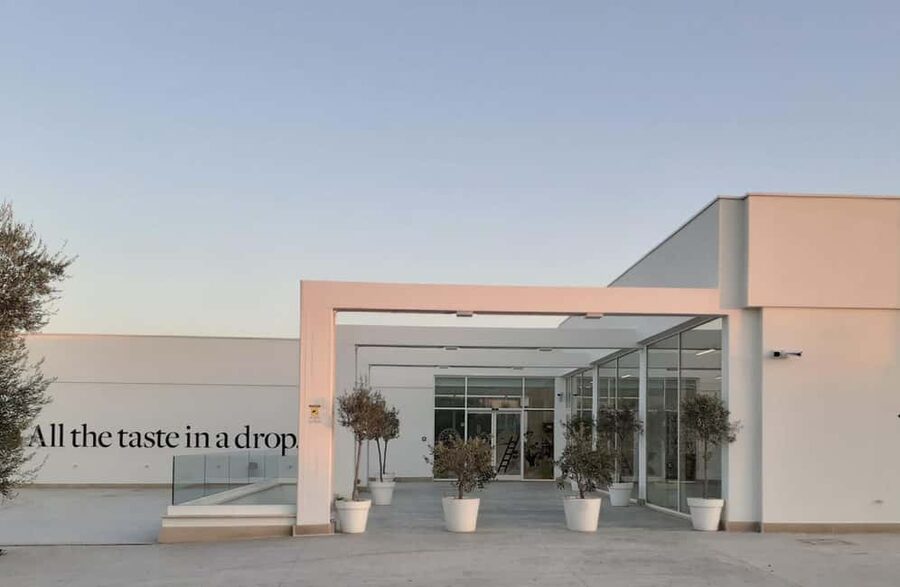
The tour begins at Ciccolella, the stated meeting point. Transportation to the mill is not included, so you need to make your own way there. That is easy to overlook when planning a day around Bari or Molfetta.
The opening welcome is designed to feel like a visit to a family business, not a large industrial attraction. You can expect espresso and an introduction to the mill master or host. The available tour languages are English and Italian.
One guide named in the experience is Carla. Her role is especially useful for visitors who want a careful explanation rather than a quick walk-through. She has been praised for explaining each stage clearly and for taking time with the group.
The opening conversation also gives you a chance to ask the question that matters most: what is happening at the mill on the day of your visit? Ask if olives are being processed, if the production line is running, and if outdoor trees or gardens can be shown. This simple check can make a large difference to your expectations.
More Olive Mill and Factory Tours in Italy
- Bardolino: Lake Garda Oil Mill Tour with Olive Oil Tasting
★ 4.9 · 205 reviews - Lecce to Galatina E-Bike: Olive Mill & Wine Tasting + Taxi back
★ 5.0 · 54 reviews - Olive Oil Tour Visit to the oil mill and olive oil tasting
★ 5.0 · 53 reviews
Following Olives From Harvest to Bottle
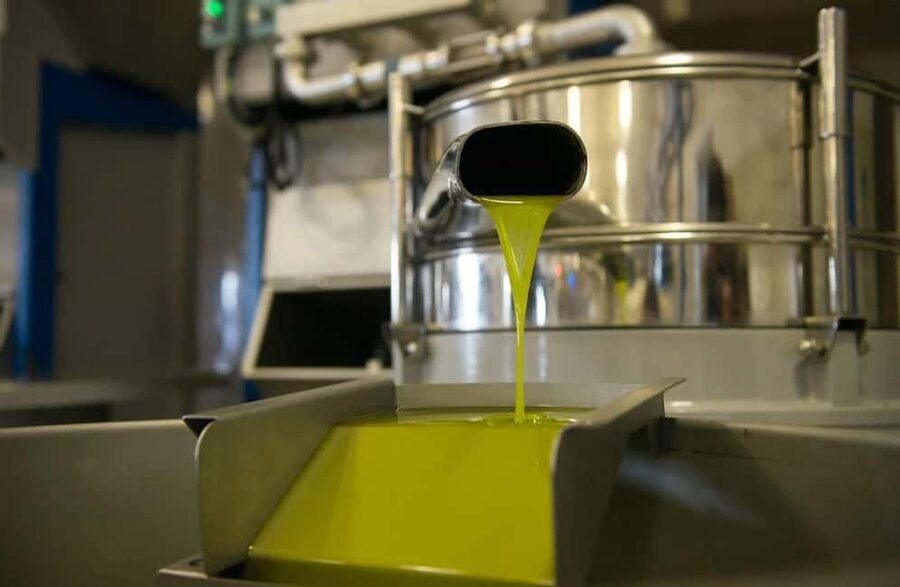
The main guided portion lasts about 35 minutes. You move through the visitor center and production areas while the guide explains the path from harvested olive to finished oil.
The key value here is process. You learn about the arrival of freshly picked olives, the work needed to turn them into oil, and the care required before bottling. The explanation is meant to cover the full chain rather than just focus on the tasting at the end.
I find this useful because extra virgin olive oil is often judged only by its label or price. A mill visit helps you understand that quality depends on what happens throughout production and storage. The guide also introduces the mill master’s methods and the family’s own approach to making oil.
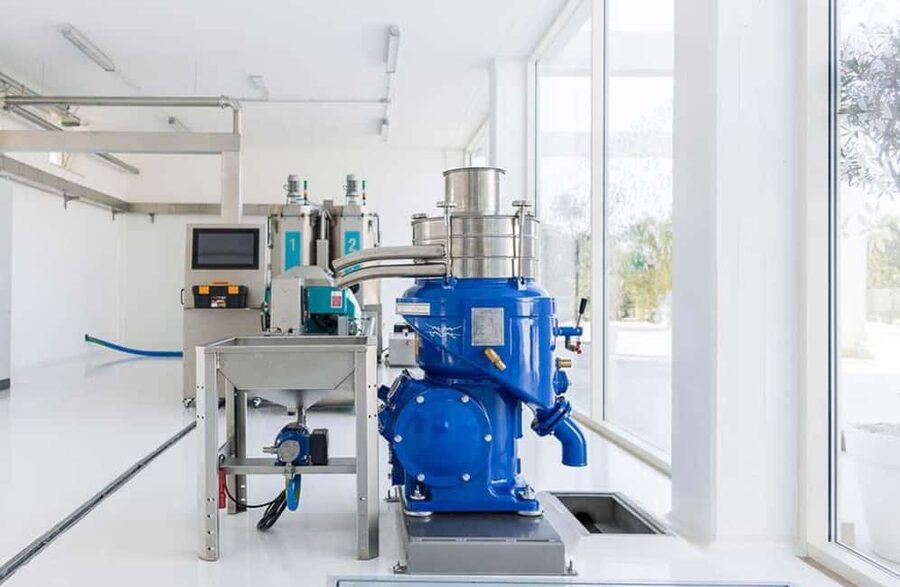
Do not expect a full operating demonstration every time. One September visit found the harvest had not yet begun, leaving empty production equipment and barrels on display. That is a serious limitation if you have pictured olives moving through the machinery.
The timing is not always predictable from the calendar alone. Weather, harvest conditions, and the mill’s schedule affect what you see. September can be too early for an active production scene, while later dates may offer a better chance of seeing the process in operation. Still, you should confirm before paying if the working machinery is important to you.
Seeing the Storage Areas and Controlled Cellar
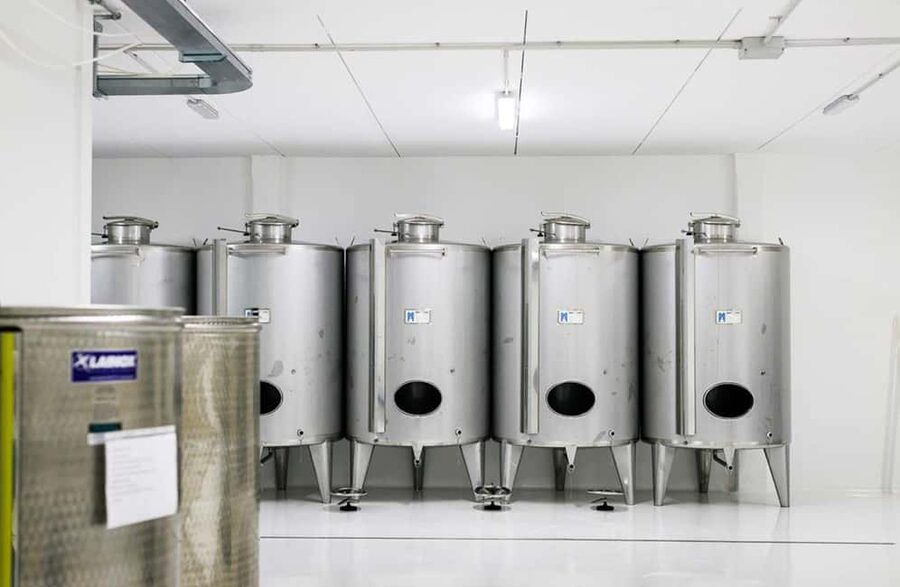
The storage section is one of the more distinctive parts of the visit. You see where the finished oil is held, including a controlled-atmosphere cellar designed to protect the extra virgin olive oil.
This is where the tour moves beyond the familiar image of olives being pressed. Storage is not a decorative afterthought. The finished oil must be protected, and the guide explains the mill’s care in maintaining its quality before bottling.
One visitor described the facility as exceptionally clean, comparing its appearance to a pharmaceutical or aerospace plant. That description gives you a good practical expectation: this is a tidy production site, not a rustic shed with a few old tools.
For me, that clean, controlled setting adds real value. It shows the modern side of Apulian olive oil production while the family story keeps the experience connected to tradition. The result is a more balanced picture than the usual image of a farmer and an ancient tree.
You also hear about the family’s origins and its commitment to sustainability and environmental respect. The experience does not present tradition as a reason to ignore modern standards. Instead, it links family methods with careful handling and controlled storage.
Learning How to Taste Extra Virgin Olive Oil
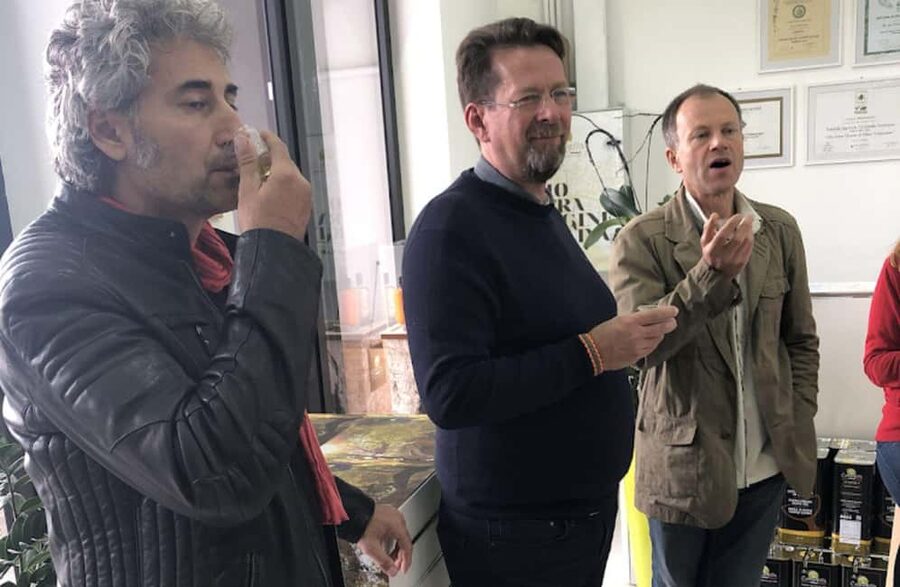
The second part of the visit lasts about 50 minutes and includes the food tasting. The focus is a professional olive oil tasting, not simply dipping bread into a bowl and calling it lunch.
The guide teaches you how to distinguish high-quality oil from lesser varieties using expert tasting methods. You learn to pay attention to aroma and flavor, then taste freshly produced EVO as a sensory exercise.
That lesson is worth taking seriously. Many people buy olive oil by bottle shape, country name, or attractive wording on the label. A guided tasting gives you a more useful tool: your own senses. You begin to notice how different olive varieties can produce different tastes.
The tasting has also drawn a fair criticism. One visitor hoped for more oil varieties and bread to accompany them. That tells you what this experience does and does not offer. It is primarily an educational tasting, not a large food spread or a full meal.
I would plan to eat beforehand if you need lunch. The listed inclusions are the tasting and espresso, not a broad selection of local dishes. The modest food element may disappoint someone expecting bread, cheese, and several regional products, but it suits a short lesson focused on oil itself.
The mill also sells different products on site. That gives you a chance to buy something after you have learned more about what you are tasting. I would wait until the end rather than shop first, since the tasting may help you decide which oil suits your own preferences.
Same groves, a different afternoon:
- Sorrento Farm and Food Experience including Olive Oil, Limoncello, Wine tasting
★ 5.0 · 2,524 reviews - Olive oil tasting in Sorrento
★ 5.0 · 434 reviews - Sorrento: Lemon, Olive Oil and Wine Tasting Tour with Lunch
★ 5.0 · 300 reviews - Alghero: Wine and Olive Oil Tasting at a Local Farm
★ 4.8 · 294 reviews
Why the Harvest Season Can Change the Experience
The most important practical issue is the date of your visit. Olive oil production is seasonal, and the mill may not be processing olives when you arrive.
This experience can be offered before the machinery is running. In that case, you may see empty tanks, barrels, and production equipment rather than a busy mill. One visitor felt that the lack of olives, trees, and active machinery made the tour poor value.
That criticism is fair. The promotional idea of olive oil production naturally creates an image of fruit arriving, equipment operating, and workers turning olives into oil. If none of that is happening, the visit becomes a facility tour and tasting instead.
At the same time, the facility itself remains part of the story. You can still hear how production works, explore storage areas, and taste the oil. The issue is not that the tour has no content outside harvest. It is that the content changes, and you should know that before booking.
My advice is simple: ask the provider what will be operating on your date. Ask specifically about active production, visible olives, access to olive trees, and the number of oils planned for tasting. The answers will tell you if the visit matches your interests.
Rain can also affect the outdoor element. A visit in wet weather did not include the trees. Since the main program is indoors, rain does not necessarily cancel the tour, but it can remove any outdoor portion.
Is $42 a Good Value?
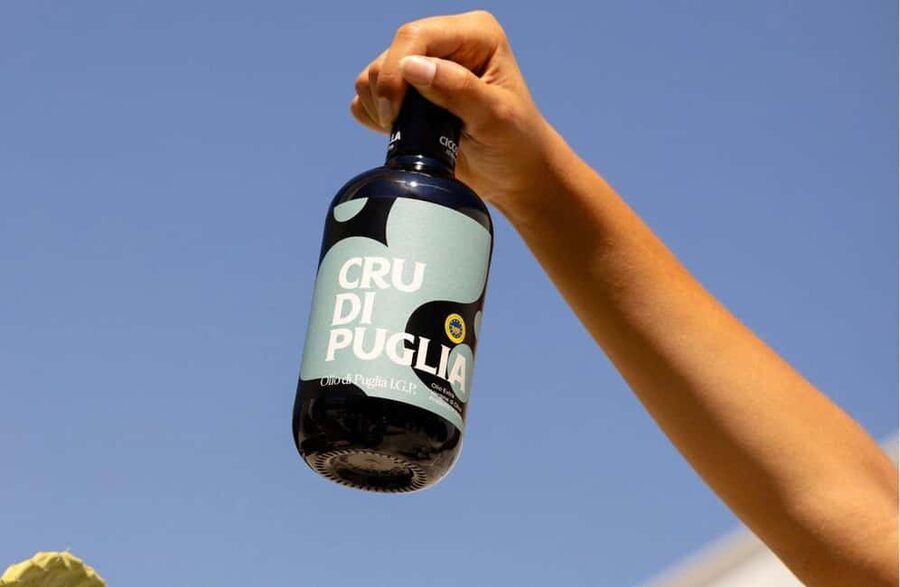
At $42 per person, the price is reasonable if you treat this as a guided food and production lesson. You receive a 75-minute visit, a tour of the mill, an explanation from the producer, access to storage areas, a professional tasting, and espresso.
I would call it fair value for someone who wants context before buying Apulian olive oil. The cost covers more than a sample at a shop, and the family-run setting gives you a direct connection to the people behind the product.
The value drops if you are mainly paying to see working machinery or olive trees. A quiet mill with empty equipment can feel expensive, especially when the visit is short and the tasting includes only a limited range of oils.
This is why I would not judge the price separately from the season. During active production, the visit may feel like a close look at a real food operation. Outside that period, it works better as an educational tasting and facility visit.
The tour allows free cancellation up to 24 hours before the start and offers reserve-now, pay-later booking. Those options help if your schedule around Bari is still changing, but they do not remove the need to confirm the seasonal program.
Who Will Get the Most From This Visit?
I would recommend the tour to people who enjoy food traditions, small family businesses, and the practical details behind products they buy. It suits couples, families with older children, and anyone building a food-focused day around Bari or Molfetta.
It is also a good fit if you have never had a formal olive oil tasting. The lesson can change how you shop for oil once you return home, and the comparison between varieties gives the tasting a clear purpose.
People with mobility concerns should note that the experience is listed as wheelchair accessible. Comfortable shoes and comfortable clothing are still sensible for moving through the mill.
I would be more cautious if your main aim is an outdoor farm visit. The available information does not promise a walk among olive trees, and the experience can remain indoors. I would also look elsewhere if you want a full meal, extensive food pairings, or a long countryside excursion.
The short duration is both a strength and a weakness. Seventy-five minutes fits neatly into a day of sightseeing and leaves time for Molfetta, Bari, or another stop. It also means the tour cannot cover every part of olive growing, milling, and regional cuisine in great detail.
A Practical Plan for Your Visit
Before booking, check four things:
- Ask if the olive harvest or mill production will be active on your date.
- Ask if olive trees or outdoor areas will be included.
- Ask how many oils will be tasted and whether bread or other food is provided.
- Plan transportation to Ciccolella, since it is not included.
Wear comfortable shoes and clothes. The tour is accessible for wheelchair users, but the provider’s precise route details are not given, so you can confirm any specific access needs in advance.
Keep the visit focused. Listen during the production explanation, ask about storage, and use the tasting to compare rather than simply sample. The most useful souvenir may be the ability to recognize the qualities you prefer in extra virgin olive oil.
Should You Book This Olive Mill Tour?
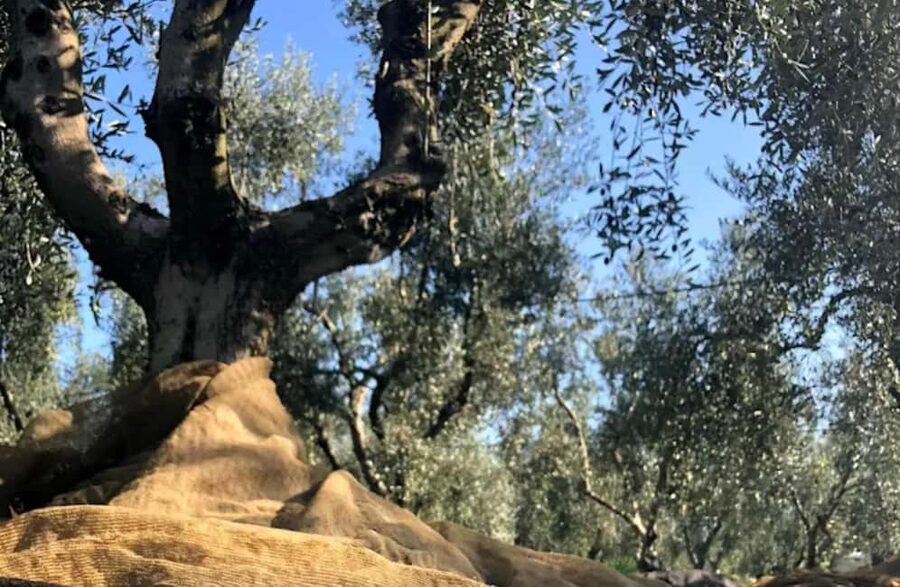
Book it if you want a short, personal introduction to Apulian olive oil, especially if meeting a family producer and learning how to taste EVO matter more to you than seeing a full harvest in action. Carla’s patient style, the very clean facility, the controlled cellar, and the production-to-bottle explanation are strong points.
Hold off or confirm carefully if you are visiting in September or another quiet period and expect to see olives, running machinery, or olive groves. The tour can still offer a useful tasting and an explanation of the business, but it may not deliver the active farm scene suggested by the theme.
For the best match, contact the provider before your cancellation window closes and ask what will actually be operating. If the answer is clear and the tasting appeals to you, $42 is a sensible price for a compact, food-centered stop near Molfetta and Bari.
FAQ
Where does the olive mill tour start?
The meeting point is Ciccolella. Transportation to the venue is not included, so you need to arrange your own way there.
How long does the experience last?
The full experience lasts 75 minutes. The visit includes about 35 minutes of guided touring and a further 50 minutes covering the guided visit and food tasting.
Which languages are available?
The live tour guide is available in English and Italian.
Is olive oil tasting included?
Yes. The experience includes a professional olive oil tasting featuring freshly produced extra virgin olive oil, along with instruction on recognizing quality.
Is espresso included?
Yes. Espresso coffee is included in the experience.
What happens if I need to cancel?
You can cancel up to 24 hours before the experience for a full refund. A reserve-now, pay-later option is also available.
Newest grove reviews around Italy
- Buti: Olive Oil Ancient Mill Tour and Tasting Experience★ 5.0 · 2 reviews
- Cagliari: Wine and Olive oil Experience + Oil Mill Museum★ 5.0 · 2 reviews
- Bevagna: Olive Oil Mill Tour with Guided Tasting★ 5.0 · 6 reviews
- Bari: narrated extra virgin olive oil tasting with aperitif★ 4.5 · 3 reviews
- Olive Mill Tour and Tasting in the Verona Countryside★ 5.0 · 9 reviews
- Ostuni: Guided e-bike tour to rock village & olive trees★ 4.5 · 10 reviews
- Extra Virgin Olive Oil Experience★ 4.5 · 3 reviews
- Private wine, Extra Virgin Olive Oils & Cheese Tasting★ 4.0 · 12 reviews
Olive Mill and Factory Tours, compared.
Knossos-Zeus Cave -Old Traditional Villages-Olive Oil Factory
Read our review →
The Governor’s Olive Mill Tour with Olive Oil Tasting
Read our review →
Road-trip to Lasithi, Zeus Cave & Olive Mill Farm
Read our review →
Lassithi, Zeus Cave, Olive Mill Farm & Knossos Combo Tour
Read our review →
Lake Garda Oil Mill Tour with Olive Oil Tasting
Read our review →Browse the lists this tour appears in