

Review · OLIVE FARM VISITS
Olive oil farm to fork experience & short walking tour of Kotor
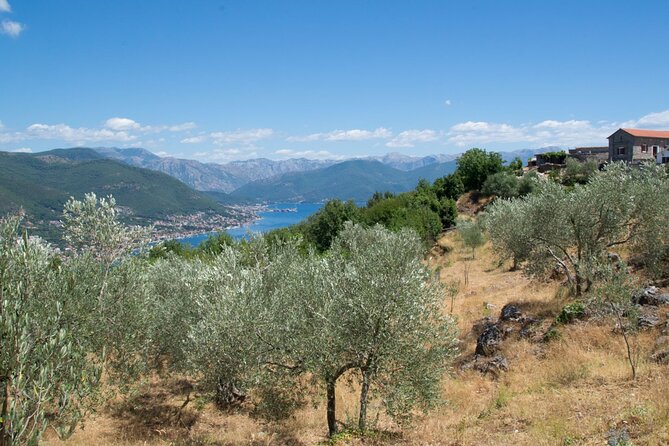
The best part of this experience is the shift from Kotor’s stone lanes to a working olive farm in Lustica. You’ll meet a family that has owned its estate for 200 years, walk among nearly 1,000 olive trees, and see both an old 150-year-old mill and a modern press.
I like the mix of a short city tour and a real food visit. I also like the generous homemade spread, with cheese, prosciutto, olives, salad, sausages, and apple pie. The main thing to consider is the price: at $863.54 for up to six people, it makes the most sense for a private group rather than a solo visitor or couple.
Key points to know before booking
- Two experiences in one: Begin with a short guided walk through Kotor, then visit a family olive estate in the Lustica region.
- A working 200-year-old family property: You’ll see nearly 1,000 olive trees, many of them centuries old, plus the family’s home and farm.
- Old and new olive oil methods: Compare the 150-year-old mill with a modern anaerobic press and learn how production changed the family business.
- A generous local tasting: Expect olive oil, bread, cheese, prosciutto, olives, homemade meats, vegetables, drinks, and dessert.
- Private transport and guiding: Daniel and Lisette have led the city and driving portions, with pickup available in Kotor Old Town or at the port.
- Best value for groups: The fixed group price works out to about $144 per person when six people share it.
From Kotor’s old town to a family olive estate
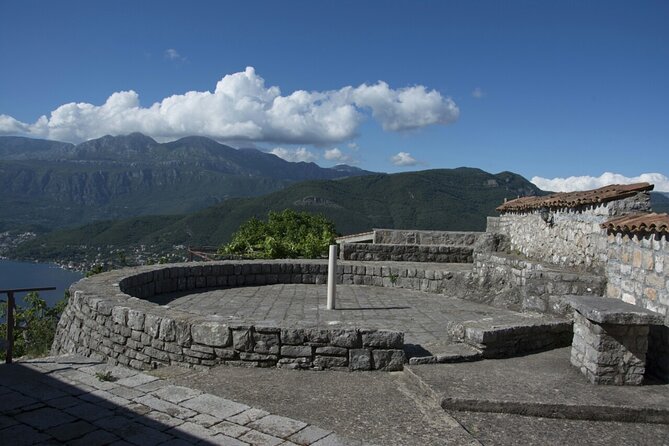
This five-hour outing gives you two very different views of Montenegro. Kotor supplies the medieval streets, walls, and harbor setting. Lustica supplies quiet roads, old trees, farm food, and a closer look at how local families have lived from the land.
The day begins in Kotor. If you meet in the Old Town or at the port, your guide will hold a sign with your name. That simple detail matters after a cruise arrival, when the waterfront can be crowded and you may have limited time to find the right vehicle.
Daniel has led the driving portion, while Lisette has guided the city walk. Both have been praised for making the day relaxed and entertaining. You should expect a short walking tour, not a long historical march through every corner of Kotor. That is a good fit if you want an introduction before heading into the countryside, or if you have already seen the Old Town on an earlier visit.
The walking portion also helps put the farm visit in context. Kotor is famous for its dramatic setting and old center, but Montenegro is more than stone buildings and scenic water. The olive estate shows you a quieter side of the country, where food production and family land remain part of daily life.
More Olive Farm Visits in the world:
- Sorrento Farm and Food Experience including Olive Oil, Limoncello, Wine tasting
★ 5.0 · 2,524 reviews - Crete: Road-trip to Lasithi, Zeus Cave & Olive Mill Farm
★ 4.4 · 451 reviews - Heraklion: Olive Farm Tour with Tasting of Local Delicacies
★ 4.9 · 411 reviews
The Lustica region and its long olive tradition
The farm visit takes you into Lustica, a part of the coast with an olive-growing tradition said to reach back more than 2,000 years. You are not simply stopping at a shop to buy a bottle. You are visiting a family property where olive oil is made, tasted, and served as part of a meal.
The estate has belonged to the same family for 200 years. That long connection gives the visit a personal feel. Ilija, the man behind the estate and its oil business, talks about the property, the production process, and life in the area. The setting is also his home, which makes the stop feel more like a welcome at a family table than a standard commercial tasting.
Nearly 1,000 olive trees grow on the land. Many are centuries old, so the walk through the grove is one of the most memorable parts of the afternoon. The trees are not decoration added for a tour. They are the reason the property exists and the source of a product that has shaped local food for generations.
You should pace yourself here. The tour is about learning how the farm works, but it is also about sitting down, looking around, and talking with the family. If you prefer a fast list of attractions, the leisurely farm visit may feel slow. If you enjoy food, family stories, and a sense of place, that slower rhythm is the point.
Seeing the 150-year-old mill beside modern production
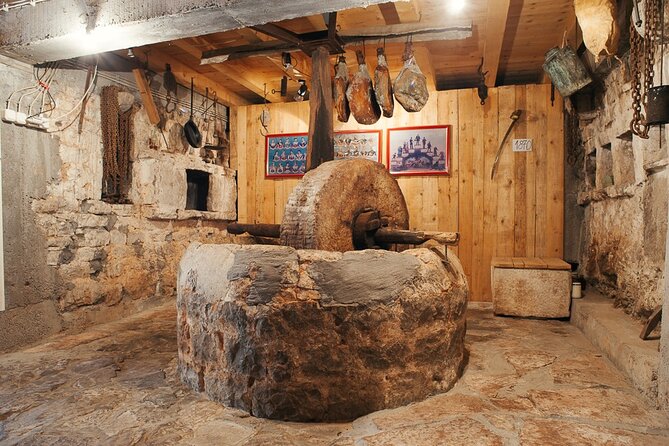
The olive oil lesson has a useful before-and-after structure. First, you’ll see the authentic 150-year-old mill and learn how olive oil was produced in the past. The old equipment connects the product to earlier generations and shows how much physical work traditional production required.
Then you’ll see the newer olive press. The family uses anaerobic production, a modern method that changed the way the business operates and affected the family’s lifestyle. The contrast makes the explanation practical. You are not just hearing that technology improved olive oil production. You are seeing the older tools and the current machinery in the same family setting.
This is also where the visit goes beyond a basic tasting. You can ask about how the oil is made, why the newer process matters, and how a traditional farm adapted to modern conditions. The information is delivered by people connected to the work, not by a guide reading a generic script in a shop.
The exact length of the technical explanation is not specified, so expect the balance to depend on your group and the family hosting you. The visit is private, which gives you more room to ask questions than a large group tour usually allows.
Learning to taste olive oil properly
After the production visit, you’ll taste the oil and learn to notice quality and differences in flavor. For many people, this is more useful than simply being handed a bottle and told it is good. You get a basic framework for thinking about aroma, taste, and freshness.
The tasting begins with organic olive oil and bread. The sample menu also includes a welcome drink, homemade cherry or grape brandy, cheese, prosciutto, and olives. The food is not an afterthought. It shows how olive oil fits into a Montenegrin table, where bread, cured meat, cheese, and preserved foods make a simple meal feel complete.
The welcome brandy may be a strong start to the day, especially before lunch, so take it slowly. You can enjoy the local custom without treating the drink as a challenge. The emphasis is on tasting and conversation, not drinking heavily.
One useful feature is the chance to speak with Ilija about the business and local life. You can ask questions that a bottle label cannot answer: how the family uses the land, what changed after the new press arrived, and how farming fits into the area today.
More Olive Oil Tours around the world:
- Split: Krka Waterfalls With Boat Cruise, Wine and Olive Oil
★ 4.3 · 1,507 reviews - Crete: Quad Safari, Olive Mill with Tasting & Ghost Village
★ 4.9 · 1,004 reviews - From Mendoza: 3 Wineries, Olive Oil Factory Tour & Tasting
★ 4.6 · 901 reviews - Knossos-Zeus Cave -Old Traditional Villages-Olive Oil Factory
★ 5.0 · 694 reviews
A homemade meal with a view
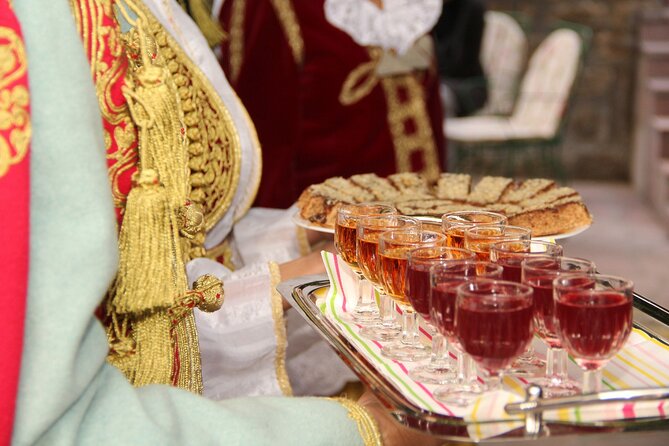
The food is one of the strongest reasons to choose this outing. The listed menu includes homemade smoked ham, bacon, sausages, cheese, salad, bread, olives, and apple pie. The sample menu also lists prosciutto and a welcome drink, so the exact selection may vary, but you should expect a substantial local tasting rather than a single olive-oil sample.
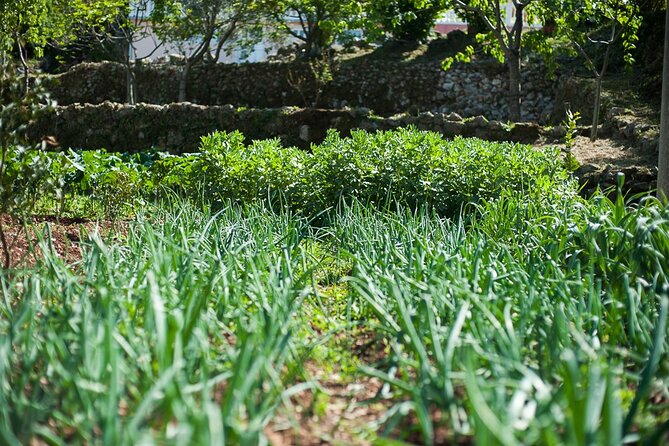
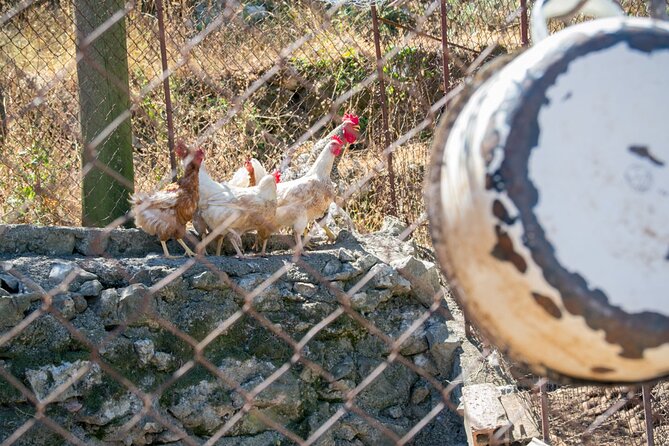
The family grows vegetables and keeps animals on the estate. That matters because the meal is linked to the property itself. You are tasting food from a household that still produces some of what it serves, rather than receiving an unrelated restaurant platter.
The meal is described as light in some accounts and generous in others. I would plan for a satisfying snack or lunch, but not assume it replaces a full restaurant meal for every appetite. The inclusion of cured meats and sausages makes it more filling than a typical tasting, while the salad and homemade bread keep it informal.
The apple pie adds a welcome finish. It also gives the meal a home-cooking quality that a polished tasting room rarely provides. If you enjoy food with a story, this part of the visit should carry more weight in your booking decision than the olive oil bottle itself.
What the short Kotor tour adds

The Kotor walk is brief, but it gives the outing a clear opening chapter. You get time in the famous old center before leaving town, and the guide can explain the city’s past and setting in a compact way.
Daniel has been described as offering useful insight into Kotor and its history, while Lisette has been praised for making the walk fun. That combination matters. A private tour can become too formal or too quiet, but the guides’ friendly style appears to keep the city portion easygoing.
You may also stop at a viewpoint over the harbor during the drive. This is an added scenic touch rather than the main purpose of the tour. It can be especially useful if you are visiting Kotor on a ship and want a broader view of the bay beyond the streets of the Old Town.
Do not book this as a full Kotor sightseeing tour. The city walk is short, and most of the five hours belong to the drive and farm visit. If you want museums, churches, city walls, or a long walk through the historic center, you’ll need extra time before or after this activity.
Price, group size, and practical value
The price is $863.54 per private group of up to six people. At the full group size, that comes to about $143.92 per person. For six people, that is a reasonable way to combine private guiding, transport, a city walk, a family farm visit, and a substantial food tasting in one half-day.
The value drops quickly for smaller groups. Two people would effectively pay more than $431 each, which is a major cost for a five-hour activity. A couple who strongly values private transport and a personal food visit may still find it worthwhile, but budget-minded visitors should compare it with a shared food tour or a simple olive oil tasting.
The private format is a real advantage for families and friend groups. You do not have to match the pace of strangers, and you can spend more time asking about olive production or local life. The fixed price also makes planning easier when six people are sharing the cost.
Pickup is offered, and the starting and ending point is in Kotor. If you meet at the Old Town or port, look for the sign with your name. The activity is offered in English, and mobile tickets are accepted.
The listed hours are Monday through Sunday from 9:00 a.m. to 2:00 p.m. during the stated operating period. Since the activity lasts about five hours, confirm the exact start time when booking, especially if you are arriving by cruise ship or have another appointment later in the day.
Who will enjoy this experience most
I would recommend this for a group that wants more than standard sightseeing. It suits people who like food, farming, family stories, and a relaxed pace. It is also a good choice for repeat visitors to Kotor who have already seen the main streets and want a different half-day.
Families can benefit from the private setup, though the food and farm format may appeal more to adults and older children than to very young children. The activity states that most people can participate, and service animals are allowed, but no detailed accessibility information is provided. If you have specific mobility needs, ask before booking.
This is also a strong choice for anyone curious about olive oil. The old mill, modern press, and tasting create a clear story from tradition to current production. You get more than a scenic meal because the food is tied to the land and the family business.
It is less suitable if you want a physically demanding hike, a full-day Kotor history tour, or a formal fine-dining meal. The walking portion is short, the meal is homemade, and the farm visit is built around conversation rather than polished entertainment.
Booking details and cancellation
Confirmation is provided when you book. You can cancel up to 24 hours before the start time for a full refund. Changes or cancellations made less than 24 hours ahead are not accepted for a refund.
The activity requires a minimum number of participants. If that minimum is not met and the operator cancels, you will be offered another date or experience, or receive a full refund. Since this is a private activity, only your own group takes part once it runs.
Should you book this olive oil tour?
Book it if you have a group of four to six, enjoy local food, and want a personal look at life outside Kotor’s old center. The family-owned estate, old mill, modern press, and homemade spread give the afternoon a clear sense of place.
Think twice if you are traveling alone, watching every euro, or mainly want an in-depth tour of Kotor itself. The cost is high for a small party, and the city walk is only a short part of the day.
For the right group, this is a rewarding use of five hours. You leave with a better idea of how olive oil is made, a taste of Montenegro’s home cooking, and a view of Kotor that reaches beyond its famous walls.
FAQ
Where does the experience start?
It starts in Kotor, Montenegro. Pickup is offered from Kotor Old Town or Kotor port.
Where does the experience end?
The activity ends back at the meeting point in Kotor.
How long does the tour last?
The experience lasts approximately five hours.
What language is the experience offered in?
The experience is offered in English.
How many people can join the private tour?
The price covers one private group of up to six people.
What is included at the olive farm?
You’ll visit the family estate, see nearly 1,000 olive trees, view the old mill and modern olive press, learn about production, and take part in an olive oil tasting.
What food is served?
The listed food includes bread, cheese, prosciutto, olives, smoked ham, bacon, sausages, salad, and apple pie. The menu also lists a welcome drink and homemade cherry or grape brandy.
Who leads the experience?
Daniel and Lisette have led the Kotor walking and driving portions. At the farm, you’ll meet Ilija, who is behind the estate and its olive oil business.
Is pickup available at the cruise port?
Yes. If you meet at Kotor port, the guide will hold a sign with your name.
Can I cancel for a full refund?
Yes. You must cancel at least 24 hours before the experience start time for a full refund. Cancellations or changes made less than 24 hours ahead are not refunded.
Newest grove reviews around the world
- XXI Century Olive Oil Mill Tour★ 5.0 · 3 reviews
- Zadar, Šibenik: olive oil, wine & food tasting, Self Drive★ 4.7 · 9 reviews
- Visit to an olive oil mill and oil tasting with aperitif and food and wine pairing.★ 5.0 · 2 reviews
- Vernazza (5 Terre): olive grove tour and oil and wine tasting★ 5.0 · 9 reviews
- Villa Castelli: Highlights Walking Tour w/ Olive Oil Tasting★ 4.8 · 12 reviews
- Athens: Greek Wine & Olive Oil Tasting at Brettos Plaka★ 4.5 · 3 reviews
- Treurer: Tapas Gourmet and Extra Virgin Olive Oil★ 4.7 · 3 reviews
- Unveiled Secrets of Porto + Olive Oil Tasting★ 4.8 · 3 reviews
Olive Farm Visits, compared.
Sorrento Farm and Food Experience including Olive Oil, Limoncello, Wine tasting
Read our review →
Road-trip to Lasithi, Zeus Cave & Olive Mill Farm
Read our review →
Olive Farm Tour with Tasting of Local Delicacies
Read our review →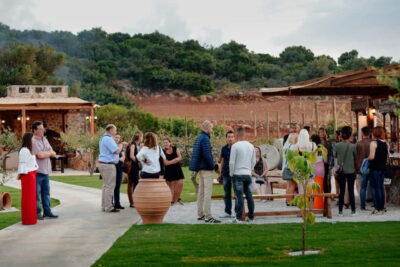
Lassithi, Zeus Cave, Olive Mill Farm & Knossos Combo Tour
Read our review →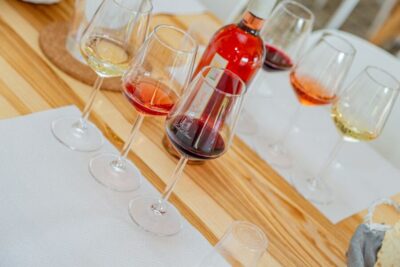
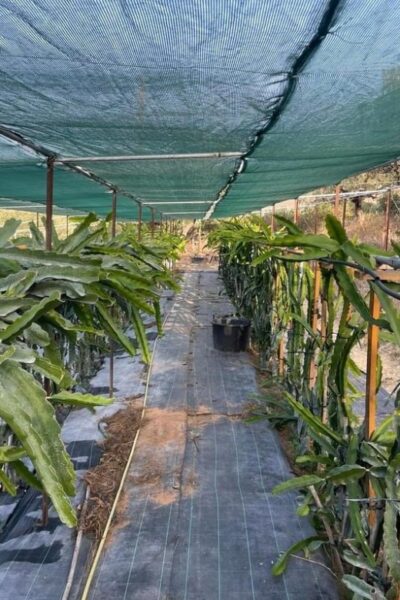
Traditional Olive Grove and Dragon Fruit Farm Tour
Read our review →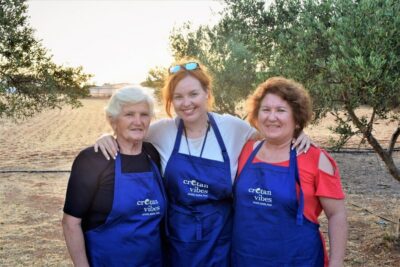
Moires: Cooking Class and Olive Oil Tasting at a Family Farm
Read our review →
Sóller: Olive Oil Guided Tour and Tasting at Can Det Estate
Read our review →Browse the lists this tour appears in