
Review · COOKING CLASSES
Cretan Cooking Class and Olive Oil Tasting
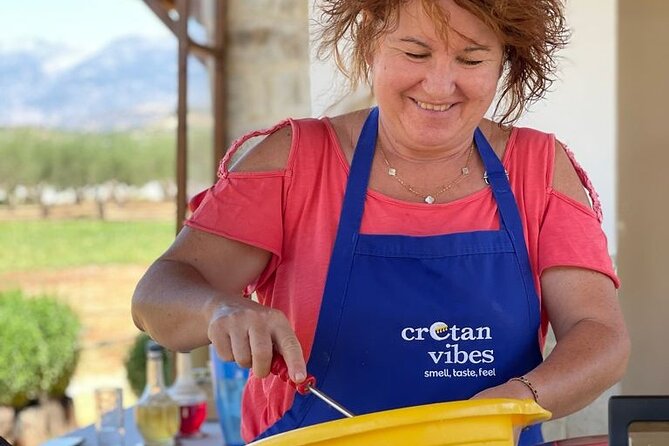
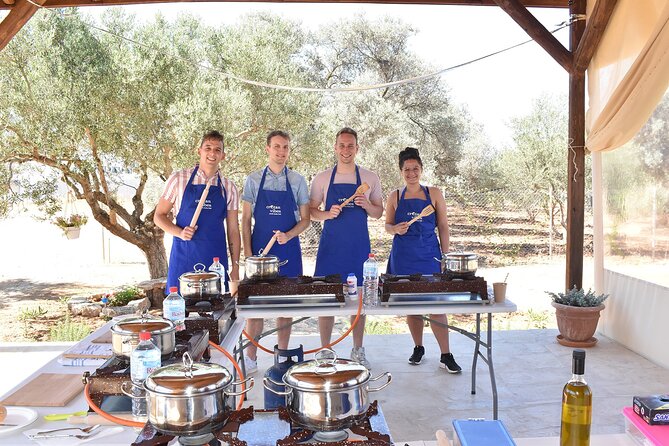
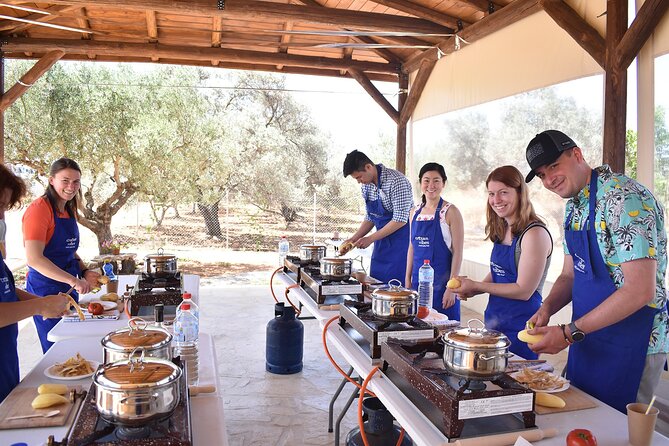
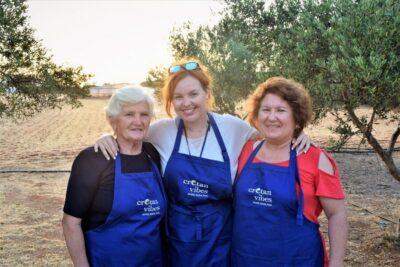
The best part of this four-hour Cretan cooking class is that you do not simply watch someone prepare local food. You work beside Marianna and her mother, Mama Stella, using farm ingredients, family recipes, and traditional techniques in an open-air kitchen among olive trees. By the time you sit down, you have helped make the meal.
I like the small maximum group of 12, which gives the class a friendly, social feel without turning it into a crowded demonstration. I also like the olive oil lesson, since it moves beyond tasting for pleasure and teaches you how to spot good extra virgin olive oil, recognize defects, and shop more wisely. The main consideration is transport: private transfers are not included, so you must arrange your own way to the meeting point near Moires.
Key things to know before booking
- You cook the meal yourself: This is a fully hands-on class, not a cooking show where you sit back and take notes.
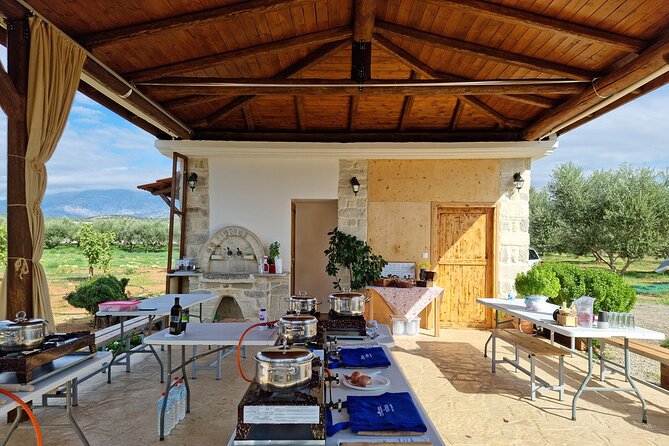
- The setting is part of the experience: The kitchen and dining area sit outdoors beside olive trees, gardens, and the family farm.
- The menu can change: Dishes may include dakos, stuffed grape leaves, zucchini flowers, lamb, vegetarian giächni, stifado, avgolemono, and local cheese pastries.
- Mama Stella’s family recipes matter: Fresh mizithra, homemade products, farm vegetables, and family techniques give the food a personal connection.
- Olive oil gets serious attention: You learn about aroma, flavor, bitterness, defects, and how to choose a good bottle.
- You leave with more than memories: Recipes are sent by email, photos are provided, and leftovers are packed to take with you.
Cooking beside the olive trees
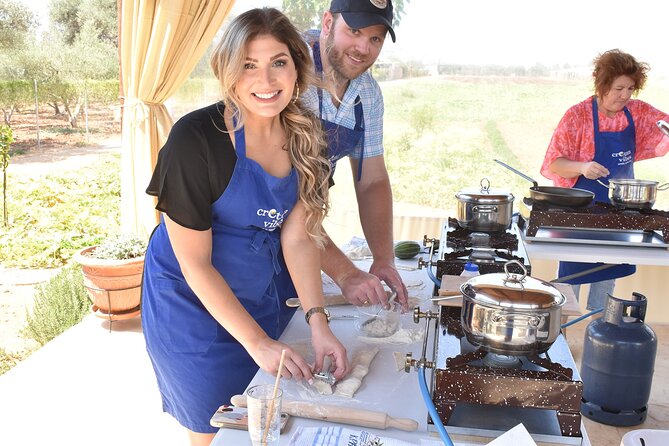
The class takes place at Cretan Vibes, at the meeting point on the National Road in Moires, Crete. The setting is rural, with an outdoor cooking and dining area built beside olive trees and gardens. Several people describe the space as clean, modern, and beautifully blended with the farm around it.
That setting changes the tone. You are not in a polished culinary school or a hotel restaurant. You are cooking in a family place, with the olive trees, crops, and farm products close at hand. The open-air design also makes the meal feel connected to the land that supplies it.
You begin with a welcome from Marianna and Mama Stella. Homemade refreshments, including lemonade and cinnamon drinks, are served along with water. Aprons, utensils, cooking ingredients, and the equipment needed for the class are provided.
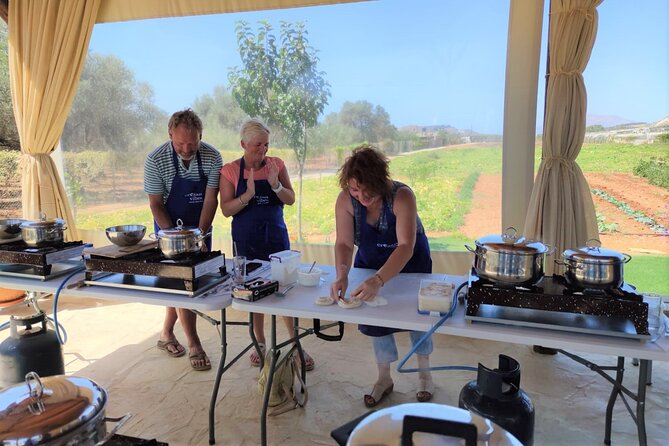
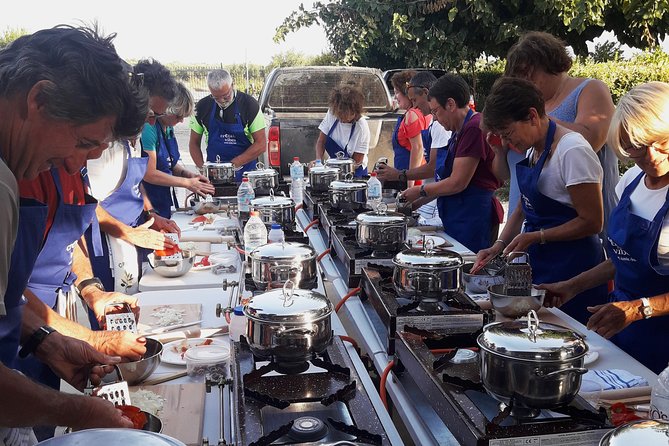
The class is offered in English. The hosts explain what you will prepare, divide the work among the group, and guide you through each stage. The pace is active, but it is not meant to feel rushed. You may be chopping, stuffing, stirring, shaping dough, or learning how an ingredient is prepared before it reaches the pan.
More Cooking Classes around Crete:
- Moires: Cooking Class and Olive Oil Tasting at a Family Farm
★ 5.0 · 93 reviews - Cretan Delights – Wine, Olive Oil & Cooking Workshop from Chania
★ 5.0 · 25 reviews - Corfu: Greek Cooking Class & Olive Oil Tasting
★ 5.0 · 178 reviews
A real Cretan menu, not a generic Greek lesson
The food is the heart of the afternoon or evening. You help create a full meal with several courses, though the exact selection can vary with the season and the group. That flexibility is a strength because Cretan cooking depends heavily on what is growing and available.
A likely starter is dakos, one of Crete’s best-known simple dishes. A crisp rusk is topped with fresh tomato, local mizithra cheese, oregano, and extra virgin olive oil. It looks modest, but the combination shows how Cretan food gets plenty of flavor from good ingredients rather than complicated sauces.
You may also prepare dolmadakia, grape leaves filled and cooked with a seasoned mixture, and stuffed zucchini flowers. The flowers are especially tied to the farm setting because you may see where the ingredients come from and learn how to handle these delicate blossoms without tearing them.
The main dish could be a vegetarian or vegan giächni, made with green beans, potatoes, zucchini, tomato sauce, and ksinoxondros. Ksinoxondros is a traditional Cretan product made by the family, and it gives the dish a clear local identity. This is a useful option for anyone who wants to understand that Cretan cooking is not only about meat.
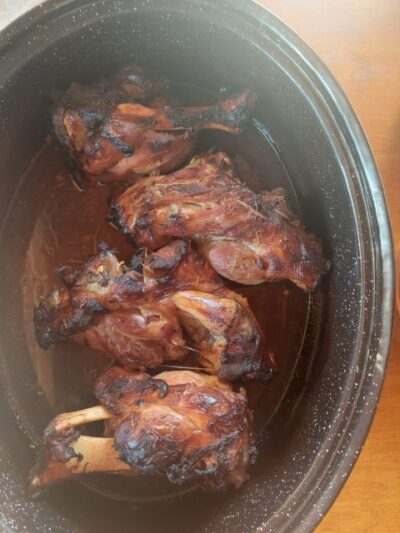
Meat dishes may include lamb with artichokes, potatoes, fennel, and tomato sauce. Other possible choices include avgolemono with pork or free-range chicken, leek or lettuce, fresh onions, potatoes, dill, eggs, and lemon. You might also prepare Cretan stifado with chicken, rabbit, or even snails, depending on the menu and how adventurous the group feels.
Another possible main course is lamb with stamnagathi, a bitter wild green often associated with Cretan cooking. The point is not to sample every dish listed here in one fixed sequence. Instead, you get a seasonal family menu that can change through the year.
Dessert brings the meal to a sweet finish with sarikopites or kalitsounia. These are pastries filled with fresh Cretan cheese made by the family, then fried in the family’s extra virgin olive oil. Cinnamon may be part of the finishing flavor.
The class is particularly useful if you want to recreate the food at home. You are not simply told that a dish is traditional. You see how the ingredients are treated, how the family approaches seasoning, and how simple products become a complete meal.
The olive oil tasting adds useful local context
Crete is closely tied to olive growing, and the tasting gives the class another layer. The family explains how to recognize authentic extra virgin olive oil by its aromas, flavors, and bitterness. You also learn how to identify faults in lower-quality oils and what to look for when buying olive oil.
This is practical knowledge. Many visitors buy oil in Greece, but attractive packaging does not always tell you much about what is inside the bottle. Learning to notice aroma and taste can help you make a better choice at a market or shop later in your trip.
The tasting is also connected to the family’s own work. You see a short video about their olive harvest and get a behind-the-scenes look at olive production. That makes the oil on your plate feel less like an abstract regional product and more like part of a working family tradition.
Expect the tasting to be educational rather than a formal wine-style event. The emphasis is on understanding quality and recognizing the character of the oil. You also get to use the family’s extra virgin olive oil in the dishes you prepare.
Sitting down to eat what you made
After the cooking, you sit down for the full meal. Local wine is included, along with coffee or tea and homemade refreshments. The meal is served family-style, which suits the social nature of the class.
This is where the experience pays off. You have spent the previous hours preparing the dishes, so the meal carries more meaning than a restaurant order. You can connect each plate to a technique you practiced or an ingredient you handled.
The portions appear generous. Leftovers are carefully packed for you to take away, a thoughtful touch if you are staying nearby or want to save food for later. It also fits the Cretan habit of treating food as something to share rather than waste.
The outdoor setting can be especially appealing near sunset. The farm, olive trees, food, wine, and relaxed conversation create the sort of evening that feels distinctly tied to Crete. Keep in mind that the class requires good weather, so poor conditions can lead to a new date or a refund.
More Workshops around Crete:
- Chania Sourdough Bread Class – Olive Oil Tasting
★ 5.0 · 31 reviews - Organic cooking class with a sommelier in an Olive and wine farm
★ 5.0 · 69 reviews - Cooking Classes and olive oil tasting.The real taste of Greece!
★ 5.0 · 56 reviews - Olive Oil Tasting & Fun Baking Class in the heart of Naxos Town
★ 5.0 · 25 reviews
The family welcome is central to the experience
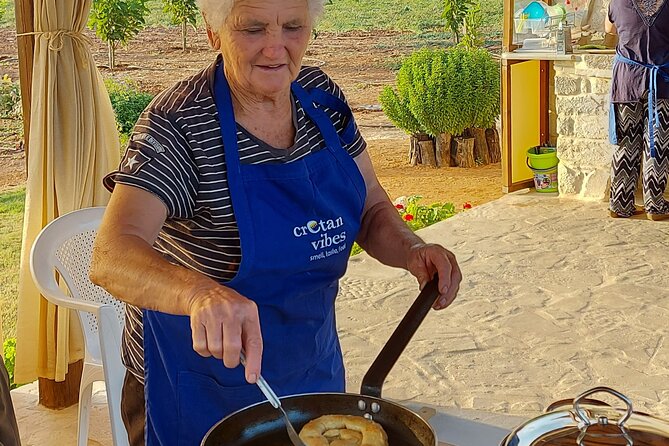
Marianna and Mama Stella are not just instructors delivering a fixed lesson. The class is built around their relationship and their family’s food traditions. Mama Stella shares her cooking methods, while Marianna organizes the class and explains the dishes and local customs.
Other family members may be around, including the grandmother who makes some of the fresh cheese and other family products. That gives the experience a personal quality that a large commercial food tour usually cannot match.
The hosts are warm and patient with beginners. You do not need advanced cooking skills. The class is designed so that you can take part in every stage, and the instructors adjust their help as needed. Families with children have also found the format workable, including a group with children ages 9, 11, and 13.
The mood is social. You may cook with other people from different countries, share tasks, and sit together afterward. If you want a private lesson with only your own party, this is not described as a private experience. The maximum is 12 people, so the atmosphere should feel personal but still communal.
Dietary needs can sometimes be accommodated. One party with a dietary restriction received careful attention, but you should communicate your needs before arriving rather than assuming the menu can be changed at the last moment.
What the $114.93 price includes
At $114.93 per person, this is not the cheapest food activity in Crete. The value depends on what you want from the outing.
You are paying for about four hours, a full meal, ingredients, equipment, refreshments, local wine, premium olive oil tasting, the olive harvest video, instruction, recipes, photos, and packed leftovers. You are also paying for a small-group setting and a family-hosted experience rather than a quick demonstration.
The full meal alone makes the price easier to assess, especially since the menu can include several starters, a substantial main course, and dessert. Add the wine, olive oil lesson, and take-home food, and the cost is more reasonable for a half-day cultural activity.
I would book this if you value participation, food, and personal contact more than sightseeing numbers. If your main goal is to visit as many sites as possible, four hours may feel like a large block of your day. If you enjoy cooking and want a deeper sense of daily Cretan food, the time is well used.
Who will enjoy this class most
This experience suits you if you:
- Like cooking, even if you are a beginner
- Want to learn dishes you can make at home
- Enjoy meeting local people in a relaxed setting
- Prefer small groups to large bus tours
- Appreciate farm ingredients and traditional food
- Want to understand olive oil instead of simply tasting it
- Are traveling as a family or mixed-age group
- Enjoy a long meal with wine and conversation
It may not suit you if you dislike hands-on activities, have difficulty with outdoor conditions, or want a tightly timed sightseeing tour. The cooking is the main event, and the experience works best when you are ready to participate.
The class is also better for someone who enjoys food at a comfortable pace. You will cook, wait for dishes to finish, eat together, and chat. It is not designed as a quick lunch stop.
Practical details for planning your visit
The experience begins and ends at Cretan Vibes, located at Εθνικη οδο, Μοίρες 704 00, Greece. Private transportation is not included, so plan your route carefully before booking. The meeting point is near public transportation, but the supplied information does not specify a transfer service from hotels.
Confirmation is provided when you book. The activity is offered in English, mobile tickets are accepted, and service animals are allowed. The group limit is 12 people.
It is wise to reserve ahead. This experience is booked an average of 41 days in advance, which suggests that popular dates can fill well before a Crete holiday begins. A booking can be canceled for a full refund up to 24 hours before the start time. Changes or cancellations inside that window are not accepted for a refund.
The activity depends on good weather and a minimum number of participants. If poor weather or low enrollment cancels the class, you can choose another date or receive a full refund.
How this compares with a standard cooking demonstration
A standard demonstration asks you to watch, taste, and perhaps take a few notes. This class gives you a burner, utensils, ingredients, and real tasks. That difference matters if you want to remember the method rather than only the flavor.
The class also connects the food to the farm and family. You learn about local crops, cheeses, olive growing, Cretan history, and the reasons behind certain dishes. Picking or preparing farm ingredients, when included in the day’s work, gives the lesson a direct link to place.
The tradeoff is that hands-on cooking can be a little untidy and less predictable than a staged demonstration. Recipes may change, the menu may follow the season, and the pace depends partly on the group. I see that as a benefit for most people, but travelers looking for a polished, fixed-format class should know what they are choosing.
Should you book the Cretan Vibes class?
Book it if you want an evening built around food, family, and participation. Marianna and Mama Stella offer more than a set of recipes: they give you a working look at Cretan cooking, olive oil, farm ingredients, and the pleasure of eating together.
The strongest reasons to go are the open-air farm setting, the generous meal, the practical olive oil tasting, the warm family welcome, and the fact that you leave with recipes and leftovers. The main drawbacks are the need to arrange your own transportation, the outdoor weather requirement, and the fact that the menu is not completely fixed.
For a first visit to Crete, this is a strong choice if you have the time and enjoy cooking. It is especially good for families, couples, food lovers, and anyone who wants a more personal connection to the island than a restaurant meal can provide.
FAQ
How long does the Cretan cooking class last?
The experience lasts approximately four hours.
Where does the activity begin and end?
It begins and ends at Cretan Vibes, Εθνικη οδο, Μοίρες 704 00, Greece.
Is transportation included?
No. Private transportation is not included. The meeting point is near public transportation.
What food will I prepare?
The menu can include Cretan dakos, stuffed grape leaves, stuffed zucchini flowers, vegetarian giächni, lamb with artichokes, avgolemono, stifado, lamb with stamnagathi, sarikopites, or kalitsounia. The dishes may vary.
Is wine included?
Yes. Local wine is provided to accompany the meal. Coffee, tea, water, and handmade refreshments are also included.
Can I cancel for a full refund?
Yes. You can cancel at least 24 hours before the start time for a full refund. Poor weather or failure to meet the minimum number of participants may also result in a different date or a full refund.
Newest grove reviews around Crete
- Olive Oil Food Pairing in Crete★ 5.0 · 4 reviews
- Crete’s Wine and Olives Safari Tour from Chania★ 5.0 · 12 reviews
- Private Tour: Soap, Olive Oil & Lyrarakis Winery with Lunch★ 4.5 · 15 reviews
- Knossos Cave of Zeus and Olive Oil Factory Full Day Private Tour★ 5.0 · 19 reviews
- Spiridi Olive Oil Farm Tour★ 4.5 · 22 reviews
- PRIVATE-Zeus Birthplace-Traditional Villages-Olive Oil Factory★ 5.0 · 23 reviews
- Cretan Delights – Wine, Olive Oil & Cooking Workshop from Chania★ 5.0 · 25 reviews
- Knossos & Lasithi Plateau: Villages, Olive Oil Tour From Elounda★ 5.0 · 26 reviews
Cooking Classes, compared.
Moires: Cooking Class and Olive Oil Tasting at a Family Farm
Read our review →
Cooking Classes and olive oil tasting.The real taste of Greece!
Read our review →
Cretan Delights – Wine, Olive Oil & Cooking Workshop from Chania
Read our review →
Olive Oil Tasting & Fun Baking Class in the heart of Naxos Town
Read our review →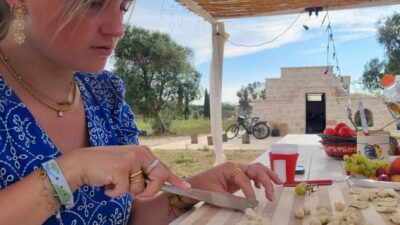
Browse the lists this tour appears in