
Review · OLIVE GROVE WALKS
Sardinian Olive Oil tasting & Picnic among the olive trees
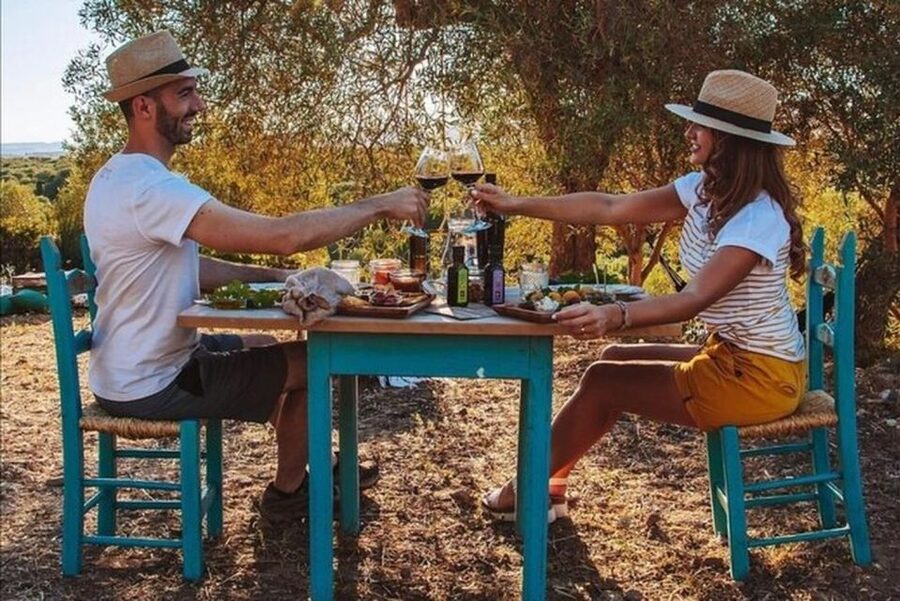
The main draw here is simple: you taste Sardinian olive oil under centenary trees, close to the family mill that produces it. The experience links the oil on your plate with the countryside, old tools, and four generations of local production.
I like the small group of up to eight, which should leave room for questions, and I like the generous seven-part tasting with pane carasau, pecorino, sausage, wine, water, and flavored oils. The price is $81 per person, so the food and setting need to matter to you.
The catch is that the advertised mill visit may not always be available. One May booking found the factory closed, with the activity reduced to a tasting at a table in the sales area. Confirm what will be open on your date, especially outside harvest season.
Key points to know before booking
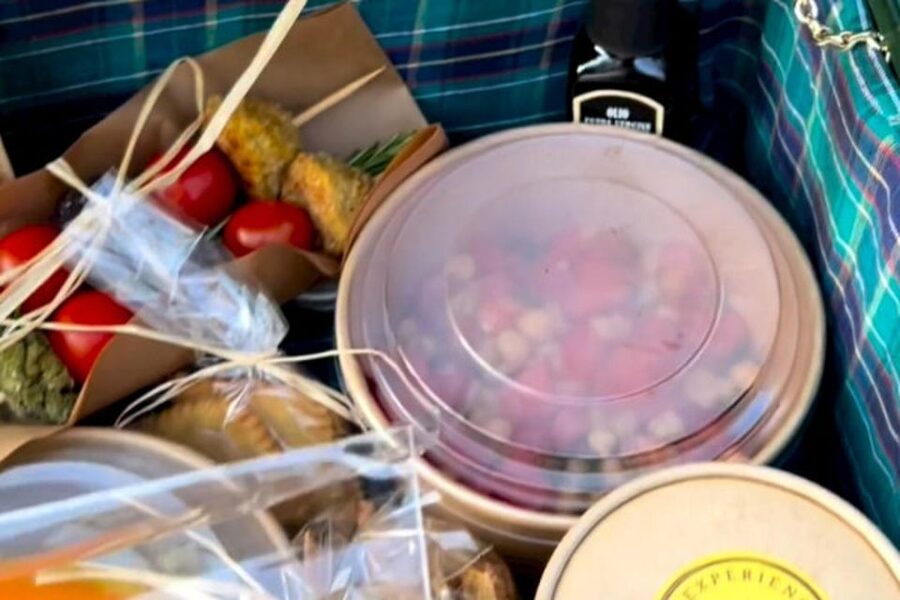
- Seven tasting pairings: Expect extra virgin olive oils, flavored oils, bread, cheese, sausage, seasonal foods, wine, and water.
- A four-generation family story: The visit explains older extraction methods and the move to modern oil production.
- Centenary olive trees: The picnic setting gives the tasting a strong sense of place.
- One-hour format: This is a compact food experience, not a long farm tour.
- Small group size: No more than eight people are listed for each session.
- Check the mill visit: The production area may be closed at some times of year, including one reported May visit.
Arriving at Sa Mola near Escolca
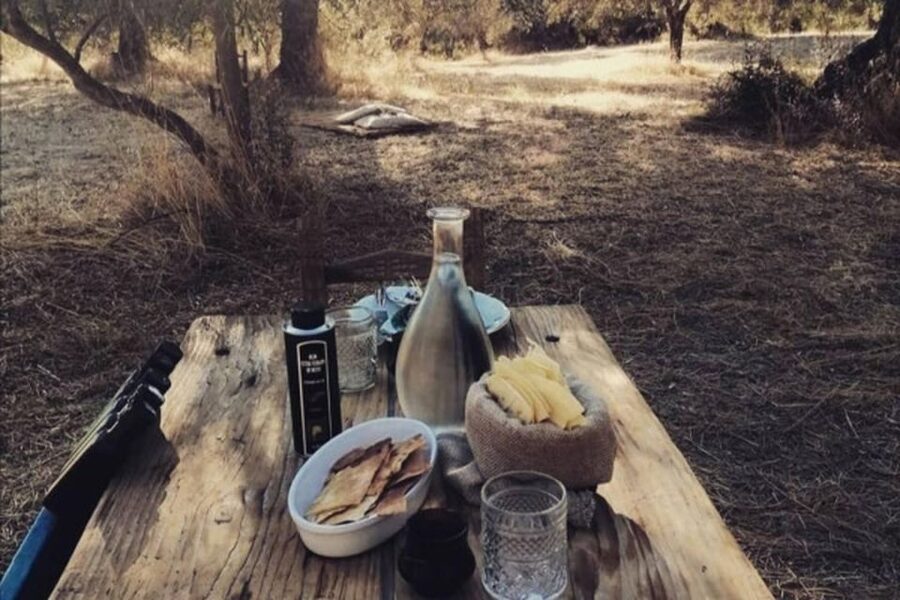
The meeting point is Sa Mola oleificio, in località Figarba, 08030 Escolca, in the Province of Cagliari. This is a countryside visit rather than a city-center tasting, so you’ll want to check your route carefully before setting out.
The location matters because the setting is part of the experience. Instead of tasting oil in a generic shop, you are meant to walk among old olive trees and connect the food with the place where olives have been grown and processed. The supplied details do not include transport, so plan to reach the meeting point independently.
The visit is offered in Italian and English. The group limit of eight is useful here. A tasting can become awkward when a large crowd gathers around a table, but a small group gives you a better chance to ask about varieties, extraction, storage, and pairings.
The activity lasts one hour. That is enough time for a guided introduction and a generous tasting, but not enough for a leisurely farm visit, a long museum tour, and a full factory demonstration unless everything is running on schedule. I would treat the hour as a focused tasting with some production background, not as a half-day agricultural tour.
More Olive Grove Walks in Italy
- Ostuni: Masseria tour among thousand-year-old olive trees with oil tasting
★ 4.8 · 261 reviews - Balestrate: Olive Grove Tour with Wines & Olive Oil Tasting
★ 5.0 · 241 reviews - Bologna: Olive Grove and Vineyard Tour with Product Tastings
★ 4.8 · 109 reviews
The four-generation story behind Sardinian oil
The experience begins with the history of the oil makers, who have worked across four generations. You’ll hear about extraction systems used in different periods and how the process has changed over time.
That background gives the tasting a practical purpose. You are not simply told that one oil is fruity or another is peppery. You can connect modern production with the tools and methods that came before it, then taste the finished product with a clearer idea of what you are sampling.
An ethnographic museum is included in the planned visit. The museum is meant to show the local culture around olive oil and the work that supported it. The available description does not give a full inventory of exhibits, so do not expect a large formal museum. Think of it as a compact collection connected to the family business and local farming life.
There is also an important seasonal limitation. During one visit in May, the factory was closed and the production area could not be seen. The tasting still went ahead, but the visit did not include the promised look at oil making. If seeing machinery and production rooms is central to your decision, ask ahead whether the plant will be operating on your date.
Walking among the centenary olive trees
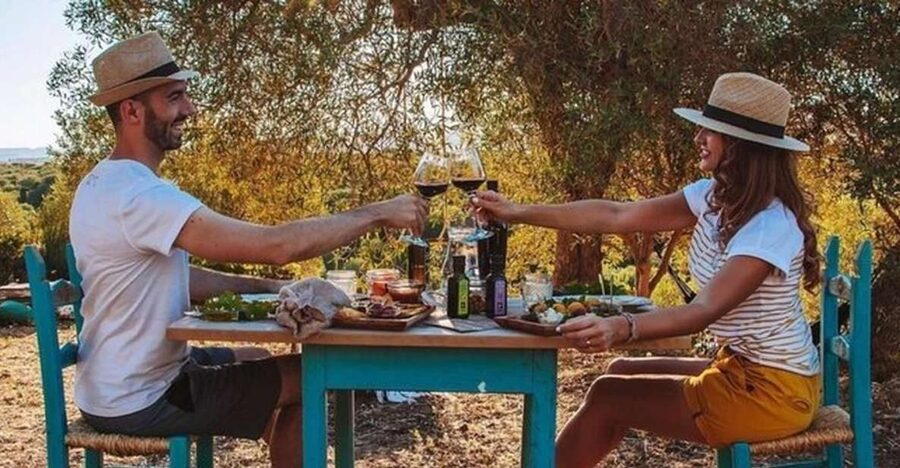
The outdoor setting is one of the strongest reasons to book this activity. The tasting is arranged among olive trees described as centenary, giving you a direct connection to Sardinia’s agricultural traditions.
I like this part because it changes the pace. You are not rushing from one indoor stop to another. The trees provide the visual setting while the guide explains the oil, the harvest, and the work behind the bottles. The vintage-style setup is intended to recall an earlier period of family production.
Still, keep your expectations measured. The activity lasts only one hour, and the available details do not promise a long walk through the groves or a full look at the agricultural operation. The trees are best understood as the setting for the tasting, not necessarily as a separate nature excursion.
The experience will suit you best if you enjoy food with a sense of place. If you want a major archaeological site, a long countryside walk, or a detailed technical course, this will feel short. If you want a compact stop built around Sardinian products, it makes more sense.
Learning how extra virgin olive oil is made
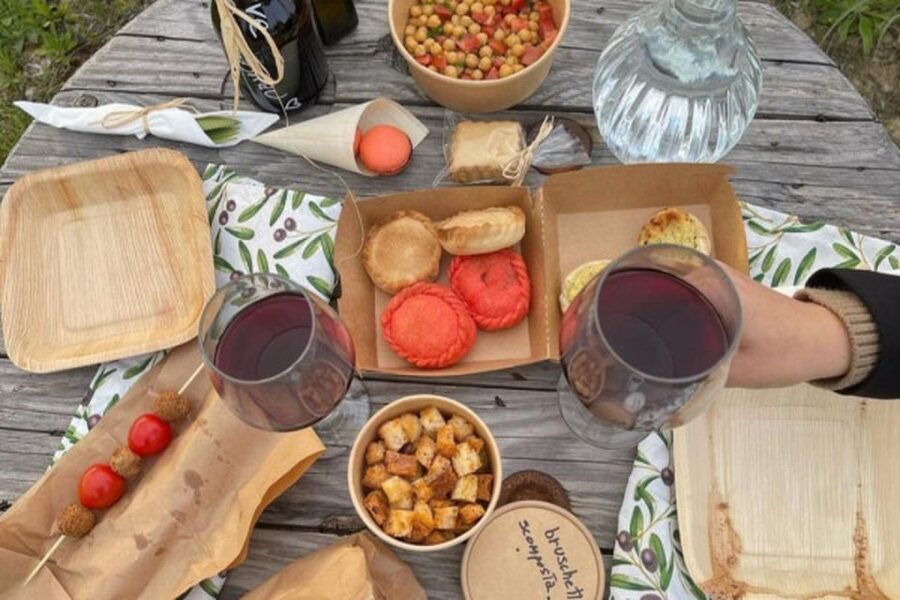
The guided introduction covers the full production chain, from harvesting olives to extracting, bottling, and packaging the oil. You should come away with a basic picture of how the product moves from tree to bottle.
The older extraction systems are part of the story, along with the current modern plant. That comparison is useful because it shows that olive oil is not just a traditional product frozen in time. The family business has adapted its equipment and methods while keeping its connection to local olive growing.
The guide also introduces the tasting itself. You may be shown how to assess the oils before pairing them with food. The information promises an introductory course rather than advanced professional training, so you do not need prior experience.
English is available, but one past visit required frequent help from a translation app because the English explanation was uneven. That does not mean every session will be difficult, but English-language communication may vary by guide and date. If detailed technical explanations are important to you, it is sensible to confirm the language arrangements in advance.
More Olive Oil Tastings with Lunch in Italy
- Sorrento: Lemon, Olive Oil and Wine Tasting Tour with Lunch
★ 5.0 · 300 reviews - Florence: Great Chianti Wine and Olive Oil Trail with Lunch
★ 4.8 · 160 reviews - Farm-to-Table Experience: Olive Oil, Garden Tour & Nonna’s Lunch
★ 5.0 · 35 reviews - Visit to the olive grove, oil tasting and lunch at the farm
★ 5.0 · 31 reviews
Seven tastings, from pane carasau to flavored oils
The food is a major part of the value. The picnic basket includes local products, food, wine, and water, with the tasting built around seven local delicacies and flavored oils.
You can expect pane carasau, Sardinia’s thin crisp bread, along with pecorino and salsiccia. These are especially useful pairings because they let you test the oils with different textures and flavors. Bread shows the oil directly, while cheese and sausage give you stronger savory flavors to compare.
The tasting also includes three olive varieties, according to one detailed account of the menu. The precise varieties may change, so I would not book expecting a fixed list. The point is the range: you can compare oils rather than sample only one house bottle.
The flavored oils add another layer. They are paired with seasonal local foods, so the exact combinations may depend on what is available. This makes the picnic feel more like a local food spread than a formal oil examination.
The portions have been described as generous, and the food itself appears to be one of the safest reasons to choose this experience. Even a disappointed visitor found the bread, oil, cheese, sausage, and wine very good. The question is not so much whether you will receive food, but how much of the advertised production visit is taking place on your date.
What $81 buys you
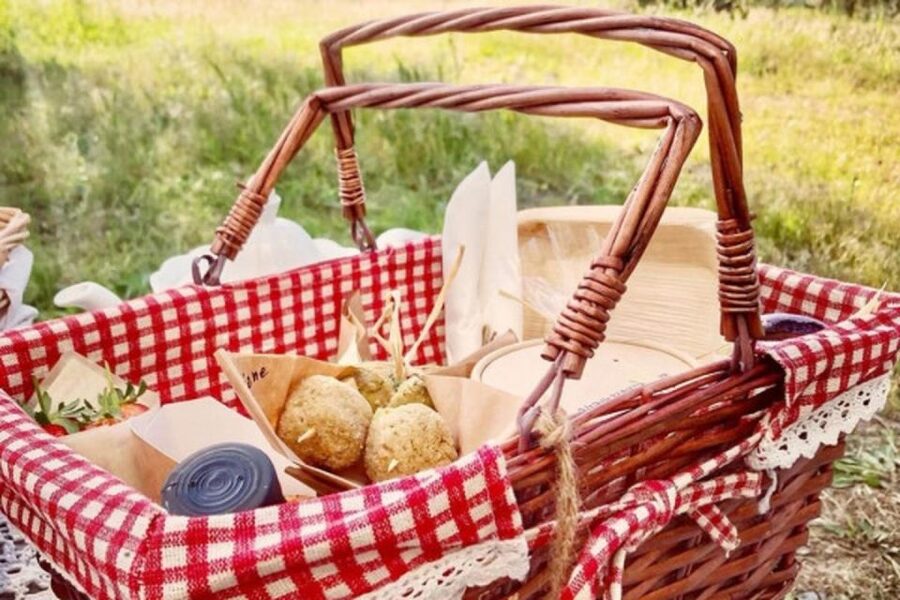
At $81 per person, this is not a bargain tasting in the basic sense. You are paying for the guide, the setting, the family story, the oil instruction, and a picnic basket with wine and several local products.
The price works better if you value the complete package. Seven tastings, cheese, sausage, bread, wine, and water can make the cost reasonable for a meal-sized stop, especially if you enjoy artisanal food and plan to buy oil afterward. One bottle was sold for €8 per 500 milliliters during a past visit, though prices and availability can change.
The value drops if you mainly want a factory tour. One booking described the visit as taking place in a closed or unused factory area, with the tasting set at a simply arranged plastic table and only two dispensing barrels visible in the sales room. That setting may feel plain compared with the polished picture suggested by the outdoor picnic description.
I would compare this with the cost of a good meal in Sardinia, not with the price of a quick supermarket tasting. You are paying for an hour of food, explanation, and place. If the mill is operating and the olive grove setting is fully used, the package has a stronger case. If the visit is limited to a table and sales area, it becomes harder to justify.
The picnic atmosphere and family welcome
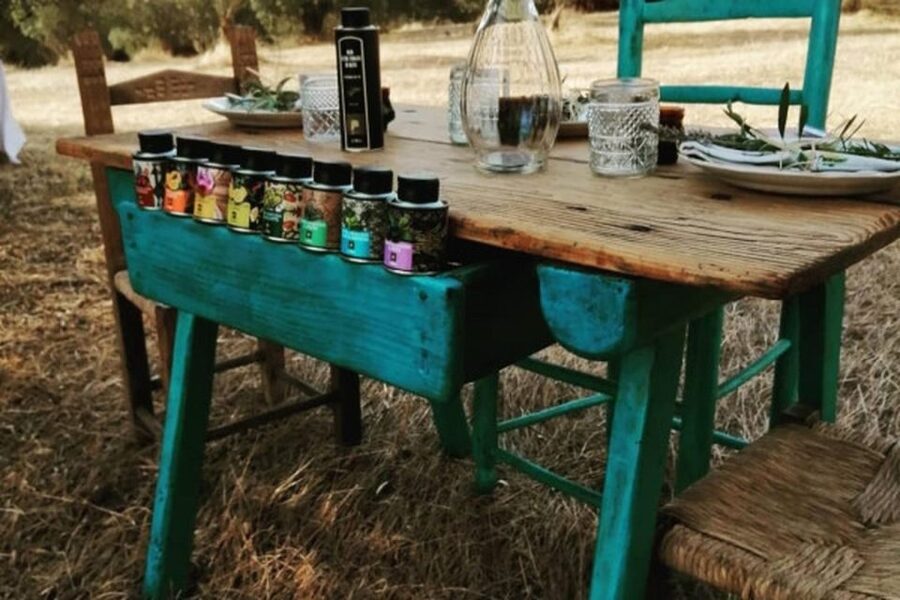
The family side of the activity is important. The experience is built around hospitality from the oil producers, not a large commercial food company. The vintage styling is meant to bring a sense of the past into the picnic.
That can be appealing if you prefer direct contact with local producers. You’ll have the chance to ask about the business, the oil, and the changing extraction methods. A past session led by Giuseppe was described as friendly, entertaining, and willing to answer questions about the olive trade and processing.
At the same time, family hospitality can come with a less polished presentation. Do not expect a highly scripted museum performance or restaurant-level table service. The table setup may be simple, and the English explanation may be informal.
For me, that is not automatically a fault. A plain table and a working family operation can feel more honest than a glossy visitor center. But the activity should be sold to you as a tasting with local character, not as a major industrial tour.
Dietary choices and what to note when booking
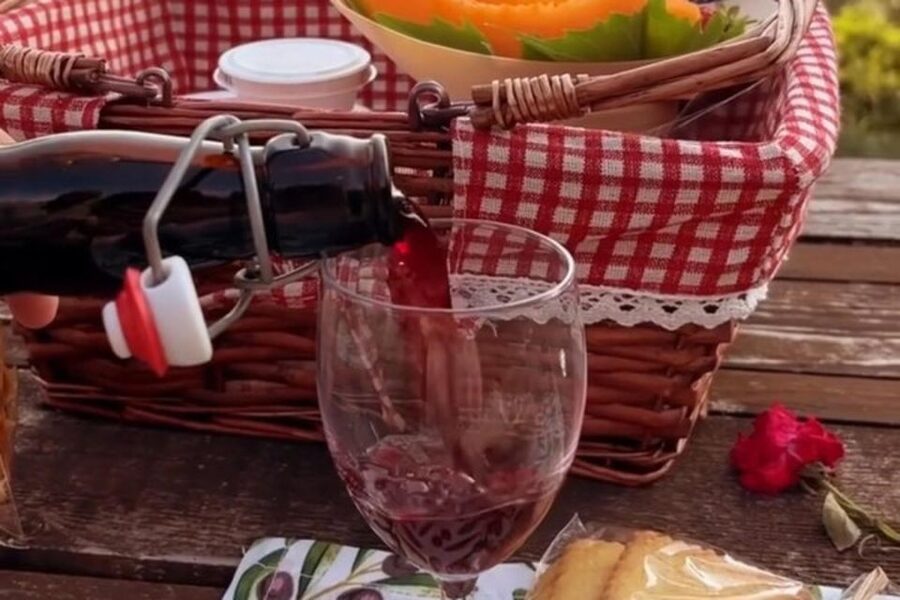
Vegan, gluten-free, and lactose-free options are available, but you need to specify your requirement in the booking notes. This is particularly important here because the standard spread includes bread, pecorino, sausage, and wine.
The supplied details do not say how the seven tastings change for each diet. You should therefore state your needs clearly rather than assume the regular basket will be adjusted automatically. The oil itself is the central product, but the pairings are a large part of the experience.
If you do not have dietary restrictions, the classic combination of pane carasau, pecorino, salsiccia, olive oil, and wine gives you a better sense of Sardinian food traditions than tasting the oil alone.
Who will enjoy this one-hour experience
I would recommend this for food-focused visitors staying in or passing through the Cagliari area who want a short rural stop. It is also a good fit for couples, small groups, and anyone who likes buying local products directly from producers.
The small group size helps solo visitors and couples feel less lost in the crowd. The Italian and English options make it practical for international visitors, although the quality of the English explanation may vary.
This is less suitable if you need a guaranteed working mill tour, polished museum interpretation, or a long outing in the countryside. It is also not the right pick if you dislike strong regional foods such as pecorino and sausage, or if a one-hour activity feels too brief for the drive to Escolca.
Free cancellation up to 24 hours before the start gives you some flexibility, and you can reserve without paying immediately. Those terms are useful, but they do not solve the key question: what will be open when you arrive?
How to make the most of the visit
Before booking, confirm three details: the exact meeting time, whether the modern plant will be open, and who will lead the English session. These questions directly address the weak points of the experience without taking anything away from the good food and setting.
Arrive ready to taste, not just listen. Pay attention to how each oil changes with bread, cheese, sausage, and seasonal foods. The pairings are where the $81 price becomes easier to understand.
If you hope to take oil home, leave room in your luggage. The family operation sells bottles, and the oil can be a practical souvenir with a clear connection to the visit. Ask about the oil’s variety, harvest period, and storage once you are there.
The activity also deserves a little patience. A rural family business may not run with the precision of a large attraction. That said, a date mix-up once left a booking party without the expected agricultural visit, although the business offered a tasting to help. Double-check the date and meeting details before setting out.
Should you book the Sardinian olive oil picnic?
Book it if you want a compact food experience with a local setting, a small group, and several generous pairings. The oil, bread, pecorino, sausage, wine, and family story are the strongest elements, and Giuseppe’s warm, informative presentation has been a real asset on at least one session.
Think twice if the factory tour is your main reason for going. The production area may be closed, and the experience can become a straightforward tasting at a simple table. At $81, that difference matters.
My advice is to book after confirming the plant schedule and language arrangements. With the grove visit and production explanation in place, this can be a memorable Sardinian food stop. Without them, you are mainly paying for a good regional spread and the chance to taste the oil where it is made.
FAQ
Where does the olive oil tasting take place?
It takes place at Sa Mola oleificio, località Figarba, 08030 Escolca, in the Province of Cagliari, Sardinia.
How long does the experience last?
The listed duration is one hour. Starting times depend on availability.
What food and drink are included?
The picnic includes a basket with local food, extra virgin and flavored olive oils, wine, and water. The tasting may include pane carasau, pecorino, salsiccia, seasonal foods, and several olive varieties.
Is the activity available in English?
Yes. The activity is offered in Italian and English. The quality of spoken English may vary, so confirm the language arrangements if detailed explanations are important to you.
Can I request dietary options?
Yes. Vegan, gluten-free, and lactose-free options are available. You need to state your requirement in the booking notes.
Will I see the olive oil factory?
The planned experience includes information about extraction systems and the modern production plant, but the factory may not be open at every time of year. One May visit could not include the production area because it was closed.
Newest grove reviews around Italy
- Vernazza (5 Terre): olive grove tour and oil and wine tasting★ 5.0 · 9 reviews
- Villa Castelli: Highlights Walking Tour w/ Olive Oil Tasting★ 4.8 · 12 reviews
- Umbria: E-Bike Rental and Fresh EV Olive Oil Tasting★ 5.0 · 4 reviews
- Trieste’s Essence: Wine and Olive Oil Tasting★ 5.0 · 3 reviews
- Valpolicella Wine and Olive Oil Tasting with Lunch from Verona★ 5.0 · 2 reviews
- From Venice: Olive Oil & Wine Tour in the Venetian Hills★ 5.0 · 9 reviews
- Half-Day Chianti Wine and Olive Oil Tour from Viareggio★ 4.0 · 5 reviews
- Umbria: Guided tour to Traditional Olive Oil Mill and Tasting★ 5.0 · 2 reviews
Olive Grove Walks, compared.
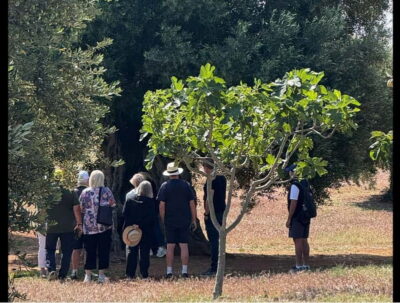
Masseria tour among thousand-year-old olive trees with oil tasting
Read our review →
Olive Grove Tour with Wines & Olive Oil Tasting
Read our review →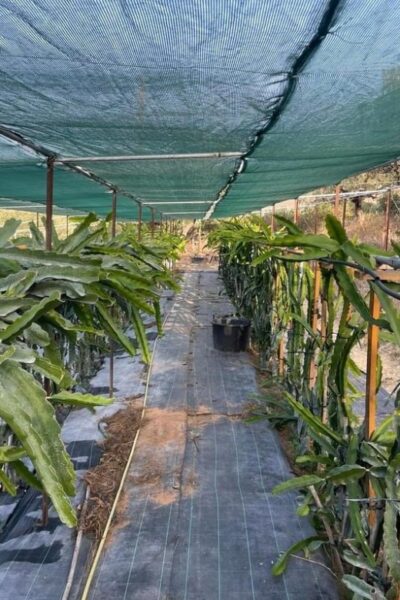
Traditional Olive Grove and Dragon Fruit Farm Tour
Read our review →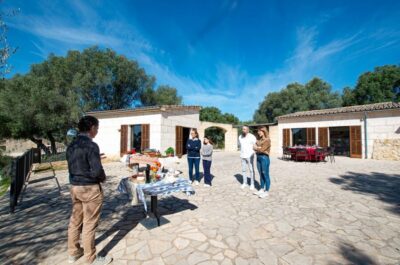
Visit of the olive grove, olive oil tasting and snack
Read our review →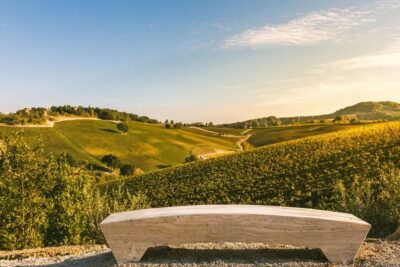
Bologna: Olive Grove and Vineyard Tour with Product Tastings
Read our review →
Balestrate Olive Grove Tour: Wine and Olive Oil Tasting
Read our review →
Guided tours of the olive grove with oil tasting.
Read our review →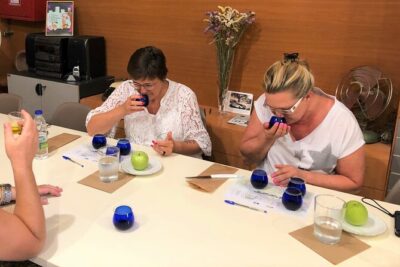
Organic Olive Grove tour & Olive oil tasting & lunch in Kalamata!
Read our review →Browse the lists this tour appears in