
Review · OLIVE OIL AND WINE TASTINGS
Orange & Natural Wines Of Greece with Cheese & Olive Oils
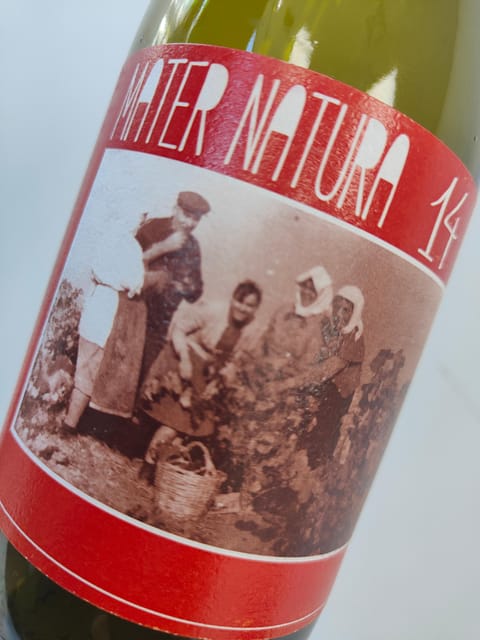
Greek wine gets far more interesting once you move beyond the familiar labels. This one-hour tasting with Anton introduces six organic, biodynamic, natural, or orange wines, along with Greek olive oils and small food pairings. The unusual part is the focus on limited-production bottles and old grape varieties, not simply a parade of standard pours.
I like two things here: the practical food pairings, which show you how herbs, spices, cheese, and grape must change a wine, and the close look at extra virgin olive oil, a Greek staple that deserves more attention than a quick dip of bread. The possible drawback is the short format. One hour gives you a focused introduction, but not time for a long meal or a broad survey of every Greek wine region.
Key points
- Six distinct wines: Taste organic, biodynamic, natural, and orange styles rather than six similar table wines.
- Anton leads the tasting: His English is strong, and he can tailor the session and suggest wineries for the rest of your trip.
- Greek food pairings: Cheese, small ancient-inspired nibbles, herbs, spices, condiments, and concentrated grape must accompany the pours.
- Olive oil gets proper attention: Learn how extra virgin olive oil fits into Greek food culture and tasting.
- Rare bottles may be available: Some wines come from batches of only 200 bottles and can be bought or shipped through the shop.
- A compact adult activity: The tasting lasts one hour, costs $41 per person, and is limited to people aged 18 to 95.
Six Greek wines in one focused hour
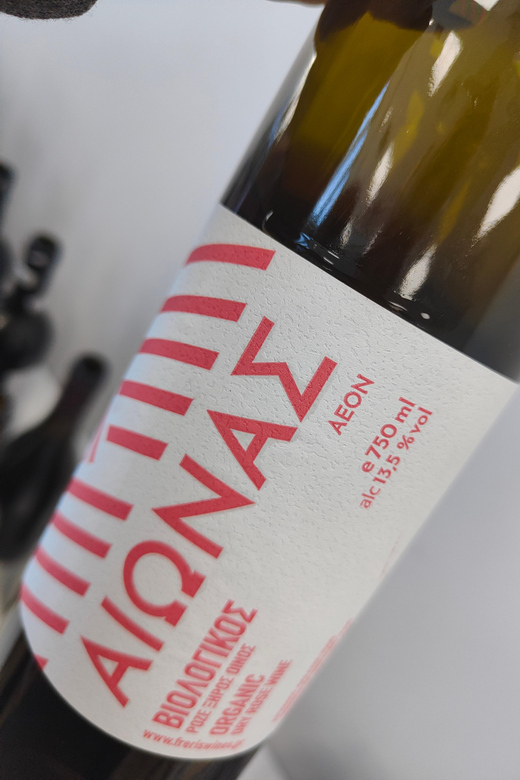
This is not designed as a long vineyard visit with a drive through the countryside. It is a compact tasting built around six glasses and the stories behind them. That makes it easy to fit into a day in Central Greece, especially if you want a food-related activity that does not take half a day.
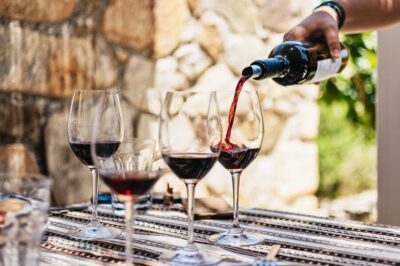
The wines may come from several Greek islands and regions. Anton uses the selection to show how Greece’s native grapes, weather, and old production methods shape the final drink. You may taste wines made in clay amphorae, stainless steel, cement, or oak, with some bottles aged for a long time before release.
That variety matters. A tasting of six wines can feel repetitive if every bottle has the same style. Here, the point is contrast. Organic and biodynamic wines bring one set of farming questions. Natural wines raise questions about intervention and fermentation. Orange wine, made by allowing white grapes to ferment with their skins, gives you a very different color, texture, and flavor from the usual crisp white.
The six pours are not presented as isolated samples. You are shown how each wine works with food and why a producer might choose one vessel or aging method over another. I like that approach because it gives you something useful to take home. You are not only deciding which bottle you prefer. You are learning how to read a wine.
More Olive Oil and Wine Tastings in Athens
- Athens: Acropolis Wine Tasting with Cheese and Olives
★ 4.9 · 337 reviews - From Athens: Olive Oil Tasting, Olive Grove & Wine Experience
★ 5.0 · 13 reviews - Full day tour Ancient Corinth with wine or olive oil tasting
★ 5.0 · 6 reviews
Why Greek natural wine deserves attention
Greek wine has an unusually deep pool of native grape varieties. The experience points to more than 340 indigenous ancient varieties, many of which are unfamiliar outside Greece. That gives Greek producers plenty of material to work with, especially when they want to make bottles that do not taste like generic international wine.
The local conditions also help. Dry winds, hot days, and reliable native grapes can support wines with a clear sense of place. That does not mean every bottle will suit every palate. Natural wines can be less predictable than conventionally made wines, and some may show sharper acidity, stronger texture, or unusual aromas. The benefit is that you get a more individual bottle.
Organic and biodynamic describe farming choices, while natural refers more broadly to a low-intervention approach in the cellar. These labels do not guarantee that you will love the wine. They do help frame the discussion. Anton explains the importance of these methods and connects them to the way Greek producers are working with older traditions and modern science.
The word real appears in the experience description, but I would treat it as a useful talking point rather than a strict category. Wine is still wine, and taste matters most. The value here is the chance to compare styles side by side and decide what you actually enjoy.
Orange wine is likely to be the conversation starter
Orange wine is often the bottle people remember from a tasting like this. It is not wine made from oranges. It is usually white wine made with extended skin contact, which can give it a deeper color and more grip than a standard white.
You may notice more texture and a broader feel on the palate. The color can range from gold to copper, and the taste can be more earthy or savory than expected. It can also pair well with stronger foods than a light white wine.
One of the clearest pieces of feedback about this tasting singled out the orange wine as a favorite, while still praising the whole selection. That fits the format: if you already know the usual reds and whites, orange wine gives the session a fresh angle. If you prefer clean, familiar whites, it may be the bottle you like least. Either reaction is useful.
I appreciate that the experience does not treat orange wine as a passing fad. It places it beside organic, biodynamic, and natural wines as part of the current Greek wine story, with older techniques and new interest meeting in the same glass.
Pairings that teach more than cheese alone
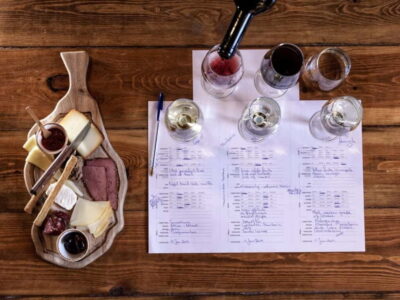
The food is not just there to keep you from tasting on an empty stomach. The pairings are meant to show how wine changes with what you eat. You can expect cheese, small nibbles, extra virgin olive oil, herbs, spices, condiments, and concentrated grape must.
The tasting uses a simple rule: a powerful wine needs food with enough force to meet it, while a complex wine can work with a complex dish. That gives you a practical way to think about pairing without needing a long vocabulary lesson.
Herbs and spices are especially useful in this setting. A wine that seems too sharp or too plain on its own can change when matched with the right seasoning. Olive oil can soften a bite and add weight. Grape must, the concentrated juice of grapes, links the food to the wine in a direct way.
The nibbles are described as small and ancient-inspired, so you should not book this expecting a full Greek lunch. Think of food as part of the tasting lesson. If you need a substantial meal, plan one before or after.
More Olive Oil and Wine Tastings in Greece
- From Chania: Olive Oil, Wine, Cheese & Honey Tasting Tour
★ 4.6 · 490 reviews - From Chania: Wine and Olive Oil Tasting Tour with Snacks
★ 4.8 · 354 reviews - Crete Wine and Olive Oil Tour
★ 5.0 · 272 reviews - Crete: Full-Day Cretan Wines, Olive Oil, Raki and Food Tour
★ 5.0 · 264 reviews
Extra virgin olive oil gets its own moment
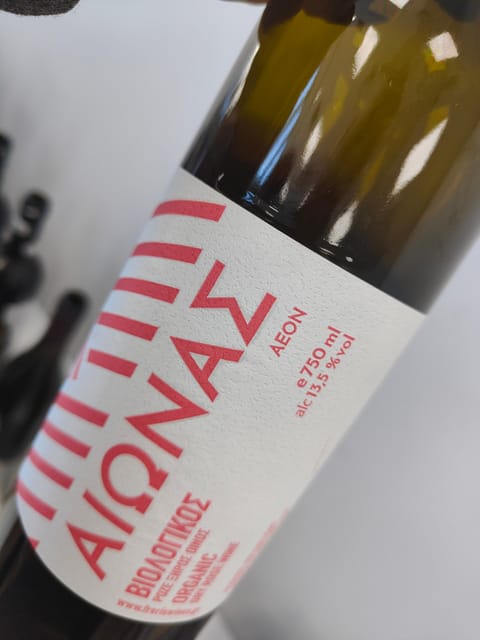
Many Greek food experiences treat olive oil as background material. This one gives it a proper role. You learn about extra virgin olive oil and how to notice the qualities that separate it from ordinary cooking oil.
That is valuable because olive oil is one of the easiest things to bring into your own kitchen. Wine can be difficult to transport, store, and match with meals. A better understanding of olive oil is immediately useful when you shop, cook, or order food in Greece.
The experience also connects oil to the wider tasting. You can compare how its fruitiness, bitterness, or peppery character works with cheese and other small bites. The supplied information does not give a formal list of olive oil samples, so I would not assume a long oil flight. The clear promise is that olive oil receives meaningful explanation and tasting attention alongside the wines.
For me, that makes the session more than a wine lesson. It becomes a short introduction to two major parts of Greek food culture.
Anton brings the bottles to life
Anton is the host named in the experience feedback, and the comments consistently point to his teaching style. He is the owner of the wine shop and a sommelier, with a warm manner, strong English, and a talent for explaining flavors and production without making the subject feel stiff.
That matters in a one-hour session. There is no room for a long lecture before the first pour. You need a guide who can give context quickly, answer questions, and adjust the conversation to the people at the table.
Anton has also recommended other wineries for visitors continuing through Greece. That can be useful if you are planning a broader wine trip and want suggestions beyond this tasting. It does not mean the activity includes visits to those wineries. It means the host can help you place the bottles in a larger Greek wine itinerary.
The strongest praise focuses on his ability to make unfamiliar wines accessible. That is important with natural and orange wines, which can confuse people who expect every glass to taste polished and predictable. You should come ready to ask what you are tasting and why it was made that way.
Amphorae, cement, steel, and oak
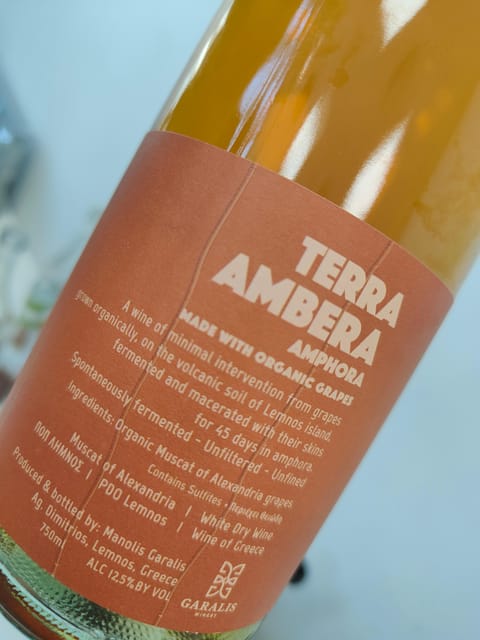
Greek winemaking here is presented through both old and new tools. Some bottles are made in clay amphorae, a method linked to ancient wine production. Others use stainless steel or plain cement, with a smaller influence from oak barrels and longer bottle aging.
Each vessel can affect how a wine develops, though the experience is not simply a technology demonstration. The useful question is why a producer chose that vessel for that grape and style.
Clay can connect a bottle to old Greek practice. Stainless steel often helps preserve freshness and clear fruit. Cement can allow a different shape and texture without adding obvious oak flavor. Oak may bring spice, toast, or a rounder feel, depending on how it is used.
The point is not to decide that one method is best. You compare the results. I like this part because it gives you a better question to ask when you visit a wine shop: not just what grape is in the bottle, but how the producer made it.
Limited bottles and what you can take home
Some wines in the tasting are made in very small quantities, as few as 200 bottles. That gives the session a sense of discovery, though it also creates a practical limit. A wine you love may not be easy to find later.
Certain bottles are available exclusively through the provider’s shop, with the option to buy or ship them. If you are considering a purchase, ask about shipping before you commit. The supplied details confirm that shipping is possible, but do not give destination countries, costs, or delivery times.
This is one reason the tasting can be more useful than ordering a random Greek wine at dinner. You can taste first, ask about the production, and decide if the bottle earns space in your luggage or home collection.
Still, do not measure the $41 price only by the chance to buy a rare bottle. The main value is the tasting and instruction. The shop access is an extra benefit, not a guarantee that every sample will be available in unlimited supply.
Is $41 a fair price for one hour?
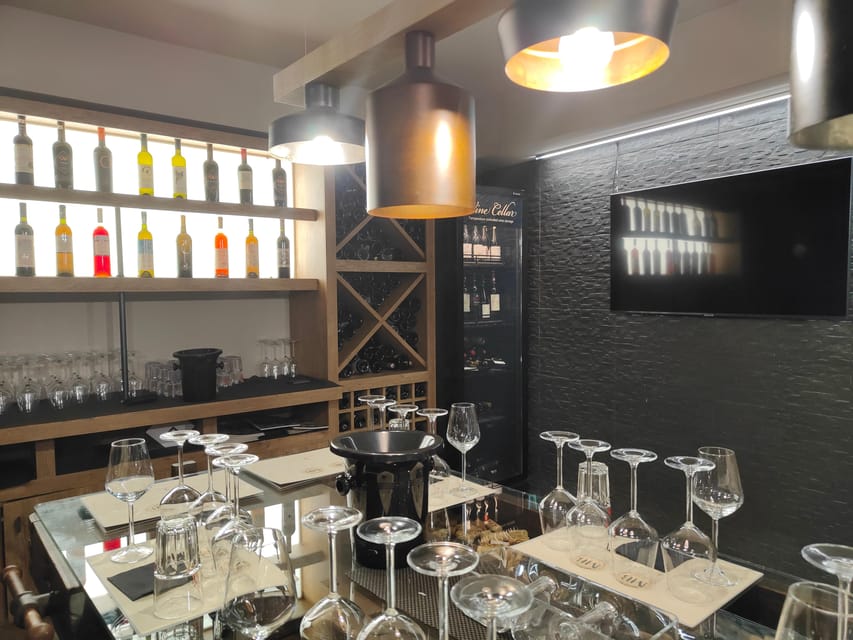
At $41 per person, this is not the cheapest drink in Greece. It is also not priced like a full wine dinner. You receive six wines, food pairings, olive oil tasting, and an English-language explanation of organic and natural winemaking.
For me, the value depends on what you want from the hour. If you simply want a glass of wine, this is too much. If you want a guided comparison of unusual Greek bottles and a better understanding of olive oil, the price is reasonable, especially when rare small-batch wines are included.
The short length helps and hurts. You can fit it into a busy sightseeing day, but you will not get a leisurely meal or an exhaustive study of Greek wine. The format works best when you arrive curious and focused.
The tasting has a perfect five-star rating from seven published bookings, and the repeated praise centers on Anton’s clear explanations, warmth, English, and unusual wine selection. I would give that feedback weight, while remembering that a small number of ratings cannot predict every palate.
Who should book this tasting?
I would recommend it to adults who want to understand Greek wine rather than simply drink a familiar bottle. It is a good match for people interested in low-intervention farming, native grapes, orange wine, food pairing, and olive oil.
It also suits a couple or small group with different wine preferences. One person can focus on the history and methods while another concentrates on flavors and pairings. The range of styles gives you more to discuss than a tasting built around one grape.
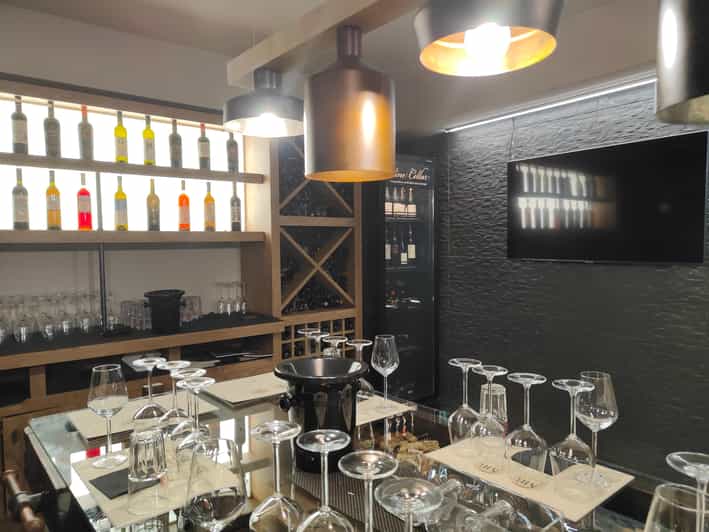
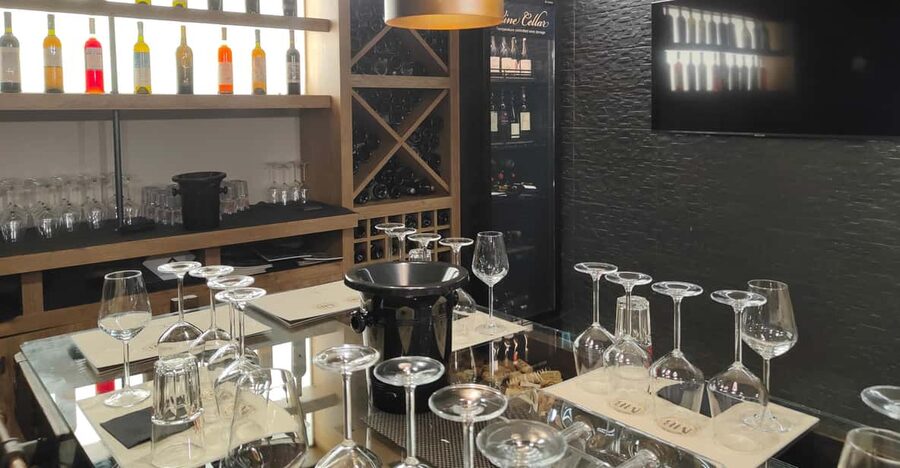
This is less suitable if you dislike unusual wines, want a large meal, or expect a vineyard tour. No transport, winery visit, or broad meal is included in the supplied details. The setting appears connected with CRU BEE-HAVING Wine & Olive Oil Tastings, but the exact room or shop layout is not specified, so do not plan around a scenic vineyard setting.
The activity is for adults aged 18 to 95. It is taught in English. You can cancel up to 24 hours before the start for a full refund, and reserve now while paying later, which helps if your Greece schedule is still shifting.
My call on the one-hour experience
Book this if you want a compact, well-guided introduction to the less familiar side of Greek wine. The strongest reasons are Anton’s clear teaching, the six varied bottles, the orange wine focus, and the useful pairing work with olive oil, spices, cheese, and grape must.
Skip it if you are looking for a full meal, a long winery outing, or a large group party. For everyone else, $41 buys more than six pours. You get a practical lesson in how Greece’s native grapes and old production ideas are being used in modern wine, plus a few ideas you can use at home.
FAQ
How many wines are included?
The tasting includes six wines. They are described as organic, biodynamic, natural, or orange wines from Greece.
How long does the tasting last?
The experience lasts one hour. Starting times depend on availability.
What food is served with the wine?
You receive nibbles and pairings that can include cheese, herbs, spices, condiments, concentrated grape must, and extra virgin olive oil.
Is olive oil included in the tasting?
Yes. The experience includes extra virgin olive oil and explains its importance and hidden qualities.
Who leads the experience?
Anton leads the tasting. He is described as a sommelier and the owner of the wine shop, and the activity is taught in English.
Is the activity suitable for children?
No. It is not suitable for children under 18 years old.
Can I cancel or pay later?
You can cancel up to 24 hours in advance for a full refund. You can also reserve now and pay later.
More Cheese Tastings around Greece
- DISCOVER SORRENTO, food &Walking tour . Lemons-cheese&olive oil
★ 4.5 · 34 reviews - Full-Day Chocolate, Cheese, Olive and Wine Tour from Stellenbosch
★ 5.0 · 13 reviews - Private wine, Extra Virgin Olive Oils & Cheese Tasting
★ 4.0 · 12 reviews - Olive Oil, Cheese, and Wine Tasting with Local Expert
★ 5.0 · 12 reviews
Newest grove reviews around Greece
- Corinthian olive oil tour & tasting experience★ 5.0 · 4 reviews
- Corfu: Olive Oil & Wine Tastings & Traditional Villages Tour★ 5.0 · 6 reviews
- Corfu: Organic Olive Oil Farm Tour with Transfer and Tasting★ 5.0 · 8 reviews
- Chania Private Olive Oil Tour: Oil Tasting & Villages Tour★ 4.4 · 9 reviews
- Chania: Authentic Crete Villages Tour & Olive Oil Tasting★ 4.5 · 2 reviews
- Chania Olive Tour: 3,000-Year-Old Tree, Museum &Organic Mill★ 5.0 · 5 reviews
- Chania E-Bike Adventure: Culture, Coastline & Olive Tasting★ 5.0 · 2 reviews
- Athens: Cretan Olive Oil Tasting Experience★ 5.0 · 10 reviews
Olive Oil and Wine Tastings, compared.
Sorrento Farm and Food Experience including Olive Oil, Limoncello, Wine tasting
Read our review →
Krka Waterfalls With Boat Cruise, Wine and Olive Oil
Read our review →
Lemon, Olive Oil and Wine Tasting Tour with Lunch
Read our review →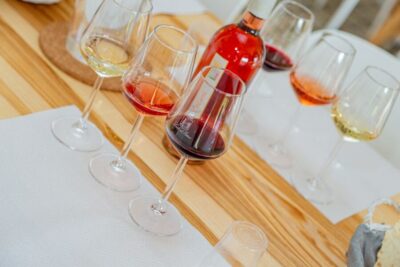
Browse the lists this tour appears in