
Review · ITALY OLIVE OIL TOURS
Verona centro: Olive Oil Tasting Experience
The clever part of this Verona tasting is that it turns a familiar pantry staple into something you can judge for yourself. Filippo guides you through three selected extra virgin oils, explaining how olive variety, production, and origin affect the taste. I like the practical focus: you are not just sipping oil, you are learning what to notice when you buy it.
I also like the generous food pairings, with bread, cheese, salami, and sometimes vegetables joining the tasting. The main drawback is time: one hour passes quickly, so this suits a focused introduction rather than a full visit to an olive farm or mill.
Key points before you book
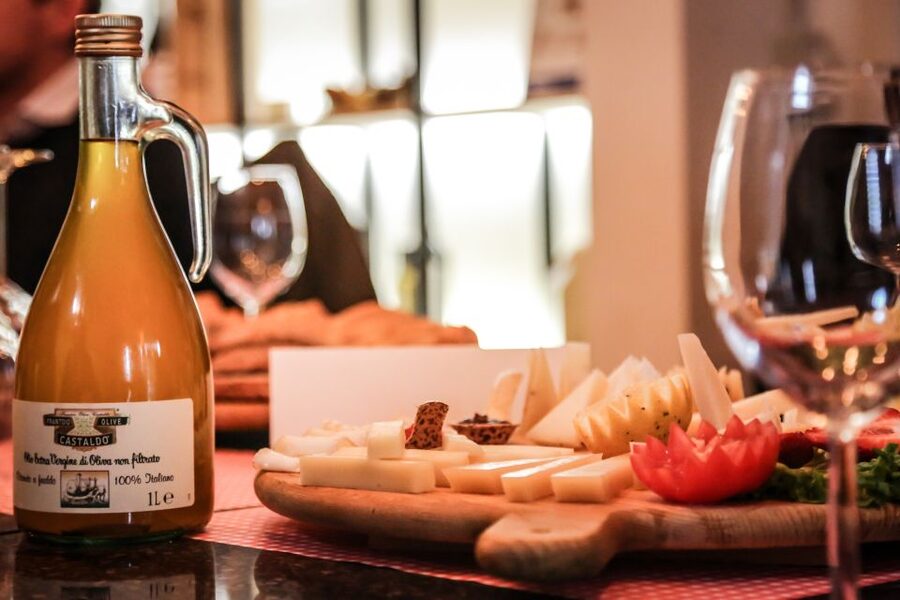
- Three chosen oils: Compare different extra virgin olive oils instead of tasting only one.
- Filippo leads the session: Expect clear explanations about origin, production, and tasting technique.
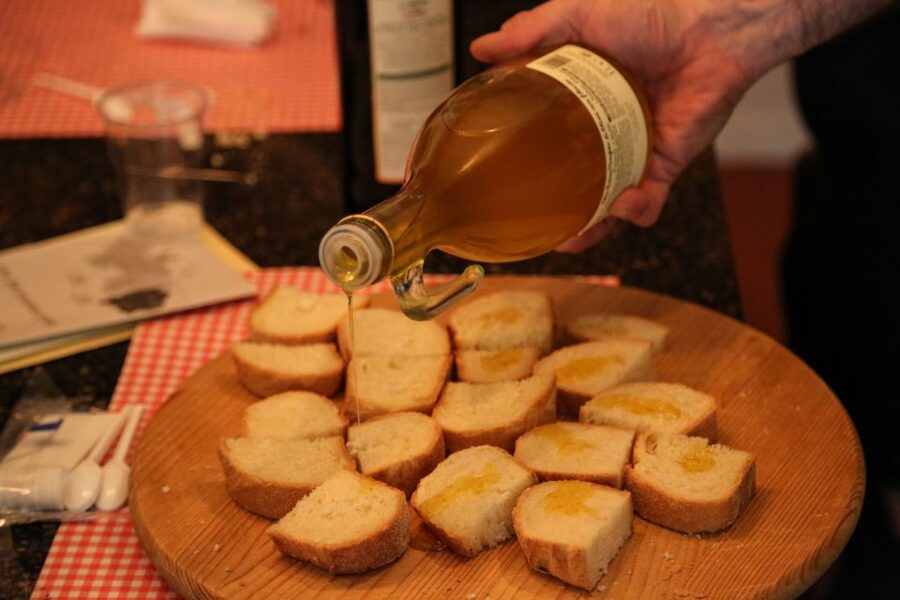
- Food makes the lesson practical: Try oil with bread, cheese, salami, and other regional foods.
- A historic Verona shop: The meeting point is La Bottega di Verona in the city center.
- Small-scale, personal feel: The family-run shop gives the session a direct connection to local food.
- Bring allergy details: Tell the provider about any food intolerances before you attend.
Starting at La Bottega di Verona
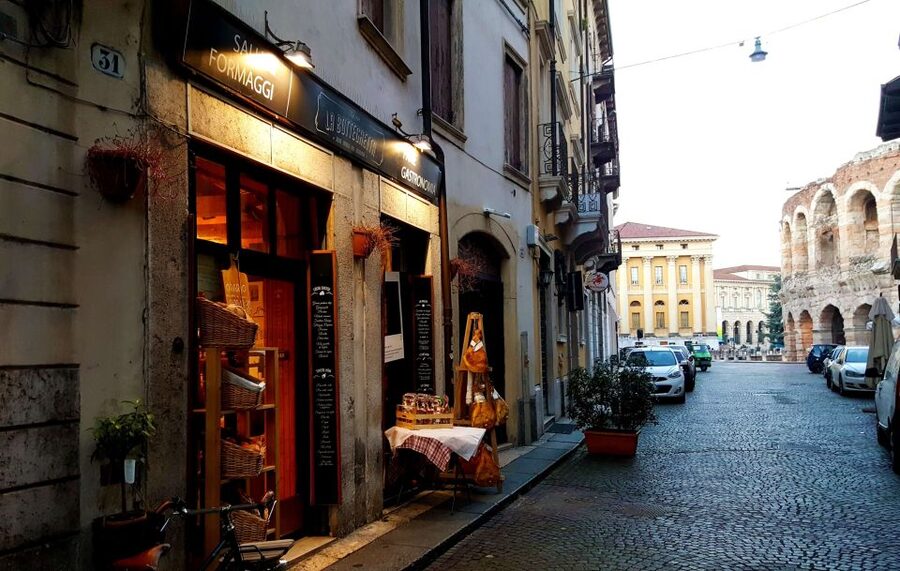
Your meeting point is La Bottega di Verona, a historic shop in central Verona. That location matters. You do not need to spend half a day reaching a farm outside the city, and the tasting fits neatly between sightseeing stops, lunch, or an evening aperitivo.
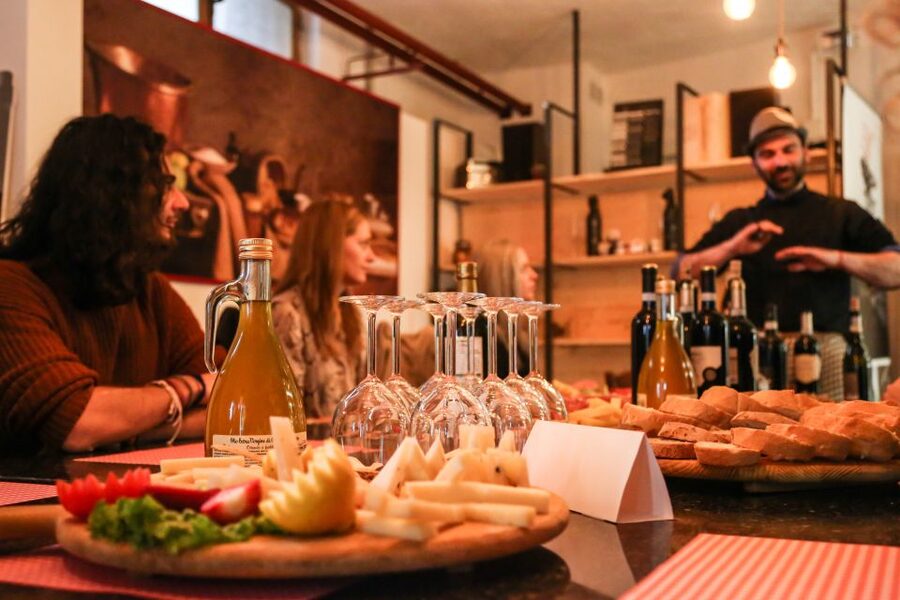
The experience provider is La Botteghetta La Bottega di Verona. The shop is family-run, and that personal setting shapes the session. Instead of a large demonstration with a script and a quick sales pitch, you can expect a direct conversation about the products on the table.
Filippo is the guide most closely associated with the tasting. He speaks English and Italian, while Russian is also listed among the guide languages. His role is not only to pour the oil. He explains where the oils come from, how they are made, and why two bottles labeled extra virgin can taste quite different.
I would arrive ready to ask questions. The session is short, and the value comes from the discussion as much as from the food. If you have ever bought olive oil based only on a pretty label or a familiar country name, this is your chance to replace guesswork with a few useful habits.
More Olive Oil Tours around Italy:
- Sorrento Farm and Food Experience including Olive Oil, Limoncello, Wine tasting
★ 5.0 · 2,524 reviews - Olive oil tasting in Sorrento
★ 5.0 · 434 reviews - Sorrento: Lemon, Olive Oil and Wine Tasting Tour with Lunch
★ 5.0 · 300 reviews
Learning what extra virgin really means
Extra virgin olive oil is common on Italian tables, but common does not mean simple. The label tells you something about the oil, yet it does not tell you everything about flavor, freshness, or how it will work with food.
Filippo starts with the basics: the history of olive oil, production methods, olive varieties, and different uses. You will hear about both everyday and less familiar ways to use it. The point is not to turn you into an oil scientist. It is to give you a vocabulary and a method you can use at home.
The tasting is drawn from a much larger selection. The shop has access to around 500 types of oil, and the session presents a small group chosen to show clear differences. That is a better teaching setup than trying to sample a dozen nearly identical oils. Three examples give your palate enough contrast without turning the hour into a chore.
Pay attention to the order and the explanations. You may notice differences in aroma, bitterness, peppery heat, fruitiness, and texture. Those qualities are not flaws simply because they seem stronger than supermarket oil. A sharp finish can be part of a fresh, well-made extra virgin.
The most useful lesson is learning that oil should be judged on its own first, then with food. Bread gives you a clean, simple base. Cheese and salami show how the oil behaves beside salt and fat. Other foods mentioned in the tasting include tomatoes, aubergines, and zucchini, which can show how oil changes a familiar dish.
Three oils, several ways to taste them
The advertised tasting includes three different oils. Each one gives you a comparison point, and the contrasts are the heart of the experience.
First, you taste and smell the oil without much interference. This helps you notice what is in the oil itself. You might find one mild and rounded, another more grassy or fruity, and another more peppery. The session is designed to help you recognize these differences rather than simply decide which one tastes strongest.
Next comes the food. Bread is an obvious partner, but it is useful because it lets the oil remain the main flavor. Cheese and salami add salt and richness, so you can judge which oils hold their own beside stronger ingredients.
Some tastings have included tomatoes, aubergines, and zucchini as well as bread, cheese, and salami. The exact spread may vary, but you can expect the oil to be treated as a food ingredient, not merely as a drinkable sample. That is important for anyone who wants practical ideas for using a bottle after returning home.
One detail worth noting is that a recent session included four oils instead of the advertised three. You should plan on three, but an extra sample may appear depending on the host and the products available. Do not book expecting a larger flight every time.
The experience also includes still or sparkling water. A glass of wine is available upon request. Wine is a pleasant addition, but it is not the reason to book. The oils and the food pairings are the main event.
Production secrets in plain language
The production section gives the tasting some needed context. Olive oil is not simply pressed fruit with a single standard flavor. The olive type, harvest, handling, and production choices all shape the final bottle.
You will learn about production methods and the path from olive to oil. The guide also explains regional traits, with particular attention to oils connected to the area. This helps you see Italian olive oil as a collection of local traditions rather than one uniform national product.
I appreciate that this information is tied to the samples in front of you. A lesson on production can become dry if it stays abstract. Here, you can connect the explanation to the color, smell, and finish of each oil.
The tasting also covers common and less common uses. That makes the class useful beyond a visit to Verona. You may leave thinking differently about which oil belongs on bread, which one suits vegetables, and which one can add punch to a stronger dish.
The session will not cover every technical detail of agriculture, chemistry, or olive farming. In one hour, it cannot. Think of it as a clear introduction with enough detail to make your next bottle easier to understand.
Same groves, a different afternoon:
- Alghero: Wine and Olive Oil Tasting at a Local Farm
★ 4.8 · 294 reviews - Ostuni: Masseria tour among thousand-year-old olive trees with oil tasting
★ 4.8 · 261 reviews - Balestrate: Olive Grove Tour with Wines & Olive Oil Tasting
★ 5.0 · 241 reviews - Bardolino: Vineyard Tour with Wine, Olive Oil & Food Tasting
★ 4.6 · 221 reviews
Why the food plate matters
At $53 per person, the price is not just paying for a few spoonfuls of oil. You are also receiving a guided lesson, a plate of salami, cheese, and bread, additional pairings, water, and the chance to ask questions in a central Verona shop.
That makes the food important to the value. If you already plan to eat before or after the session, the tasting may feel like a small meal as well as a class. If you are looking for a full lunch, do not count on it. The included plate is part of the tasting, not a restaurant menu.
The pairings also keep the session grounded in Italian eating habits. Olive oil is often discussed as a product to buy, but its real test is at the table. Bread shows its basic character. Cheese and salami show how it works with regional staples. Vegetables can reveal how a drizzle changes a simple preparation.
I would avoid scheduling this immediately after a large meal if you want to notice the oils. A fresh palate helps, though the supplied food makes it easy to settle into the experience. You can also request wine, but remember that alcohol may make subtle flavor comparisons harder.
What the excellent score tells you
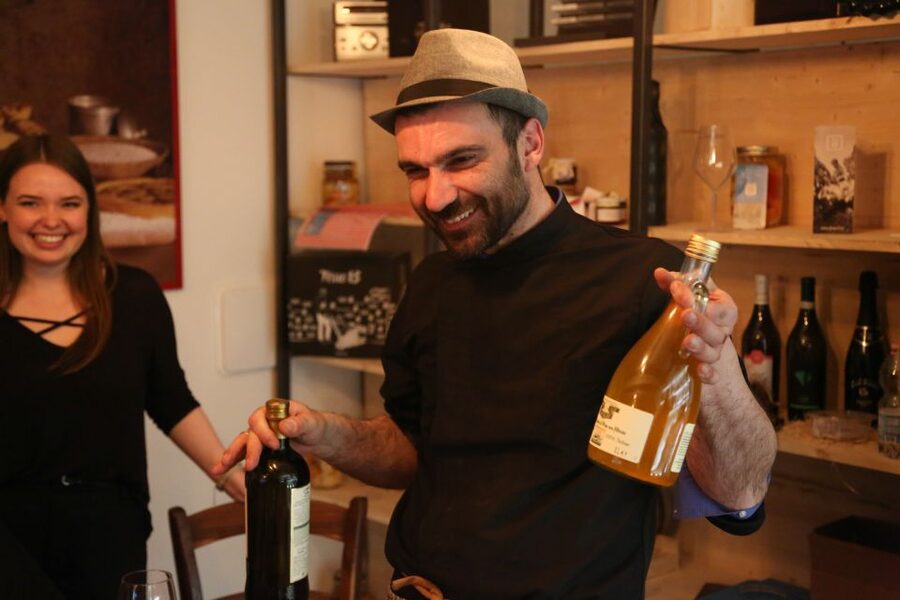
The experience currently carries a 4.9 out of 5 rating from 37 ratings. The praise centers on a few clear points: Filippo’s patience, his command of the subject, the relaxed welcome, and the time he gives to questions.
One especially useful detail is that private-feeling sessions can happen. One recent booking had only two people, which allowed the guide to explain regional differences and proper tasting technique at an unhurried pace. You should not assume every departure will be that small, but the format appears suited to personal conversation.
The family-run setting also receives strong emphasis. You can expect a host who cares about the products rather than a generic tasting presentation. That does not guarantee the same guide at every time, but Filippo is specifically praised for being friendly, patient, professional, and generous with explanations.
The German-language comments also point to a practical benefit: the tasting helps you choose a favorite oil, not merely collect facts. That is the best measure of a food experience. You should leave with a clearer sense of what you like and why.
Who will get the most from this hour
This tasting is a good choice if you enjoy food, want a compact activity in central Verona, or plan to bring olive oil home. It also works well for couples and small groups who prefer conversation to a large organized tour.
It suits beginners particularly well. You do not need prior knowledge of olive oil, and the guide builds the lesson around simple comparisons. If you already know a great deal about oil production, the introductory material may feel basic, though the regional samples and direct questions can still make it worthwhile.
Families should consider the food preferences of everyone attending. Bread, cheese, salami, and vegetables are part of the experience, and the provider asks you to report food intolerances. Do this before arrival so the host can respond appropriately.
This is less suitable if you want to visit olive groves, watch pressing, or spend several hours with a producer. The experience takes place at the city shop and lasts one hour. Its strength is focus and convenience, not a long countryside excursion.
Timing, languages, and booking flexibility
The duration is one hour, with starting times dependent on availability. That makes it easy to fit into a Verona day, but you should check the time carefully before booking. A short activity is useful only if you can reach the shop without rushing from another appointment.
English and Italian are listed for the host or greeter. Russian is also listed among the guide languages. If language is important to your group, confirm the available guide language for your chosen time.
Cancellation is flexible up to 24 hours before the experience for a full refund. You can also reserve now and pay later, which helps if your Verona plans are still shifting. These policies are practical, but the real booking question is whether you value a guided food lesson more than simply buying a bottle in a shop.
Should you book the Verona olive oil tasting?
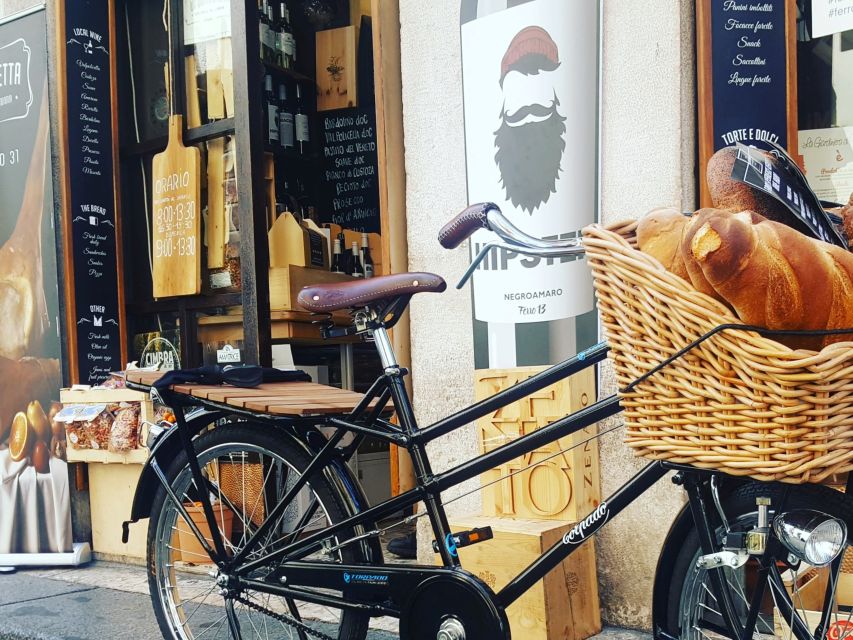
I would book this if you want a compact, local food experience with real instruction rather than a quick sample and a sales counter. The combination of Filippo’s explanations, three contrasting oils, and food pairings gives you something useful to take home, even if you never buy the featured products.
At $53, it is not the cheapest way to taste olive oil. The price makes more sense if you count the guided lesson, the food plate, the central location, and the chance to ask detailed questions. It is also a good pick on a rainy day or when you need a one-hour break from churches and Roman ruins.
Skip it if you are hoping for a farm visit, a long meal, or a technical master class. Book it if you want to understand what is in your bottle, how to taste it, and how to use it with everyday Italian food.
FAQ
Where does the olive oil tasting take place?
The meeting point is the historic shop La Bottega di Verona in central Verona, Veneto, Italy.
How long does the experience last?
The tasting lasts one hour. Starting times depend on availability.
How many olive oils will I taste?
The experience includes a tasting of three different extra virgin olive oils. A recent session included four, but you should expect three as the standard format.
What food is included?
You receive different combinations of bread and cheese, plus a plate of salami, cheese, and bread. Some sessions have also included tomatoes, aubergines, and zucchini.
Is wine included?
A glass of wine is available upon request. Still or sparkling water is included.
Which languages are available?
English and Italian are listed for the host or greeter. Russian is also listed as a guide language.
Do I need to report food intolerances?
Yes. You should inform the provider of any food intolerances before attending.
Can I cancel or pay later?
You can cancel up to 24 hours in advance for a full refund. Reserve now and pay later is also available.
Newest grove reviews around Italy
- Buti: Olive Oil Ancient Mill Tour and Tasting Experience★ 5.0 · 2 reviews
- Cagliari: Wine and Olive oil Experience + Oil Mill Museum★ 5.0 · 2 reviews
- Bevagna: Olive Oil Mill Tour with Guided Tasting★ 5.0 · 6 reviews
- Bari: narrated extra virgin olive oil tasting with aperitif★ 4.5 · 3 reviews
- Olive Mill Tour and Tasting in the Verona Countryside★ 5.0 · 9 reviews
- Soap and Olive Oil Experience★ 5.0 · 8 reviews
- Olive Oil Tasting & Mill Guided Visit in Perugia★ 4.9 · 12 reviews
- Puglia Olive Oil Tasting Experience with Olive Grove Walk★ 4.5 · 10 reviews
Italy Olive Oil Tours, compared.
Sorrento Farm and Food Experience including Olive Oil, Limoncello, Wine tasting
Read our review →
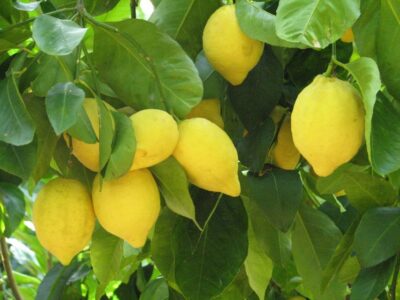
Lemon, Olive Oil and Wine Tasting Tour with Lunch
Read our review →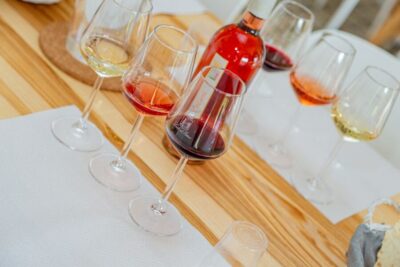
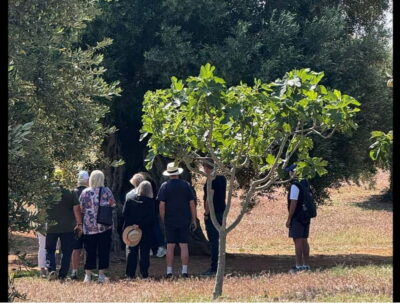
Masseria tour among thousand-year-old olive trees with oil tasting
Read our review →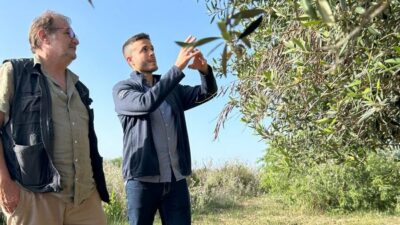
Olive Grove Tour with Wines & Olive Oil Tasting
Read our review →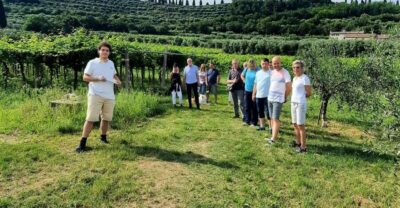
Vineyard Tour with Wine, Olive Oil & Food Tasting
Read our review →
Tuscany Bike Tour with Wine, Oil and Food in the Florentine Hills
Read our review →Browse the lists this tour appears in