
Review · ITALY OLIVE OIL TOURS
Tuscan ExtraVirgin Olive Oil Tour
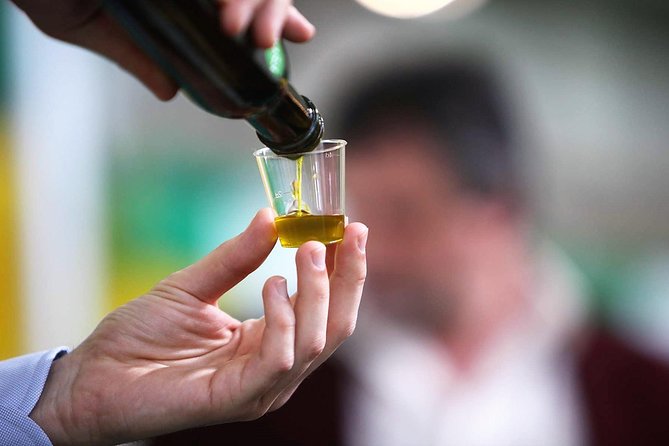
The best part of this Montepulciano outing is that you do not simply taste olive oil. You learn why one oil tastes fresh and peppery while another feels flat, then see how the oil reaches the table at a working mill. The meal turns the lesson into lunch, with typical Tuscan dishes built around the oils you have just studied.
I like the hands-on tasting class and the chance to compare three different oils. I also like the generous lunch, which includes wine and local dishes rather than a token snack. The main drawback is clear: this is an oil mill visit, not a walk through an olive farm, and the machinery may be more interesting to some people than to others.
Key points at a glance
- Three-hour olive oil lesson: Learn to judge color, fragrance, and flavor with an expert guiding the tasting.
- Working mill visit: See the machinery and learn how olives become extra virgin olive oil.
- Three oil varieties: Compare different oils and practice matching them with food.
- Substantial Tuscan lunch: Expect a full spread of local dishes, wine, and olive-oil-focused flavors.
- Small maximum group: The tour accepts no more than 16 people, which suits a class-style activity.
- Best timing tip: Late October may offer a better chance of seeing olive production in action.
Why this Montepulciano class is more than an oil tasting
Tuscan olive oil is easy to buy and surprisingly hard to judge. Attractive bottles, green labels, and words such as traditional do not tell you much about what is inside. This class gives you a practical way to assess the oil itself.
You begin with the basics of an official tasting. Color, for example, is part of the visual introduction, but it should not decide the whole verdict. You also work with fragrance and flavor, the senses that tell you far more about freshness and character.
The lesson focuses on two protected Tuscan categories: Terre di Siena DOP and Toscano IGP. Those labels connect the oil to a defined area and production standard, but the useful part for you is learning how to taste beyond the label.
The class is not presented as a formal food lecture. It is meant to be practical. By the end, you should have a better sense of how to spot a high-quality oil and how to use it with food at home. That makes this a good choice if you enjoy taking a small skill home from a trip instead of collecting another quick tasting.
More Olive Oil Tours around Italy:
- Sorrento Farm and Food Experience including Olive Oil, Limoncello, Wine tasting
★ 5.0 · 2,524 reviews - Olive oil tasting in Sorrento
★ 5.0 · 434 reviews - Sorrento: Lemon, Olive Oil and Wine Tasting Tour with Lunch
★ 5.0 · 300 reviews
Starting at 11:30 in Piazza Grande
The meeting point is Valdichiana Living, Piazza Grande 7, in Montepulciano. The scheduled start is 11:30 am, and the activity lasts about three hours before returning to the same meeting point.
That timing matters. You have the morning free for Montepulciano, then can make this the center of your midday plans. Since the tour ends where it begins, it is easier to fit into a day of sightseeing than an outing with a separate drop-off point.
Bring your mobile ticket and arrive ready for a meal as well as a class. The group maximum is 16 people. That is not a private tour, but it is small enough for questions and individual tasting instruction to be practical.
The experience may take place at a frantoio, the Italian word for an olive press, or at a wine and olive oil shop before the mill visit. The exact setting can affect the feel of the class. A shop may provide a polished tasting setup, while a frantoio gives you closer contact with the production side.
Learning to taste color, fragrance, and flavor
The tasting lesson is the heart of the outing. You work through the organoleptic qualities of the oil, a useful term for what your senses detect: color, aroma, and taste.
You will learn to look at the oil, smell it, and taste it with more purpose. The point is not to pretend that every visitor can become a professional taster in one afternoon. The point is to give you a clear vocabulary and a simple method.
The comparison of three varieties is especially useful. A single sample can taste pleasant simply because you have nothing beside it. Three oils let you notice contrasts in strength, fragrance, and finish.
The lesson also moves beyond the glass. You practice pairing oil with food, which is where the information becomes useful at home. A good oil may be wonderful over one dish and too forceful for another. This class helps you think about that difference rather than treating olive oil as one standard ingredient.
Keep an open mind about color. A green shade may look appealing, but fragrance and flavor tell you more about quality. The class is valuable because an expert can correct the common habit of judging the bottle or appearance first.
Seeing the machinery at the olive mill
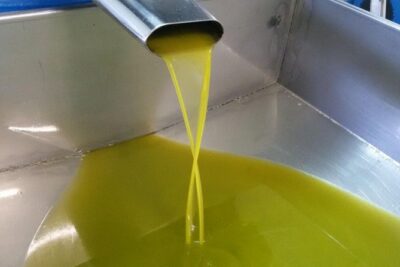
After the tasting lesson, you visit an oil mill producing extra virgin olive oil. This is the farm-to-plate part of the outing, though you should set your expectations correctly.
The focus is the mill and its machinery, not necessarily the olive groves where the fruit is grown. If your main goal is to walk among olive trees or see a working farm, this may feel narrower than you expected. If you want to understand the pressing process, the visit fits well.
The machinery tour explains the physical side of production. One version of the visit includes a video showing the machines at work, which helps if the equipment is not operating during your visit. That visual link can make the process easier to follow than a room of silent machinery.
Late October is worth considering if you want the best chance of seeing olive production in action. The timing of the harvest can vary, and no date guarantees a live pressing session, but late October was specifically noted as a good period for it.
You may also have time to shop at the factory store. That can be useful after the tasting because you will have a better idea of what you like. You are less likely to buy an oil simply because its bottle looks good.
Same groves, a different afternoon:
- Alghero: Wine and Olive Oil Tasting at a Local Farm
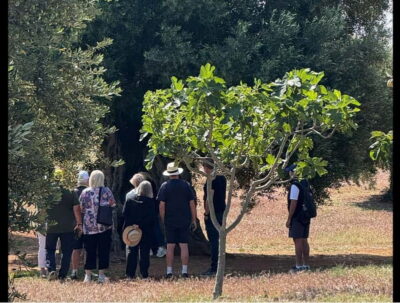
★ 4.8 · 294 reviews - Ostuni: Masseria tour among thousand-year-old olive trees with oil tasting
★ 4.8 · 261 reviews - Balestrate: Olive Grove Tour with Wines & Olive Oil Tasting
★ 5.0 · 241 reviews - Bardolino: Vineyard Tour with Wine, Olive Oil & Food Tasting
★ 4.6 · 221 reviews
The second tasting and the Tuscan lunch
The meal is not an afterthought. It is one of the strongest reasons to choose this tour if you enjoy food-focused outings.
The menu is designed around the oils, with typical Tuscan dishes selected to show how olive oil changes the flavor of a meal. Expect a generous spread rather than a small plate between tastings. Wine is included as part of the meal, adding to the sense that this is a midday food experience, not just a technical lesson.
Some versions of the outing include tastings at two different locations. The second stop may be at Frantoio Buraschi, where the tasting and meal are presented as a major part of the day. Since the exact order and locations can vary, it is sensible to treat the two-stop format as a possibility rather than a guarantee.
One practical warning: arrive hungry. The lunch is described as substantial, with plenty of food and wine. That is good value, but it also means this is not the right activity if you want a quick bite before an afternoon museum visit.
The meal gives the tasting a useful purpose. You do not just identify flavor in a cup. You see how the oil works with bread, prepared dishes, and other local products. That makes the lesson easier to remember and gives you ideas for using the bottle you may take home.
What the $149.23 price really covers
At $149.23 per person, this is not a cheap tasting. You are paying for a three-hour program that combines instruction, an oil mill visit, several oil samples, wine, and a full Tuscan lunch.
The value depends on what you would otherwise book. If you only want to sample olive oil for 20 minutes, the price will feel high. If you would normally pay separately for lunch, wine, a food tasting, and a guided production visit, the total begins to make more sense.
I would judge the price most favorably for people who care about food production and want a structured lesson. The expert instruction is the part that turns a meal into an activity with lasting value. You are not only consuming local products; you are learning how to compare them.
The value is also stronger if you plan to buy olive oil in Italy. After tasting three varieties and hearing how quality is judged, you can make a more informed choice at the mill shop or elsewhere. That practical benefit can outlast the three-hour visit.
For a family with young children, the price may be harder to justify if the children are not interested in tasting or machinery. For adults who enjoy food, wine, and regional products, the lunch helps balance the cost.
Who will enjoy this outing most
I would choose this tour if you like cooking, regional food, wine, or the small details behind familiar ingredients. It suits couples, food-focused friends, and visitors who want a break from churches, towers, and formal sightseeing.
It also works well for anyone who has never learned how to taste olive oil. You do not need prior knowledge. The point is to give you a method that feels manageable.
The activity may be less satisfying if your ideal Tuscan day means visiting a farm, walking through olive groves, or taking countryside photographs. The machinery visit is informative, but it does not promise that sort of rural setting.
The group limit of 16 keeps the lesson from becoming a large coach outing. Still, you should expect a shared class rather than a private session. If you want a completely tailored tasting, this may not be the right format.
Planning around the season and schedule
Late October is the most appealing time for visitors who want to see olive processing in action. The harvest period can give the mill visit more energy and make the machinery easier to understand.
The 11:30 am start creates a natural lunch schedule. You can explore Montepulciano beforehand, then return to Piazza Grande for the meeting. Because the tour ends back at the starting point, you can continue sightseeing afterward without arranging a separate transfer.
The outing is booked an average of 72 days ahead, so I would not leave it until the last minute if your dates are fixed. Confirmation is provided when you book, and the tour requires a minimum number of participants. If that minimum is not reached, the operator offers another date or experience, or a full refund.
Free cancellation is available up to 24 hours before the start time. Inside that window, the payment is not refunded, and changes are not accepted. The cutoff follows local Italian time, so check the clock carefully if you are changing plans from another time zone.
Should you book the Tuscan Extra Virgin Olive Oil Tour?
Book it if you want a food lesson with real local context, a working mill visit, three oil tastings, and a generous Tuscan meal. The strongest parts are the practical instruction and the chance to taste the oil alongside the dishes it is meant to improve.
I would be more cautious if you specifically want an olive farm visit. The available details point to machinery and production, not a guaranteed walk through the groves. In that case, ask the operator about the exact mill and stop locations before booking.
For most food-minded visitors in Montepulciano, the combination is appealing: learn how to taste, see how oil is made, then sit down to eat it. Just arrive hungry, and consider late October if live production is high on your list.
FAQ
Where does the Tuscan Extra Virgin Olive Oil Tour start?
It starts at Valdichiana Living, Piazza Grande 7, 53045 Montepulciano, Italy.
What time does the tour begin?
The scheduled start time is 11:30 am.
How long does the activity last?
The tour lasts approximately three hours.
Where does the tour end?
The activity ends back at the meeting point in Montepulciano.
What will I learn during the tasting?
You will learn to assess extra virgin olive oil through its color, fragrance, and flavor, and you will practice identifying quality and pairing oil with food.
How many olive oils will I taste?
The experience includes tastings of three different varieties of olive oil.
Does the tour include lunch and wine?
Yes. A special menu of Tuscan products and dishes is created to highlight the olive oil flavors, and wine is included with the meal.
Will I visit an olive oil mill?
Yes. The program includes a visit to an oil mill producing extra virgin olive oil. The visit focuses on the mill and its machinery.
Can I cancel for a full refund?
Yes. You can cancel at least 24 hours before the start time for a full refund. Cancellations or changes made less than 24 hours before the start time are not refunded or accepted.
Newest grove reviews around Italy
- Vernazza (5 Terre): olive grove tour and oil and wine tasting★ 5.0 · 9 reviews
- Villa Castelli: Highlights Walking Tour w/ Olive Oil Tasting★ 4.8 · 12 reviews
- Umbria: E-Bike Rental and Fresh EV Olive Oil Tasting★ 5.0 · 4 reviews
- Trieste’s Essence: Wine and Olive Oil Tasting★ 5.0 · 3 reviews
- Valpolicella Wine and Olive Oil Tasting with Lunch from Verona★ 5.0 · 2 reviews
- Half-Day Chianti Wine and Olive Oil Tour from Viareggio★ 4.0 · 5 reviews
- From Venice: Olive Oil & Wine Tour in the Venetian Hills★ 5.0 · 9 reviews
- Umbria: Guided tour to Traditional Olive Oil Mill and Tasting★ 5.0 · 2 reviews
Italy Olive Oil Tours, compared.
Sorrento Farm and Food Experience including Olive Oil, Limoncello, Wine tasting
Read our review →
Lemon, Olive Oil and Wine Tasting Tour with Lunch
Read our review →
Masseria tour among thousand-year-old olive trees with oil tasting
Read our review →
Olive Grove Tour with Wines & Olive Oil Tasting
Read our review →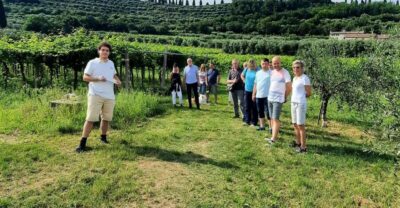
Vineyard Tour with Wine, Olive Oil & Food Tasting
Read our review →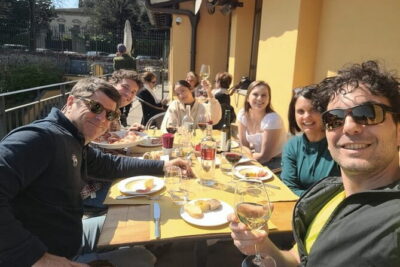
Tuscany Bike Tour with Wine, Oil and Food in the Florentine Hills
Read our review →Browse the lists this tour appears in