
Review · OLIVE MILL AND FACTORY TOURS
Salento: Olive Oil Mill Walking Tour with Tastings
The most interesting part of this Miggiano olive oil tour is its family connection: the farm has been producing oil since the 1700s and is now in its ninth generation. You learn how olives move from tree to bottle, then test your senses with several oils, bruschetta, fresh ricotta, local products, and wine.
I especially like the chance to learn a useful skill rather than just taste a product, and the small group limit of 10 should give you room to ask questions. The main consideration is that the advertised walking tour may be more of a mill visit and seated tasting in practice, so confirm the walking portion if that matters to you.
Key points
- Nine generations on one farm: Visit a family-run olive mill operating since the 1700s.
- A practical oil lesson: Learn how to identify different oils and judge their quality.
- Salento on a plate: Taste olive oil with bruschetta, fresh ricotta, local specialties, and a glass of wine.
- A small English-speaking group: The tour is limited to 10 people and lasts about two hours.
- A thoughtful look at sustainability: Hear about olive tree disease, reduced harvests, and efforts to find responsible solutions.
- Check the walking expectations: The experience includes the grove and mill, but one report describes it as mainly seated tasting.
Meeting a ninth-generation olive oil family in Miggiano
Miggiano gives this experience a strong local setting. You are not simply sampling bottles in a shop. You visit a working family farm in Salento, where olive trees have been cared for by the same family for centuries.
That continuity matters because olive oil is closely tied to Apulia’s food, farming, and village life. The family connection gives the visit a personal angle, and you can ask about both older methods and current production. Guides named Marta, Maria, and Emmanuele have led or supported similar visits, with English available for the tour.
The farm has won awards, but the more useful point is what you learn about the oil itself. Awards can help, yet your own taste and understanding are better tools when you are choosing a bottle in an Italian food shop later.
The setting is also a good fit if you want an activity connected to Salento rather than another church, beach, or city walk. It offers a look at a working rural tradition near Lecce, with food and farming at the center.
More Olive Mill and Factory Tours in Italy
- Bardolino: Lake Garda Oil Mill Tour with Olive Oil Tasting
★ 4.9 · 205 reviews - Lecce to Galatina E-Bike: Olive Mill & Wine Tasting + Taxi back
★ 5.0 · 54 reviews - Olive Oil Tour Visit to the oil mill and olive oil tasting
★ 5.0 · 53 reviews
Walking among the olive trees
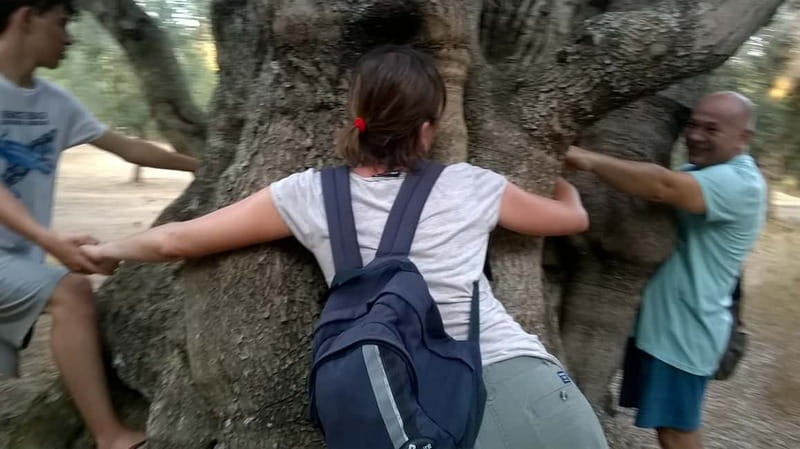
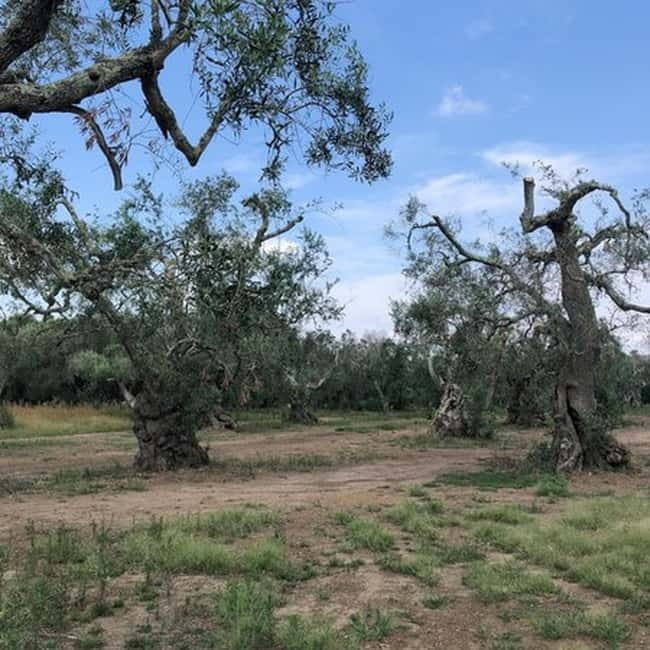
The planned visit includes a stroll through the olive grove and the mill. That should give you a clearer sense of the work behind each bottle. Olive oil can seem simple on a restaurant table, but the grove helps connect the finished product to the trees, harvest, and seasons.
You can expect explanations about how the family tends its trees and how olives are handled before pressing. The farm’s long connection to the land is part of the lesson, not just decoration. The trees are described as having been cared for by the same family for generations.
There is one practical warning. One person who took the activity described it as only sitting and tasting rather than a walking tour. This may have been a variation on that particular visit, but you should not book it expecting a long countryside hike. The two-hour format also suggests a compact visit rather than a full farm day.
If walking through the grove is important to you, ask the operator to confirm how much time is spent outside and how much time is spent seated. If your main goal is learning and tasting, the limited walking may not be a serious problem.
Inside the olive mill and production areas
The mill visit explains the production process from tree to bottle. You learn how olives are gathered, processed, and turned into oil, along with the decisions that affect the final quality.
A family member leads the visit through the production areas. This is valuable because the explanations connect machinery and methods with the farm’s own practice. Instead of receiving a general lecture about olive oil, you get the story of one working operation.
The experience also covers current problems facing local olive farming. One visit included discussion of a bacterial disease that had killed or badly damaged many olive trees and cut production by about 80 percent. That detail gives you a more honest picture of the industry. Apulian olive oil is not simply an abundant local product appearing without effort. Families are dealing with serious crop losses and searching for sustainable ways forward.
I like this part because it keeps the tour from becoming a polished sales pitch. You hear about tradition, but also about the risks that threaten it. The farm’s focus on responsible methods and new solutions adds useful context to the tasting that follows.
Learning to tell olive oils apart
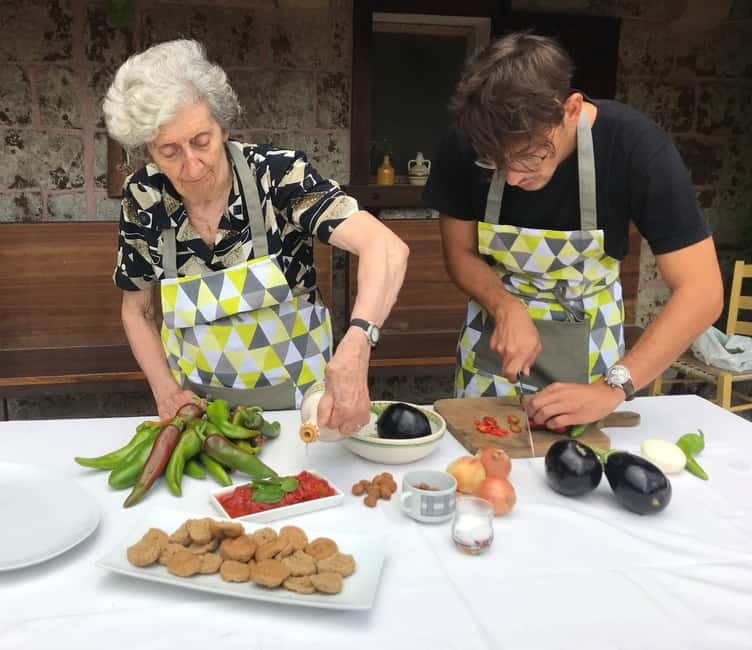
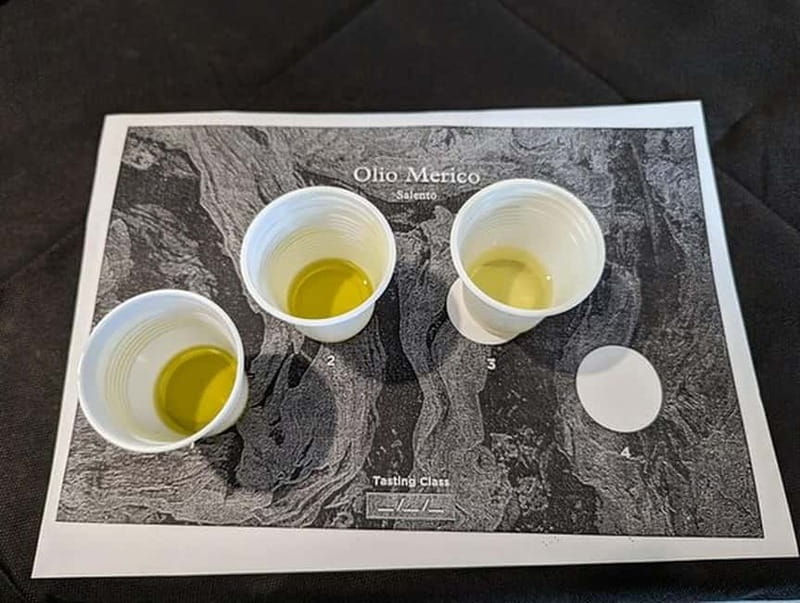
The tasting is not just a chance to pour oil onto bread. You are taught how to recognize different types of olive oil and how to think about quality.
The guide explains the differences between oils and gives you a way to compare them. You then apply those ideas during the tasting. This practical structure is the strongest reason to take the tour. You leave with a skill you can use at restaurants, food markets, and Italian grocery shops.
Pay attention to the language used during the tasting. You learn to distinguish quality and differences through your senses, rather than relying only on a label or an attractive bottle. The aim is not to turn you into a professional taster in two hours. It is to help you notice what is in your glass and make better choices.
The tasting also works well for families and first-time visitors. You do not need prior knowledge, and the lesson gives children or older relatives a clear activity to follow. The main value is participation: taste, compare, ask questions, and see if the explanation matches what you notice.
Same groves, a different afternoon:
- Sorrento Farm and Food Experience including Olive Oil, Limoncello, Wine tasting
★ 5.0 · 2,524 reviews - Olive oil tasting in Sorrento
★ 5.0 · 434 reviews - Sorrento: Lemon, Olive Oil and Wine Tasting Tour with Lunch
★ 5.0 · 300 reviews - Alghero: Wine and Olive Oil Tasting at a Local Farm
★ 4.8 · 294 reviews
Bruschetta, ricotta, and a glass of Salento wine
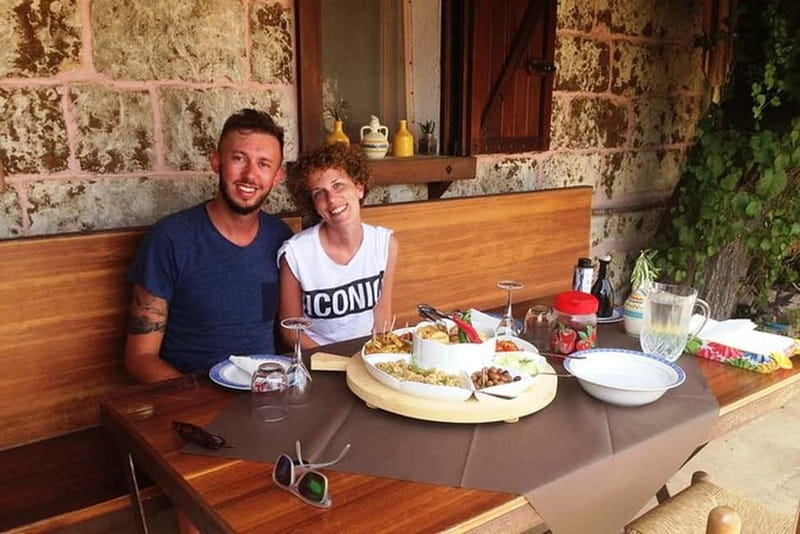
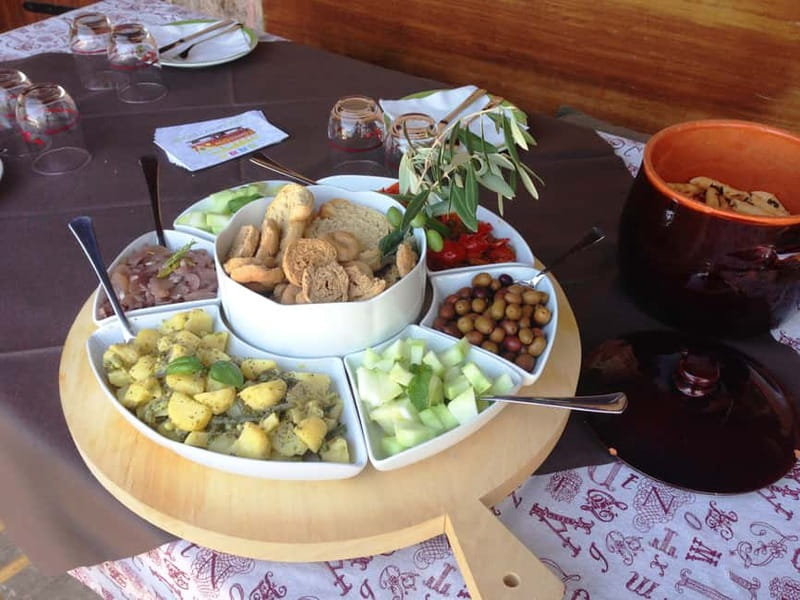
Food makes the oil lesson easier to understand. The tasting includes local specialties such as fresh ricotta and bruschetta, along with other local products, water, and one glass of wine.
Bruschetta is a natural match for an olive oil visit because it lets you taste the oil with a familiar food. Fresh ricotta offers a different texture and flavor, while the local products add a broader sense of Salento’s table. These are not merely snacks added to fill time. They show how oil fits into everyday eating.
The food also affects the value of the $44 price. You are paying for a guided farm and mill visit, instruction, several tastings, local food, wine, and a small group setting. It is more than buying a bottle, but less than a full meal or a half-day food tour. For someone interested in regional food, the package is fairly priced.
Do not expect an elaborate feast. The experience is built around education and tasting, not a long lunch. If you arrive hungry, the local products may be welcome, but I would not treat the tasting as a substitute for a full meal.
Why the small group matters
The group is limited to 10 participants. That size should make the visit more personal than a large coach outing, especially during the tasting.
You have a better chance to hear the guide clearly in the mill and to ask about production, quality, and sustainability. A small group also matters when comparing oils because everyone needs time to taste and discuss the differences.
The tour is offered in English, and the guides have received praise for clear explanations and a friendly manner. Marta has been described as passionate about the craft, while Emmanuele is noted for speaking good English and explaining the operation clearly. Maria has also welcomed families and presented the farm’s long tradition and environmental concerns.
Guide assignments can change, so do not assume one specific person will lead your visit. Still, the repeated emphasis on clear, warm presentations is a good sign for English-speaking visitors.
How the two-hour schedule works
The activity lasts about two hours. That is long enough for an introduction to the farm, a look at the mill and production areas, an explanation of the process, and a tasting.
The exact order may vary, but you can expect these main parts:
- Arrival at the family-run olive farm in Miggiano
- A guided look at the grove and olive mill
- An explanation of cultivation, harvesting, pressing, and bottling
- Discussion of oil types and how to judge quality
- Tasting of several oils with local food
- A glass of wine and water
This compact schedule suits a day when you are touring Lecce or the wider Salento area and want a focused rural stop. It also works well in hot weather because the activity is not a demanding outdoor excursion. One visitor specifically found it a good choice on a hot day.
The short duration can be a drawback if you want a slow farm stay or a long walk among the trees. Think of it as a guided introduction, not a full agricultural workshop.
Is $44 a fair price?
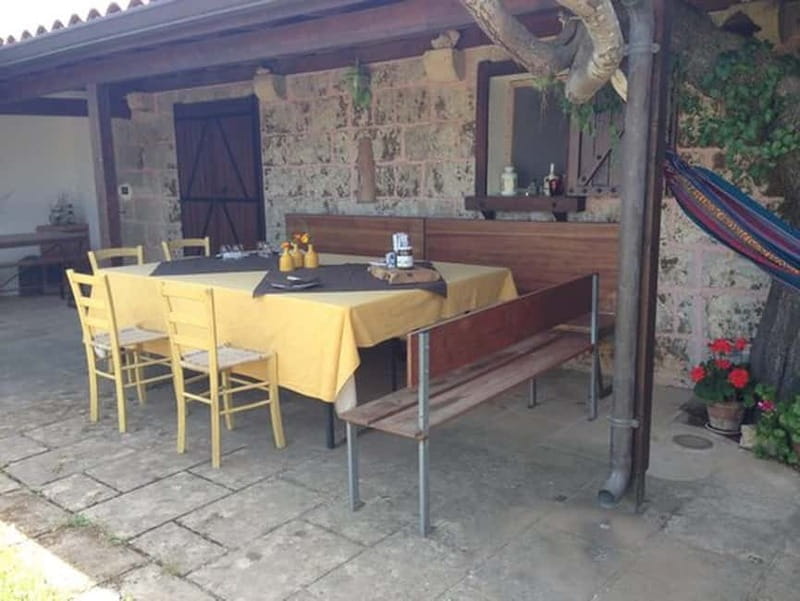
At $44 per person, the cost is reasonable if you value the instruction and the family setting. The price includes the walking tour, olive oil tasting, local products, one glass of wine, and water. Transportation is not included, so you must arrange your own way to Miggiano.
The strongest value comes from the combination of access and explanation. You are visiting a farm that has operated for nine generations, seeing the production areas, and learning how to judge the oil. A simple tasting may cost less, but it will not necessarily explain how the product is made or how to compare quality.
The cost is less attractive if you are mainly looking for a long walk or a substantial meal. The report of a mostly seated experience is worth keeping in mind. You may also need to pay separately for transportation, which affects the total cost if Miggiano is not already on your route.
I would call it good value for food-focused visitors, couples, families, and anyone planning to buy Apulian olive oil. It is a weaker choice for someone seeking a scenic hike or a full-day farm excursion.
Sustainability and the hard side of olive farming
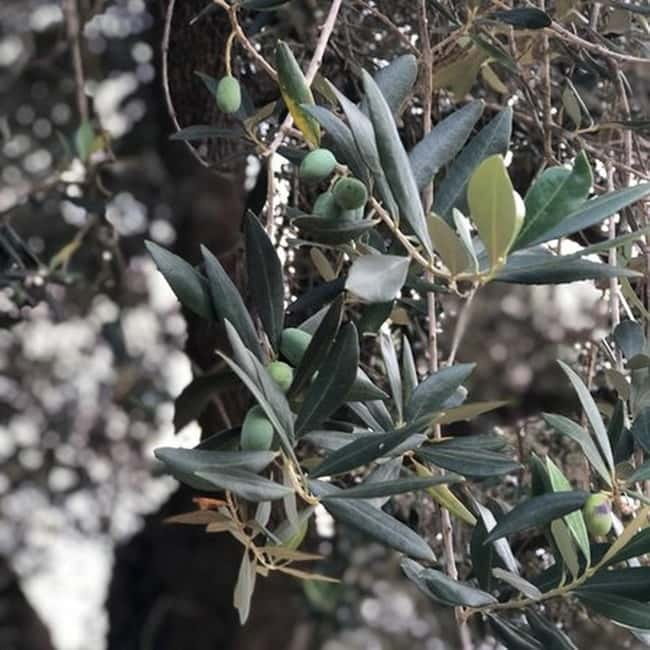
The tour offers more than an idealized picture of olive trees and old family recipes. It also addresses the pressure on local growers.
A bacterial disease has damaged many olive trees in the area, with one account describing an 80 percent reduction in the harvest. That loss affects family businesses, local food production, and the character of the countryside.
The farm continues to pursue quality while looking for sustainable solutions. This makes the visit useful for anyone who wants to understand how tradition and present-day problems meet in Apulia. You hear about the value of the old trees, but also about the need to adapt.
I find this balance important. Food tourism is better when it shows the work and uncertainty behind a local specialty. Here, the tasting has a human and environmental context rather than being only a pleasant stop for snacks.
Who should book this experience

This tour suits you best if you like local food, family businesses, and short activities with a clear subject. It is especially useful if you are staying near Lecce and want to understand one of Salento’s key products.
Families can enjoy the mix of trees, machinery, food, and hands-on tasting. Couples may like the relaxed wine and local specialties. Food shoppers will get the most practical benefit because the lesson can help you select oil after you leave.
It is also a good option for visitors who prefer small groups and English explanations. The limit of 10 participants keeps the experience manageable and gives the guide a chance to answer questions.
You may want to skip it if you dislike tasting activities, need included transportation, or want a substantial meal. You should also ask about the walking portion if a real grove walk is essential to your plans.
Booking advice and final verdict
The tour offers free cancellation up to 24 hours before the start, and you can reserve now and pay later. Starting times vary, so check availability for your date. Since transportation is not included, plan how you will reach the farm in Miggiano before booking.
I would book this experience if you want a grounded look at Salento’s olive oil, especially if you are curious about quality rather than simply interested in taking home a bottle. The family’s nine-generation connection, the tasting lesson, and the discussion of disease and sustainability give the visit more substance than a quick shop stop.
I would book with one qualification: confirm what the walking portion includes. If you are happy with a compact mill visit and a generous tasting, $44 is a fair price. If you expect a long grove walk, treat that as something to verify first.
FAQ
Where does the olive oil tour take place?
The experience takes place at a family-run olive farm and mill in Miggiano, in Apulia’s Salento area.
How long does the experience last?
The tour lasts about two hours.
What language is the tour offered in?
The live guided tour is offered in English.
How many people can join the tour?
The group is limited to 10 participants.
What food and drinks are included?
The experience includes olive oil tastings, local products such as fresh ricotta and bruschetta, one glass of wine, and water.
Is transportation included?
No. Transportation to the olive farm and mill is not included.
Will I visit both the olive grove and the mill?
The experience is described as including a guided visit to the olive grove and olive mill, along with the production areas. The walking portion may be limited, so confirm the details if walking is important to you.
Can I learn how to judge olive oil quality?
Yes. The guide explains how to recognize different oils, identify differences, and assess quality before you test those skills during the tasting.
Can I cancel for a full refund?
Yes. You can cancel up to 24 hours in advance for a full refund.
Newest grove reviews around Italy
- Vernazza (5 Terre): olive grove tour and oil and wine tasting★ 5.0 · 9 reviews
- Villa Castelli: Highlights Walking Tour w/ Olive Oil Tasting★ 4.8 · 12 reviews
- Umbria: E-Bike Rental and Fresh EV Olive Oil Tasting★ 5.0 · 4 reviews
- Trieste’s Essence: Wine and Olive Oil Tasting★ 5.0 · 3 reviews
- Valpolicella Wine and Olive Oil Tasting with Lunch from Verona★ 5.0 · 2 reviews
- Half-Day Chianti Wine and Olive Oil Tour from Viareggio★ 4.0 · 5 reviews
- From Venice: Olive Oil & Wine Tour in the Venetian Hills★ 5.0 · 9 reviews
- Umbria: Guided tour to Traditional Olive Oil Mill and Tasting★ 5.0 · 2 reviews
Olive Mill and Factory Tours, compared.
Knossos-Zeus Cave -Old Traditional Villages-Olive Oil Factory
Read our review →
The Governor’s Olive Mill Tour with Olive Oil Tasting
Read our review →
Road-trip to Lasithi, Zeus Cave & Olive Mill Farm
Read our review →
Lassithi, Zeus Cave, Olive Mill Farm & Knossos Combo Tour
Read our review →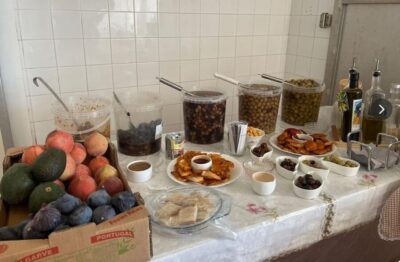
Lake Garda Oil Mill Tour with Olive Oil Tasting
Read our review →Browse the lists this tour appears in