
Review · ITALY OLIVE OIL TOURS
Rome: Masterclass Extra Virgin Olive Oil & Table Olives
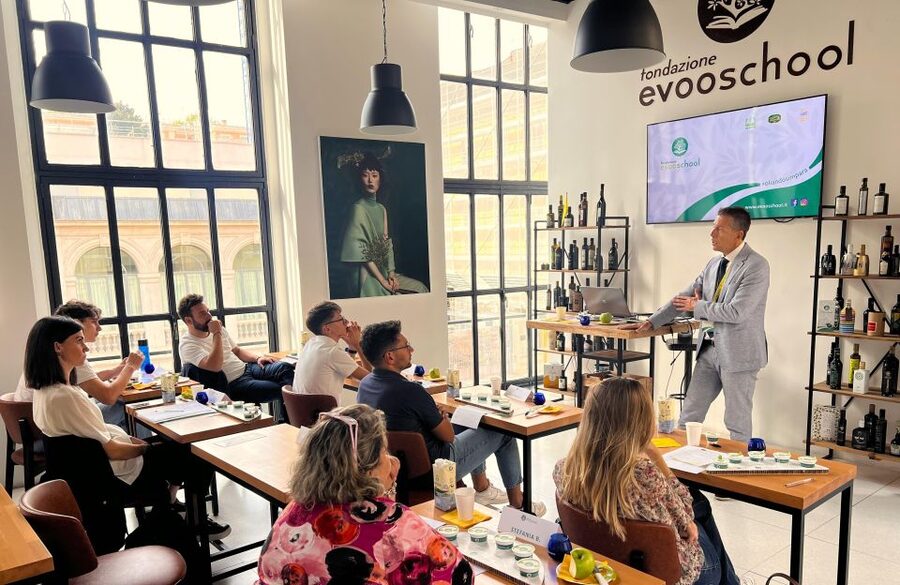
Rome’s olive oil masterclass turns a familiar food into a careful sensory lesson. At Italy’s first school devoted to Extra Virgin Olive Oil, you learn why oils smell and taste different, then test those ideas with five EVOO samples and two types of table olives.
I like the hands-on tasting and the clear focus on skills you can use at home. I also like the small bottle of 100% Italian EVOO included in the price. The main drawback is that two hours can feel short if you want a broad tour of Italian olive-growing regions, and the session is limited to people aged 16 and older.
Key points
- Five EVOO samples: Taste several oils side by side instead of judging one in isolation.
- Two types of table olives: Learn how the fruit changes when prepared for eating.
- Certified professional taster: A specialist leads the theory and sensory work in Italian or English.
- Useful buying skills: Practice spotting the qualities and flaws that separate good oil from poor oil.
- Small Italian gift: Take home a bottle of 100% Italian Extra Virgin Olive Oil.
- Central Rome setting: Enter the building and go to the first floor, with no transfers included.
Why This Rome Olive Oil Class Is Worth Your Time

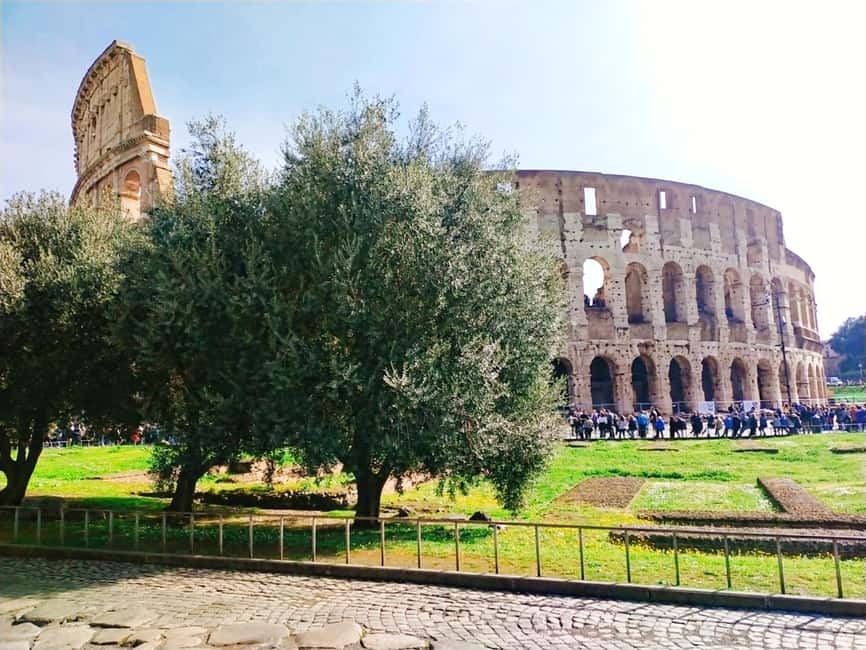
Rome offers endless churches, ruins, and crowded piazzas. This class gives you a different way to understand Italy, through one ingredient that appears on tables across the country.
Extra Virgin Olive Oil is not simply cooking fat. Its scent, bitterness, peppery finish, freshness, and balance tell you something about the olives, the harvest, the production method, and storage. The class helps you connect those traits to quality instead of relying on a pretty bottle or a vague label.
I find this most useful for people who enjoy food but do not yet know how to judge olive oil. You do not need a trained palate. The course begins with basic ideas and then gives you a structured way to smell, taste, compare, and describe what you find.
The experience also covers table olives, which makes it more useful than a standard oil tasting. Olive oil and eating olives come from the same fruit, but the finished products are shaped by different methods. Comparing two types of table olives helps you see that preparation matters as much as the original olive.
More Olive Oil Tours around Italy:
- Sorrento Farm and Food Experience including Olive Oil, Limoncello, Wine tasting
★ 5.0 · 2,524 reviews - Olive oil tasting in Sorrento
★ 5.0 · 434 reviews - Sorrento: Lemon, Olive Oil and Wine Tasting Tour with Lunch
★ 5.0 · 300 reviews
Starting at Italy’s First EVOO School
The experience takes place at the Fondazione Evoo School, described as Italy’s first school of Extra Virgin Olive Oil. You enter the building and go to the first floor for the session.
The setting matters because this is not presented as a casual restaurant tasting. The school format gives the class a clear teaching purpose. You are there to learn how EVOO is produced and assessed, not simply to sample oil with bread.
The meeting point information is brief, so check the exact address and start time carefully when booking. Transfers to and from the meeting point are not included. Starting times vary by availability, and the full session lasts about two hours.
The class is offered in Italian and English. If you want to ask questions about production, defects, or tasting technique, choosing a language in which you can discuss subtle flavors will make the session more useful.
The First Lesson: Where Olive Oil Comes From
The theory portion begins with the origin of olive oil and the role of the olive itself. This may sound basic, but it gives the tasting a frame.
Italy has more than 500 cultivated olive varieties, and that number helps explain why Italian oils can differ so much. Variety is only one factor. Growing conditions, harvest timing, handling, pressing, and storage also shape the final oil.
You will learn how olives become oil and why production choices affect quality. The course also explains the main classifications of olive oils. That distinction matters when you shop, since Extra Virgin Olive Oil has specific quality requirements and is judged by both chemical tests and sensory characteristics.
The theory is not meant to turn you into an agricultural expert in one afternoon. Instead, it gives you enough background to understand what you are tasting and why one oil may seem grassy, bitter, mild, or peppery.
Learning What Extra Virgin Actually Means
The phrase Extra Virgin is often treated as a luxury label, but the class presents it as a quality category with standards behind it.
You will discuss how quality oil is produced and why care is needed from the olive tree to the finished bottle. The course also connects EVOO with the Mediterranean diet and its role as a valued food of excellence.
I like this part because it changes the way you read a bottle. You begin to think about origin, freshness, production, and storage rather than choosing by packaging alone. The lesson may also help you understand why two oils with similar labels can taste very different.
Do not expect a shopping lecture focused on particular brands. The emphasis is on general knowledge you can apply to oils from Italy and beyond.
Same groves, a different afternoon:
- Alghero: Wine and Olive Oil Tasting at a Local Farm
★ 4.8 · 294 reviews - Ostuni: Masseria tour among thousand-year-old olive trees with oil tasting
★ 4.8 · 261 reviews - Balestrate: Olive Grove Tour with Wines & Olive Oil Tasting
★ 5.0 · 241 reviews - Bardolino: Vineyard Tour with Wine, Olive Oil & Food Tasting
★ 4.6 · 221 reviews
How the Sensory Tasting Works
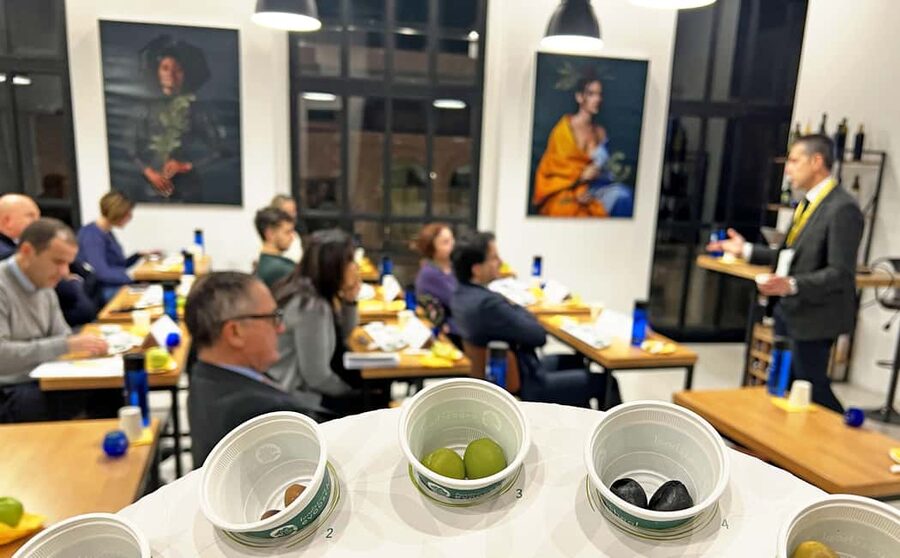
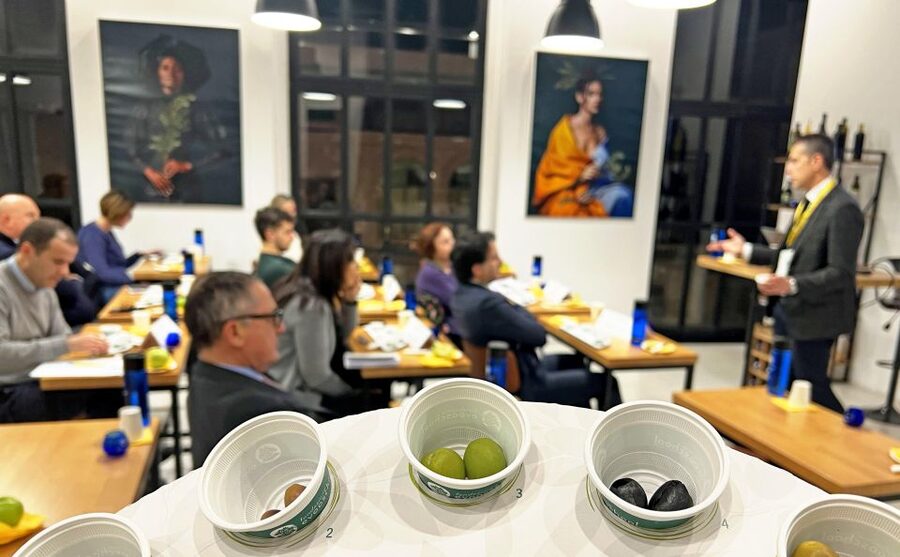
The practical portion uses organoleptic analysis, meaning you assess the oil through your senses. You smell it, taste it, and pay attention to its texture and finish.
The instructor guides you through the tasting method rather than asking you to make an instant judgment. You learn to notice positive traits and possible flaws. For a first-time taster, this structure is helpful because it replaces guesswork with a repeatable process.
The five oils are tasted as part of a guided comparison. The point is not to crown one sample as the winner without context. You are learning how oils differ and which qualities suggest freshness, balance, and sound production.
You may notice fruitiness, bitterness, and a peppery sensation. Those traits are not automatically faults. In a good oil, bitterness and pepper can signal character and freshness, while the overall balance determines how pleasant and useful the oil feels.
The class also teaches you to identify flaws. That is one of the most practical parts of the session. A bottle can be expensive and still disappoint if the oil has been poorly handled, stored too long, or affected by production problems.
Tasting Five EVOO Oils Side by Side

Five samples give the tasting enough variety to make comparison worthwhile. A single oil can be hard to judge because you have nothing beside it. With several samples, differences become easier to spot.
You will use the instructor’s method to examine each oil and consider its merits and defects. The goal is not to memorize tasting vocabulary. It is to train your senses so that you can recognize what you like and identify warning signs.
This is where the course delivers its strongest value. At $94 per person, you are paying for instruction as well as food. The five oils create a practical lesson that can influence future purchases for years, particularly if you regularly cook with olive oil or serve it at the table.
The session is also a good match for people who want a food activity without committing to a long meal. Two hours is enough time for a focused lesson, though it leaves little room for a relaxed social event or a large amount of free discussion.
Understanding Two Types of Table Olives
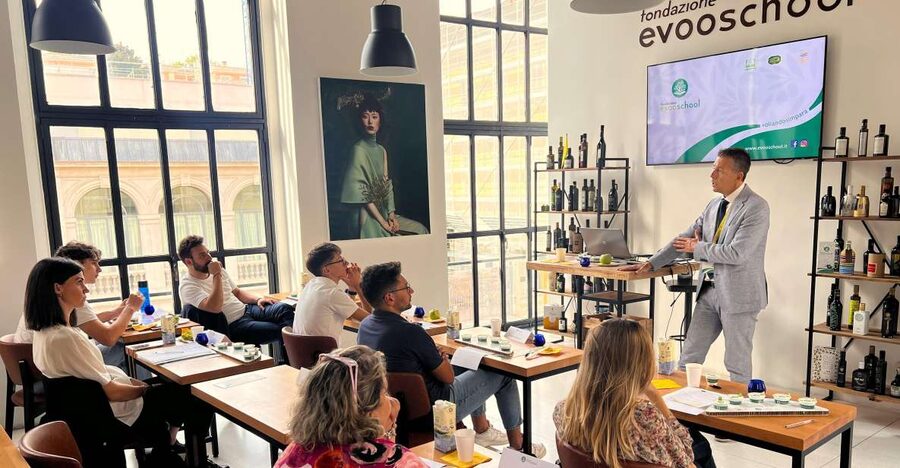
The table olive portion adds a useful contrast. You taste two different types of olives and learn how to recognize quality in the fruit itself.
Olives intended for eating are prepared differently from olives intended for oil. Their texture, flavor, saltiness, and finish can vary according to the type of olive and its treatment. Tasting two examples helps you notice these differences instead of thinking of all table olives as the same product.
This section will appeal to anyone who enjoys Italian antipasti. It may also help you choose better olives for a home meal, aperitivo, or cooking. The class connects the whole olive to the oil made from it, which gives the experience a pleasing sense of order.
The tasting is guided, so you are not left to guess what matters. You learn to pay attention to the fruit’s condition and sensory qualities, just as you do with the oils.
What You Take Home After the Lesson
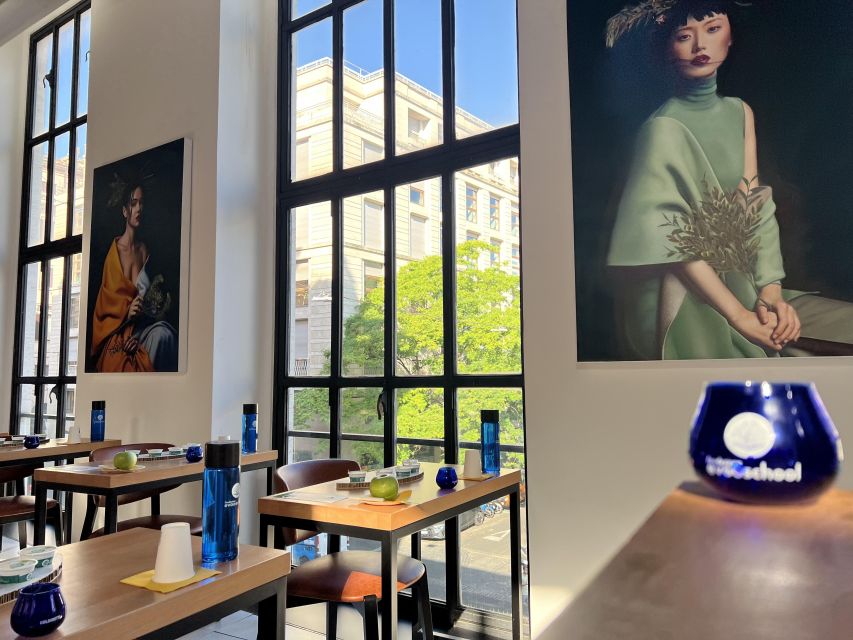
The course includes a small bottle of 100% Italian Extra Virgin Olive Oil. It is a modest gift rather than a major part of the value, but it gives you something concrete to take home.
You can use the bottle as a reminder of the tasting method. Try smelling it before tasting, then consider its fruitiness, bitterness, pepperiness, and balance. The lesson becomes more useful when you repeat the process outside the classroom.
One limitation is that no booklet or copy of the presenter’s slides is included in the stated package. If you like taking notes, bring a small notebook or use your phone discreetly during the theory portion. Written material would make it easier to remember the classifications, tasting steps, and defects later.
Is $94 a Fair Price?
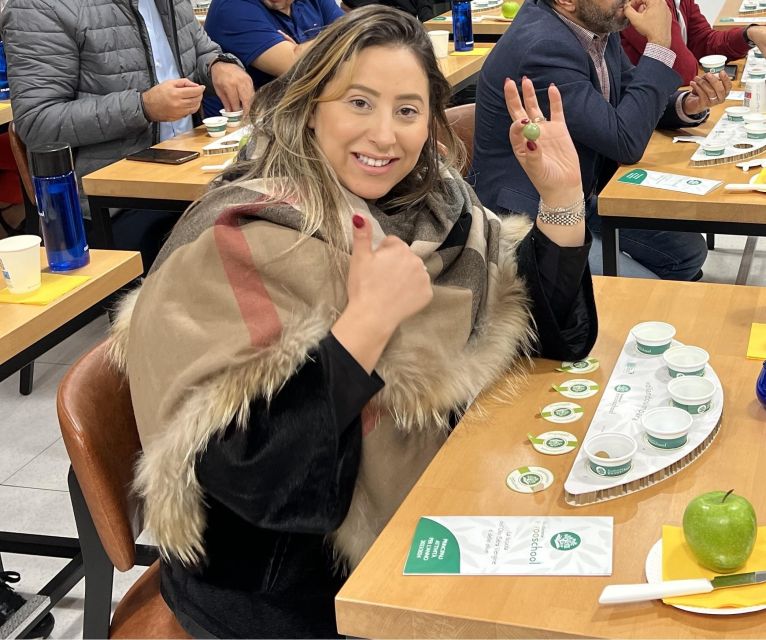
The $94 price is not a bargain food sampling, but it can be fair for the right person. You receive a two-hour class, professional instruction, five EVOO tastings, two table olive tastings, and a small bottle of Italian oil.
The value comes from the teaching. If you only want a quick taste of local products, the price may feel high. If you want to understand what you are buying and learn a method you can use at home, the class offers more than a simple snack stop.
I would compare it with the cost of buying several good oils yourself and trying to work out the differences without guidance. The class gives you a structured comparison and explains why the samples taste as they do.
It also suits a particular kind of Rome itinerary. After days of monuments and museums, this is a compact indoor activity with a strong connection to Italian food culture. It does not replace a market visit or a cooking class, but it offers more technical information than either one may provide.
Who Will Get the Most From This Experience?
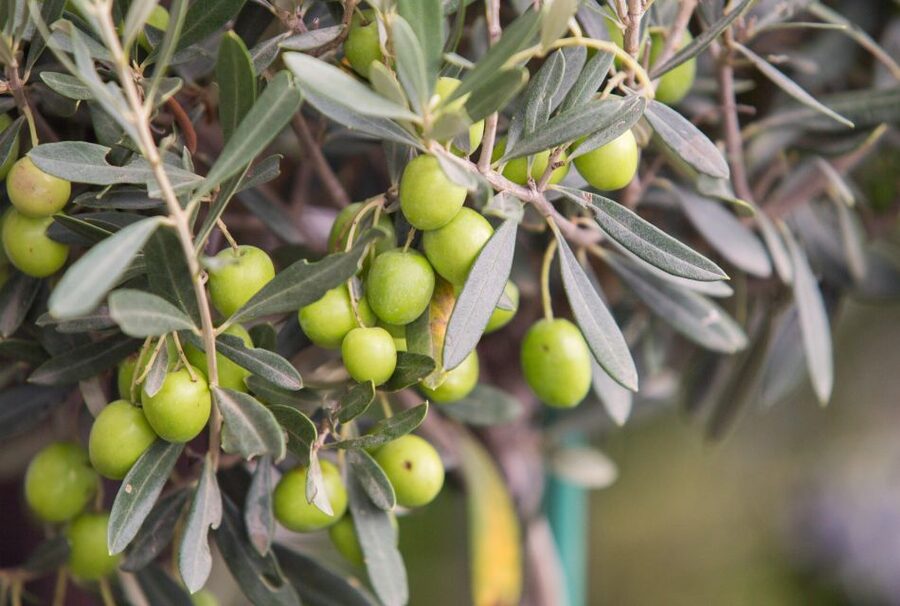
I would recommend the class to food-focused adults, home cooks, culinary students, and anyone planning to buy Italian olive oil as a souvenir. It is also a good choice for couples or friends who enjoy learning a skill together.
The course is not suitable for children under 16. It is also not suitable for wheelchair users, so check that restriction before booking.
People who already work professionally with oil may find the introductory material familiar. The session is built for curious learners, not for advanced certification or professional training.
You should also tell the operator in advance if you need a gluten-free option. The provided information does not describe the food served with the tasting, so asking ahead is sensible.
Timing, Language, and Booking Details
The activity lasts two hours, with time split between theory and sensory practice. Availability determines the start time, so place it carefully in your Rome plans rather than assuming a fixed schedule.
Italian and English instruction is available. No guide’s personal name is provided, but the session is led by a professional taster certified by the Italian Olive Oil Consortium.
You can reserve now and pay later, which helps if your Rome schedule is still changing. Cancellation is free up to 24 hours before the activity for a full refund. These policies make the class easier to fit into a busy trip, though you still need to arrange your own way to the meeting point.
The meeting instructions say to enter the building and go to the first floor. Since no transfer is included, allow enough time to find the location and arrive ready for the start.
Should You Book the Rome EVOO Masterclass?
Book it if you want a focused, practical food lesson rather than another sightseeing stop. The strongest reasons are the five-oil comparison, the professional sensory instruction, and the chance to learn skills you can use every time you buy EVOO.
Skip it if your budget is tight, you are looking for a full meal, or you prefer casual tasting without theory. Two hours is also not enough for a broad survey of every Italian olive-growing area.
For most food-minded adults, I think the class earns consideration because it turns an everyday ingredient into something you can understand and judge. Bring a notebook, arrive on time, and treat the tasting as a lesson rather than a snack. That approach gives you the best value from the $94 price.
FAQ
How long does the EVOO masterclass last?
The masterclass lasts about two hours. It includes both theory and practical sensory analysis.
Where does the experience take place?
It takes place at the Fondazione Evoo School in Rome. Enter the building and go to the first floor.
What languages are available?
The class is available in Italian and English.
How many olive oils will I taste?
You will taste five different Extra Virgin Olive Oils as part of the guided course.
How many table olives are included?
The experience includes two different types of table olives.
Is a gift included?
Yes. You receive a small bottle of 100% Italian Extra Virgin Olive Oil.
Is transportation included?
No. Transfers to and from the meeting point are not included.
Can children attend?
Children under 16 cannot attend this activity.
Is the experience suitable for wheelchair users?
No. The activity is not suitable for wheelchair users.
Can I request a gluten-free option?
Yes. You should inform the provider in advance if you need a gluten-free option.
Can I cancel for a full refund?
Yes. You can cancel up to 24 hours in advance for a full refund.
Can I reserve now and pay later?
Yes. The reserve now and pay later option lets you book without paying at the time of reservation.
Newest grove reviews around Italy
- Vernazza (5 Terre): olive grove tour and oil and wine tasting★ 5.0 · 9 reviews
- Villa Castelli: Highlights Walking Tour w/ Olive Oil Tasting★ 4.8 · 12 reviews
- Umbria: E-Bike Rental and Fresh EV Olive Oil Tasting★ 5.0 · 4 reviews
- Trieste’s Essence: Wine and Olive Oil Tasting★ 5.0 · 3 reviews
- Valpolicella Wine and Olive Oil Tasting with Lunch from Verona★ 5.0 · 2 reviews
- Half-Day Chianti Wine and Olive Oil Tour from Viareggio★ 4.0 · 5 reviews
- From Venice: Olive Oil & Wine Tour in the Venetian Hills★ 5.0 · 9 reviews
- Umbria: Guided tour to Traditional Olive Oil Mill and Tasting★ 5.0 · 2 reviews
Italy Olive Oil Tours, compared.
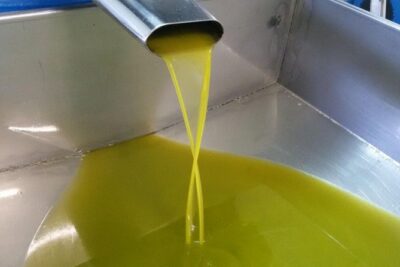
Sorrento Farm and Food Experience including Olive Oil, Limoncello, Wine tasting
Read our review →
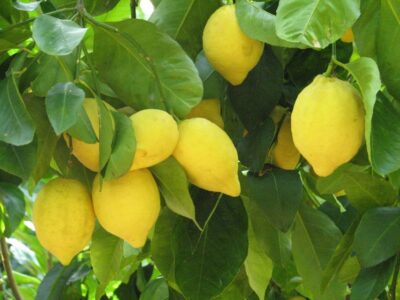
Lemon, Olive Oil and Wine Tasting Tour with Lunch
Read our review →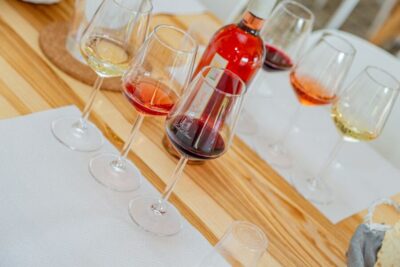
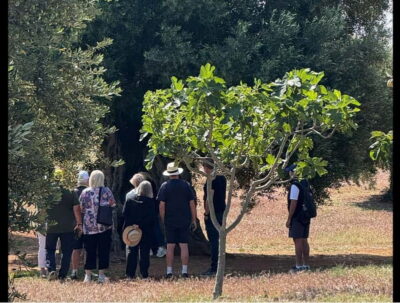
Masseria tour among thousand-year-old olive trees with oil tasting
Read our review →
Olive Grove Tour with Wines & Olive Oil Tasting
Read our review →
Vineyard Tour with Wine, Olive Oil & Food Tasting
Read our review →
Tuscany Bike Tour with Wine, Oil and Food in the Florentine Hills
Read our review →Browse the lists this tour appears in