
Review · ITALY OLIVE OIL TOURS
Ostuni: Olive Oil Tasting Tour
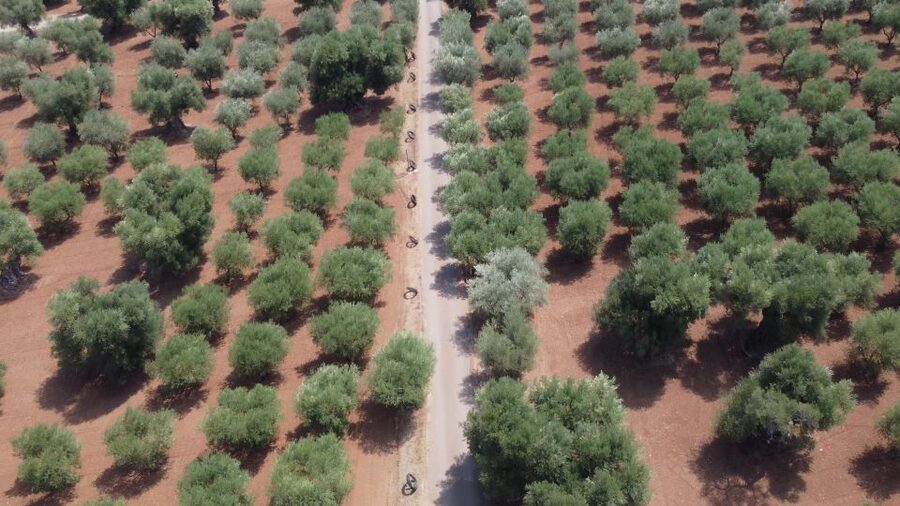
The oldest olive trees here may have been planted more than 2,000 years ago by veterans of the Punic Wars. That claim gives this short tour a striking sense of time, especially when you stand beside the thick, twisted trunks at Masseria Valente.
I like the combination of ancient trees and working farm history, followed by a tasting that teaches you to notice differences between oils. I also like that you see both the 16th-century underground mill and the 19th-century above-ground mill, not just a polished tasting room. The main drawback is timing: the activity is advertised as one hour, while the detailed schedule allows about 1.5 hours, and some visitors find $53 high for such a brief visit.
Key points to know before you book

- 2,000-year-old olive trees: Walk among ancient, millenary, and younger trees on the farm grounds.
- Two historic oil mills: See the 16th-century hypogeum press floor and the 19th-century epigean mill.
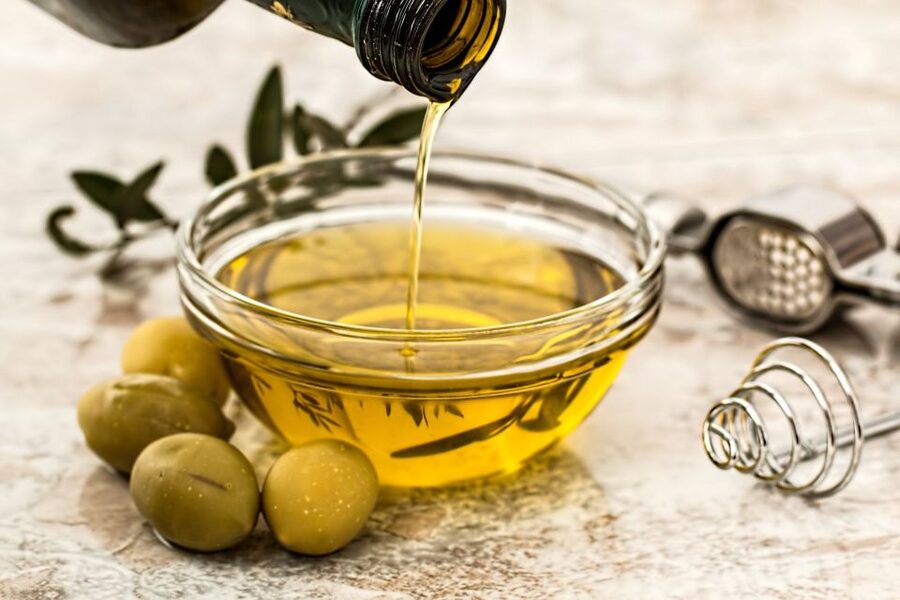
- Three organic oils: Taste the oils with olives, tarallini, and fried broad beans.
- Guides with local expertise: Angela, Carla, and Maria have led particularly well-regarded visits.
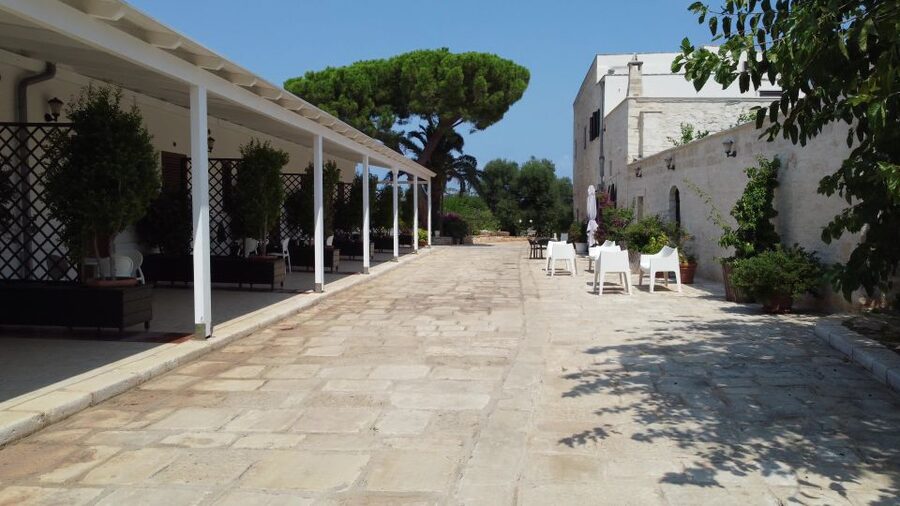
- Masseria setting: The estate also has a café and hotel, and you may be able to extend your visit with wine or food.
- Short but useful outing: The tour is best for a focused introduction to Puglian olive oil, not a full-day farm program.
Ancient olive trees at Masseria Valente
This experience begins at Masseria Valente, a traditional farm near Ostuni. You meet your guide there, arriving 15 minutes before the starting time, then head out onto the estate for a walk among olive trees of different ages.
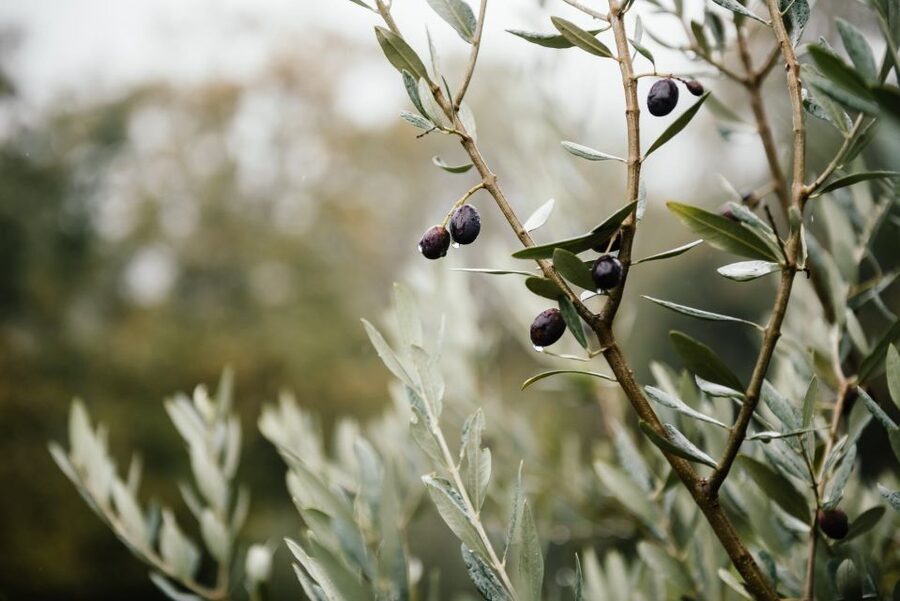
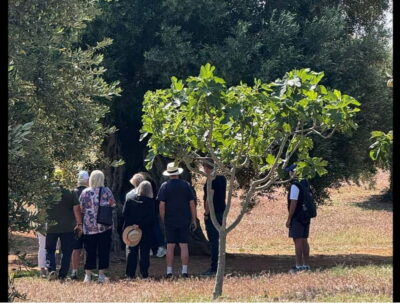
The trees are the first real highlight. Some are described as millenary, and a few are said to date back more than 2,000 years. Their trunks are broad, knotted, and sculptural. You get a better feel for the age of Puglia’s olive-growing tradition here than you would from a bottle label or a short talk indoors.
I like that the walk puts the oil in its proper setting. Olive oil is not just a product on a tasting plate. It comes from trees that shape the countryside, the farm economy, and the daily cooking of the region.
The visit also includes younger olive trees, so you can see the contrast between old and new growth. During the harvest season, which begins in autumn, you might see olives being gathered. Past visitors have found this especially interesting, since it connects the old pressing methods with the work taking place in the grove today.
Bring comfortable shoes and sun protection. The information provided does not describe the walking surface or amount of shade, so I would not treat this as a strenuous hike, but you are spending part of the visit outdoors on a rural property.
More Olive Oil Tours around Italy:
- Sorrento Farm and Food Experience including Olive Oil, Limoncello, Wine tasting
★ 5.0 · 2,524 reviews - Olive oil tasting in Sorrento
★ 5.0 · 434 reviews - Sorrento: Lemon, Olive Oil and Wine Tasting Tour with Lunch
★ 5.0 · 300 reviews
The 16th-century hypogeum oil mill
The most unusual stop is the underground oil mill, known as the hypogeum. It dates to the 16th century and preserves the kind of enclosed processing space used before modern production methods.
Going below ground changes the feel of the visit. Instead of looking at equipment in a modern display, you see where olive oil was once pressed in the farm’s original working environment. The underground setting also helps explain why this type of mill was practical in its time, although the exact construction details are best explained by your guide on the day.
This part matters because Puglia’s oil culture is not only about beautiful groves and pleasant tastings. It is also about labor, storage, pressing, and the practical systems that allowed a farm to turn harvested olives into a valuable food.
Several people have found the old underground processing floor particularly impressive. The guide explains how oil was made centuries ago and compares those methods with later and current processes. That context gives the tasting more meaning: you can think about what changed, and what remained tied to the olive itself.
The hypogeum may be the strongest reason to choose this visit over a simple olive oil sampling. If you have already toured several food-production sites in Italy, the underground mill gives this one a distinct focus.
The 19th-century epigean mill
After the underground mill, you also see the 19th-century epigean mill. Epigean simply means above ground, so this stop lets you compare two periods and two styles of oil production on the same estate.
That comparison is useful. The underground mill shows the older working method, while the later mill helps you understand how production changed before today’s equipment. You are not just hearing a general story about olive oil. You are moving through the actual spaces connected with the farm’s past.
The guide’s explanation is important here. Strong visits have been led by Angela, Carla, and Maria, all praised for making the history clear and engaging. Maria has been especially good at explaining the masseria, its olive trees, and the different oils. Angela has also been noted for making the walk friendly and easy to follow.
Language can affect the experience. The tour is offered in English and Italian, but the quality of English explanation may depend on the guide assigned that day. One English-speaking visitor found it difficult to ask questions during a visit where the guide had limited English, so if detailed discussion matters to you, keep that possibility in mind.
Tasting three organic oils with Puglian snacks
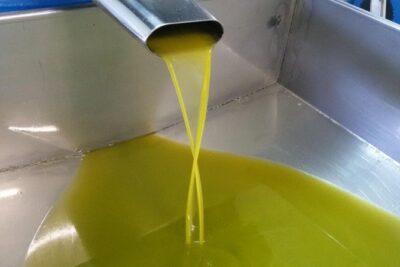
The tasting comes after the walk and mill visits. You sample three organic olive oils, with olives, tarallini, and fried broad beans served alongside them.
This is not a large meal. The food is there to help you taste the oils and give you a few local flavors to try. Tarallini are small, crisp ring-shaped snacks, while fried broad beans add a salty, crunchy contrast. Fresh olives help connect the finished oil with the fruit that grows outside.
The best way to approach the tasting is slowly. Notice how each oil smells, how strong it feels, and how the flavor changes with the snack. The point is not to pick a winner just for fun. You are learning how to recognize quality and how to choose an oil for your own kitchen.
The tour also explains the difference between virgin olive oil and extra virgin olive oil. That may sound basic, but it is useful information. Many shoppers see the words on a label without knowing what they indicate, and a guided tasting gives you a practical reference point.
The three oils are organic, but the available information does not identify specific olive varieties or give details about the harvest year. If you want that level of information, ask your guide during the tasting.
One limitation is quantity. Some visitors would prefer to taste more oils or have lunch included. The included food is a snack tasting, not a full meal, although the property has a café and dining room where you may be able to order more food and wine after the tour.
Same groves, a different afternoon:
- Alghero: Wine and Olive Oil Tasting at a Local Farm
★ 4.8 · 294 reviews - Ostuni: Masseria tour among thousand-year-old olive trees with oil tasting
★ 4.8 · 261 reviews - Balestrate: Olive Grove Tour with Wines & Olive Oil Tasting
★ 5.0 · 241 reviews - Bardolino: Vineyard Tour with Wine, Olive Oil & Food Tasting
★ 4.6 · 221 reviews
How much value do you get for $53?
At $53 per person, this is not the cheapest one-hour activity in Ostuni. The price makes more sense if you value the complete setting: the grove, the farmhouse, two historic mills, the guide, and the three-oil tasting.
You are paying for interpretation as much as for food. A bottle-shop tasting would give you fewer details about how oil was made, and a walk through an olive grove without a guide would not explain the underground mill or the farm’s history in the same way.
Still, the short duration matters. The basic activity is listed as one hour, while the detailed schedule describes the Ostuni visit, tour, photo stop, and tasting as taking 1.5 hours. Either way, this is a compact experience rather than a long farm day.
I would consider the price fair if you are already staying in Ostuni and want a focused cultural stop. It is less appealing if you expect lunch, a large tasting flight, or a full afternoon of activities. The included snacks are modest, and transfers are not included, so you must arrange your own way to Masseria Valente.
Several people have extended their visit with appetizers, wine, or lunch at the property. That can make the outing feel more substantial, but those extras are separate from the $53 booking price.
Timing, guides, and the pace of the visit
The tour moves through three main elements: the grove, the historic mills, and the tasting. The pace is generally designed to leave room for explanation and photographs rather than rush you from one stop to the next.
That makes it a good fit for a morning or afternoon gap in an Ostuni itinerary. It is long enough to give the subject some depth, but short enough to combine with sightseeing elsewhere in Puglia.
The guide can make a major difference. Angela has been described as friendly and well prepared, while Carla has been especially good at explaining the farm and its traditions. Maria has been praised for her humor, warmth, and clear explanation of the trees and oils.
Because the activity is led live in English or Italian, you can ask questions and respond to the setting as you go. However, English fluency may vary by guide, so do not assume every tour will offer the same level of conversation.
The estate itself adds to the visit. The property includes a café and hotel, and the dining room has been used by visitors who wanted to stay for wine or appetizers. The tour does not include a formal lunch, but the setting gives you the option to lengthen the stop if food service is available when you visit.
Who will enjoy this olive oil tour?
I would recommend this experience to you if you enjoy food traditions, old farm buildings, and short guided visits with a clear theme. It suits first-time visitors to Puglia who want to understand why olive oil matters here, as well as cooks who would like a better sense of how to judge an oil.
It is also a good choice for photographers. The twisted trunks, stone farm buildings, old press rooms, and quiet grounds offer plenty of visual interest. You do not need to be an olive oil expert to enjoy it.
Families and older visitors may appreciate the compact length, although the tour includes a walk around the property and a visit to an underground mill. Since no accessibility details are provided, ask the operator directly if stairs, uneven ground, or other physical concerns affect your group.
I would skip it if you want a full meal, a large number of tastings, or a long harvest activity. I would also think twice if you are not arranging transportation, since transfer service is not included and the meeting point is the masseria itself.
The tour has a strong seasonal appeal in autumn. During the harvest, you might see the olives being picked, which adds a working-farm element. In other months, the focus is more on the trees, buildings, history, and tasting.
Practical details before you go
Book with the timing discrepancy in mind. The experience is sold as a one-hour activity, but the detailed program gives the visit and tasting about 1.5 hours. Check the available start times and leave enough room around the appointment.
Arrive 15 minutes early at Masseria Valente. You are responsible for getting to the meeting point because transportation is not part of the experience.
The tour is available in English and Italian. Cancellation is free up to 24 hours before the start time, and the reserve-now, pay-later option lets you hold a place without paying at once.
Wear shoes suitable for a farm setting. The supplied details do not specify the exact walking conditions, but the activity includes an outdoor grove walk and historic mill visit.
If you want to buy oil, allow time after the formal tour. One visitor bought several bottles after tasting them, and the property may also offer food and wine if you decide to stay longer.
Should you book the Masseria Valente tour?
Book it if you want a well-focused introduction to Puglian olive oil with real agricultural and historical context. The ancient trees and underground mill give the experience more substance than a standard tasting, while the three oils and local snacks keep the visit practical and enjoyable.
The $53 price is easiest to justify when you value the guide and the historic setting. It is harder to justify if you expect a substantial meal or a long tour. For most people staying near Ostuni, I would choose it as a compact half-day addition, especially during the olive harvest, and plan a separate lunch at the masseria if available.
FAQ
Where does the olive oil tour begin?
The tour begins at Masseria Valente in the Ostuni area of Puglia.
How long does the experience last?
The activity is advertised as one hour. The detailed program allows about 1.5 hours for the visit, guided tour, photo stop, and tasting, so check the schedule when booking.
What is included in the price?
The price includes a guide and a tasting of three organic olive oils served with olives, tarallini, and fried broad beans.
Are transfers included?
No. Transportation to and from Masseria Valente is not included.
Which languages are available?
The live tour is offered in English and Italian.
How many olive oils will I taste?
You will taste three organic olive oils.
Will I see ancient olive trees?
Yes. The walk includes ancient, millenary, and younger olive trees. Some trees are said to have been planted more than 2,000 years ago.
Which historic oil mills are included?
You will visit a 16th-century underground hypogeum oil mill and a 19th-century above-ground epigean mill.
Can I cancel the booking?
Yes. You can cancel up to 24 hours in advance for a full refund. The activity also offers a reserve-now, pay-later option.
Newest grove reviews around Italy
- Cagliari: Wine and Olive oil Experience + Oil Mill Museum★ 5.0 · 2 reviews
- Buti: Olive Oil Ancient Mill Tour and Tasting Experience★ 5.0 · 2 reviews
- Bevagna: Olive Oil Mill Tour with Guided Tasting★ 5.0 · 6 reviews
- Bari: narrated extra virgin olive oil tasting with aperitif★ 4.5 · 3 reviews
- Olive Mill Tour and Tasting in the Verona Countryside★ 5.0 · 9 reviews
- Puglia Olive Oil Tasting Experience with Olive Grove Walk★ 4.5 · 10 reviews
- Olive Oil Tasting & Mill Guided Visit in Perugia★ 4.9 · 12 reviews
- Visit olive groves and oil mill with oil tasting in Trevi in Umbria★ 5.0 · 5 reviews
Italy Olive Oil Tours, compared.
Sorrento Farm and Food Experience including Olive Oil, Limoncello, Wine tasting
Read our review →
Lemon, Olive Oil and Wine Tasting Tour with Lunch
Read our review →
Masseria tour among thousand-year-old olive trees with oil tasting
Read our review →
Olive Grove Tour with Wines & Olive Oil Tasting
Read our review →
Vineyard Tour with Wine, Olive Oil & Food Tasting
Read our review →
Tuscany Bike Tour with Wine, Oil and Food in the Florentine Hills
Read our review →Browse the lists this tour appears in