
Review · OLIVE MILL AND FACTORY TOURS
Olive Mill Visit & Guided Tasting in Taggia
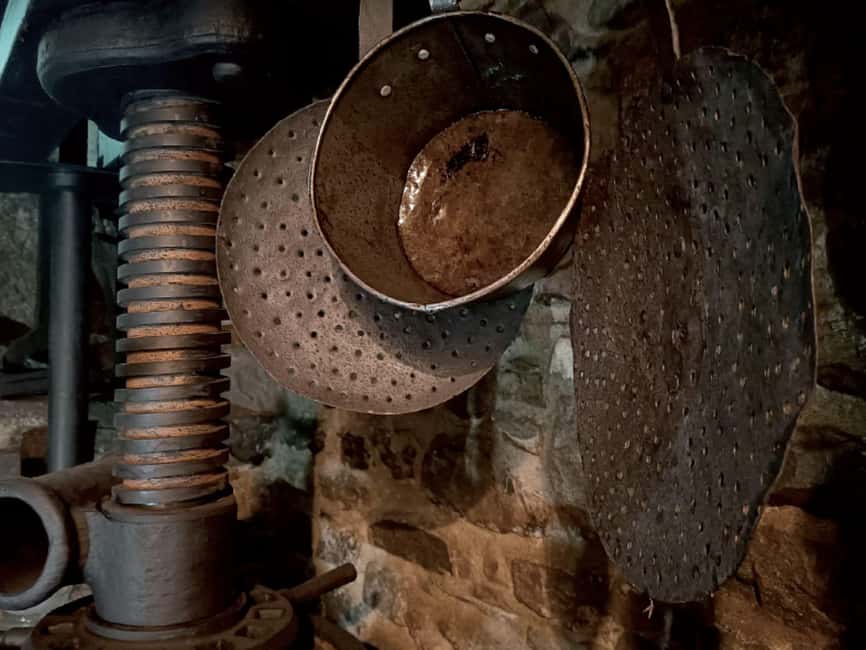
Taggia’s olive oil story comes alive inside a late-1800s mill, where old tools and modern oil-making methods help explain why Liguria’s Taggiasca olive is so prized. I like the mix of local history and practical tasting, especially the chance to compare DOP and non-DOP extra virgin oils rather than simply sample one house product. I also like that Alessandro, the owner, leads the visit and answers questions himself.
The main consideration is that the actual modern production does not take place in this building. You see the historic setting and learn how the process works, but this is not a full working-factory tour. At $27 for one hour, it is a good fit for food lovers who want focused instruction, though those seeking a long mill visit may find it brief.
Key points at a glance
- Taggiasca olive focus: Learn why this small Ligurian olive is valued for its distinctive flavor and oil quality.
- Late-1800s mill setting: See the old mill environment and compare traditional production with current methods.
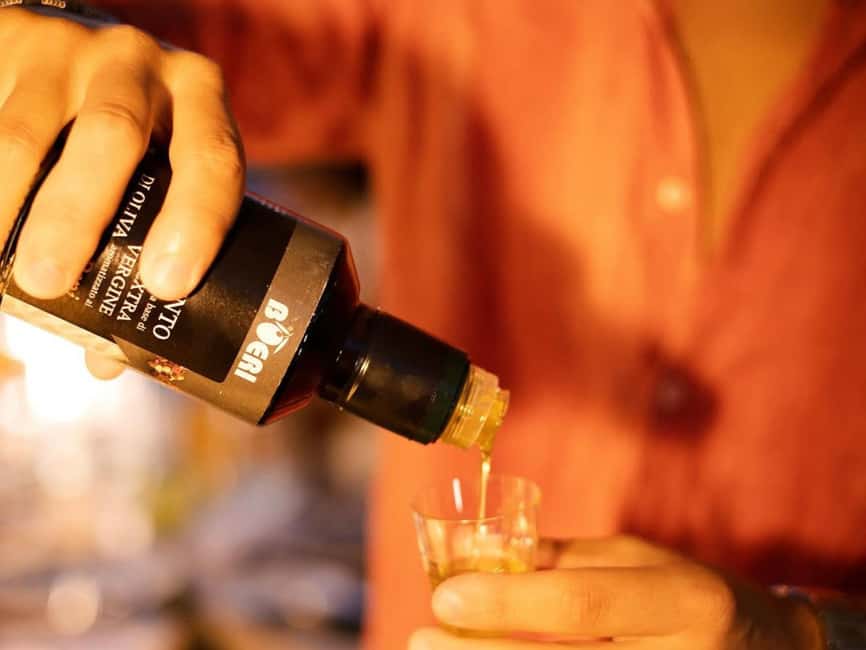
- Guided oil tasting: Sample DOP and non-DOP extra virgin oils while learning how to judge aroma and flavor.
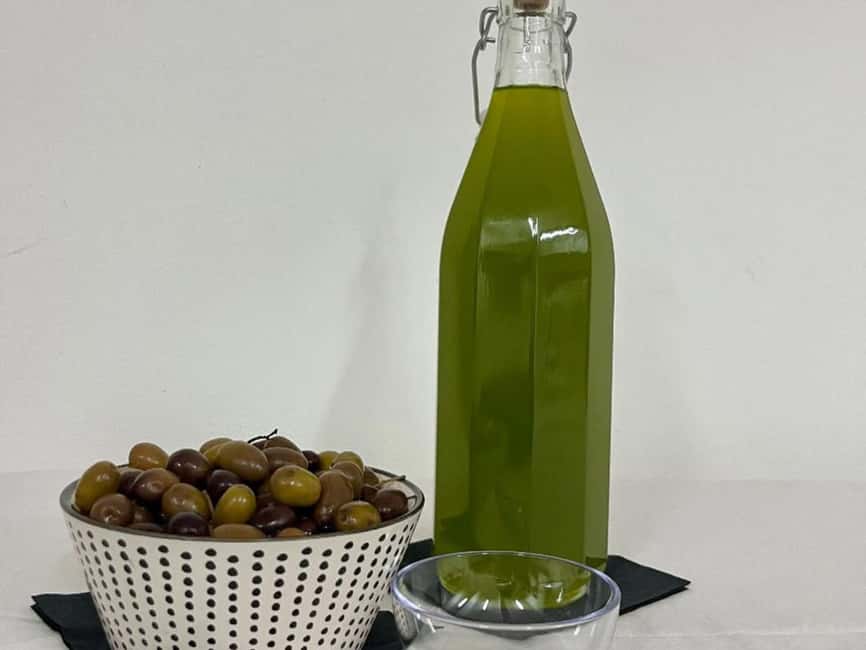
- Local food samples: Try Taggiasca olives and a savory olive pâté.
- Owner-led explanation: Alessandro personally presents the visit and makes time for questions.
- Shopping with guidance: Choose oils and related local products after learning what you are tasting.
Why Taggia is a good place to study olive oil
Taggia lies in Liguria, close to Imperia, and the area is closely tied to the Taggiasca olive. From Imperia, the mill is about 15 minutes by car, making this a manageable side trip if you are exploring the western Ligurian coast.
The Taggiasca olive is the star here. You will learn about its flavor and about the work required to turn harvested olives into extra virgin olive oil. That focus gives the visit a clear purpose. You are not just looking at bottles on a shop shelf. You are learning why two oils can look similar yet smell and taste quite different.
I like this kind of stop because it connects a familiar Italian food with the place where it is made. Olive oil can seem simple until you taste it carefully. The guided session gives you a way to notice aromas, flavor, and quality instead of treating every green-gold bottle as the same.
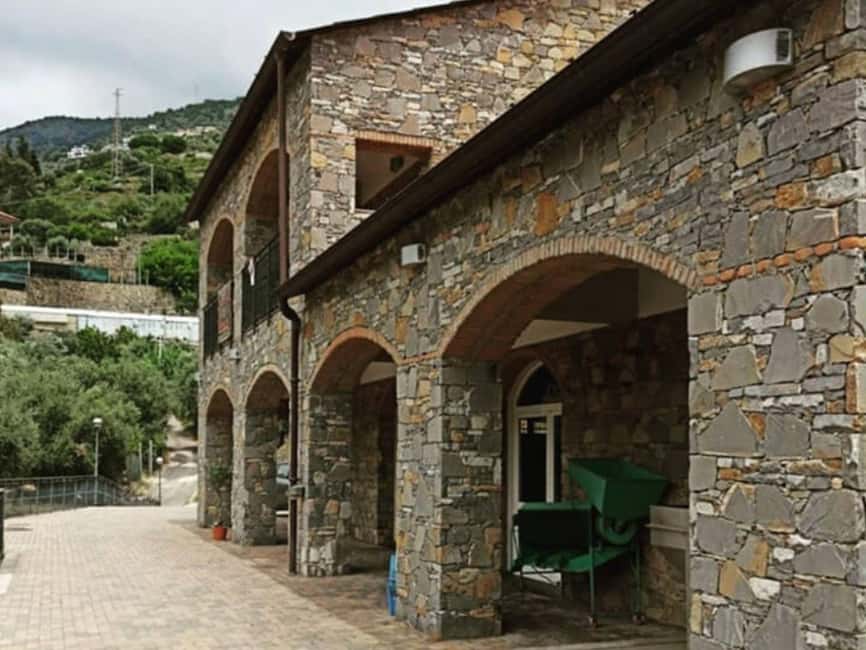
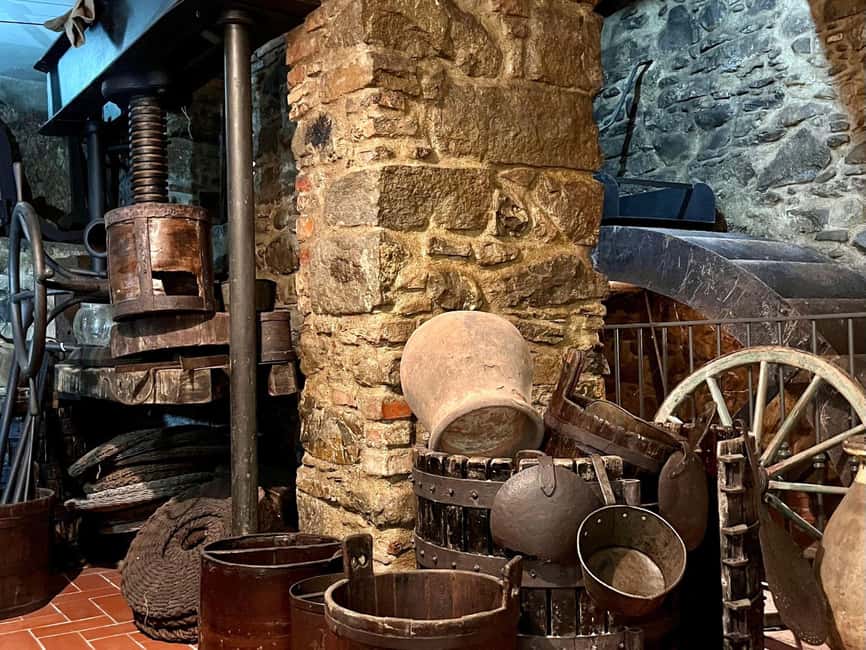
The setting also adds useful context. The mill dates from the late 1800s, so the visit connects today’s oil trade with older local methods. You learn how olives were handled in the past, then compare that work with modern processing and bottling.
More Olive Mill and Factory Tours in Italy
- Bardolino: Lake Garda Oil Mill Tour with Olive Oil Tasting
★ 4.9 · 205 reviews - Lecce to Galatina E-Bike: Olive Mill & Wine Tasting + Taxi back
★ 5.0 · 54 reviews - Olive Oil Tour Visit to the oil mill and olive oil tasting
★ 5.0 · 53 reviews
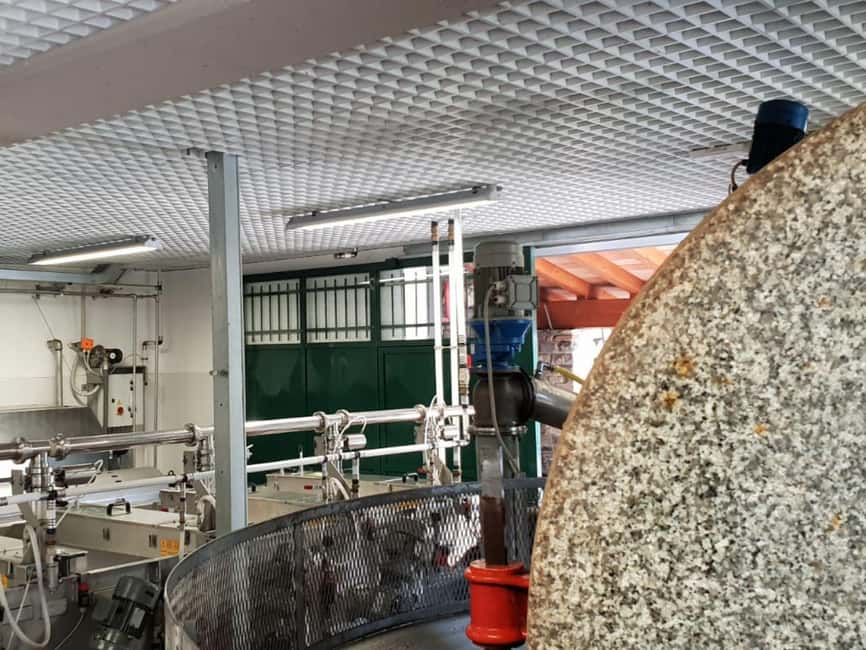
Inside the late-1800s olive mill
The visit begins at Olio Boeri Giuseppe, which functions as both the meeting point and the end point. You do not need to change locations during the hour, a helpful detail if you are fitting the stop between other plans in Taggia or Imperia.
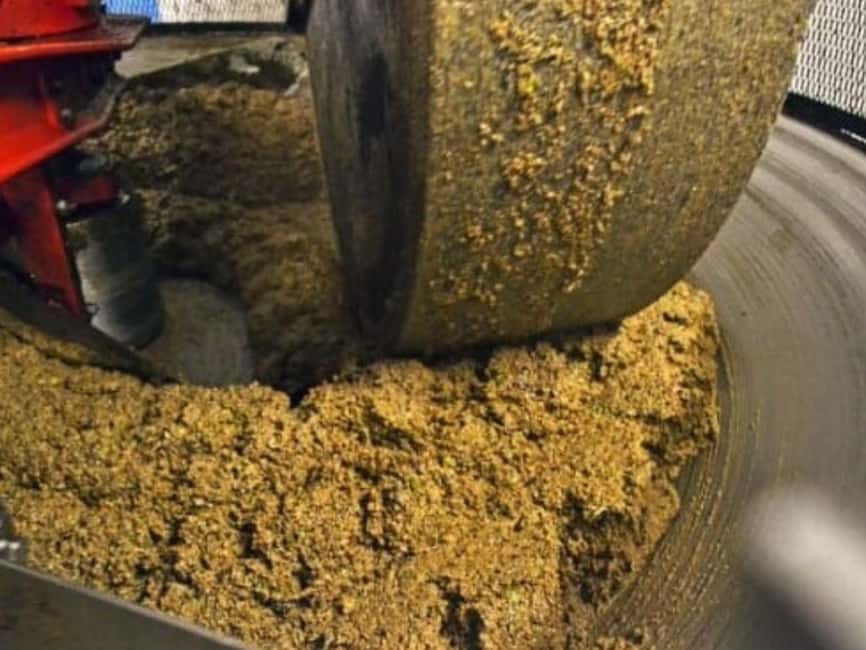
The first section lasts about 20 minutes. Alessandro explains the mill’s traditions, the history of its production methods, and the main stages from harvesting through bottling. His explanation covers both the old approach and the way oil is produced today.
This is where the visit earns its keep. A short talk about olives can easily become vague, but the focus on the production steps gives you something concrete to follow. You learn how harvesting leads to processing, how processing affects the oil, and why careful methods matter.
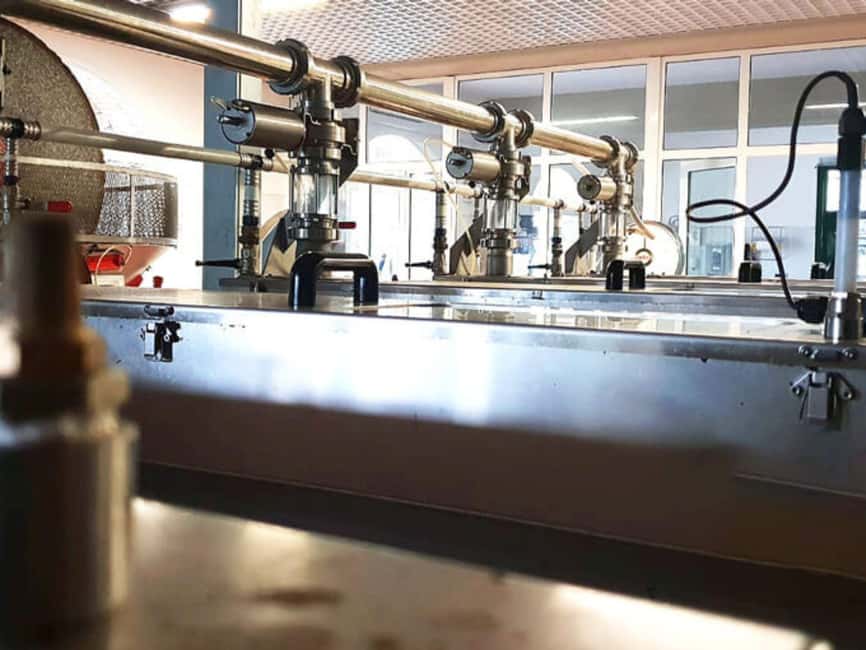
The historic mill is not presented as a fully operating modern factory. The current production takes place elsewhere, so you should arrive with the right expectation. You are seeing an old mill setting and learning the process rather than walking through the complete active production line.
That limitation is worth noting, but it does not make the visit pointless. In fact, the contrast between the old building and modern techniques is one of the more useful parts. You can understand how oil making has changed without losing sight of the handwork and local traditions behind it.
One practical tip: wear comfortable shoes. The activity specifically asks you to do so, and that is sensible for a historic mill visit.
Tasting DOP and non-DOP extra virgin oils
The tasting lasts about 25 minutes and is the heart of the experience. You try both DOP and non-DOP extra virgin olive oils, with guidance on how to assess what is in the glass or tasting vessel.
DOP means Protected Designation of Origin. In practical terms, it identifies products tied to a defined place and set of production rules. The comparison with a non-DOP oil lets you think about labels in a more useful way. A protected designation is important, but you still need to taste the oil and understand what you like.
Alessandro explains the more scientific side of tasting, including how to notice aromas and flavors. You learn to pay attention to the oil’s smell, taste, and overall character. The goal is not to turn you into a professional taster in 25 minutes. It is to give you enough vocabulary and technique to shop with more confidence.
I especially like this part for anyone who buys olive oil at home. After the visit, a bottle is less mysterious. You can think about freshness, flavor, and intended use instead of choosing by packaging alone.
The tasting also helps explain the appeal of Taggiasca oil. The olive is known for a complex flavor, and the lesson gives you a better chance of noticing that character. Rather than rushing through several samples, take a moment with each one and compare what you smell and taste.
The tour does not list a full meal, and it should not be treated as lunch. The tasting is a set of samples designed to support the lesson. That makes the one-hour format easy to fit into a day, but you will want another plan if you need a substantial meal.
Taggiasca olives and olive pâté
The food portion goes beyond oil. You sample Taggiasca olives and an olive pâté, giving you a chance to taste the fruit in more than one form.
This matters because olive oil is only one part of the local food tradition. Tasting the olives themselves helps connect the finished oil with the original ingredient. The pâté adds another useful comparison, showing how the olive’s flavor works as a spread or prepared food.
I like the way these samples make the tasting less technical. If you are new to olive oil, a straight comparison of oils can feel a little formal. Olives and pâté give you familiar foods to enjoy while the guide explains the regional ingredients.
The samples are included in the $27 price. You are not paying for a full meal, but you are getting more than a quick shop visit. You receive a guided explanation, several oil samples, olives, pâté, and time to choose products afterward.
Same groves, a different afternoon:
- Sorrento Farm and Food Experience including Olive Oil, Limoncello, Wine tasting
★ 5.0 · 2,524 reviews - Olive oil tasting in Sorrento
★ 5.0 · 434 reviews - Sorrento: Lemon, Olive Oil and Wine Tasting Tour with Lunch
★ 5.0 · 300 reviews - Alghero: Wine and Olive Oil Tasting at a Local Farm
★ 4.8 · 294 reviews
The 15-minute shopping session
The final part lasts about 15 minutes and is a guided shopping session. After tasting the oils, you can select bottles and related products to take home.
This is a better time to shop than arriving cold at a store. You have already heard how the oils are made and tried more than one style. If you are buying a gift, the tasting can help you choose something with a clear connection to Taggia rather than grabbing the most attractive label.
You can also ask questions while making your selection. The shopping period is not an obligation to buy, but it gives the visit a practical finish. You leave with a clearer sense of what you prefer and how to describe it.
Keep in mind that transportation is not included. The mill is about 15 minutes from Imperia by car, so you need to arrange your own way there. The meeting point is Olio Boeri Giuseppe, punto vendita in Taggia.
What the guide adds to the visit
The owner, Alessandro, leads the tour. That personal connection is one of the strongest features. He explains the process himself, responds to questions, and brings the family business into the story.
The tone is more personal than a standard museum presentation. You are hearing about the product from someone directly connected to its production and sale. That makes questions especially worthwhile. Ask about the differences between the oils, the old methods, and the meaning of DOP labeling while you have him there.
The tour is available in Italian and English. If you need English, confirm the available starting time when booking, since the activity offers live guiding in both languages.
The overall rating is 4.7 from 18 ratings, and the strongest praise centers on the clear explanations, the owner-led format, the oil tasting, and the family character of the business. One person described the visit as interesting but noted that seeing the actual production would have made it stronger. That is a fair assessment and the key point to remember before booking.
Is one hour enough?
One hour works well if you want a compact food activity. The timing is divided into roughly 20 minutes for the mill visit, 25 minutes for tasting, and 15 minutes for shopping. There is little wasted time, and every section supports the next.
The format is especially useful during a busy Ligurian itinerary. You can visit Taggia, drive from Imperia, and still have most of the day for other plans. The short length also suits people who enjoy food history but do not want a half-day class.
The trade-off is depth. You will receive a focused introduction, not a long technical course in olive cultivation or oil chemistry. You will not see the full working production facility in this building, and the activity does not include transportation or a meal.
I would think of it as a well-focused introduction. It gives you enough background to taste with purpose and shop intelligently, then lets you move on.
Who will enjoy this Taggia experience?
This visit suits you best if you enjoy regional food, small producers, and practical cultural stops. It is also a good choice if you are curious about Italian ingredients but do not yet know much about olive oil.
Food-focused visitors will get the most from the tasting. You can compare DOP and non-DOP oils, learn how to assess them, then taste olives and pâté. Anyone who cooks at home may also appreciate the chance to learn what to look for when buying extra virgin oil.
The family-business setting is another reason to choose it. Alessandro’s personal presentation gives the visit a direct, human feel. You are not simply reading a display about old tools. You are hearing the story explained by the person connected to the business.
This is less suitable if you need step-free access. The activity is not suitable for wheelchair users. Comfortable shoes are required, and transportation to Taggia must be arranged independently.
Price, timing, and practical value
At $27 per person, the price is reasonable for a one-hour guided visit that includes the mill presentation, two types of oil tasting, Taggiasca olives, olive pâté, and guided shopping. The value comes from the explanation. If you only wanted to buy a bottle, you could do that elsewhere, but you would miss the comparison and tasting lesson.
I would consider it good value for a couple or small group already spending time near Imperia. The 15-minute drive keeps the outing simple, and the activity does not consume a full morning or afternoon.
The value is weaker if your main goal is to watch modern machinery operating. That is not what this visit provides. The actual production is not in the historic building, so you should book for the story, tasting, and local products.
Free cancellation is available up to 24 hours before the start for a full refund. You can also reserve and pay later, which helps if your Ligurian plans are still shifting.
Should you book the Taggia olive mill visit?
I would book this experience if you are near Imperia and want a short, local food stop with real instruction. The owner-led presentation, Taggiasca tasting, old mill setting, and chance to compare DOP and non-DOP oils give the hour a clear purpose.
I would skip it only if you expect to walk through a fully operating mill or need a meal-sized tasting. For everyone else, $27 buys a useful introduction to one of Liguria’s signature foods, plus the chance to take home a bottle you chose with some understanding behind it.
FAQ
Where does the olive mill visit take place?
The meeting point is Olio Boeri Giuseppe, punto vendita, in Taggia, a village near Imperia in Liguria.
How far is the mill from Imperia?
The mill is about 15 minutes away by car from Imperia.
How long does the activity last?
The full activity lasts one hour. The visit takes about 20 minutes, the food tasting about 25 minutes, and shopping about 15 minutes.
What will I taste?
You will taste DOP and non-DOP extra virgin olive oils, Taggiasca olives, and an olive pâté.
Is the tasting a full meal?
No. Meals are not included, and the tasting consists of olive oils, olives, and olive pâté.
Who leads the tour?
Alessandro, the owner, leads the visit and explains the production process and tasting points.
Is the tour available in English?
Yes. Live guiding is available in Italian and English.
Is transportation included?
No. You must arrange your own transportation to and from the mill.
Is the activity suitable for wheelchair users?
No. The activity is not suitable for wheelchair users. Comfortable shoes are recommended.
Newest grove reviews around Italy
- Buti: Olive Oil Ancient Mill Tour and Tasting Experience★ 5.0 · 2 reviews
- Cagliari: Wine and Olive oil Experience + Oil Mill Museum★ 5.0 · 2 reviews
- Bevagna: Olive Oil Mill Tour with Guided Tasting★ 5.0 · 6 reviews
- Bari: narrated extra virgin olive oil tasting with aperitif★ 4.5 · 3 reviews
- Olive Mill Tour and Tasting in the Verona Countryside★ 5.0 · 9 reviews
- San Gimignano: Winery Visit with Picnic in Olive Grove★ 5.0 · 3 reviews
- Soap and Olive Oil Experience★ 5.0 · 8 reviews
- Olive Oil Tasting & Mill Guided Visit in Perugia★ 4.9 · 12 reviews
Olive Mill and Factory Tours, compared.
Knossos-Zeus Cave -Old Traditional Villages-Olive Oil Factory
Read our review →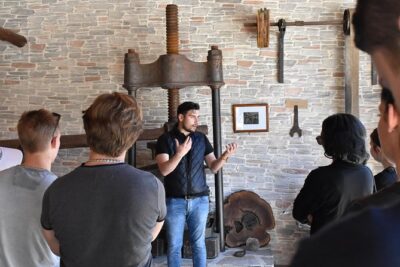
The Governor’s Olive Mill Tour with Olive Oil Tasting
Read our review →
Road-trip to Lasithi, Zeus Cave & Olive Mill Farm
Read our review →
Lassithi, Zeus Cave, Olive Mill Farm & Knossos Combo Tour
Read our review →
Lake Garda Oil Mill Tour with Olive Oil Tasting
Read our review →Browse the lists this tour appears in