
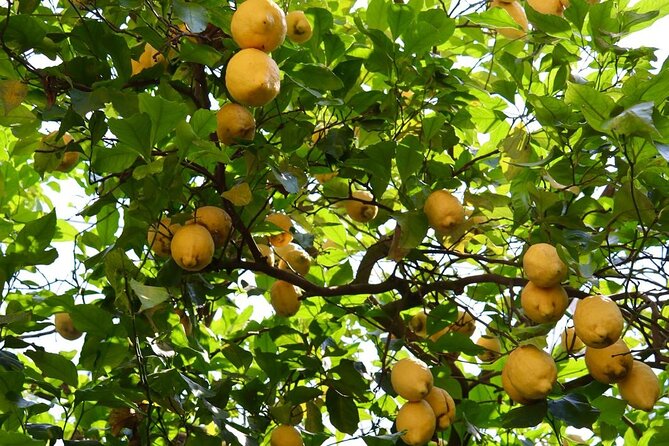
Review · OLIVE GROVE WALKS
Discover Sorrento through lemons and olive trees
Sorrento’s best lemon experience may be the one that gets you away from the souvenir shops and into the soil. This two-hour visit takes you to a seven-generation family farm, where Christian explains how the family grows lemons, olives, vegetables, and grapes, then produces its own oils, preserves, and liqueurs.
I like the personal scale and the unusually good farm stories. You may see olive trees more than 200 years old, an olive press dating to 1775, and lemons grown in the shade of tall olive trees. I also like the generous tasting at the end, with limoncello, marmalades, local liqueurs, and several olive oils.
The main consideration is that this is a working family farm, not a polished theme park. The ground slopes gently, so wear sensible shoes, and expect an informal visit rather than a highly staged production tour.
Key points to know before booking
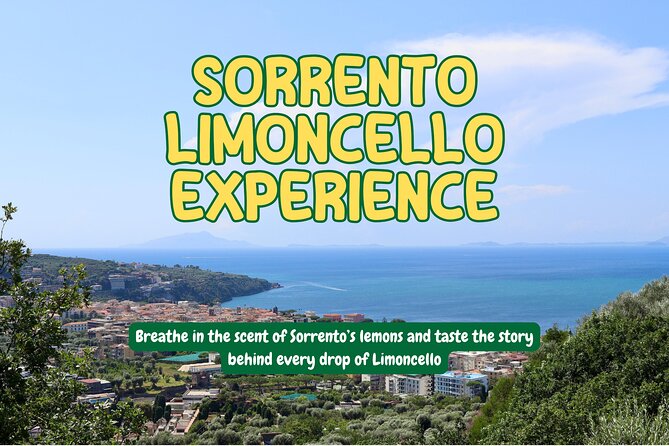
- A seven-generation farm near Sorrento: The family has cultivated this land for centuries and still works with hand harvesting and organic methods.
- A clever lemon-growing tradition: Tall olive trees provide shade, helping the lemons grow more slowly and develop fuller flavor.
- Christian leads the visit: He shares stories about the farm, Sorrento agriculture, olive oil production, and his family’s connection to the property.
- The tasting is part of the experience: Try citrus marmalades, rustic bread, limoncello, walnut liqueur, cream liqueurs, and classic or flavored olive oils.
- Pickup can simplify the outing: A free courtesy pickup may be arranged from Piazza Tasso or nearby Sorrento accommodations.
- Optional food adds more time and cost: You can request a farm lunch, brunch-style tasting, or a cooking class focused on pizza or gnocchi.
Why this farm visit feels different from a standard Sorrento tasting
Sorrento is famous for lemon-colored ceramics, lemon candies, and bottles of limoncello. Those are fun souvenirs, but they can make the local lemon tradition feel like a shop display. This visit gives you the missing part of the story: the trees, the soil, the harvest, and the family work behind the bottle.
You begin at a family-run agriturismo in the Sorrento countryside. The farm is only about 10 minutes from the center, yet it offers a clear change of pace from Piazza Tasso. Instead of traffic and café tables, you get groves, hills, farm buildings, and broad views over the surrounding countryside.
The group can include no more than 10 people, and some visits may be private or nearly private. That matters here. Farm tours work best when you can stop to ask why a tree is pruned a certain way or how the oil is made. Christian’s relaxed style suits that kind of conversation.
More Olive Grove Walks in Italy
- Ostuni: Masseria tour among thousand-year-old olive trees with oil tasting
★ 4.8 · 261 reviews - Balestrate: Olive Grove Tour with Wines & Olive Oil Tasting
★ 5.0 · 241 reviews - Bologna: Olive Grove and Vineyard Tour with Product Tastings
★ 4.8 · 109 reviews
Walking among Sorrento’s lemon and olive trees
The guided walk is the heart of the visit. Christian introduces the olive and lemon groves, explains the family’s farming practices, and points out other crops grown on the property. Depending on the season, you may see vegetables, grapes, orange trees, mandarin trees, and livestock.
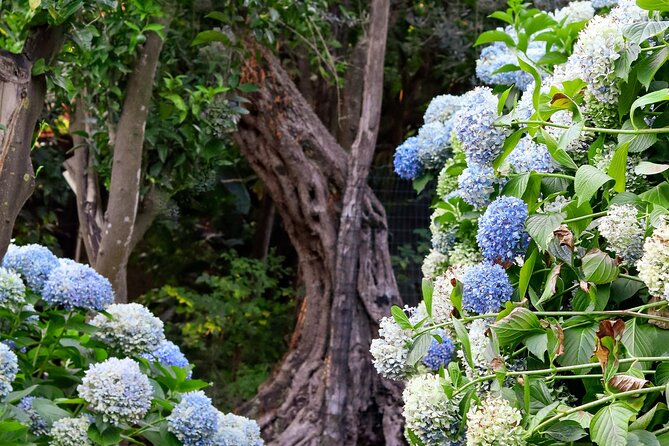
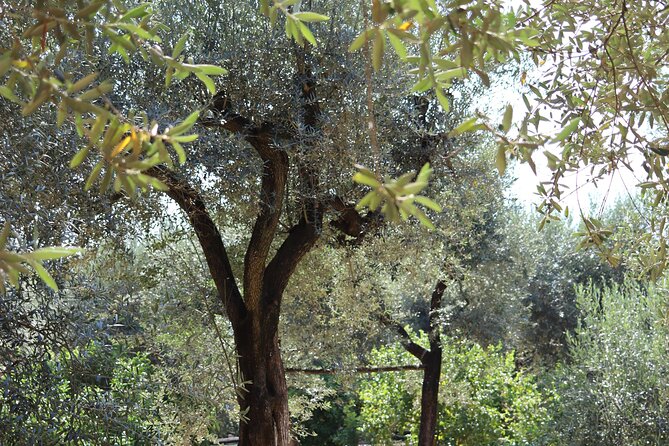
One of the most interesting details is the relationship between the olive and lemon trees. The family allows some olive trees to grow tall, creating shade for the lemons below. The lemons grow more slowly in that protected setting, which the family says gives them better flavor.
This is useful context when you buy Sorrento lemons or limoncello elsewhere. The region’s famous fruit is not simply a product of sunny weather. Cultivation methods, patience, seasonal work, and careful harvesting all affect the final taste.
The farm uses organic methods, and the fruit and olives are picked by hand. That does not mean the visit is a formal lesson in organic certification or agricultural science. Instead, you get a direct explanation of how this particular family works its land.
The paths have gently sloping sections. You do not need to treat the walk like a hike, but comfortable shoes are a smart choice. Sandals with slippery soles are not ideal, especially if the ground is damp.
The old olive press and the farm’s long family story
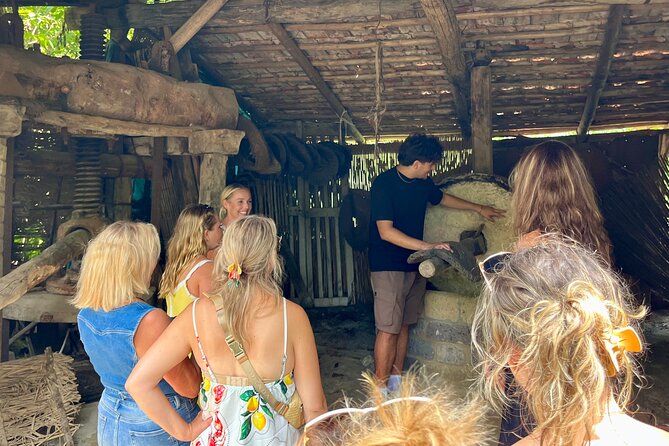
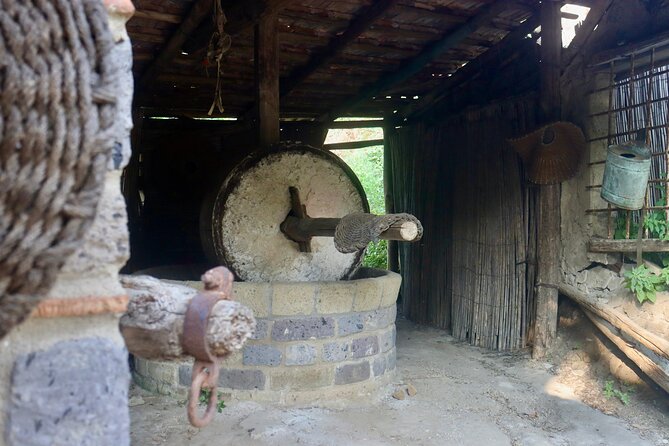
The property’s age gives the tour a useful sense of place. The family has farmed here for seven generations, and the olive oil tradition reaches back to the 18th century. An old olive press built in 1775 remains on the property. It once used mules to turn the wheel.
That old press helps explain the physical work behind olive oil production. Today, you may see olive oil as a neat bottle on a shop shelf, but the earlier process required animals, heavy equipment, manual labor, and careful timing. Christian connects those older methods with the family’s current production.
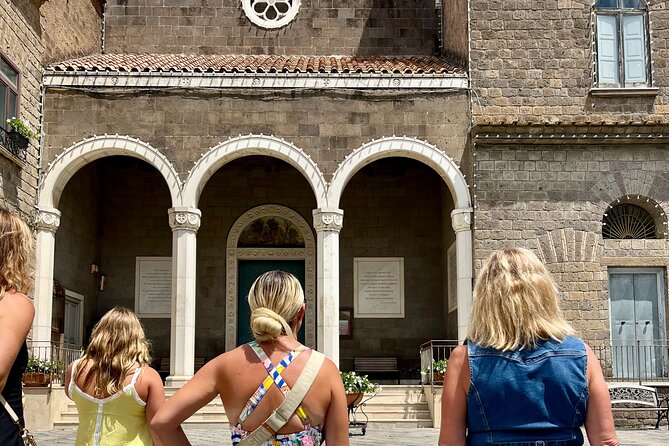
The farm also has a church on the property. It contains old frescos and paintings, and the family continues to help support it. This is one of the visit’s more unusual details because it links farming with the life of the local community.
You should not expect a long church tour or a full museum visit. The appeal is the combination of small details: a working farm, old equipment, a family-supported church, and stories about how the property has changed over generations.
Christian’s personal guide to local agriculture
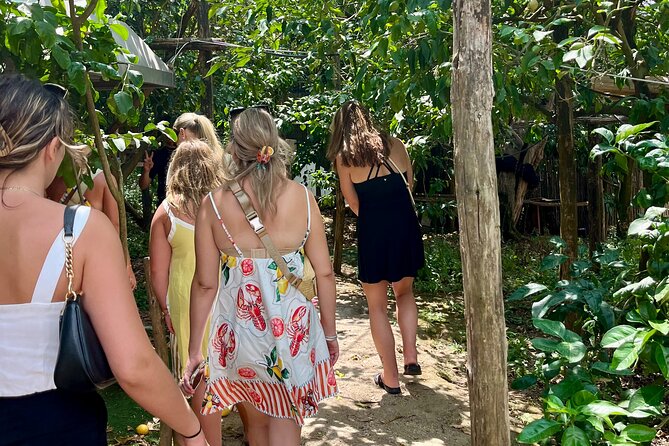
Christian is the main guide, and his role is a major part of the experience. He is part of the family connected to the farm and explains both the practical side of agriculture and the family’s place in Sorrento.
He covers lemon cultivation, olive growing, harvesting, and the production of oil and limoncello. He also talks about how the business developed over time. That family connection gives the tour a more personal tone than a general food walk led by a guide with no connection to the property.
I like that the visit leaves room for questions. You can ask about the age of the trees, the timing of harvest, or how the family uses different plants. The experience is not built around a long script or a rapid sequence of photo stops.
The trade-off is that the quality of the visit depends partly on your interest in farming and family stories. If you only want a quick limoncello sample, the walking portion may feel longer than necessary. If you enjoy seeing how local food is made, the pace gives the subject room to breathe.
Same groves, a different afternoon:
- Sorrento Farm and Food Experience including Olive Oil, Limoncello, Wine tasting
★ 5.0 · 2,524 reviews - Olive oil tasting in Sorrento
★ 5.0 · 434 reviews - Sorrento: Lemon, Olive Oil and Wine Tasting Tour with Lunch
★ 5.0 · 300 reviews - Alghero: Wine and Olive Oil Tasting at a Local Farm
★ 4.8 · 294 reviews
The tasting: marmalades, limoncello, and olive oil
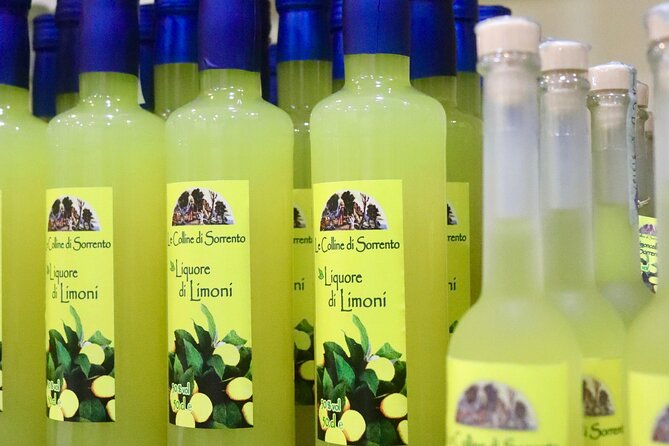
After the walk, you sit down for a tasting at the agriturismo. The included snack centers on rustic bread and family-made products. You can try organic lemon, orange, and mandarin marmalades, along with limoncello, other traditional liqueurs, and classic and flavored extra virgin olive oils.
The tasting works well because it follows the farm walk. You have just seen the trees and heard how the crops are handled. Now you can compare the finished products and understand what the family is trying to preserve.
The selection may also include walnut liqueur and cream-style liqueurs. The exact tasting can vary, but the experience is not limited to one glass of limoncello and a token cracker. It is a proper sampling of the farm’s small-batch products.
The olive oils are especially useful for comparison. A plain extra virgin oil lets you focus on the olive flavor, while flavored versions show how citrus and other ingredients can change the experience. The marmalades give you a sweeter counterpoint to the oils and liqueurs.
You can purchase products from the farm shop after tasting. Several items are wrapped for transport, and the packaging is helpful if you plan to put bottles or jars in your luggage. Bring extra room if you are serious about food souvenirs. It is easy to leave planning to buy one bottle and end up considering marmalade, oil, limoncello, and liqueur.
Optional lunch, brunch, or a cooking class
The basic tour includes the farm walk and tasting, not a full meal. That keeps the $60.08 price focused on the core experience and makes the outing easier to fit into a busy Sorrento schedule.
You can request an additional tasting with cured meats, fresh mozzarella and ricotta, bruschetta, seasonal vegetables, a glass of local wine, and water. This is a good choice if you want a more substantial midday meal, but confirm the added cost when booking.
The farm also has a restaurant connected with the property. A family-prepared lunch may be available, and the meal can include local dishes made by members of the family. Since lunch is optional, you should not assume it is part of the standard two-hour visit.
There is also a cooking school available by request and for an extra fee. The focus is on making pizza or gnocchi in a local style. This could turn the outing into a longer food experience, but it should be arranged in advance rather than treated as a guaranteed walk-in option.
Pickup from Sorrento makes the logistics easy
The official meeting point is Via Casarlano, 10/b, in Sorrento. Free pickup may be arranged from Piazza Tasso near Hotel Plaza, and a courtesy car can collect you from Sorrento or nearby areas.
That service is more useful than it may first appear. The farm is close to town, but reaching a countryside property can be awkward if you do not have a car. Pickup also helps if you are carrying luggage or planning this on your final day in Sorrento.
The vehicle is air-conditioned, which matters during the warmer months. You should request pickup when booking and confirm the precise location and time. The activity returns to the meeting point, so plan your next stop with that in mind.
Public transportation is nearby, and service animals are allowed. The small group limit of 10 people keeps the transportation and walking portions manageable.
Is $60.08 good value?
At $60.08 per person, this is not the cheapest limoncello tasting in Sorrento. You can find a quick sample in town for far less. That comparison, however, misses the main value of this experience.
You are paying for about two hours of guided time, transport help when requested, access to a family farm, and a tasting that includes several kinds of products. You also get the stories behind the food, not simply a bottle presentation.
The price is strongest for someone who wants a cultural experience with food included. It is less compelling if you have no interest in agriculture and only want to taste limoncello. In that case, a shop or short tasting at a restaurant may suit you better.
The included tasting is substantial enough to make the price feel reasonable, especially when you consider the small group and the personal guide. Optional lunch, brunch, or cooking activities will raise the total, so decide if you want a simple visit or a longer farm meal before you book.
Who should book this Sorrento farm tour?
I would choose this experience if you want to see a quieter side of Sorrento and prefer direct contact with a local family. It suits couples, families, and small groups who enjoy food, farming, photography, and local stories.
It is also a good choice for a final morning in town if you want pickup and a chance to buy edible souvenirs. The farm shop provides items that are easy to share at home, and travel-ready wrapping helps with bottles and jars.
Families with older children may find the walk and tasting more interesting than another crowded historic site. The farm animals, old machinery, and different fruit trees add variety, although the experience is still centered on agriculture rather than entertainment.
I would think twice if you have difficulty walking on gently sloping ground or if you need a fully accessible route. The available information confirms service animals are allowed, but it does not promise a fully accessible farm path, so ask before booking if that is important to you.
Free cancellation is available up to 24 hours before the start time. Changes or cancellations made later are not accepted for a refund.
Should you book it?
Book this tour if you want more than a bottle of limoncello and a quick explanation of how it is made. The best parts are the family connection, Christian’s personal guidance, the old olive press, shade-grown lemons, and the generous tasting of products made on the property.
Skip it if your schedule is packed or if you are looking only for a short city-center tasting. For most visitors who have two hours to spare, though, this is a thoughtful way to connect Sorrento’s famous flavors with the land and people behind them.
FAQ
How long does the Sorrento farm tour last?
The experience lasts approximately two hours.
Where does the tour begin?
The listed meeting point is Via Casarlano, 10/b, 80067 Sorrento, Italy.
Is pickup available from central Sorrento?
Yes. Free pickup may be requested from Piazza Tasso near Hotel Plaza, and a courtesy car may collect you from Sorrento or nearby areas.
Is transportation included?
An air-conditioned vehicle is included for the pickup service when arranged. Pickup should be requested when booking.
What food and drinks are included?
The tasting includes rustic bread with organic lemon, orange, and mandarin marmalades, limoncello, traditional local liqueurs, and classic and flavored extra virgin olive oils.
Is lunch included?
No. An optional tasting with cured meats, cheeses, bruschetta, seasonal vegetables, wine, and water is available for an extra charge. A farm lunch may also be requested.
Can I take a cooking class?
Yes. A cooking school focused on pizza or gnocchi is available by request and for an additional fee.
How large is the group?
The activity has a maximum of 10 people.
Can I cancel for a full refund?
Yes, if you cancel at least 24 hours before the experience begins. Cancellations or changes made less than 24 hours before the start time are not refunded.
Newest grove reviews around Italy
- Buti: Olive Oil Ancient Mill Tour and Tasting Experience★ 5.0 · 2 reviews
- Cagliari: Wine and Olive oil Experience + Oil Mill Museum★ 5.0 · 2 reviews
- Bevagna: Olive Oil Mill Tour with Guided Tasting★ 5.0 · 6 reviews
- Bari: narrated extra virgin olive oil tasting with aperitif★ 4.5 · 3 reviews
- Olive Mill Tour and Tasting in the Verona Countryside★ 5.0 · 9 reviews
- Soap and Olive Oil Experience★ 5.0 · 8 reviews
- Olive Oil Tasting & Mill Guided Visit in Perugia★ 4.9 · 12 reviews
- Puglia Olive Oil Tasting Experience with Olive Grove Walk★ 4.5 · 10 reviews
Olive Grove Walks, compared.
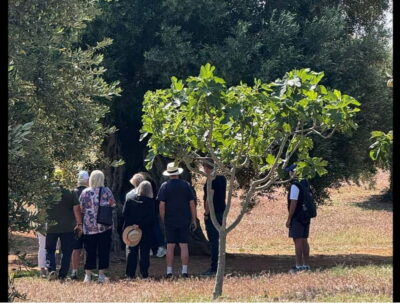
Masseria tour among thousand-year-old olive trees with oil tasting
Read our review →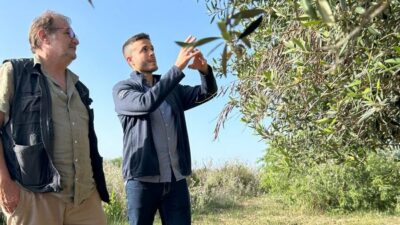
Olive Grove Tour with Wines & Olive Oil Tasting
Read our review →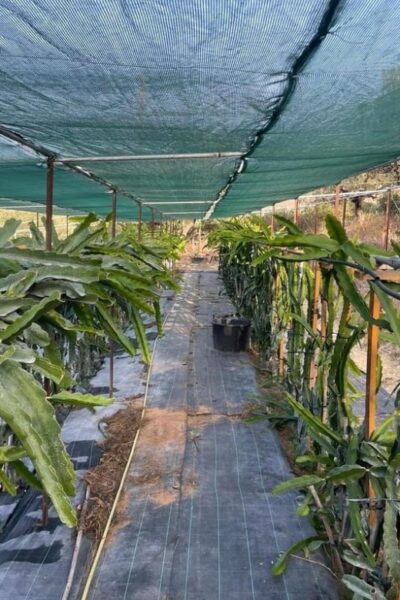
Traditional Olive Grove and Dragon Fruit Farm Tour
Read our review →
Visit of the olive grove, olive oil tasting and snack
Read our review →
Bologna: Olive Grove and Vineyard Tour with Product Tastings
Read our review →
Balestrate Olive Grove Tour: Wine and Olive Oil Tasting
Read our review →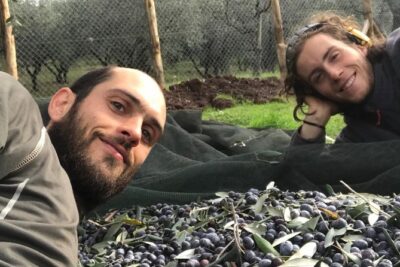
Guided tours of the olive grove with oil tasting.
Read our review →
Organic Olive Grove tour & Olive oil tasting & lunch in Kalamata!
Read our review →Browse the lists this tour appears in