
Review · OLIVE MILL AND FACTORY TOURS
Corfu: Olive Oil Experience – The Governor’s Olive Mill
Corfu’s olive oil story comes alive at The Governor’s Olive Mill, where old stone equipment, modern machinery, family groves, and a tasting table all fit into one outing. The star is the family’s Corfiot Lianolia olive oil, known for its awards and health research.
I like the way the tour links traditional farming with modern production, rather than treating olive oil as just a souvenir. I also like the stop at Mitera, an olive tree said to be about 1,500 years old. The main consideration is timing: although the tour is advertised as three hours, several itineraries with transport and extra stops have taken five to six hours, so cruise passengers should confirm the schedule carefully.
Key points to know before booking

- The tasting is practical, not just decorative: You learn how to smell, taste, compare, and store olive oil.
- The old and new mills sit side by side in the story: Expect a museum area, historic equipment, and a modern processing space.
- Mitera is the emotional highlight: The ancient family olive tree gives the grove visit a strong sense of place.
- Pickup makes this easy from Corfu town: Transport is available from selected hotels, the airport, or port within the stated radius.
- The food is light but welcome: Bread, cheese, tomatoes, capers, and a small dessert accompany the oil tasting.
- Check the group details before paying: The information lists a small group, a maximum of 10, and also a total of 20 to 30 participants in one note.
Why Corfu olive oil deserves your attention
Corfu is often sold through beaches, old-town lanes, and resort views. Olive oil gives you another way to understand the island. The olive tree is tied to farming, family work, food, trade, and daily cooking. Here, you see that connection rather than simply hearing about it in a museum caption.
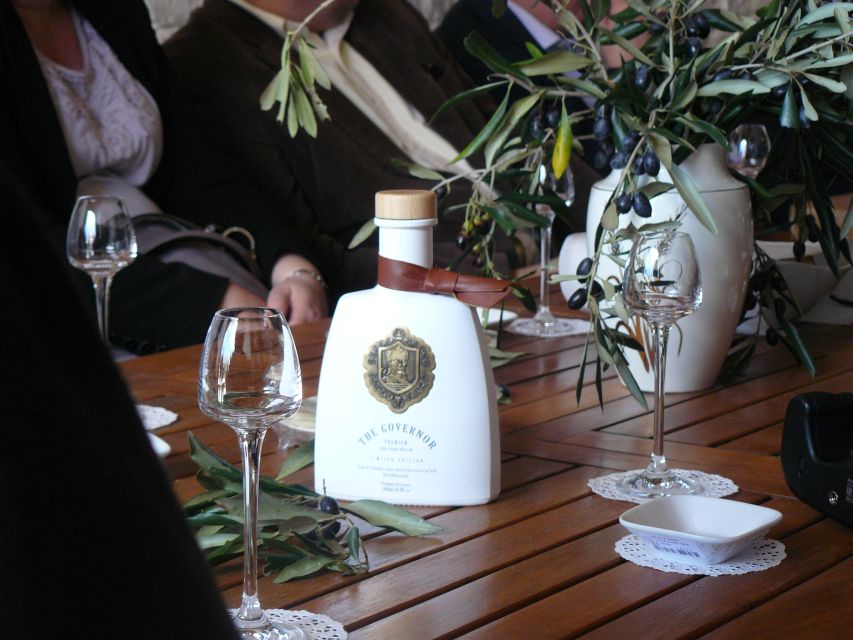
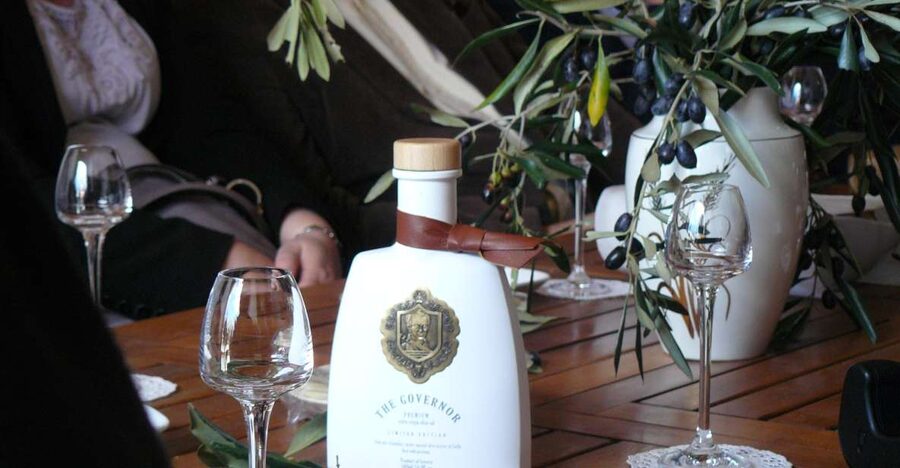
The Governor’s Olive Mill focuses on the Lianolia variety, a local Corfiot olive used for its monovarietal extra virgin olive oil. The family presents The Governor as the first health-claim olive oil in the world, and the mill displays its international awards, including recognition as Best Greek Olive Oil Brand of 2016 according to Gastronomos.
That language is part of the mill’s own presentation, but you do not need to be a food expert to get value from it. The useful part is learning what separates a carefully made extra virgin olive oil from an ordinary supermarket bottle. You leave with a better idea of what to look for in flavor, labeling, freshness, and storage.
More Olive Mill and Factory Tours in Greece
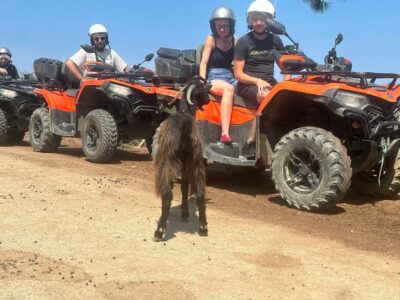
- Crete: Quad Safari, Olive Mill with Tasting & Ghost Village
★ 4.9 · 1,004 reviews - Knossos-Zeus Cave -Old Traditional Villages-Olive Oil Factory
★ 5.0 · 694 reviews - The Governor’s Olive Mill Tour with Olive Oil Tasting
★ 5.0 · 502 reviews
Pickup from Corfu town, the port, or nearby hotels
The day generally starts with pickup around 9:00 to 9:30, with the tour at the mill beginning at about 10:30. Pickup is listed for selected hotels, Corfu airport, and the port, within roughly 25 to 30 kilometers of the mill. Because the information gives both distances, I would confirm your exact pickup point before booking.
The ride from Corfu town takes about 45 minutes to an hour, depending on the route and traffic. That transfer is not dead time. Drivers such as George, Spiros, Spyros, and Sotiris have been praised for explaining parts of the island, pointing out local places, and helping guests feel oriented before reaching the mill.
The vehicle can be a small van, with one note listing a maximum of eight people in the van. Another part of the information describes the activity as limited to 10 participants, while a separate note says the total group may range from 20 to 30. This is worth clarifying if you care about a very small group. The ride may feel crowded when every seat is taken.
For cruise passengers, the port pickup is useful, but allow plenty of time. The scheduled activity may be described as three hours, while the full outing can run longer once driving, the grove, and Gardiki Castle are included. A guest with a short cruise call had to skip the grove portion to get back to the ship on time. If you are in the same position, ask the operator for a firm return time before you leave the port.
The old mill and Corfu’s olive-growing past
The first part of the visit takes place in the museum area. Here, your guide explains how olives were harvested and pressed in earlier generations, using old machinery and displays to show the work involved.
The historic mill, or loutrouvio, belonged to the Dafnis family. This section helps you picture olive oil production before modern equipment reduced some of the manual labor. The work was slow and demanding, and the family’s connection to the mill gives the presentation a personal quality.
Guides including Maria and Eleni have been singled out for clear explanations and a good sense of humor. That matters here because the subject can become technical. A strong guide keeps the process simple: olives are collected, cleaned, crushed, pressed or processed, and then the oil is separated and stored.
The old machinery also helps explain why olive oil was such an important household product. It was not an abstract agricultural commodity. It was part of food, income, family work, and island identity.
The modern production area and the awards
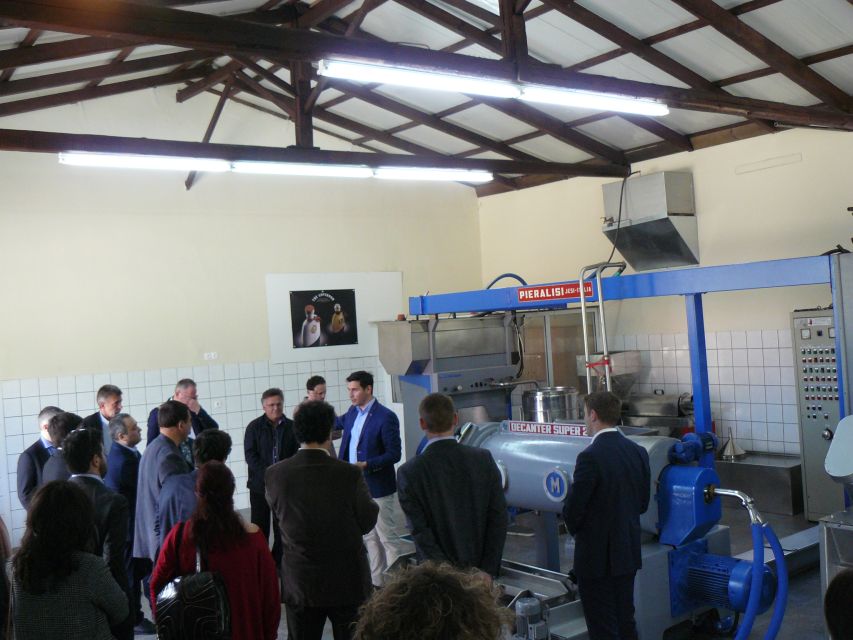
The tour then moves into the modern mill. You see the newer machines and hear how the olives pass through the current extraction process. This is where the old and new parts of the visit connect.
The modern equipment is not presented as a replacement for tradition alone. It shows how careful temperature control, cleanliness, timing, and processing affect the final oil. The guide also explains the stages of production and the reasons quality can suffer when olives are handled poorly or stored badly.
The Governor’s awards are part of this section. The mill presents its oil as an award-winning extra virgin product made from one Corfiot variety. It also explains the research behind its health claim and the term medical food used in international scientific literature.
You do not need to accept every promotional phrase to appreciate the lesson. The useful takeaway is that taste and quality are connected to production choices. If you buy a bottle afterward, you will have a better sense of why price, harvest information, packaging, and storage can matter.
Same groves, a different afternoon:
- From Chania: Olive Oil, Wine, Cheese & Honey Tasting Tour
★ 4.6 · 490 reviews - Crete: Road-trip to Lasithi, Zeus Cave & Olive Mill Farm
★ 4.4 · 451 reviews - Heraklion: Olive Farm Tour with Tasting of Local Delicacies
★ 4.9 · 411 reviews - Lassithi, Zeus Cave, Olive Mill Farm & Knossos Combo Tour
★ 4.6 · 404 reviews
How the olive oil tasting works
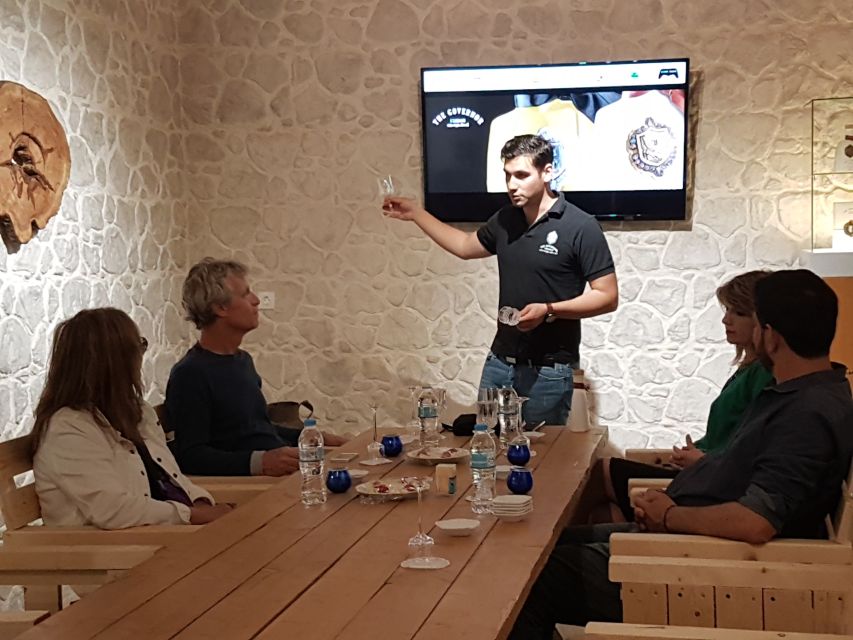
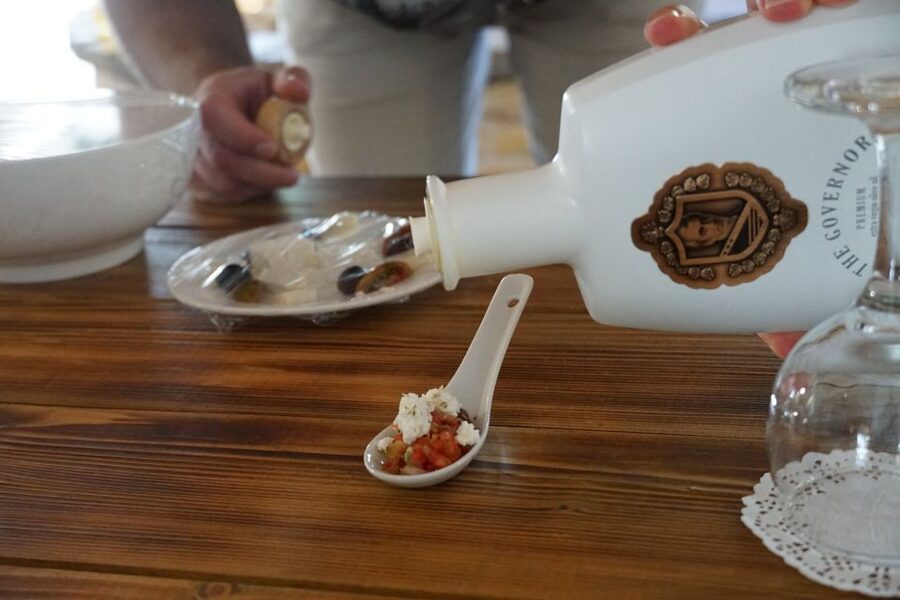
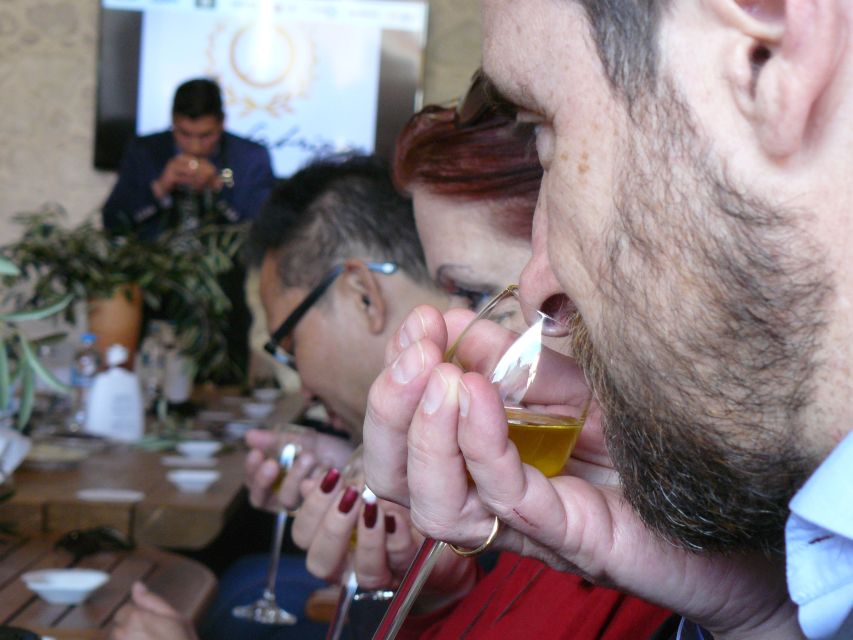
The tasting is the center of the visit. It is not simply a splash of oil on a plate. The guide shows you how to assess aroma and flavor, and how to recognize the qualities associated with good extra virgin olive oil.
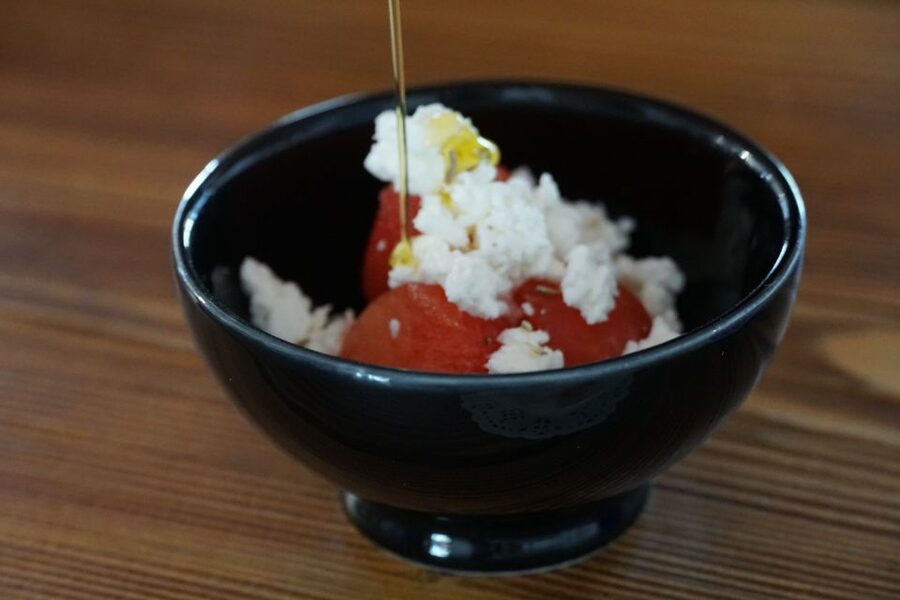
Expect to taste the oil with simple foods, including:
- Village bread
- Cheese
- Cherry tomatoes and capers
- Yogurt
- A dessert such as ice cream or chocolate
- Natural mineral water
The portions are snack-sized rather than a full lunch. One useful tip is to eat a proper breakfast beforehand, especially if your pickup is early. The food is enough to make the tasting comfortable, but not enough to replace a meal.
The tasting also gives you a chance to notice how different the oil can seem from ordinary supermarket products. You may pick up stronger aromas and a more intense taste. The guide explains how to use the oil correctly and how to store it, including details such as keeping it away from conditions that reduce freshness.
I especially like this part because it gives you a skill you can use after the holiday. You can apply the same basic approach at home: smell before tasting, notice bitterness and peppery sensations, and think about whether the flavor seems fresh and balanced. The point is not to turn you into a professional judge in one morning. It is to help you stop buying olive oil blindly.
The family groves and the Mitera olive tree
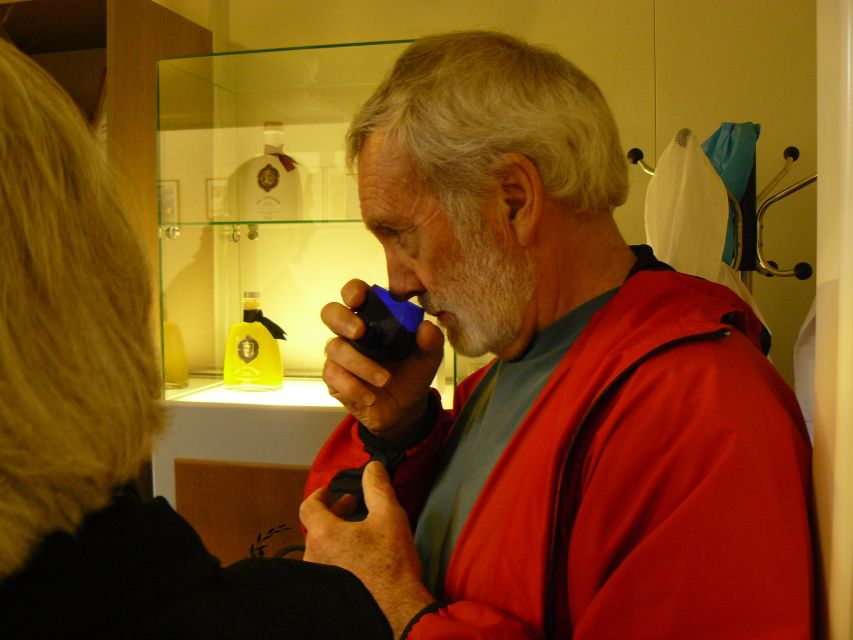
After the mill, the vehicle continues to the Dafnis family’s old olive groves. This changes the experience from a factory visit into a look at the land behind the bottle.
The groves are described as old and largely untouched. Walking among the trees gives you a better sense of the scale and age of Corfu’s olive culture. Some trees are twisted and broad, shaped by many years of growth. The setting is also a good place for photographs.
The major stop is Mitera, or Mother Tree, said to be about 1,500 years old. The tree is more than a photo opportunity. It gives the family’s work a long time frame, linking present-day bottles to generations of cultivation.
Guides and drivers have often helped with photographs at this stop. Sotiris, in particular, has been praised for guiding people through the grove and making the visit feel personal. The stop is usually short, around 20 minutes for the additional visit, so wear shoes that are comfortable for walking on uneven ground.
You may encounter mosquitoes in the groves, particularly in warmer months. Bring repellent if you are sensitive to bites. The operator has provided bite cream, but your own repellent is the simpler solution.
Gardiki Castle adds a welcome history stop
The final cultural addition is Gardiki Byzantine Castle. The stop gives you a little more context about the area beyond olive farming.
The castle visit is brief, with time to learn about the site and take photographs rather than conduct a long archaeological tour. That is a good fit for this outing. The castle adds variety without turning the morning into a second full museum visit.
Drivers have sometimes gone out of their way to explain nearby ruins or adjust the route when time allows. Do not count on an extended detour, though. The published plan includes the castle stop, but the exact time can depend on traffic, group pace, and your return schedule.
What the $80 price includes
At about $80 per person, the price includes pickup and drop-off, a live guide, the mill visit, and olive oil tasting. It also covers transport between the mill, the grove, and the castle.
That is fair value if you want a structured visit without renting a car or arranging several separate stops. A private taxi to a rural mill, a guided production visit, a tasting, and transport to an ancient tree and castle could easily cost more on its own.
The value is strongest for visitors who care about food, local agriculture, and practical cultural context. If you only want a quick tasting, the price may feel high. Much of what you are paying for is the transport and the explanation, not just the bread and oil.
The shop is another part of the experience. You can buy The Governor’s olive oil and related products at the mill. Some visitors have found the prices reasonable, but keep in mind that bottles add weight to your luggage. Pack them carefully if you are continuing your trip by air.
Who will enjoy this tour most
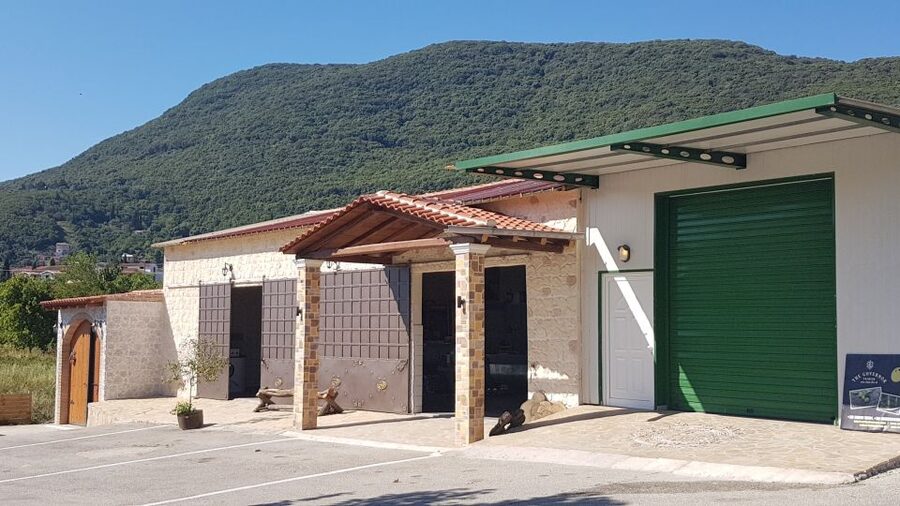
I would recommend this outing to anyone who enjoys Greek food and wants to understand more than the usual restaurant menu. It is especially good for people who like family-run businesses, agricultural traditions, and tastings with a clear educational purpose.
It also suits first-time visitors who want a short introduction to the countryside without planning a full day of independent driving. The pickup helps if you are staying in Corfu town, arriving at the port, or based at a nearby hotel.
Families can take part, and children under eight enter free. Still, the strongest audience is adults and older children who can pay attention during the mill explanations and tasting. The activity is listed as wheelchair accessible, but confirm the exact vehicle and outdoor conditions if you need specific assistance.
You may want to skip it if your priority is beach time, if you dislike tasting strong flavors, or if your schedule is extremely tight. The transport and rural stops make this less predictable than a short city attraction.
Booking advice and final verdict
Before booking, confirm four things: your pickup point, the exact return time, the group size, and the total duration. The listed details contain different figures for the pickup radius, group capacity, and length, while actual outings have sometimes lasted five to six hours.
The activity has free cancellation up to 24 hours before departure, and you can reserve now and pay later. English is the main tour language, with Greek also listed as available. Provide your pickup details at least 24 hours ahead, including the number of people and your location.
You should book this tour if you want a useful food lesson, a look at Corfu’s rural culture, and an easy ride to places that are awkward to reach without transport. The combination of the old mill, modern machinery, tasting, ancient grove, Mitera tree, and Gardiki Castle gives the morning real variety.
I would not book it blindly as a quick three-hour cruise excursion. Confirm the return time first. For everyone else, the tour offers a thoughtful way to see a less polished but more personal side of Corfu, with a bottle of local olive oil as a practical souvenir.
FAQ
How much does the olive mill tour cost?
The listed price is $80 per person.
How long does the experience last?
It is advertised as a three-hour activity, but the full outing may take longer once pickup, driving, the olive groves, and Gardiki Castle are included. Some completed outings have taken five to six hours.
Where can pickup be arranged?
Pickup is available from selected hotels in Corfu, Corfu airport, or the port, within the stated pickup radius of approximately 25 to 30 kilometers from the mill.
What time is pickup?
Pickup is generally around 9:00 to 9:30 in the morning, with the mill tour starting at about 10:30.
What languages are available?
English and Greek are listed as available languages. English is the main language specified for the guided tour.
Is the tour private?
No. It is not a private tour. The information describes a small-group experience, with one section listing up to 10 participants and another noting that the overall group may range from 20 to 30 people.
What food is included with the tasting?
The tasting includes village bread, cheese, cherry tomatoes and capers, natural mineral water, and a dessert such as yogurt, ice cream, or chocolate.
Are children allowed?
Yes. Entry is free for children below eight years old.
Is the activity wheelchair accessible?
The activity is listed as wheelchair accessible. Contact the operator in advance if you need details about the vehicle, mill access, or the outdoor grove visit.
Can I buy olive oil at the mill?
Yes. Olive oil products are available for purchase at the mill’s exhibition and shop area.
Newest grove reviews around Greece
- Corinthian olive oil tour & tasting experience★ 5.0 · 4 reviews
- Corfu: Olive Oil & Wine Tastings & Traditional Villages Tour★ 5.0 · 6 reviews
- Corfu: Organic Olive Oil Farm Tour with Transfer and Tasting★ 5.0 · 8 reviews
- Chania: Authentic Crete Villages Tour & Olive Oil Tasting★ 4.5 · 2 reviews
- Chania Olive Tour: 3,000-Year-Old Tree, Museum &Organic Mill★ 5.0 · 5 reviews
- Chania Private Olive Oil Tour: Oil Tasting & Villages Tour★ 4.4 · 9 reviews
- Chania E-Bike Adventure: Culture, Coastline & Olive Tasting★ 5.0 · 2 reviews
- Athens: Cretan Olive Oil Tasting Experience★ 5.0 · 10 reviews
Olive Mill and Factory Tours, compared.
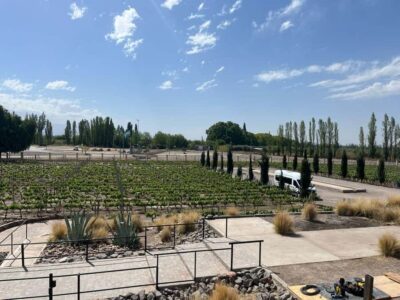
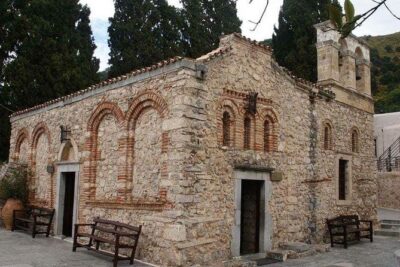
Knossos-Zeus Cave -Old Traditional Villages-Olive Oil Factory
Read our review →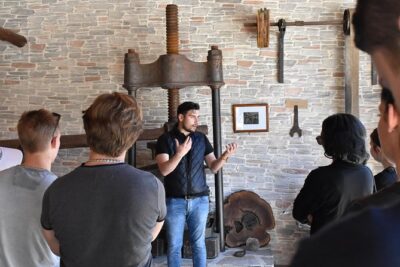
The Governor’s Olive Mill Tour with Olive Oil Tasting
Read our review →
Road-trip to Lasithi, Zeus Cave & Olive Mill Farm
Read our review →
Lassithi, Zeus Cave, Olive Mill Farm & Knossos Combo Tour
Read our review →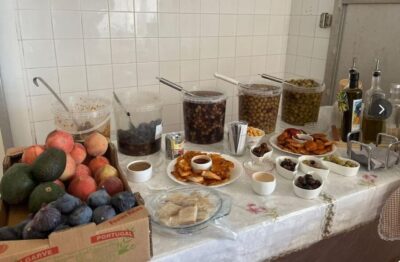
Lake Garda Oil Mill Tour with Olive Oil Tasting
Read our review →Browse the lists this tour appears in