
Review · TRADITIONAL VILLAGE TOURS
Chania Private Olive Oil Tour: Oil Tasting & Villages Tour
The most remarkable part of this Chania tour is not the tasting at the end. It is seeing how one crop connects Crete’s farms, villages, food, history, and daily life. You move from a working olive grove to an old mill, then watch modern machinery turn fruit into oil. The possible 3,000-year-old olive tree gives the day a memorable finale.
I like the private format, since your guide can slow down for questions and adjust the stops to your interests. I also like the mix of practical farming knowledge and local history. Guide Apostolis, praised for his historical knowledge and ability to respond to guests’ interests, has even taken visitors to a tiny monastery with two monks, where they sampled raki.
The main consideration is time. At 7.5 hours, this is a full day in the Chania countryside, not a quick tasting between beach stops. Lunch and drinks purchased at private stops are not included, although a box lunch with water, fruit, and chocolate is provided.
Key points to know before you book
- See olive oil from several eras: Visit an old mill to learn how Cretans processed olives before modern machinery, then tour a working factory.
- Walk through a private olive grove: Learn about varieties, irrigation, grafting, harvesting, and the grades of oil produced around Chania.
- Take home organic extra virgin olive oil: A free sample from the grove is included, along with tasting at the modern factory.
- Reach a possible 3,000-year-old olive tree: The tree is away from the main visitor routes and makes for memorable photographs.
- Travel through Apokoronas villages: River scenery, farm country, village life, and mountain views give the olive story a real sense of place.
- Expect a personal day: Hotel pickup, private transport, English or Greek guiding, and flexible stops are included.
Why this olive tour feels different from a standard tasting
A basic olive oil tasting teaches you how to swirl, smell, and sample. This tour gives you the story behind the bottle. You see the trees, discuss cultivation with a local farmer, examine older equipment, and finish beside modern processing machinery.
That wider view matters in Crete. Olive oil is not just a product sitting on a shop shelf. It comes from trees that may be tended for generations, with choices about irrigation, grafting, collection, and processing affecting the final quality. You get enough background to understand why extra virgin oil costs more than heavily refined oil and why freshness matters.
The day also reaches beyond agriculture. You travel through the Chania Regional Unit and the villages of Apokoronas, with time to talk about local farming, plants, animals, and village life. If you want only a formal tasting, this outing may feel too broad. If you want to connect food with place, it earns its long running time.
More Traditional Village Tours in Greece:
- Crete: Quad Safari, Olive Mill with Tasting & Ghost Village
★ 4.9 · 1,004 reviews - Knossos-Zeus Cave -Old Traditional Villages-Olive Oil Factory
★ 5.0 · 694 reviews - Knossos & Lasithi Plateau: Zeus Cave,Villages, Olive Oil Tour
★ 5.0 · 328 reviews
A high viewpoint puts Chania’s farming country in context
After pickup in central Chania, the route heads into the countryside. One early stop takes you to a high point with broad views over the cultivated valleys. This is more than a photo break. From above, you can see how much of the area is shaped by orchards, olive trees, fields, and small settlements.
I find this kind of opening useful because it gives scale to the rest of the day. Later, when you stand among individual trees, you understand that olive farming is not an isolated activity. It is spread across the valleys and hills around Chania.
Plan for a relaxed pace rather than a tightly timed sightseeing circuit. The schedule includes guided visits, a coffee stop, lunch, and photo opportunities. Since this is a private group, you can ask your guide to spend more time on history, farming, or photography, within the limits of the day.
Inside a private olive grove with a working farmer
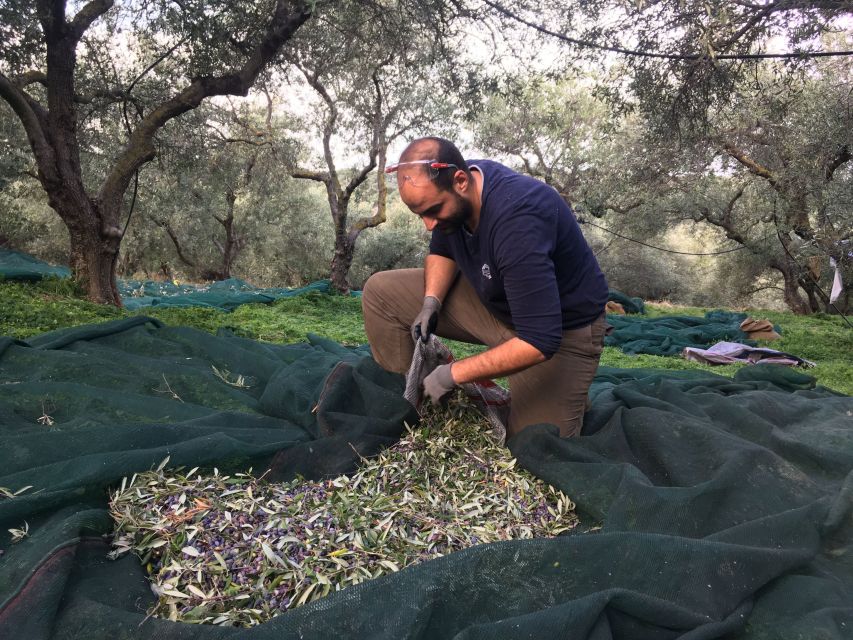
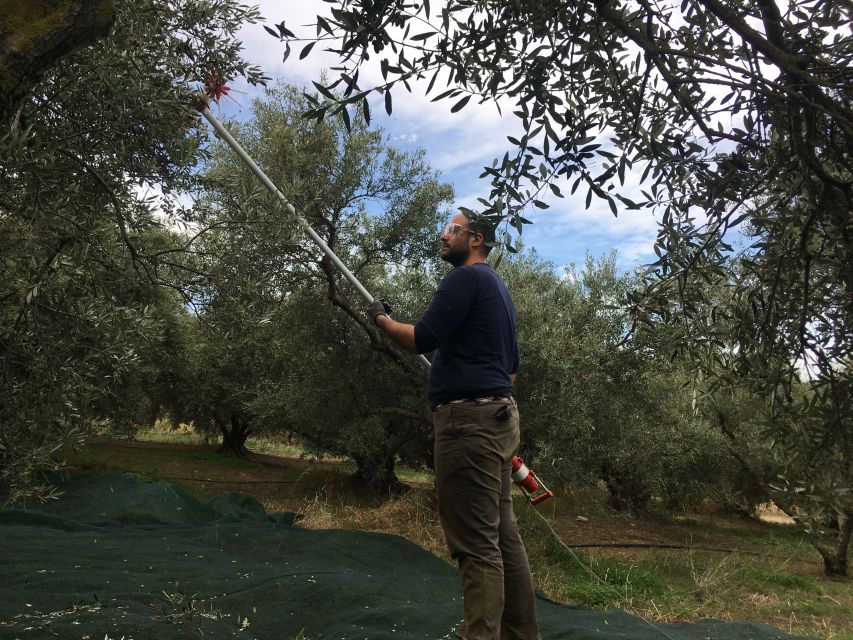
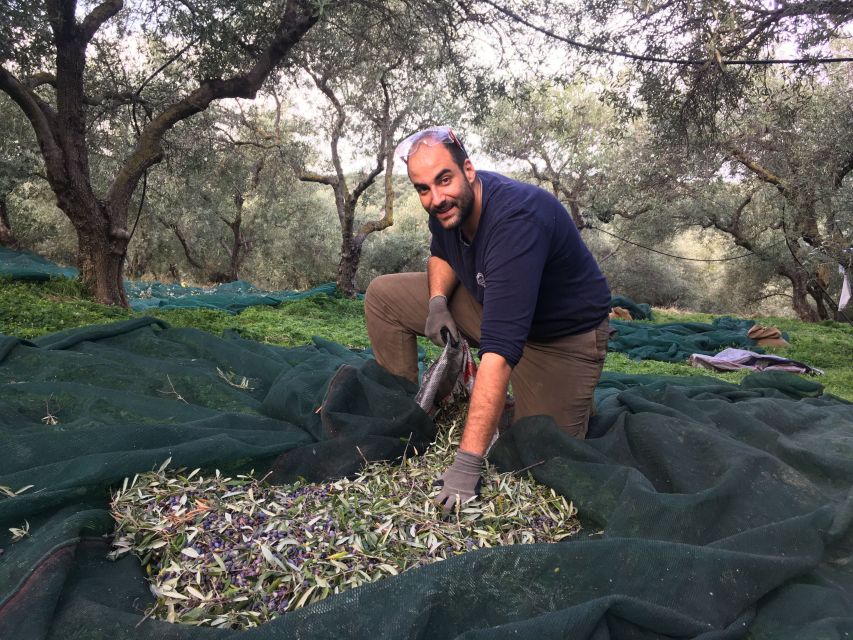
The olive grove is the heart of the experience. A local farmer explains the main olive varieties found in Crete and how the fruit is collected. You also discuss irrigation, grafting, and the methods used to produce a better crop.
This is where the tour becomes practical. You can ask the questions that rarely get answered on a supermarket tasting: How do farmers care for old trees? Why graft one tree onto another? What changes when a grove receives more or less water? How do farming methods affect the quality of the oil?
The tour also explains the grades of olive oil produced around Chania. The terms can be confusing, especially when labels use similar language. Seeing the fruit and the farming methods first helps you understand the difference between oil categories later at the factory.
You receive organic extra virgin olive oil from the grove to take home. It is a small but useful part of the experience, since you can taste it again after returning to your hotel or home. Check your luggage plans before buying more oil beyond the included sample, especially if you are traveling with carry-on baggage.
The old mill shows the hard work behind the bottle
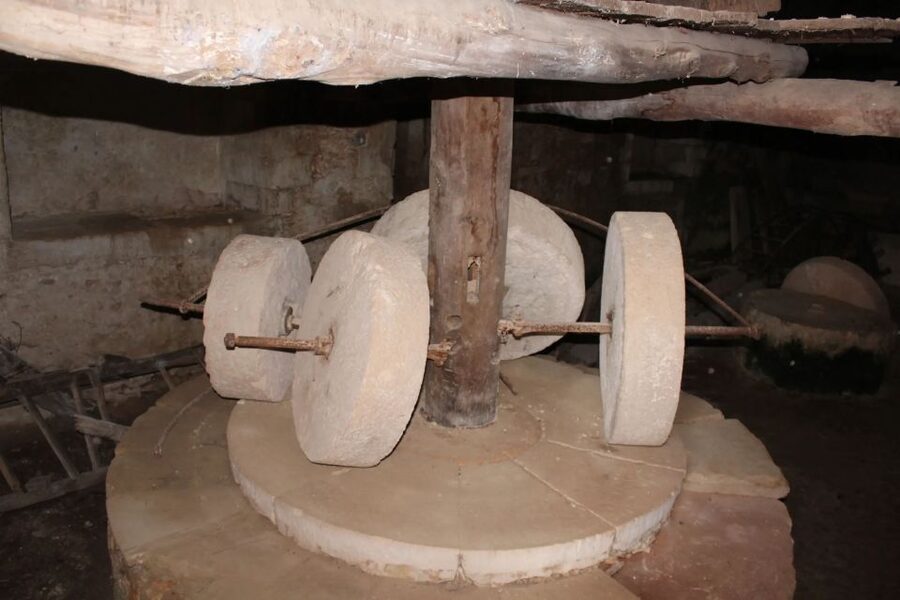
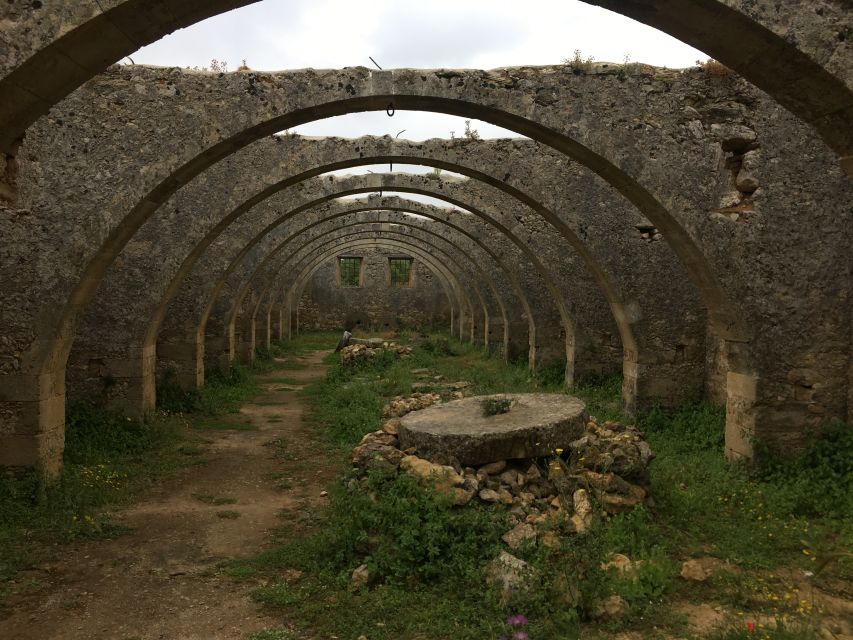
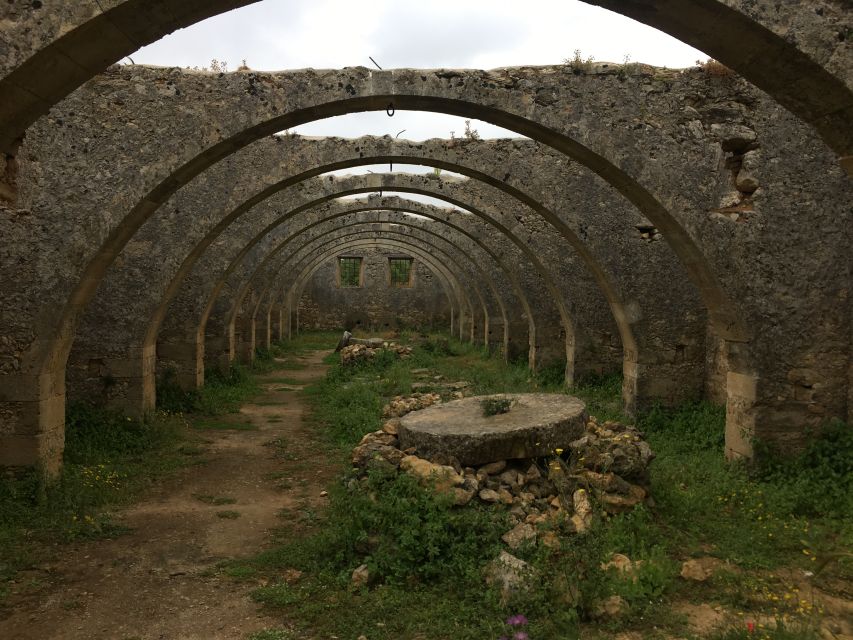
At the older olive oil mill, you learn how olives were processed before modern equipment. The visit explains the earlier stages of extraction and lets you compare the old method with what you will see later.
This stop gives the tour historical depth without turning it into a museum-only visit. The machinery and working layout help you picture how much labor was once required to crush and press the fruit. It also makes the modern factory easier to understand. After seeing the older process, the speed and precision of current equipment become much clearer.
The exact character of this stop can depend on the route and access on the day. It is best viewed as a guided historical visit, not as a guaranteed live production demonstration. Your guide walks you through the process and explains how olive oil making changed over time.
More Olive Oil Tours around Greece:
- The Governor’s Olive Mill Tour with Olive Oil Tasting
★ 5.0 · 502 reviews - From Chania: Olive Oil, Wine, Cheese & Honey Tasting Tour
★ 4.6 · 490 reviews - Crete: Road-trip to Lasithi, Zeus Cave & Olive Mill Farm
★ 4.4 · 451 reviews - Heraklion: Olive Farm Tour with Tasting of Local Delicacies
★ 4.9 · 411 reviews
Coffee, rivers, and the villages of Apokoronas
The tour pauses for coffee in a green setting with water and rivers nearby. This is a welcome break after the grove and mill, but it also gives your guide room to explain Apokoronas and its villages.
You can use this stop to ask about farming life, local customs, and the plants and animals of Crete. The setting is part of the appeal. Instead of rushing from one attraction to the next, you spend time in a place where the countryside itself is the subject.
A coffee purchased at the stop is not included in the tour price. The included food is a box lunch with water, a banana, an apple, and chocolate. If you want something different, budget for your own meal or drinks.
The possible 3,000-year-old olive tree
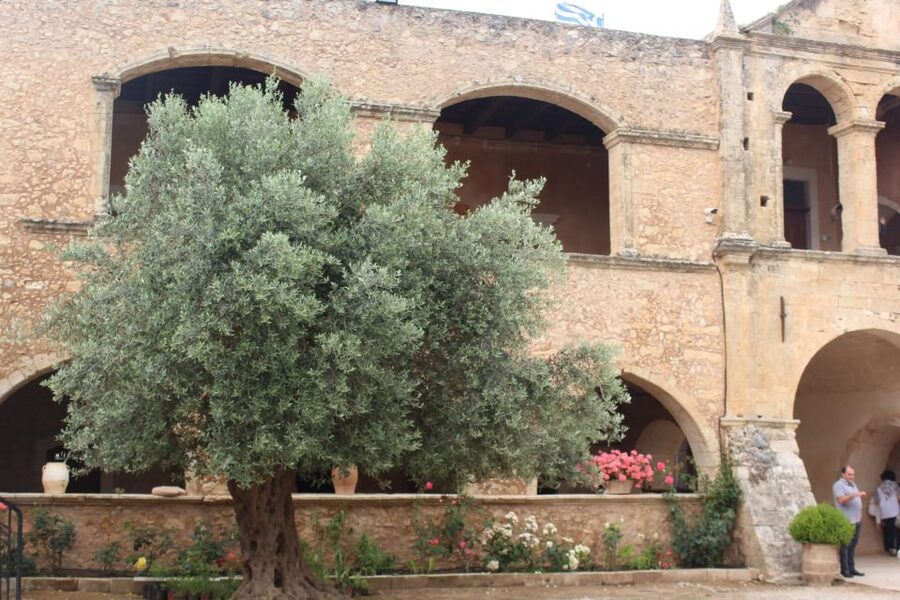
One of the day’s most unusual stops is an ancient olive tree located away from the main visitor crowds. Its age is estimated at more than 3,000 years, and the tour presents it as possibly the oldest fruit-bearing tree in the world.
The claim should be treated as an estimate rather than a fact that every expert would accept. Ancient olive trees are difficult to date, especially because their trunks can hollow out and regrow over centuries. Still, the tree’s enormous circumference and age make it impressive even without a precise number.
This is also a strong photography stop. You can see the scale of the trunk directly, rather than relying on a plaque or a picture. The sense of time is powerful: the tree may have been producing olives through generations of Cretan history.
Wear shoes that suit rural ground. The tour involves walking around groves and outdoor sites, and the tree is not presented as a polished urban attraction with a standard visitor setup.
Lunch and the small details that make the day personal
The itinerary allows about an hour for lunch. The provided box includes water, fruit, and chocolate, which covers a simple midday meal without adding another restaurant bill. The information also notes that meals and drinks purchased at private stops are extra, so ask your guide what is planned if you prefer a sit-down lunch.
One review described lunch in Vryses, a village with a small valley, trees, a river, and geese. That setting adds a pleasant village pause to the day, though exact stops can vary because the tour allows flexible changes.
A tiny monastery with two monks has also been part of the route, along with a tasting of raki. This is the kind of local encounter that can make a private tour feel personal rather than packaged. It should not be treated as a guaranteed stop on every departure, but you can ask about it when booking.
Modern machinery and the final olive oil tasting
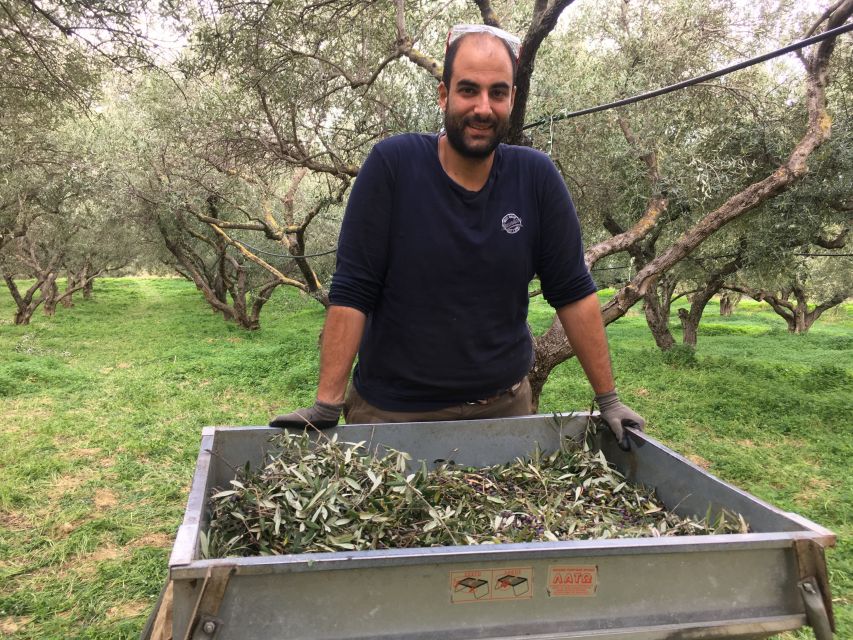
The final factory visit brings the day back to the present. Your guide explains how modern equipment handles production, refinement, and processing. You see the machinery close up instead of hearing only a general explanation in a shop.
The free tasting takes place inside the factory, next to the processing equipment. This is a fitting ending because you can connect the aroma and flavor of the oil with the machines and methods that produced it.
For a first-time taster, focus on a few simple things: smell the oil before tasting, notice bitterness and peppery heat, and compare how the oils feel in the mouth. Those sensations are not faults. Fresh extra virgin oil often has a lively bite, and your guide can explain how flavor relates to the fruit and its processing.
The factory visit may be especially useful if you plan to buy oil in Crete. You will have a better basis for asking about freshness, storage, and the meaning of the label. The tour does not turn you into an oil expert in one afternoon, but it gives you a sound starting point.
What the $176 price means in practical terms
At $176 per person, this is not a budget day trip. The value comes from the private vehicle, hotel pickup and drop-off in central Chania, a licensed historian guide, a professional farmer, multiple olive-focused stops, the included box lunch, and the take-home oil.
A shared excursion could cost less, especially if you are mainly looking for transportation to a single mill. This private outing makes more sense if you are traveling as a couple, family, or small group and want questions answered at your own pace.
The private format also reduces the risk of spending the day on stops that do not interest you. You can ask for more time with the farmer, more historical explanation, or a slower coffee break. The tour allows flexible stops and possible changes according to your needs, though the total day remains about 7.5 hours.
The price is harder to justify if you dislike long countryside drives, have no interest in farming, or want a short food activity close to Chania. It is easier to justify if you value personal guiding and would otherwise arrange several separate visits yourself.
Who will enjoy this day most
I would choose this tour if you want to understand Crete through one of its defining foods. It suits people who enjoy local agriculture, village scenery, history, photography, and conversation with a guide.
It is also a good fit for cruise passengers using Chania or Souda, since the provider offers the tour as a shore excursion and includes transport. Confirm timing carefully around your ship schedule before booking.
Families and mixed-interest groups may appreciate the range of stops. One person can focus on olive production, another on old machinery, another on villages and scenery. The guide can adjust the conversation, which is harder to do on a large group tour.
You should think twice if you need a physically effortless day. The available details do not give a precise accessibility rating, and the program includes outdoor walking in an olive grove and at a rural ancient tree. Ask the provider about the walking conditions before paying.
English and Greek guiding are available. Pickup is included from central Chania areas, and you are asked to wait in your hotel lobby ten minutes before the scheduled time. Free cancellation is available up to 24 hours before departure, and you can reserve now and pay later.
Should you book the Chania olive oil tour?
I would book it if you want more than a tasting. The old mill, working grove, modern factory, village stops, and ancient tree create a full picture of Cretan olive culture. The strongest reason to choose it is the combination of Apostolis-style historical guiding, practical farming advice, and a private schedule.
I would skip it if your priority is a quick activity, a guaranteed restaurant lunch, or a polished tasting room. At $176, the day asks for a serious time and money commitment. For the right visitor, though, it turns a familiar bottle of olive oil into a story about trees, farmers, machinery, and centuries of life in the Chania countryside.
FAQ
How long does the olive oil tour last?
The tour lasts 7.5 hours, including pickup in Chania, countryside visits, coffee, lunch, sightseeing, and the return trip.
Is this a private tour?
Yes. The experience is arranged for a private group rather than a shared coach group.
Where does pickup take place?
Hotel pickup and drop-off are included from all central Chania areas. You should wait in your hotel lobby ten minutes before the scheduled pickup.
What languages are available?
The live guide is available in English or Greek.
Is food included?
A box lunch with water, a banana, an apple, and chocolate is included. Lunch and drinks purchased at private stops are not included.
Do I receive olive oil to take home?
Yes. You receive free organic extra virgin olive oil from the olive grove, and the tour also includes an extra virgin olive oil tasting at the modern factory.
Newest grove reviews around Greece
- Corinthian olive oil tour & tasting experience★ 5.0 · 4 reviews
- Corfu: Olive Oil & Wine Tastings & Traditional Villages Tour★ 5.0 · 6 reviews
- Corfu: Organic Olive Oil Farm Tour with Transfer and Tasting★ 5.0 · 8 reviews
- Chania: Authentic Crete Villages Tour & Olive Oil Tasting★ 4.5 · 2 reviews
- Chania Olive Tour: 3,000-Year-Old Tree, Museum &Organic Mill★ 5.0 · 5 reviews
- Chania E-Bike Adventure: Culture, Coastline & Olive Tasting★ 5.0 · 2 reviews
- Athens: Cretan Olive Oil Tasting Experience★ 5.0 · 10 reviews
- Delphi: Easy Hike on Ancient Path through the Olive Groves★ 5.0 · 9 reviews
Traditional Village Tours, compared.
Knossos-Zeus Cave -Old Traditional Villages-Olive Oil Factory
Read our review →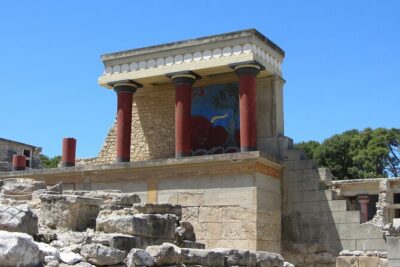
Knossos & Lasithi Plateau: Zeus Cave,Villages, Olive Oil Tour
Read our review →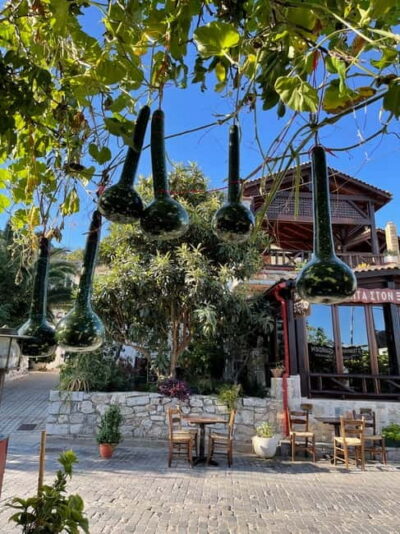
Knossos Zeus Cave Villages Olive Oil Factory Tour
Read our review →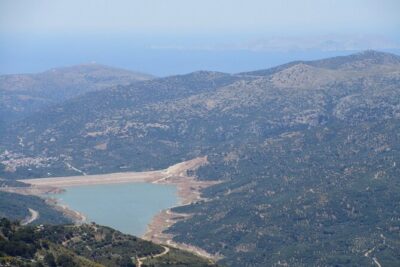
Knossos & lasithi plateau villages,Zeus’s cave,&olive oil Mill
Read our review →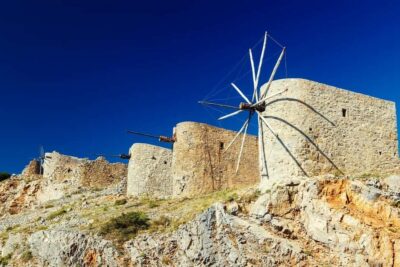
Zeus Cave & Knossos History, Villages & Olive Oil
Read our review →
PRIVATE-Knossos Palace-Zeus Cave-Olive Oil Tasting-Old Villages
Read our review →
PRIVATE-Zeus Cave-Knossos-Olive oil Factory-Traditional Villages.
Read our review →Browse the lists this tour appears in