
Review · OLIVE MILL AND FACTORY TOURS
Buti: Olive Oil Ancient Mill Tour and Tasting Experience
Buti’s old olive mill gives this short tour its real character. You do not simply taste oil in a shop. You walk through a Tuscan village, see the traditional machinery used for production, and then sit down for a sensory tasting at the Oleoteca di Buti. Dimitri leads the experience in English and explains both the craft and the history behind the bottle on your kitchen shelf.
I like two things here. First, the five-minute walk links the tasting room with an actual historic mill, so the lesson has a clear sense of place. Second, the tasting goes beyond dipping bread into oil. You learn a few simple ways to recognize quality extra virgin olive oil, including oils made with modern equipment from different parts of Italy. The main drawback is the short one-hour format. You get a focused introduction, not a long farm visit or a full meal.
Key points to know before booking
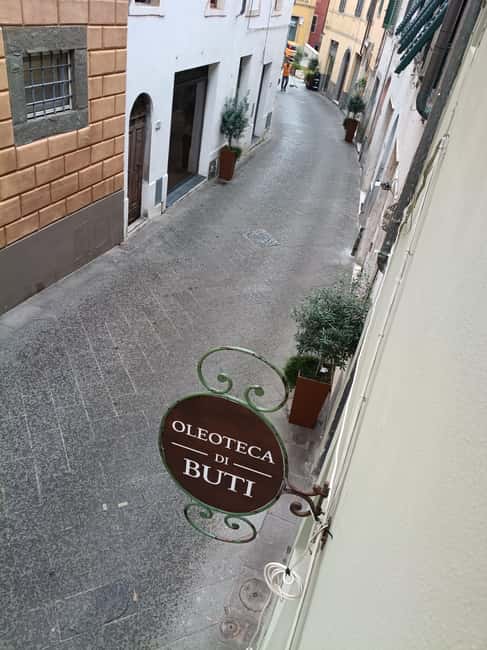
- The tour begins at the Oleoteca di Buti: Meet at the Oleoteca sign at Via Roma 10, then walk to the mill.
- The ancient mill is the heart of the visit: You see traditional machinery and learn how olive oil was extracted.
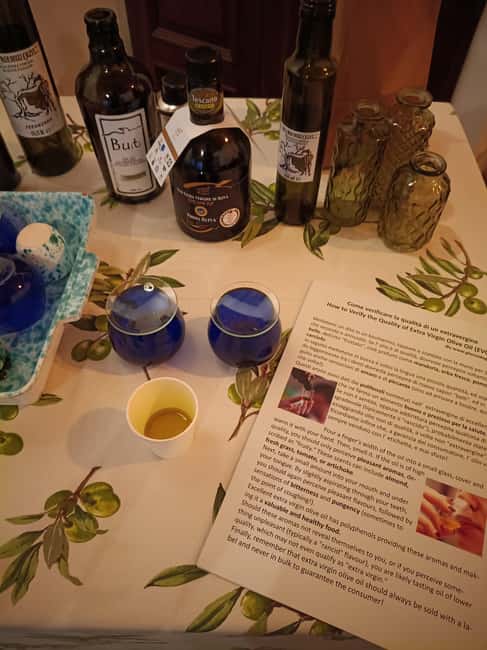
- The tasting is practical: Dimitri explains how to identify a high-quality extra virgin olive oil using simple sensory clues.
- Buti adds local character: This is a village known for olive oil production, not a generic city tasting room.
- The whole experience lasts one hour: It works well as a compact stop in a day around Tuscany.
- The price is modest: At $17 per person, the tour offers a useful lesson, a guided visit, and a tasting without taking half your day.
Why the old mill makes this Buti tour different
Olive oil can seem simple until you try to understand how much changes between a good bottle and a dull one. The olive variety, harvesting, handling, extraction method, storage, and freshness all affect what reaches your plate. This experience gives you a way to connect those ideas with a real production site.
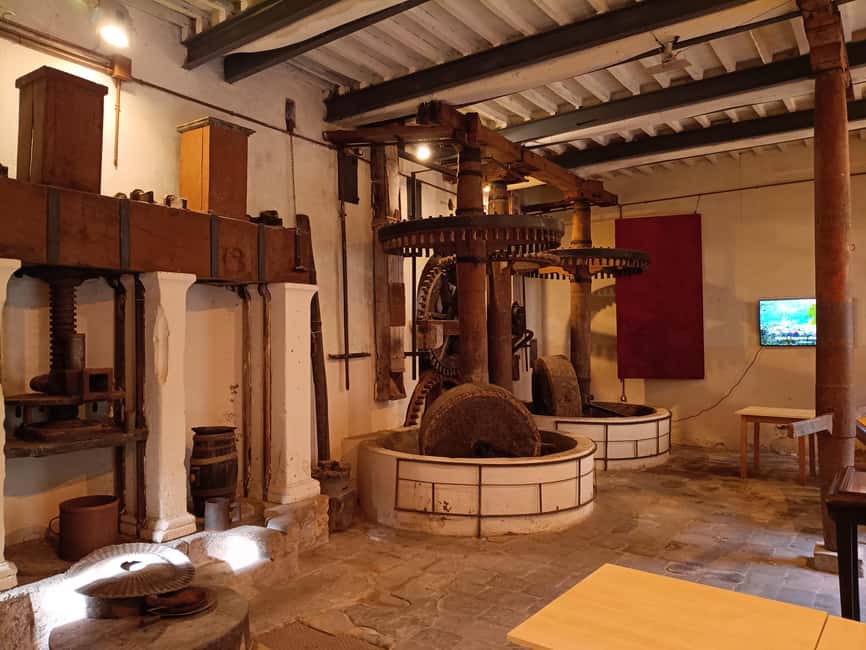
Buti is known for olive oil production, and the village setting matters. You are not only looking at bottles arranged on shelves. The tour takes you from the Oleoteca di Buti through the village to Via Paola da Buti 30, where you visit an ancient mill. That short walk helps you see the oil as part of local life and work.
I find this more useful than a tasting with no production context. When you see the old machinery and hear how extraction works, the tasting has a clearer purpose. You can think about what the mill was built to do, how traditional methods shaped the oil, and why modern equipment can produce different results.
The visit is also short enough to fit into a busy Tuscany schedule. At one hour, it will not replace a full-day food excursion, but it can add something worthwhile to a morning or afternoon in the area.
More Olive Mill and Factory Tours in Italy
- Bardolino: Lake Garda Oil Mill Tour with Olive Oil Tasting
★ 4.9 · 205 reviews - Lecce to Galatina E-Bike: Olive Mill & Wine Tasting + Taxi back
★ 5.0 · 54 reviews - Olive Oil Tour Visit to the oil mill and olive oil tasting
★ 5.0 · 53 reviews
Meeting at the Oleoteca di Buti
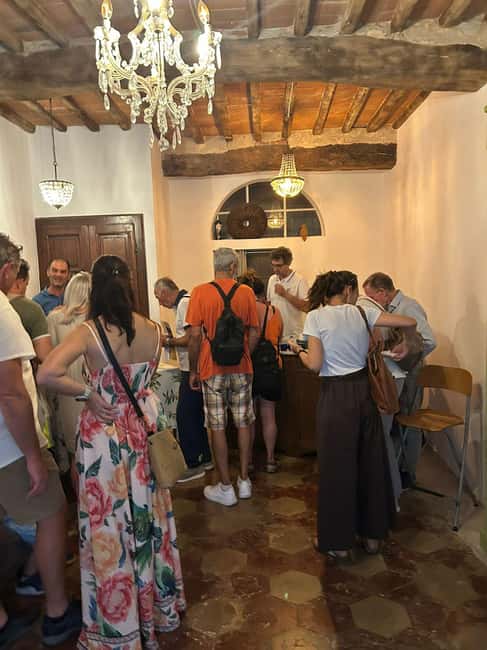
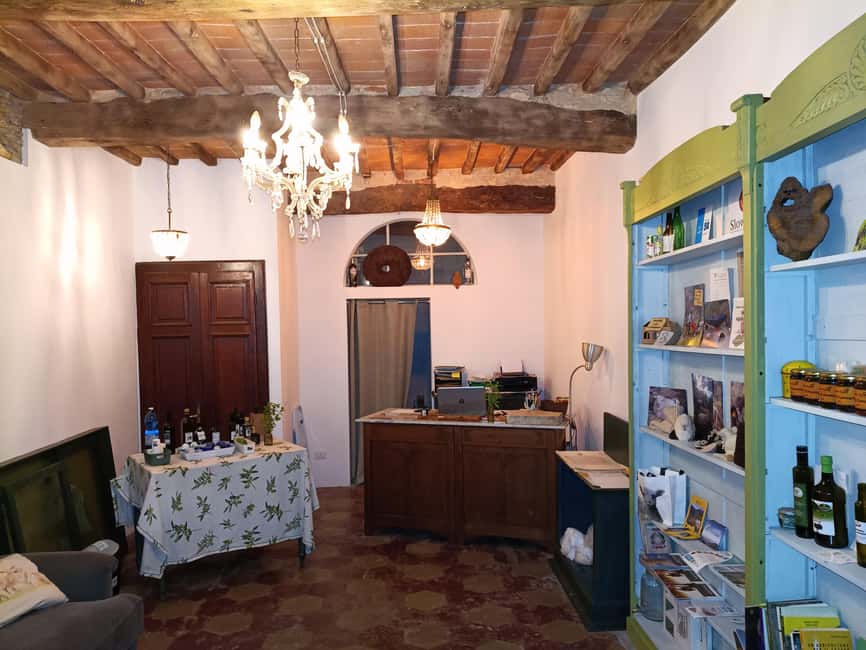
Your starting point is the Oleoteca di Buti, at Via Roma 10. Look for the sign identifying the oleoteca. This is the place where the tasting takes place, but it also serves as your base for the walk to the mill and your return afterward.
The word oleoteca refers to a place focused on olive oil, much like a wine shop or tasting room focused on wine. Here, the setting is used for a sensory lesson. You taste high-quality extra virgin oils from different parts of Italy and learn how to pay attention to what you are smelling and tasting.
That national selection gives the tasting a useful comparison. The experience is connected to Tuscany, but it is not limited to one local oil. You can consider how different Italian oils express quality and how modern production equipment is used today.
Dimitri is the named guide for the experience, and the tour is offered in English. One recent booking described him as lovely and praised the combination of the old mill visit with the tasting. That fits the main appeal here: a personal guide connects the history, equipment, and sensory work instead of leaving you to sample oils without explanation.
The five-minute walk to Via Paola da Buti 30
From the oleoteca, you walk for about five minutes to the ancient mill at Via Paola da Buti 30. This is a simple transfer, not a long hike, but it gives the visit a more local feel than an experience conducted entirely indoors.
You should think of this as a village walk between two parts of the lesson. The route is part of the charm, since Buti is a scenic village known for olive oil production. At the same time, the tour data does not describe the route in detail, so you should not book this expecting a guided architecture walk or a major sightseeing circuit.
The short distance also makes the schedule easy to follow. There is no coach transfer, no separate meeting point to find, and no need to arrange transport between the tasting and the mill. You start at the oleoteca, walk to the mill, then return on foot.
If you use a wheelchair, the activity is listed as wheelchair accessible. Since the tour includes village walking, it is still sensible to confirm the exact route and access arrangements when booking, especially if you need detailed information about surfaces or entrances.
Inside the ancient olive oil mill
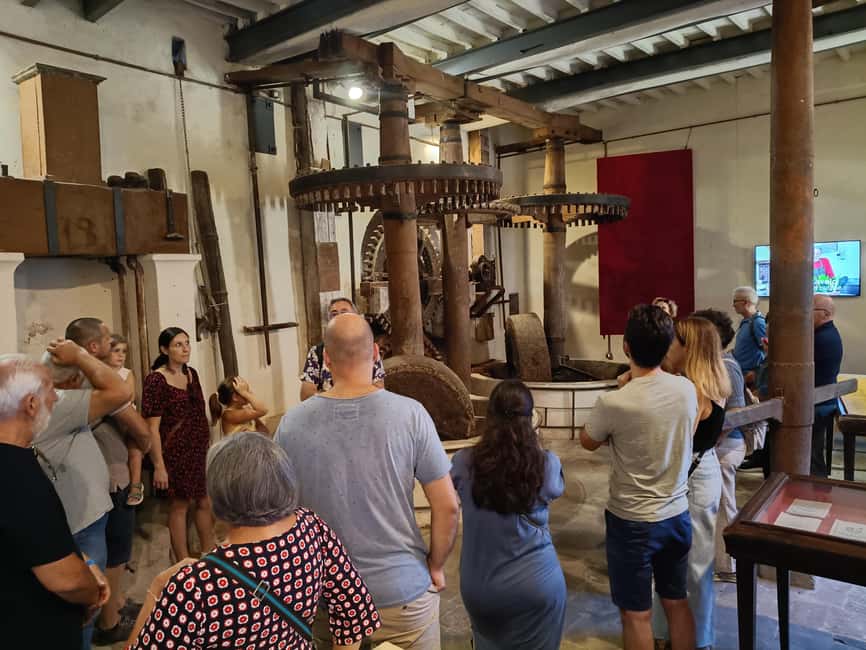
The mill visit lasts about 15 minutes. That may sound brief, but the purpose is clear: you learn how olive oil was extracted and see the traditional machinery used in the process.
The machinery gives you something concrete to study. Olive oil production is often explained with broad terms such as pressing and extraction, but old equipment shows that this was physical, specialized work. The mill makes the history easier to understand because you can connect the explanation to the tools and space where the work took place.
The tour also covers the centuries-old history of Tuscan and Italian extra virgin olive oil. The wording here is important. You are getting historical context as part of a food lesson, not a full museum tour. The visit is best for people who want a clear introduction to how olive oil developed and how traditional production fits into the wider story.
I would not expect every machine to be running or a full demonstration of the entire harvest process, since that is not specified. You will see the traditional machinery and learn about extraction, but the experience is designed as a guided visit and explanation.
The 15-minute stop works because it leaves enough time for the part most people remember: tasting. You get the old mill as a physical link to Buti’s past, then return to the oleoteca to put the lesson into practice.
Same groves, a different afternoon:
- Sorrento Farm and Food Experience including Olive Oil, Limoncello, Wine tasting
★ 5.0 · 2,524 reviews - Olive oil tasting in Sorrento
★ 5.0 · 434 reviews - Sorrento: Lemon, Olive Oil and Wine Tasting Tour with Lunch
★ 5.0 · 300 reviews - Alghero: Wine and Olive Oil Tasting at a Local Farm
★ 4.8 · 294 reviews
The tasting at the Oleoteca di Buti
After the mill, you walk back for the sensory portion. This lasts about 15 minutes according to the stated route, with the complete activity taking one hour. The tasting includes high-quality extra virgin olive oils from Italy, made with the most advanced equipment.
The contrast between the old mill and modern production is one of the most useful features. You see the traditional side first, then taste oils connected with current equipment and methods. This does not turn the visit into a technical factory tour, but it helps you see that olive oil is both an old food tradition and a modern agricultural product.
The tasting is meant to teach recognition, not simply consumption. Dimitri explains a few simple steps for judging quality. That knowledge can help you shop later, since an attractive label or a high price does not automatically tell you how an oil will taste.
Pay attention to the sensory side of the session. You will be asked to consider the qualities of the oils rather than treat them all as interchangeable cooking ingredients. The supplied information does not list the exact oils, olive varieties, or tasting sequence, so you should expect a selection rather than a fixed menu of named bottles.
One useful point from the experience is its health connection. A recent participant said the tasting helped them understand how to recognize good-quality oil that is good for your health. You should treat that as a practical introduction, not a medical lecture. The main takeaway is how to judge quality through the oil itself and make more informed choices.
What you learn about quality extra virgin olive oil
The most valuable part of this visit may be what you can use after leaving Buti. Olive oil labels can be confusing, and many shoppers rely on packaging, country names, or price alone. A guided tasting gives you a better starting point because you learn to assess the oil with your own senses.
The session focuses on extra virgin olive oil, the category associated with the highest quality classification among olive oils. The tour teaches simple recognition steps, but the supplied details do not list a formal scoring system or a set number of tests. Expect clear guidance rather than a professional certification course.
This is especially helpful if you are buying oil in Italy. You may see Tuscan oils beside bottles from other Italian regions, and the tasting lets you compare them directly. The point is not that one region always wins. Instead, you learn to notice differences and decide what you like while looking for signs of quality.
The lesson can also change how you use oil at home. Once you pay attention to aroma and flavor, you may choose a more distinctive oil for finishing a dish and a simpler one for everyday cooking. The tour does not promise culinary instruction, but it gives you a more informed palate.
How the one-hour schedule works
The listed route breaks down in a straightforward way:
- You meet at the Oleoteca di Buti on Via Roma 10.
- You walk for about five minutes to Via Paola da Buti 30.
- You spend about 15 minutes visiting the ancient mill.
- You walk back through the village for about five minutes.
- You continue with the tasting and class at the oleoteca.
- You finish back at the Oleoteca di Buti.
The times shown for individual stops do not add up to the full hour, so the remaining time is used for guiding, explanations, tasting, and transitions. That makes sense for an experience that combines a walk, a historic visit, and a sensory class.
The compact format is both a strength and a limit. I like it for a travel day when you want a local food experience but still have other plans. If you want a slow farm visit, extensive production details, or a long lunch with several courses, this will feel too short.
There is no transportation included because the experience is on foot between the oleoteca and the mill. That keeps the activity simple and helps hold the cost to $17 per person.
Is $17 good value?
At $17 per person, I consider this a strong value for a one-hour introduction. You receive a guided visit to an ancient mill, a walk through Buti, an English-language explanation of production and history, and a tasting of Italian extra virgin oils.
The value is highest if you would otherwise buy olive oil without knowing how to judge it. A tasting lesson can pay off later by helping you make better choices in markets and food shops. You are also paying for access to a place tied to Buti’s production tradition, not just for a sample at a retail counter.
Still, keep your expectations in proportion. This is not a full meal, a long countryside excursion, or an all-day agricultural tour. The tasting is part of a one-hour experience, and the visit to the mill itself is short.
The price also makes the tour easy to add to a larger Tuscany itinerary. You do not need to commit a major block of time, and free cancellation up to 24 hours before the start gives you some flexibility. You can also reserve and pay later, which may help if your route around Tuscany is still changing.
Who should book this experience?
I would choose this tour if you have an interest in Italian food, local production, or practical lessons you can use at home. It suits first-time olive oil tasters especially well because the language is accessible and the format does not assume specialist knowledge.
It is also a good fit for a short stay in Tuscany. Buti’s village setting gives you a local stop away from the larger sightseeing centers, while the one-hour schedule leaves room for other plans.
Families and mixed-interest groups may find the length helpful. Someone who is not devoted to olive oil does not have to spend half a day at a mill, while the person who loves food still gets a proper tasting and a production lesson.
I would be more cautious if your main goal is to see the entire process from harvest through bottling. The activity explains extraction and shows traditional machinery, but no harvest schedule, working demonstration, farm visit, or bottling session is included in the information provided.
The English-language format is useful for international visitors. Dimitri’s personal guiding style, noted in the available feedback, appears to be an important part of the experience, particularly during the tasting.
Practical details for planning your visit
The meeting point is the Oleoteca di Buti sign at Via Roma 10. Plan to arrive there rather than go directly to the mill, since the group starts at the oleoteca and walks together.
The tour lasts one hour, and starting times depend on availability. It is wise to check the time before fitting it between other plans, especially if you are traveling through Tuscany on a tight schedule.
The activity is offered in English and is listed as wheelchair accessible. Because the route includes about five minutes of walking each way through the village, confirm any specific mobility needs in advance if you require detailed access information.
Cancellation is free up to 24 hours before the activity for a full refund. You can also reserve now and pay later. These terms are useful for a flexible itinerary, but they do not change the short, focused nature of the experience.
Should you book the Buti olive oil tour?
Book it if you want a friendly, low-cost introduction to Tuscan olive oil with a real old mill, a village walk, and a tasting that teaches you what to look for. The strongest reasons are the setting, Dimitri’s English guidance, and the practical focus on recognizing quality.
Skip it if you are searching for a full-day farm experience, a large meal, or a detailed working-production demonstration. For $17 and one hour, though, this is a sensible choice for food-minded visitors who want to leave Tuscany with more than a bottle. You leave with a better idea of how that bottle should taste.
FAQ
Where does the Buti olive oil tour begin?
The tour begins at the Oleoteca di Buti, at Via Roma 10. Meet at the sign for the oleoteca.
How long does the experience last?
The complete experience lasts one hour. It includes the walk to the mill, the guided mill visit, the return walk, and the tasting at the oleoteca.
Is the tour offered in English?
Yes. The tour includes a live English-speaking guide.
What does the activity include?
It includes a guided tour of an ancient olive oil mill, an olive oil tasting session, and a visit to the Oleoteca of Buti.
Is the tour wheelchair accessible?
Yes, the activity is listed as wheelchair accessible.
Can I cancel or pay later?
You can cancel up to 24 hours in advance for a full refund. You can also reserve your place and pay later.
Newest grove reviews around Italy
- Cagliari: Wine and Olive oil Experience + Oil Mill Museum★ 5.0 · 2 reviews
- Bevagna: Olive Oil Mill Tour with Guided Tasting★ 5.0 · 6 reviews
- Bari: narrated extra virgin olive oil tasting with aperitif★ 4.5 · 3 reviews
- Olive Mill Tour and Tasting in the Verona Countryside★ 5.0 · 9 reviews
- San Gimignano: Winery Visit with Picnic in Olive Grove★ 5.0 · 3 reviews
- Soap and Olive Oil Experience★ 5.0 · 8 reviews
- Olive Oil Tasting & Mill Guided Visit in Perugia★ 4.9 · 12 reviews
- Puglia Olive Oil Tasting Experience with Olive Grove Walk★ 4.5 · 10 reviews
Olive Mill and Factory Tours, compared.
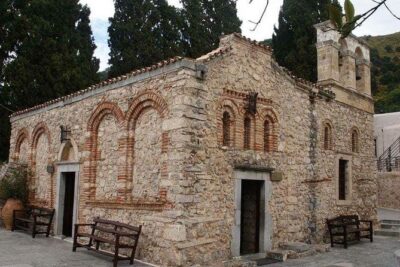
Knossos-Zeus Cave -Old Traditional Villages-Olive Oil Factory
Read our review →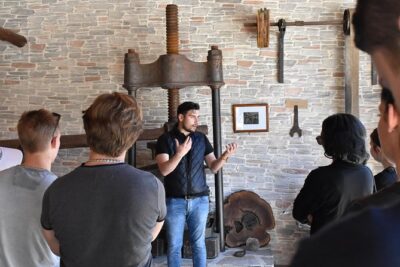
The Governor’s Olive Mill Tour with Olive Oil Tasting
Read our review →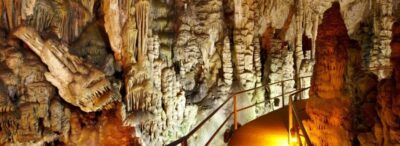
Road-trip to Lasithi, Zeus Cave & Olive Mill Farm
Read our review →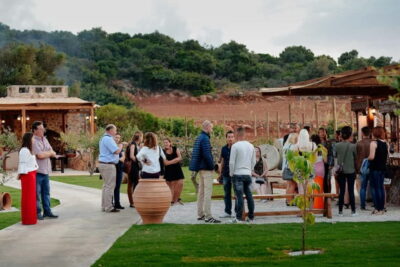
Lassithi, Zeus Cave, Olive Mill Farm & Knossos Combo Tour
Read our review →
Lake Garda Oil Mill Tour with Olive Oil Tasting
Read our review →Browse the lists this tour appears in