
Review · ITALY OLIVE OIL TOURS
Porto Cesareo: Tour in oliveto con degustazione olio e vini
The best part of this Salento olive-grove tour is the direct link between the trees, the oil, and the food on your plate. Andrea leads you through the grove, explains how the farm works, and finishes with estate olive oil, three wines, tomato salad, pastries, and other local products.
I like the small group of up to eight, which leaves room for real questions rather than a canned speech. I also like the honest focus on production: you learn how olives move from tree to bottle and how to judge a good extra virgin olive oil. The one thing to consider is the two-hour format. It gives you a useful introduction, but not a full-day farm visit or a broad tour of Salento food and wine.
Key points to know before booking
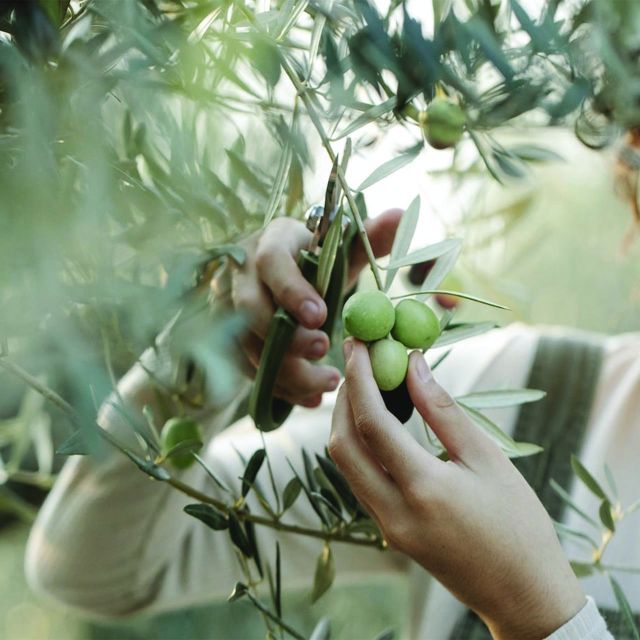
- A two-hour walk through working olive groves: See the trees and learn about the farm’s growing methods before tasting the finished products.
- Andrea leads the experience: He explains olive cultivation, oil production, and winemaking in Italian or English.
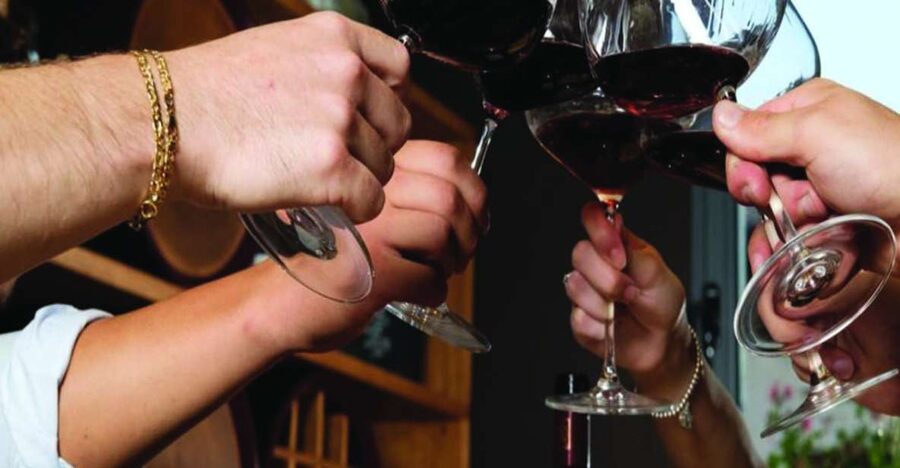
- Three wines are included: Taste a red Negroamaro or Primitivo, a rosé from Leverano DOP, and a white Vermentino IGT.
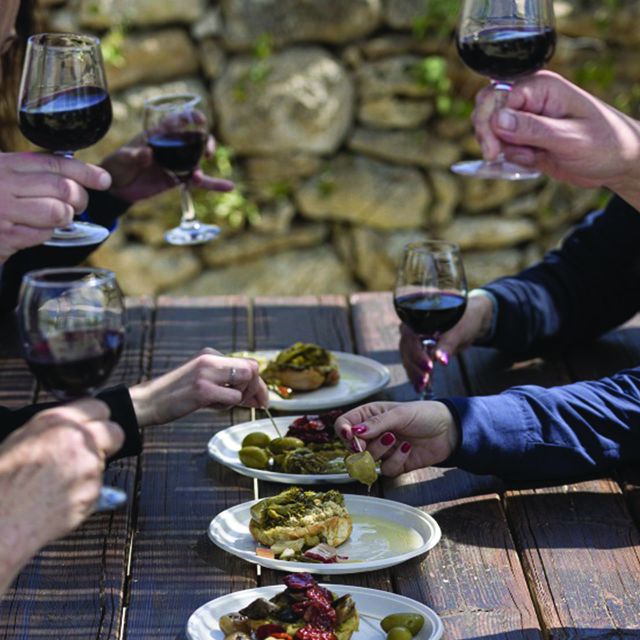
- The tasting includes local food: Estate products have included fresh tomato salad, pastries, and other typical farm foods.
- Small groups keep it personal: The maximum is eight participants, useful if you want to ask detailed questions.
- Comfortable shoes matter: The experience takes place partly outdoors in the countryside.
A taste of Salento that begins with the trees
Many food tastings begin at a table and work backward. This one starts among the olive trees, which makes the tasting easier to understand. You first see the setting and hear how the farm cares for its trees. Then you taste the oil and wine with a clearer sense of the work behind them.
Tenuta Ingegna presents itself as a family company shaped by older farming traditions but open to sustainable agriculture and careful production. The tour explains that balance rather than treating the farm as a simple photo stop. You get a look at agronomic choices, the advantages and disadvantages of different systems, and the short but demanding route from olive to oil.
I appreciate that the experience stays close to the products. There is no promise of an enormous meal or a long list of unrelated activities. For $41 per person, you receive a guided farm visit, an oil lesson, three wines, and typical company foods in a compact two-hour outing.
More Olive Oil Tours around Italy:
- Sorrento Farm and Food Experience including Olive Oil, Limoncello, Wine tasting
★ 5.0 · 2,524 reviews - Olive oil tasting in Sorrento
★ 5.0 · 434 reviews - Sorrento: Lemon, Olive Oil and Wine Tasting Tour with Lunch
★ 5.0 · 300 reviews
Walking through the olive grove with Andrea
The tour begins at the farm, which serves as the meeting point. A farm review describes the location as fairly easy to find, though you should still check the exact directions before setting out. The experience is not a city walking tour, so comfortable shoes are the sensible choice.
Andrea takes you among the olive trees and explains how the company cares for them. The focus is not just on what the farm produces, but on how it produces it. You learn about the organic agronomic techniques used in the grove and the decisions that affect both the health of the trees and the quality of the oil.
This part gives the tasting a useful foundation. You may already know that olive oil can be mild, bitter, or peppery, but it is harder to judge those traits without context. Seeing the trees and hearing about cultivation helps connect the flavor to farming choices, harvest timing, and handling.
Andrea’s role is one of the strongest parts of the experience. He is described as welcoming, prepared, and willing to answer questions at length. If you want to ask why one growing method is preferred over another, or how farm practices affect the finished oil, this small group gives you a reasonable chance to do so.
The walk is also where the company’s family story comes in. You hear about the centuries-old background of the business and the choices that shaped its current approach. That personal element makes the farm feel like a working family enterprise rather than a generic tasting room.
From olive to bottle, step by step
The production lesson explains the olive’s short but complex journey into extra virgin olive oil. The point is not to bury you in technical terms. It is to show that quality depends on several linked stages, from care in the grove through processing and final storage.
The tour covers the production techniques used for EVO oil and explains the different phases. You can ask questions as the process unfolds, which matters because olive oil labels and marketing language can be confusing. The guide also teaches you how to recognize and choose quality extra virgin olive oil.
That practical advice is useful after the visit. You may leave with a better sense of what to notice in aroma, flavor, bitterness, and the gentle burning sensation often found in fresh oil. The tasting is not only about deciding what tastes good. It is also about learning how to pay attention.
The experience centers on the company’s Classic EVO oil. One account of the tasting also describes two estate oils being sampled, so the exact number of oils may depend on the session or current offerings. The fixed information confirms a tasting of the Classic EVO, while the three wine labels are clearly included.
I would treat this as an introduction rather than a professional certification course. The guide can explain production and tasting in a useful way, but the short duration limits how far the technical material can go. That is a fair trade for visitors who want a relaxed farm experience rather than a classroom.
The tasting table: oil, wine, and local food
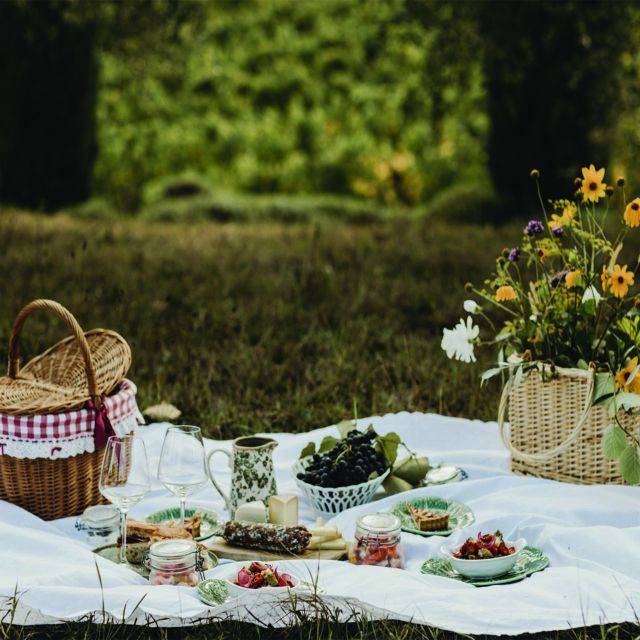
After the grove walk and production explanation, you move to the tasting. This is the moment when the earlier details become concrete. You can compare the olive oil with the accompanying foods and see how it behaves outside the bottle.
The food can include fresh tomato salad from the garden, pastries, and other typical company products. Those simple pairings suit the setting. A good tomato with good olive oil needs little decoration, and it gives you a direct way to notice fruitiness, pepper, and balance.
The tasting also includes three wine labels:
- A red Negroamaro or Primitivo
- A rosé Leverano DOP
- A white Vermentino IGT
The selection gives you three different styles rather than three versions of the same drink. The red brings a fuller regional profile, while the rosé and white offer lighter contrasts for the table. The exact red may be Negroamaro or Primitivo, so do not book expecting both.
Andrea has been making the wines on the farm for about five years, according to the experience details shared during the visit. He explains the winemaking process and answers questions about the bottles. That makes the wine portion more than an add-on to the oil tasting.
If you are not interested in wine, the tour still has value because the olive oil portion is central. If you enjoy both, the three-label tasting makes the $41 price easier to justify. You are paying for a guided farm visit and a structured food and drink experience, not simply a few pours at a counter.
Same groves, a different afternoon:
- Alghero: Wine and Olive Oil Tasting at a Local Farm
★ 4.8 · 294 reviews - Ostuni: Masseria tour among thousand-year-old olive trees with oil tasting
★ 4.8 · 261 reviews - Balestrate: Olive Grove Tour with Wines & Olive Oil Tasting
★ 5.0 · 241 reviews - Bardolino: Vineyard Tour with Wine, Olive Oil & Food Tasting
★ 4.6 · 221 reviews
Sunset, setting, and the pace of the visit
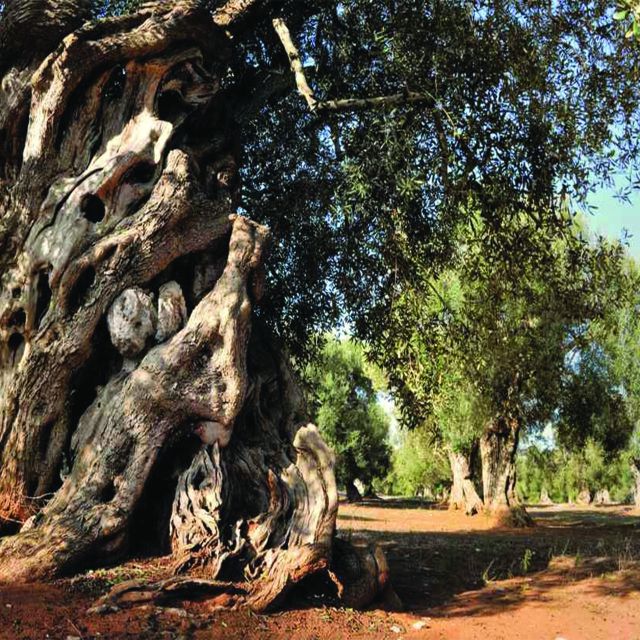
The setting is one of the reasons to consider the tour. The tasting takes place among beautiful olive fields, and one visit enjoyed it at sunset. Since starting times vary, you should check availability if sunset light matters to you. It should not be assumed for every departure.
The countryside gives the experience a quiet, unhurried feel. You are not rushing between several stops or trying to absorb a long list of sights. The two-hour schedule lets you walk, listen, taste, and ask questions without turning the visit into a full-day commitment.
That compact length works well for a day based around Porto Cesareo. You can fit the farm visit into a broader Salento itinerary without giving up an entire afternoon. It also suits anyone who wants a local food experience but does not want an elaborate cooking class or a formal vineyard program.
There are limits. The tour does not include transport, so you need to reach the farm meeting point yourself. The available information does not describe a meal beyond the tasting of typical company products, so plan it as a substantial snack and tasting rather than a guaranteed full lunch or dinner.
Why the small group matters
The maximum of eight participants is a real advantage here. Olive oil production involves details that are easy to miss in a large group. With fewer people, you can hear the explanation in the grove and ask about points that interest you.
A small group also suits the family-business feel of Tenuta Ingegna. The experience is built around conversation with Andrea, not a large presentation delivered from a fixed script. That personal contact is especially useful if you speak Italian or English and want to ask about farming, oil, or wine.
The group size does not guarantee a private tour. Eight people can still feel social, and the exact number may vary. But it is small enough to keep the setting calm and the guide accessible.
The language choice is straightforward: live guidance is available in Italian and English. That makes the experience practical for international visitors, while Italian speakers can engage directly with the host and the local setting.
Is $41 a fair price?
At $41, this is good value if you care about how food is made. You receive two hours with a company agronomist, an olive-grove visit, a production explanation, an EVO oil tasting, three wines, and typical farm products.
The value improves if you would otherwise pay separately for a wine tasting and an olive oil tasting. Here, the two are connected by the farm setting and the guide’s explanations. You are not just sampling finished bottles. You are learning why the products taste the way they do.
The price is less compelling if your main goal is a large meal, a long winery tour, or several hours of sightseeing. The food is described as typical company products, not a full restaurant menu. The experience is best judged as a focused agricultural and tasting visit.
I also like the flexibility of free cancellation up to 24 hours before the experience and the option to reserve now and pay later. Those policies help if your Porto Cesareo plans are still moving, though you should always check the booking terms at the time you reserve.
Who will enjoy this farm experience most?
I would recommend it first to food-minded visitors who want context with their tasting. If you buy olive oil as a souvenir, the lesson on quality can help you make a more informed choice than a quick shop visit would.
It also suits couples, families with older children, and small groups of friends who enjoy a slower countryside stop. The group limit keeps it intimate, while the two-hour schedule prevents the outing from taking over your day.
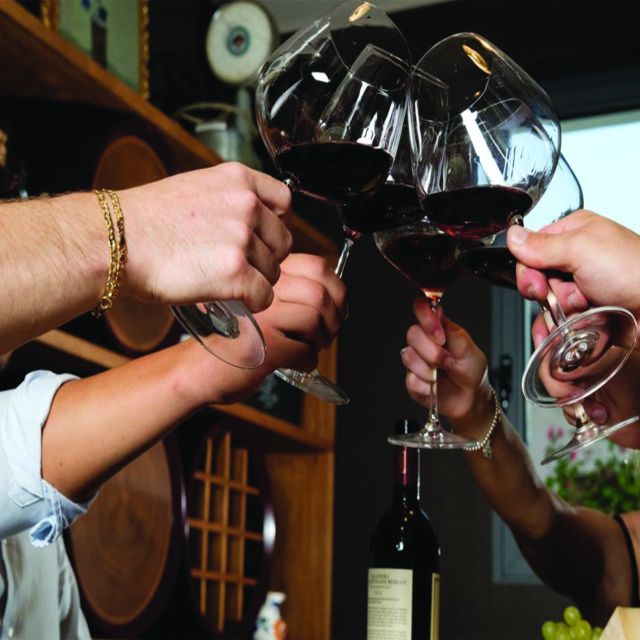
Wine drinkers will appreciate the three-label tasting and the chance to ask about estate production. Olive oil enthusiasts may value the grove walk even more, especially if they want to understand organic farming and the production stages behind EVO oil.
I would be more cautious if you need a highly structured sightseeing program or a full meal. The tour depends on conversation, the farm setting, and the guide’s explanations. Its appeal comes from learning and tasting at a relaxed pace, not from a long list of attractions.
Practical tips for a smoother visit
Wear comfortable shoes. You will spend part of the experience outdoors in the olive grove, and casual footwear is better suited to a farm than sandals or dress shoes.
Check the start time before booking if sunset is important to you. A sunset tasting can be especially appealing, but departure times vary and the experience does not promise sunset for every session.
Allow enough time to find the farm meeting point. The meeting point is directly at the farm, and it has been described as not especially difficult to locate, but rural directions deserve more attention than a city address.
Come ready to taste carefully. The guide’s explanation is part of the value, so do not rush through the oil. Notice the smell first, then the flavor, bitterness, and peppery finish. Try it with the tomato and other foods rather than treating it as a drink on its own.
If you have specific questions about the red wine, ask whether the session is pouring Negroamaro or Primitivo. Both are included as alternatives, not necessarily together.
Should you book it?
I would book this tour if you want a personal look at Salento farming, enjoy olive oil and wine, and have two hours to spare near Porto Cesareo. Andrea’s warm, clear approach, the small group, and the direct connection between grove and tasting give the experience more substance than a quick sampling stop.
I would skip it only if you are looking for a full meal, a long wine excursion, or transport from your hotel. For everyone else, $41 buys a well-focused taste of the countryside, with enough explanation to make the bottles and food more meaningful when you encounter them again in Puglia.
FAQ
Where does the tour take place?
The experience takes place at Tenuta Ingegna in the Salento countryside near Porto Cesareo. The meeting point is directly at the farm.
How long does the experience last?
The tour lasts about two hours, including the olive-grove visit, production explanation, and tasting.
What languages are available?
The live guide speaks Italian and English.
How many people are in the group?
The tour is limited to eight participants, making it a small-group experience.
What olive oil will I taste?
The included tasting features the company’s Classic EVO extra virgin olive oil. The experience information also refers to tasting estate oils during the session.
Which wines are included?
You taste three labels: a red Negroamaro or Primitivo, a rosé Leverano DOP, and a white Vermentino IGT.
What should I bring?
Bring comfortable shoes for walking through the olive grove.
Newest grove reviews around Italy
- Villa Castelli: Highlights Walking Tour w/ Olive Oil Tasting★ 4.8 · 12 reviews
- Vernazza (5 Terre): olive grove tour and oil and wine tasting★ 5.0 · 9 reviews
- Umbria: E-Bike Rental and Fresh EV Olive Oil Tasting★ 5.0 · 4 reviews
- Trieste’s Essence: Wine and Olive Oil Tasting★ 5.0 · 3 reviews
- Valpolicella Wine and Olive Oil Tasting with Lunch from Verona★ 5.0 · 2 reviews
- From Venice: Olive Oil & Wine Tour in the Venetian Hills★ 5.0 · 9 reviews
- Half-Day Chianti Wine and Olive Oil Tour from Viareggio★ 4.0 · 5 reviews
- Umbria: Guided tour to Traditional Olive Oil Mill and Tasting★ 5.0 · 2 reviews
Italy Olive Oil Tours, compared.
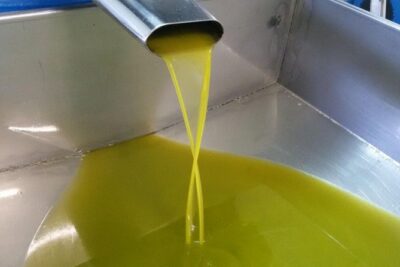
Sorrento Farm and Food Experience including Olive Oil, Limoncello, Wine tasting
Read our review →
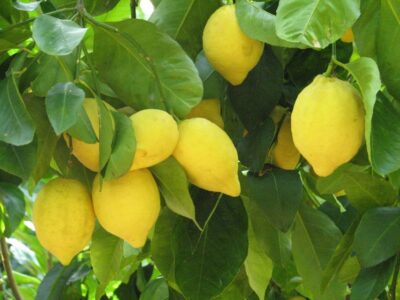
Lemon, Olive Oil and Wine Tasting Tour with Lunch
Read our review →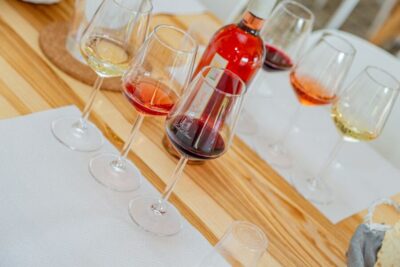
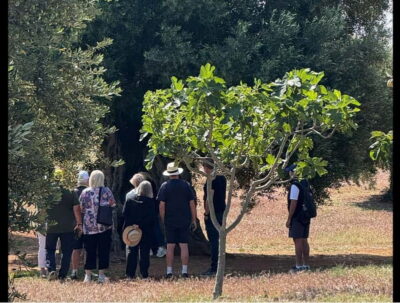
Masseria tour among thousand-year-old olive trees with oil tasting
Read our review →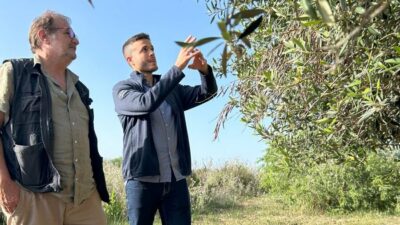
Olive Grove Tour with Wines & Olive Oil Tasting
Read our review →
Vineyard Tour with Wine, Olive Oil & Food Tasting
Read our review →
Tuscany Bike Tour with Wine, Oil and Food in the Florentine Hills
Read our review →Browse the lists this tour appears in