
Review · ATHENS OLIVE OIL TOURS
Athens: Cretan Olive Oil Tasting Experience
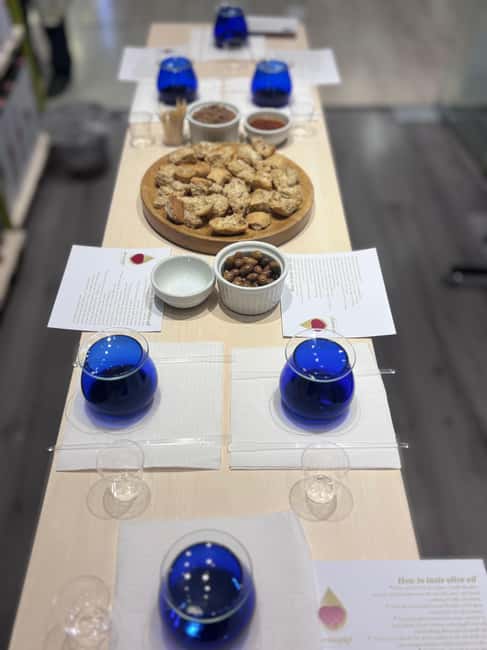
The most useful thing about this 30-minute Cretan olive oil tasting is its focus. You are not simply dipping bread into oil and calling it lunch. You learn how harvest timing affects aroma, texture, and flavor, then compare the results for yourself. The tasting also includes Koroneiki olives from Sitia, Kalamata olives, handmade olive paste, raki, cherry-tomato chutney, and a traditional Cretan rusk.
I like the direct, hands-on format, and I like that the products come from small Cretan producers rather than being anonymous supermarket samples. The English presentation is clear, and Ioanna has been praised for explaining both the production process and tasting technique with care. The main drawback is the short length: at $23, it offers good value as a focused food stop, but it is not a full meal or a long farm visit.
Key points at a glance
- Two harvest periods: Compare extra virgin olive oils made from different harvest times and notice how their character changes.
- Koroneiki meets Kalamata: Taste the small Koroneiki olive from Sitia in Crete alongside the familiar Kalamata olive.
- A proper tasting plate: Olive paste, Cretan rusk, cherry-tomato chutney, and raki give you more than an oil sample.
- Central Athens setting: Find Chrisopigi Deli inside the covered Bolani walkway at Voulis 7.
- Short and easy to fit in: The session lasts 30 minutes, making it useful before or after sightseeing in central Athens.
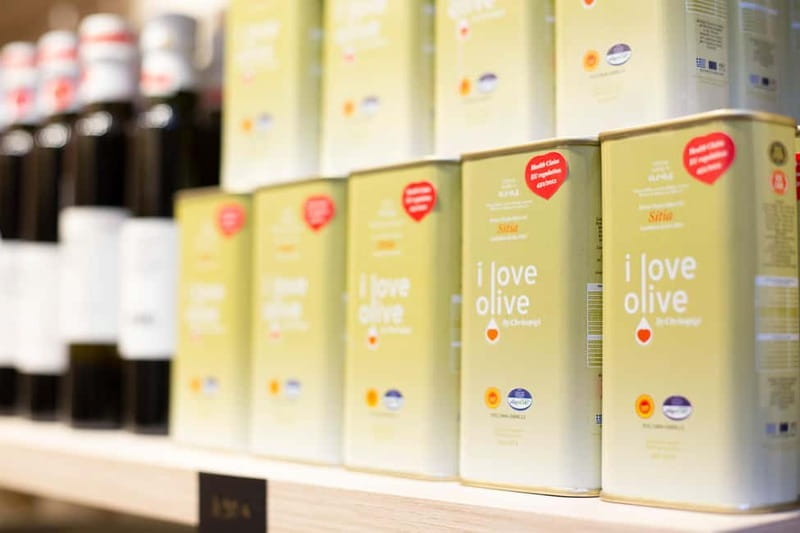
- Take the lesson home: Every tasted product is available to buy, along with other Cretan goods from family-run businesses.
What the 30-minute tasting actually covers
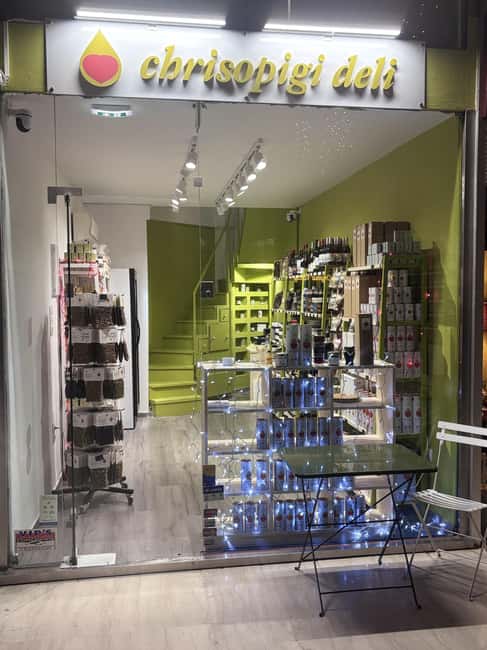
This experience works best as a compact introduction to Cretan olive oil. You arrive at Chrisopigi Deli, a shop in central Athens, and spend the session tasting rather than watching a long demonstration. The guide explains what is in front of you as you sample each item.
The core comparison is between two extra virgin olive oils from different harvest periods. That distinction matters. Olive oil is not one uniform product, and the time of harvest can affect its smell, texture, and taste. The point is not simply to decide which oil you prefer. You learn to notice the qualities that can mark a premium extra virgin olive oil.
The session introduces the organoleptic features of oil. That means the characteristics you can judge with your senses: aroma, mouthfeel, and flavor. For a first-time taster, this is useful language. You leave with a better sense of what to look for instead of treating every green-gold bottle as the same.
The guide also discusses traditional olive oil production. The information is tied to the products you are tasting, which makes the lesson easier to follow than a general lecture. You can connect the production method to what you smell and taste in the glass or tasting dish.
More Olive Oil Tours around Greece:
- Crete: Quad Safari, Olive Mill with Tasting & Ghost Village
★ 4.9 · 1,004 reviews - Knossos-Zeus Cave -Old Traditional Villages-Olive Oil Factory
★ 5.0 · 694 reviews - The Governor’s Olive Mill Tour with Olive Oil Tasting
★ 5.0 · 502 reviews
Comparing early harvest and extra virgin olive oil
The most educational part is the side-by-side tasting. You taste an extra virgin olive oil and an early harvest olive oil from different periods, then consider how each one presents itself.
The supplied details do not specify the exact harvest dates or a formal tasting scorecard, so you should not expect a technical certification class. Instead, this is an approachable lesson in sensory awareness. The guide helps you pay attention to the oil’s aroma, texture, and flavor, then explains why those qualities matter.
I especially like this format for anyone who cooks at home. You are not just told that one bottle is better. You are shown how to think about oil when buying it or using it in a dish. If you already know olive oil well, the session may feel introductory, but the comparison still gives you a clear reference point.
The short timing keeps the experience from becoming tiring. You can give the oils your full attention without committing half a day. On the other hand, 30 minutes leaves little room for a long discussion or repeated tastings, so food experts looking for advanced technical detail may want a more specialized course.
Koroneiki and Kalamata on the same plate
The olive tasting adds a useful contrast. You sample Koroneiki olives from Sitia in Crete and the famous Kalamata olive. These are not interchangeable table olives, and tasting them together gives the session a stronger sense of place.
The Koroneiki variety is closely associated with Greek olive oil production, while Kalamata is familiar to many people from salads, mezze, and restaurant menus. Here, you get to consider the olives themselves rather than only their oil. The comparison helps explain how a tasting can move from a single ingredient to a wider food tradition.
You also try handmade olive paste made from Koronian olives. This changes the texture completely. Oil is smooth and fluid, olives are firm and salty, and paste gives you a thicker, more concentrated bite. It is a small detail, but it shows how the same family of ingredients can be used in different ways.
A traditional Cretan rusk provides the sturdy base for the tasting. You also receive cherry-tomato chutney and the famous raki. These extras make the session feel more like a sampling of Cretan pantry goods than a narrow oil demonstration.
Do not book this expecting a full lunch. The food is designed to support the tasting, and the activity specifically excludes meals beyond the samples. You will leave with a better understanding of the products, but you may still want to plan a separate meal afterward.
Why the Cretan setting matters in an Athens shop
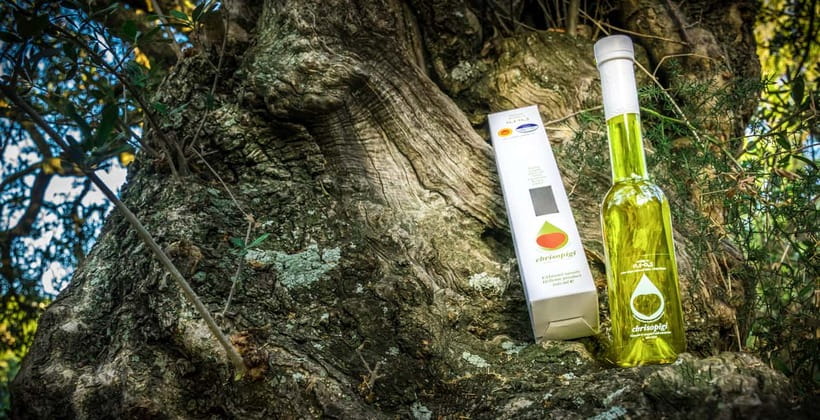
You are in Athens, not on an olive farm in Crete. That is both a strength and a limitation.
The strength is convenience. Chrisopigi Deli is in the center of Athens, at Voulis 7, inside a covered walkway called Bolani. You do not need transportation to an outlying village, a rural estate, or a factory. You can add this stop to a day of central Athens sightseeing with little planning.
The limitation is that you will not see the groves, harvesting, milling equipment, or rural setting firsthand. The traditional production process is explained rather than demonstrated on location. If your main goal is to visit an olive farm, this is not the right format.
Still, a specialist deli can offer something useful. The tasting puts several Cretan products in one place, and the shop sells the items you sample. You can ask questions, compare labels, and buy a bottle or jar while the information is fresh.
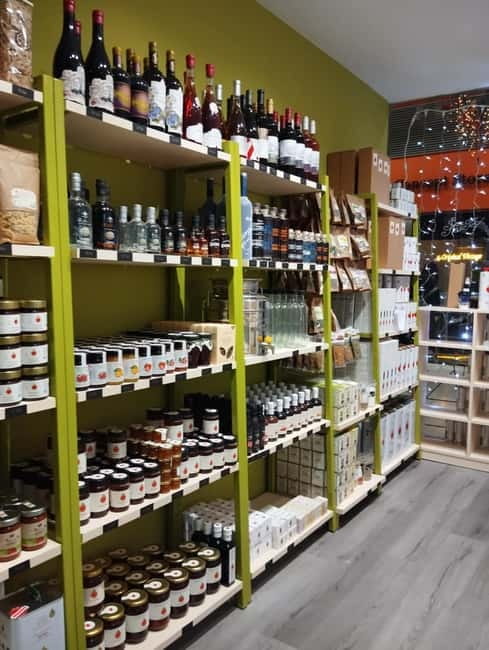
The shop also carries other Cretan products from family-owned businesses. That gives you a chance to continue exploring the food culture beyond the tasting itself. You might find honey, soaps, or other goods, though the supplied information does not promise a fixed selection on every visit.
Same groves, a different afternoon:
- From Chania: Olive Oil, Wine, Cheese & Honey Tasting Tour
★ 4.6 · 490 reviews - Crete: Road-trip to Lasithi, Zeus Cave & Olive Mill Farm
★ 4.4 · 451 reviews - Heraklion: Olive Farm Tour with Tasting of Local Delicacies
★ 4.9 · 411 reviews - Lassithi, Zeus Cave, Olive Mill Farm & Knossos Combo Tour
★ 4.6 · 404 reviews
Meeting Chrisopigi Deli at Voulis 7
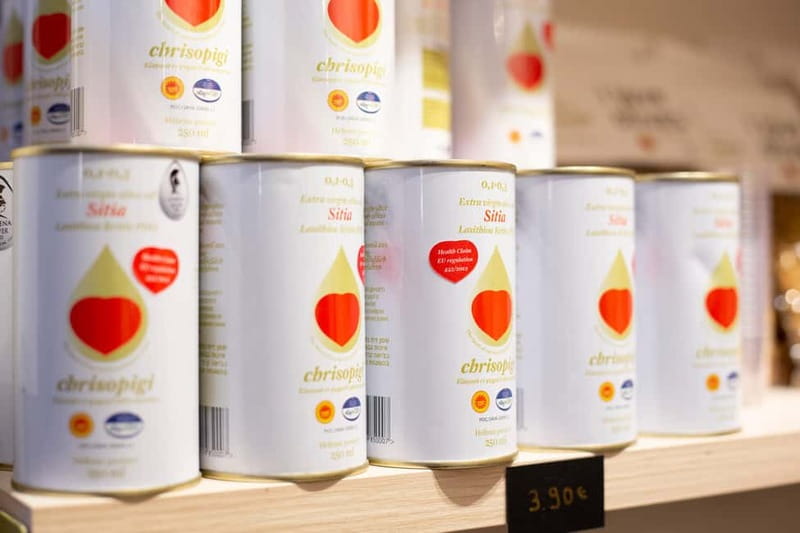
The meeting point requires one small bit of attention. At Voulis 7, look for the covered passage known as Bolani. Enter the walkway and find Chrisopigi Deli inside it.
This is not described as a large public attraction, so allow yourself enough time to locate the passage and shop. The address is central Athens, but the covered walkway detail matters. If you walk only along the main street looking for a prominent storefront, you could miss the entrance.
Transportation is not included, though you do not need a transfer as part of the activity. You make your own way to the deli. The shop is wheelchair accessible, which is useful for visitors who need step-free access, although the information provided does not give further details about nearby transport or restroom facilities.
The guide speaks English and Greek, and the session is delivered in English. If you need another language, this experience is not advertised as a multilingual tasting.
How the teaching style affects the experience
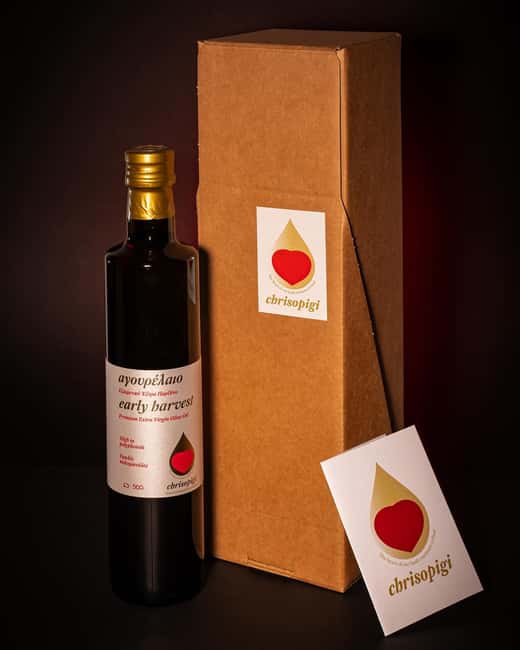
The strongest praise centers on the host’s manner and teaching. The session has been described as friendly, clear, and personal. Ioanna has been specifically praised for explaining the history, production process, and tasting technique in a thoughtful way.
That combination is important. A good tasting guide does more than list product names. You need someone to explain what to notice and why. The comments about Ioanna point to a guide who can make the tasting feel like a lesson without turning it into a lecture.
The atmosphere is described as private or small in feel, though an exact group size is not provided. You should not assume that every session will be a private booking. Still, the deli setting and short format suggest a more personal encounter than a large coach-group food stop.
This is designed for food experts, culinary enthusiasts, and curious beginners. You do not need specialist training to take part. If you are new to olive oil, the terminology may initially sound technical, but the tasting gives you real examples to work with.
Is $23 a fair price?
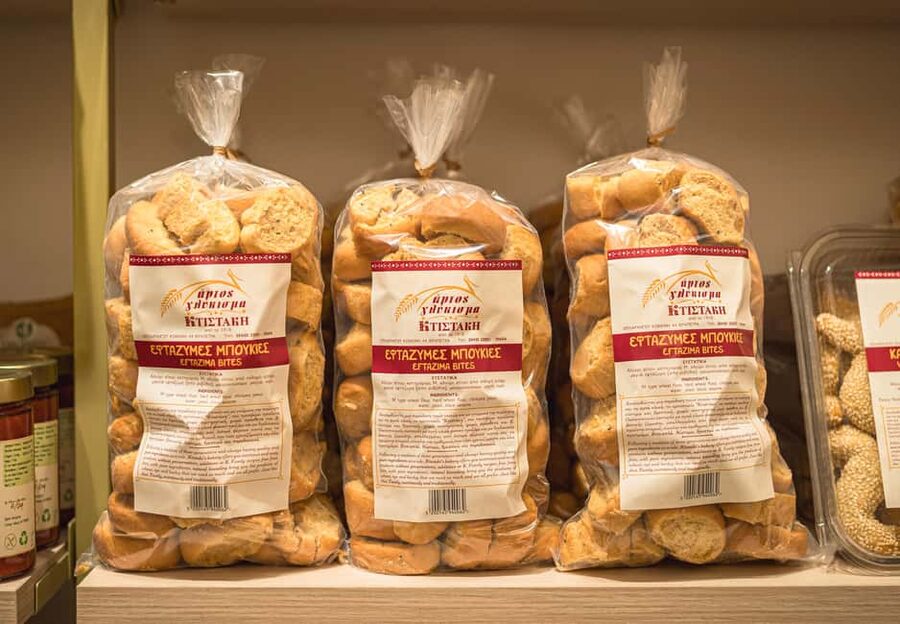
At $23 per person, the value depends on what you want from the outing. For a half-hour introduction that includes two olive oils, two types of olives, olive paste, rusk, raki, and chutney, the price is reasonable if you value guided instruction and tasting several specialty products.
It is less compelling if you measure value by quantity alone. This is not a meal, and it does not include transport or a longer tour of production facilities. You are paying for the selection, the explanation, and the chance to taste products that you may not choose confidently on your own.
I see it as a good add-on rather than a main event. Add it to a day in central Athens, then continue to lunch or dinner elsewhere. The 30-minute length keeps the commitment small, and the tasting can help you make smarter purchases for your kitchen or gifts.
The purchase opportunity also affects the value. You can buy the exact olive oils and foods you taste, along with other Cretan products. If you plan to take home Greek food products, the session gives you a reason to buy with more confidence instead of choosing by label alone.
Who should book this experience?
I would recommend it most strongly to olive oil beginners, food-focused visitors, and anyone who enjoys bringing edible souvenirs home. The tasting offers enough variety to keep a curious palate interested, but it does not demand prior knowledge.
It also suits travelers with a busy Athens schedule. Thirty minutes is easy to fit between major stops, and the central location means you do not have to spend a day reaching the experience.
Cooking enthusiasts should find particular value in the sensory lesson. Understanding aroma, texture, and flavor can change how you use oil in salads, dips, bread, and everyday cooking. The session does not promise recipes or a cooking class, but it gives you a better base for choosing ingredients.
I would be more cautious if you want a complete Cretan food tour, a visit to an olive grove, or a substantial meal. You will taste a good range of products, but the experience remains a short deli-based introduction.
Booking, cancellation, and practical timing
You can reserve the experience and pay later, which helps if your Athens schedule is still changing. Free cancellation is available up to 24 hours in advance for a full refund.
Starting times vary, so you need to check availability for your chosen date. The activity lasts 30 minutes, and the session is conducted in English. Greek is also listed among the languages associated with the experience.
Because the tasting is short, arrive ready to begin rather than treating it as a flexible drop-in stop. The meeting point is inside Bolani at Voulis 7, not simply somewhere near the street address.
The products tasted are available for purchase. If you are flying onward, check your own airline and destination rules before buying liquids or food products. The experience information does not provide packaging or shipping details, so ask the shop directly if you need a particular arrangement.
My verdict on the Cretan olive oil tasting
Book this experience if you want a short, well-focused food lesson in central Athens. The strongest reasons are the two-harvest comparison, the range of Cretan samples, and the clear teaching style associated with guides such as Ioanna.
Skip it if you are searching for a farm visit, a full meal, or a long culinary tour. At $23, it is best judged as a tasting class and specialty-food introduction, not as a major Athens excursion.
For the right visitor, it is a practical stop with a useful payoff: you taste before you buy, learn what premium olive oil should offer, and leave with a sharper palate for the rest of your Greek trip.
FAQ
Where does the olive oil tasting take place?
It takes place at Chrisopigi Deli, located at Voulis 7 in central Athens. Enter the covered Bolani walkway and look for the Chrisopigi shop.
How long does the experience last?
The tasting lasts 30 minutes.
How much does the experience cost?
The listed price is $23 per person.
What languages are available?
The session is delivered in English. English and Greek are listed as the available languages.
Which olive oils will I taste?
You will taste two kinds of extra virgin olive oil from different harvest periods, including an early harvest olive oil.
Which olives are included?
The tasting includes the Koroneiki variety from Sitia in Crete and the famous Kalamata olive.
What food is served with the olive oil?
You will taste handmade olive paste from Koronian olives, a traditional Cretan rusk, and cherry-tomato chutney. Raki is also included.
Is transportation included?
No. Transportation to Chrisopigi Deli is not included.
Is the tasting wheelchair accessible?
Yes, the activity is listed as wheelchair accessible.
Can I buy the products after tasting them?
Yes. The products tasted are available for purchase, and the deli also sells other Cretan products from family-owned businesses.
Newest grove reviews around Greece
- Corinthian olive oil tour & tasting experience★ 5.0 · 4 reviews
- Corfu: Olive Oil & Wine Tastings & Traditional Villages Tour★ 5.0 · 6 reviews
- Corfu: Organic Olive Oil Farm Tour with Transfer and Tasting★ 5.0 · 8 reviews
- Chania: Authentic Crete Villages Tour & Olive Oil Tasting★ 4.5 · 2 reviews
- Chania Olive Tour: 3,000-Year-Old Tree, Museum &Organic Mill★ 5.0 · 5 reviews
- Chania Private Olive Oil Tour: Oil Tasting & Villages Tour★ 4.4 · 9 reviews
- Chania E-Bike Adventure: Culture, Coastline & Olive Tasting★ 5.0 · 2 reviews
- Delphi: Easy Hike on Ancient Path through the Olive Groves★ 5.0 · 9 reviews
Athens Olive Oil Tours, compared.
Athens Old Town: Greek Olive Oil & Herbs Tasting
Read our review →

Full-Day Private Tour Corinth and Olive Oil Tasting from Athens
Read our review →
Olive Oil Tasting, Olive Grove & Wine Experience
Read our review →
Orange & Natural Wines Of Greece with Cheese & Olive Oils
Read our review →
Full day tour Ancient Corinth with wine or olive oil tasting
Read our review →Browse the lists this tour appears in