
Review · OLIVE GROVE WALKS
Olive oil: Visit to the olive grove, tasting
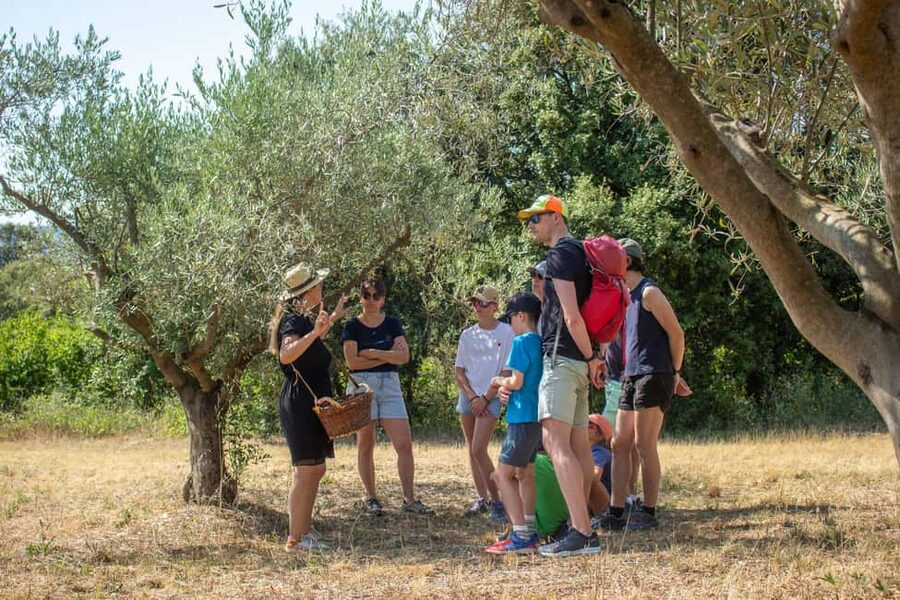
The most appealing part of this experience is its close look at everyday olive growing in the Ardèche. Claire Sixtre-Grorud leads you among the trees, explains the yearly work, and finishes with a tasting of oil made from local varieties such as Grossane, Rougette, Aglandau, Picholine, and Négrette.
I like the personal scale and the chance to connect farming methods with the oil in your glass. I also like the price: at $8, this is an unusually affordable way to add a real local food experience to a trip through southern France.
The main drawback is the setting. You walk on natural, uneven ground and reach the grove by a sloping, unpaved road, so this is not suitable for wheelchair users or people with mobility limitations. Hot weather, rain, and a vehicle that cannot manage the access road may also require extra planning.
Key points at a glance
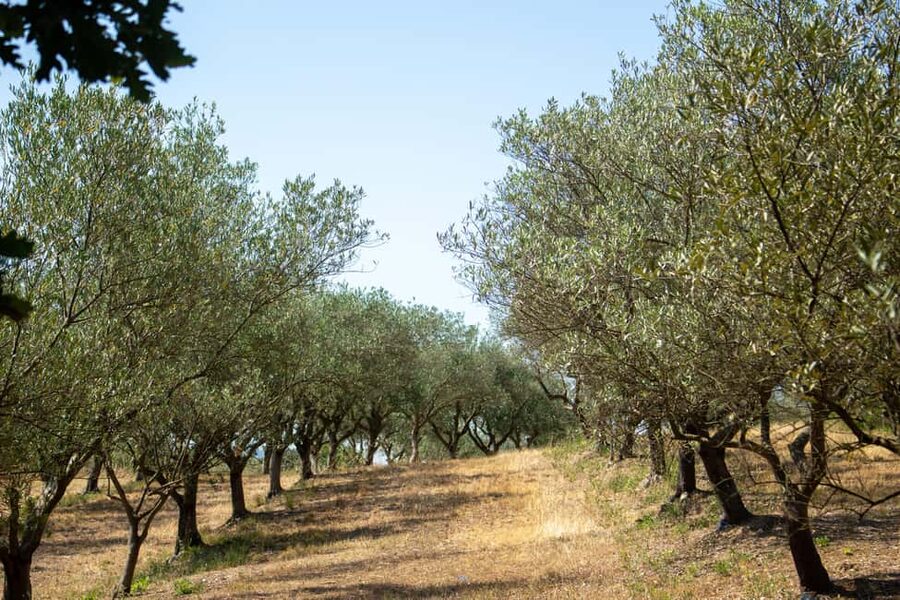
- A 45-minute walk through an organic grove: See how olive trees are cared for across the seasons, from pruning to harvest.
- Five local olive varieties: Learn how Grossane, Rougette, Aglandau, Picholine, and Négrette contribute to the character of the grove.
- Claire’s personal introduction: Claire Sixtre-Grorud explains the work in French or English and encourages an informal conversation.
- A tasting completes the visit: Sample the farm’s organic extra virgin olive oil after seeing where the process begins.
- Small-group format: The setting is designed for questions and direct contact with the producer.
- Simple but important access limits: Wear sturdy shoes, bring water and sun protection, and allow time for the rough approach road.
Why this Ardèche olive grove is worth your hour
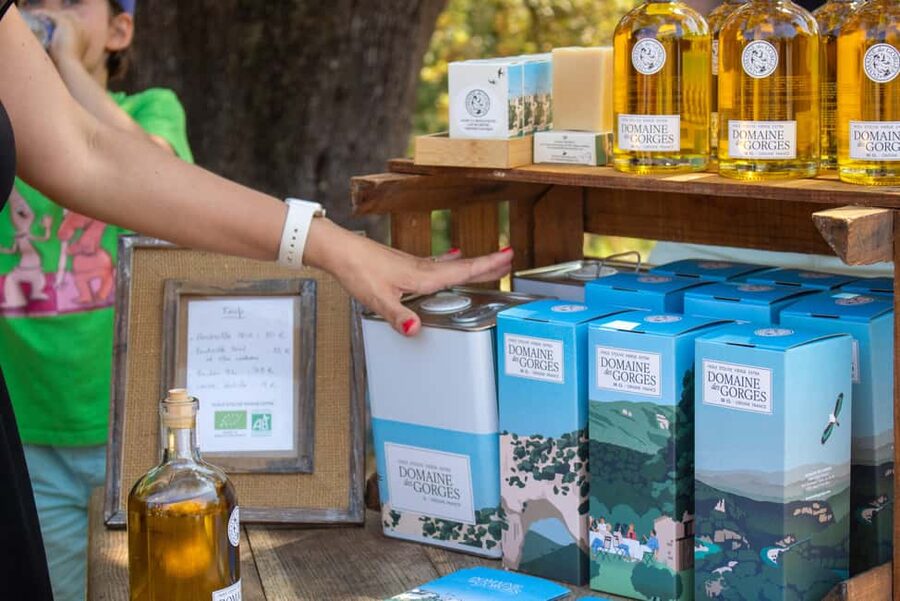
Many food tastings begin with a finished product. This one starts with the tree. That changes how you taste the oil at the end, because you have already heard about the work behind it and seen the setting where the olives grow.
The visit takes place in the Ardèche countryside, in the Auvergne-Rhône-Alpes region. You meet Claire in front of the barn, then spend roughly 45 minutes walking through the grove. The final 15 minutes or so are given to tasting, discussion, and an informal get-together with the producer.
At only $8 per person, the experience offers strong value. It is not a full meal, a long estate tour, or a technical tasting course. Instead, it gives you a direct introduction to olive farming and a chance to taste the result without taking up half your day.
I would especially consider it if you are already exploring rural Ardèche and want something more local than another town-center attraction. The short duration makes it easy to fit around other plans, provided you can reach the property and the weather cooperates.
More Olive Grove Walks in the world:
- Ostuni: Masseria tour among thousand-year-old olive trees with oil tasting
★ 4.8 · 261 reviews - Balestrate: Olive Grove Tour with Wines & Olive Oil Tasting
★ 5.0 · 241 reviews - Traditional Olive Grove and Dragon Fruit Farm Tour
★ 4.8 · 118 reviews
Meeting Claire among the olive trees
Claire Sixtre-Grorud is the person who gives the tour, and the quality of the visit depends heavily on her personal explanations. Her approach is conversational rather than formal. She talks about her daily life as an olive grower, the demands of the work, and her connection to the Ardèche soil.
The experience is available in French and English. English speakers should feel comfortable booking, though the amount of detail may vary depending on the language used during the visit. One practical point is worth noting: French may be needed for the fullest exchange if the group relies on French, so confirm your language needs when booking.
The small-group format matters here. In a large crowd, a farm walk can become a distant lecture. With fewer people, you can ask about the trees, the farming choices, and the oil itself. The setting also invites a more relaxed conversation than you would get in a conventional museum.
The meeting point is in front of the barn. Arrive five to ten minutes early so you can find the spot without rushing. Since the access road is sloped and unpaved, build in a little extra time if you are driving up.
What you learn during the 45-minute grove walk
The tour follows the practical rhythm of olive growing. You learn how the grove changes through the year and what the producer must do to keep the trees healthy and productive.
Pruning is one of the key subjects. Claire introduces the basic techniques and explains why pruning matters. You are not simply looking at old trees; you are learning that their shape and care affect how the grove is managed.
Harvesting is another central topic. The visit explains when the work takes place and what it demands. Even without a full harvest demonstration, this background helps you understand why olive oil production is seasonal and labor-intensive.
The tour also covers organic farming practices. The value here is not just the organic label on the bottle. You hear how Claire approaches the land and how her methods fit into daily farm work. For anyone curious about small-scale agriculture, this may be the most useful part of the visit.
Expect the walk to remain grounded in what you can see around you. The information focuses on the trees, the seasons, local varieties, pruning, harvesting, and the producer’s work. It is a good match for people who prefer clear, practical explanations to a polished commercial presentation.
Five olive varieties to look for
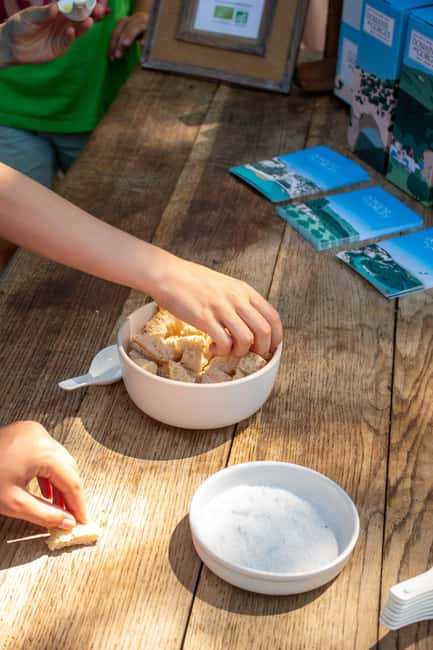
The grove includes Grossane, Rougette, Aglandau, Picholine, and Négrette. Their names alone give the visit a strong local character, since you are not tasting an anonymous oil from an unspecified source.
Claire presents the varieties as part of the grove tour. You can ask how they differ and how their presence shapes the finished oil. The experience does not promise a technical tasting lesson comparing each variety separately, so keep your expectations realistic. The main aim is to introduce the trees and connect them with the farm’s oil.
Still, knowing the varieties adds interest to the tasting. Instead of thinking only in terms of mild or strong flavor, you can consider the source, the farming choices, and the combination of olives. That is a useful first step if you are beginning to pay attention to extra virgin olive oil.
I also like the fact that the varieties are presented in the grove rather than only on a label. You have a physical sense of the farm before tasting its product. For a short activity, that link between place, plant, and food gives the hour more meaning.
More Olive Oil Tours around the world:
- Sorrento Farm and Food Experience including Olive Oil, Limoncello, Wine tasting
★ 5.0 · 2,524 reviews - Split: Krka Waterfalls With Boat Cruise, Wine and Olive Oil
★ 4.3 · 1,507 reviews - Crete: Quad Safari, Olive Mill with Tasting & Ghost Village
★ 4.9 · 1,004 reviews - From Mendoza: 3 Wineries, Olive Oil Factory Tour & Tasting
★ 4.6 · 901 reviews
The organic extra virgin olive oil tasting
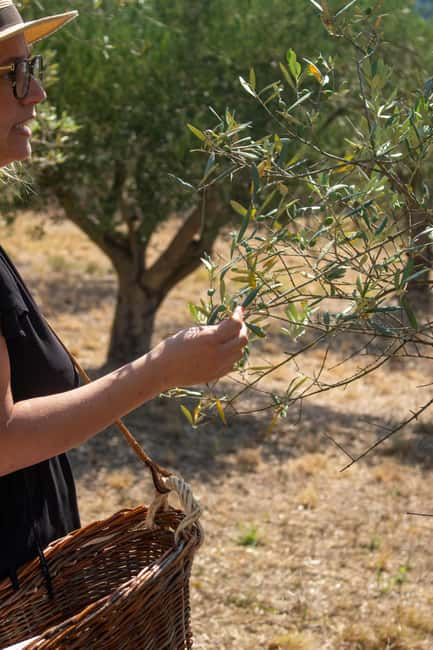
The tasting comes after the walk, which is the right order. You first learn about the trees and work, then taste the organic extra virgin olive oil with that context in mind.
The tasting is described as friendly and informal. You should expect an introduction to the farm’s oil and time for questions, rather than a formal professional tasting with a long series of samples. It is designed to awaken your senses and prolong the visit after you leave the grove.
This part suits both olive oil beginners and people who already buy extra virgin oil regularly. Beginners get a simple way to think about flavor and production. Experienced food lovers can ask more specific questions about the varieties and organic methods.
Do not judge the experience only by how many oils you taste. The strength of the tasting is its connection to the producer. You have just seen the trees and heard about pruning and harvesting, so the oil feels tied to a real working place.
If you plan to buy olive oil during your trip, this is also a useful introduction to what you might want to look for. The activity does not state that a shop or purchase is included, so do not assume you will be able to buy bottles on site. Book it for the visit and tasting, not as a guaranteed shopping stop.
Timing, weather, and what to wear
The full activity lasts one hour, with about 45 minutes devoted to the grove walk. That makes it easy to fit into a day of sightseeing, but the outdoor setting means the timetable can change if conditions are poor.
Rain may cause the tour to be postponed or canceled. If the forecast looks uncertain, take advantage of the option to cancel up to 24 hours in advance for a full refund, or choose the reserve-now-and-pay-later option to keep your plans flexible.
Wear comfortable shoes with a firm sole. You will walk on natural ground, not a paved path, and the access road is sloping and unpaved. Sandals or smooth-soled shoes could make the visit less pleasant, particularly if the ground is wet.
Bring a hat, water, and sunscreen. The grove is described as sun-drenched, and there is no reason to count on shade during the entire walk. Summer heat can make a short outdoor tour feel much longer if you arrive without water.
Arrive five to ten minutes early. The meeting point is in front of the barn, but rural properties can take longer to reach and orient yourself around than an attraction with a clear city entrance.
Reaching the barn by car
Access requires a suitable vehicle because the final approach is on a sloping, unpaved road. This is an important detail, not a minor footnote. A low-clearance car or a driver uncomfortable on rough rural roads may prefer not to continue all the way up.
If your vehicle is not suitable, you are advised to park farther down and walk up. The information provided does not state how far that walk is, so ask before setting out if the distance matters to you.
This access issue also affects anyone traveling with limited mobility. The activity is not suitable for wheelchair users or people with mobility impairments. The combination of the rough road and natural walking surface makes that restriction clear.
For everyone else, the road is part of the practical setting. You are visiting a working olive grove rather than a purpose-built attraction. That brings authenticity, but it also means fewer polished access features.
How the $8 price compares
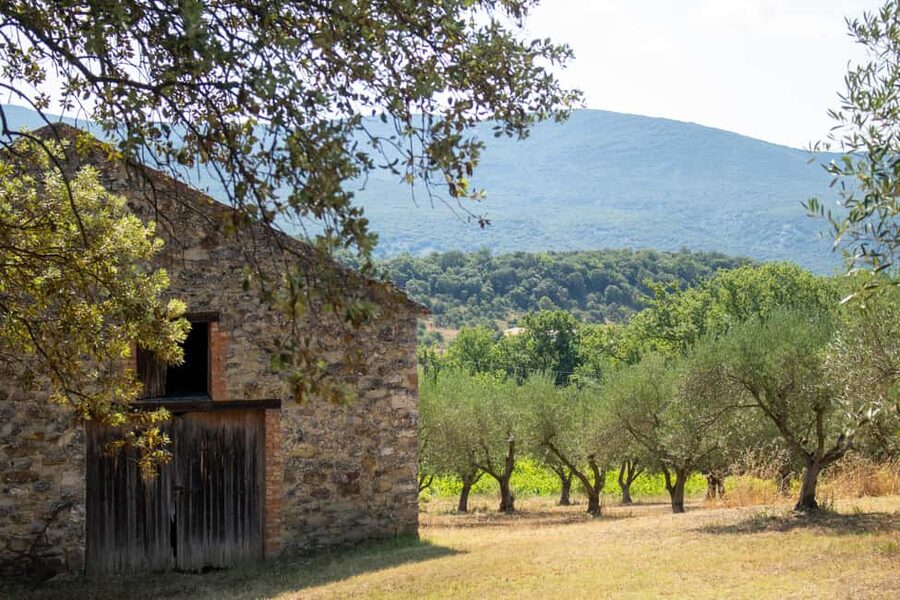
The $8 cost is one of the strongest reasons to consider this visit. For that amount, you receive a guided grove walk, an introduction to five olive varieties, an explanation of organic farming, basic information about pruning and harvesting, and a tasting of organic extra virgin olive oil.
The value is especially good if you want a short activity. Many rural food experiences take several hours and cost much more. Here, you can learn something specific, meet the producer, and taste the farm’s oil without giving up most of your day.
The price does not cover transportation, and the activity does not promise a meal, a large tasting flight, or a full production tour. If you want an extensive food workshop, this will feel brief. If you want a personal introduction to one producer and one farm, the cost is easy to justify.
The perfect five rating from three verified bookings supports the idea that the activity delivers well on its stated purpose. The feedback also points to two practical strengths: Claire’s enthusiasm and the amount of information she shares. One important qualification is that the level of detail may require some French, depending on the group and language used.
Who should book this experience
I would recommend it to anyone interested in local food, small-scale agriculture, organic farming, or the rural side of Ardèche. It is also a good choice for couples and small groups who prefer a calm, personal activity over a crowded attraction.
Families may enjoy the outdoor setting, though the information does not give a minimum age or a child-specific program. Children who are comfortable walking on natural ground should find the basic idea accessible, but parents should be ready for a farm-focused explanation rather than a hands-on children’s workshop.
It suits independent visitors who already have a car and are comfortable reaching a rural property. It is less convenient if you are relying on public transportation, though the available information does not specify transport options.
You should skip it if uneven ground is a serious problem, if you need full wheelchair access, or if your schedule cannot handle a weather-related change. You may also want a different activity if you are looking for a long tasting menu or several producers in one outing.
Should you book the olive grove visit?
Book it if you want an affordable, personal look at olive growing in the Ardèche, especially if Claire can guide you in your preferred language. The combination of a small group, organic farming explanation, local olive varieties, and a tasting gives the hour real substance.
The best reason to go is the connection between the grove and the oil. You do not just taste a product. You learn about the trees, the seasons, pruning, harvesting, and the producer’s daily work before tasting it.
Plan carefully for the outdoor conditions. Wear proper shoes, protect yourself from the sun, check the weather, and make sure your vehicle can handle the approach road. If those points suit you, this $8 visit is an easy and worthwhile addition to an Ardèche itinerary.
FAQ
How long does the olive grove visit last?
The activity lasts one hour. The guided walk through the grove takes approximately 45 minutes, followed by the olive oil tasting and discussion.
What will I learn during the tour?
You will learn about olive trees, the seasons, daily work as an olive grower, organic farming practices, pruning, harvesting, and the local varieties grown in the grove.
Which olive varieties are grown there?
The grove includes Grossane, Rougette, Aglandau, Picholine, and Négrette.
Is the tour available in English?
Yes. The tour is offered in French and English. Some content may be presented in its original language.
Where do I meet the guide?
Meet Claire Sixtre-Grorud in front of the barn. You should arrive five to ten minutes before the scheduled start.
What should I wear and bring?
Wear comfortable shoes suitable for natural ground. A hat, water, and sunscreen are recommended because the activity takes place outdoors.
Is the site accessible for wheelchair users?
No. The activity is not suitable for wheelchair users or people with mobility impairments. Access includes a sloping, unpaved road and walking on natural ground.
Newest grove reviews around the world
- XXI Century Olive Oil Mill Tour★ 5.0 · 3 reviews
- Zadar, Šibenik: olive oil, wine & food tasting, Self Drive★ 4.7 · 9 reviews
- Visit to an olive oil mill and oil tasting with aperitif and food and wine pairing.★ 5.0 · 2 reviews
- Athens: Greek Wine & Olive Oil Tasting at Brettos Plaka★ 4.5 · 3 reviews
- Vernazza (5 Terre): olive grove tour and oil and wine tasting★ 5.0 · 9 reviews
- Villa Castelli: Highlights Walking Tour w/ Olive Oil Tasting★ 4.8 · 12 reviews
- Treurer: Tapas Gourmet and Extra Virgin Olive Oil★ 4.7 · 3 reviews
- Unveiled Secrets of Porto + Olive Oil Tasting★ 4.8 · 3 reviews
Olive Grove Walks, compared.
Masseria tour among thousand-year-old olive trees with oil tasting
Read our review →
Olive Grove Tour with Wines & Olive Oil Tasting
Read our review →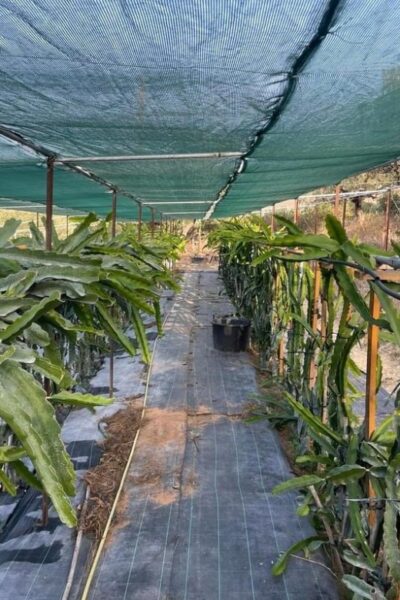
Traditional Olive Grove and Dragon Fruit Farm Tour
Read our review →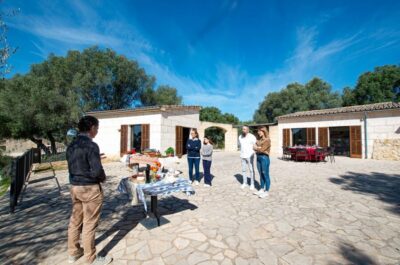
Visit of the olive grove, olive oil tasting and snack
Read our review →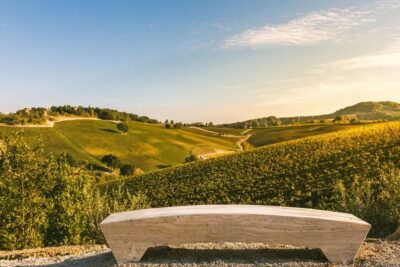
Bologna: Olive Grove and Vineyard Tour with Product Tastings
Read our review →
Balestrate Olive Grove Tour: Wine and Olive Oil Tasting
Read our review →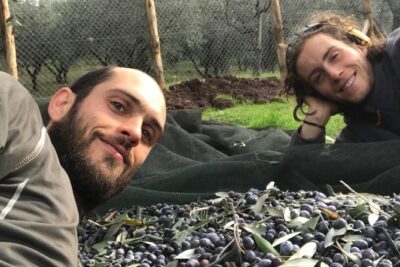
Guided tours of the olive grove with oil tasting.
Read our review →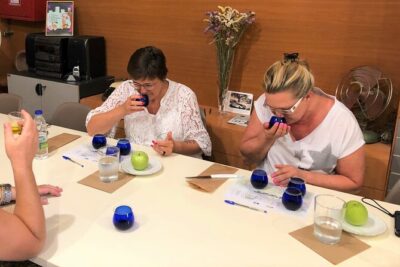
Organic Olive Grove tour & Olive oil tasting & lunch in Kalamata!
Read our review →Browse the lists this tour appears in