
Review · FRANCE OLIVE OIL TOURS
Montpellier:Journée Huile d’Olive, Vin, St Guilhem le Désert
The best part of this day is its mix of food, wine, and village life. You move from the olive trees of Mas de Palat to the Terrasses du Larzac vineyards, then finish in the stone lanes of Saint-Guilhem-le-Désert. It feels more like an introduction to local life than a quick parade of sights.
I like the generous picnic under the olive trees, and I like the personal scale of a van limited to seven people. Guides such as Brenda bring warmth and useful local context, while Alexandre’s explanation of how olive oil is made adds real substance to the tasting. The main catch is timing: the lavender stop is available only from June through July, and the day is not suited to people with mobility impairments.
Key points at a glance
- Olive oil at Mas de Palat: Meet Sandrine and Sébastien Mora, see how Occitan olive oil is produced, and taste oils, olives, and tapenades.
- A proper local picnic: Eat beneath the olive trees, with plenty of regional food and a strong choice for vegetarians.
- Terrasses du Larzac wine: Visit Mas Conscience, walk among the vines, and taste wines linked to this respected PDO.
- Saint-Guilhem-le-Désert: End with an hour among the medieval village’s picturesque streets.
- Small-group transport: A grey minibus carries no more than seven participants from Place de l’Europe in Montpellier.
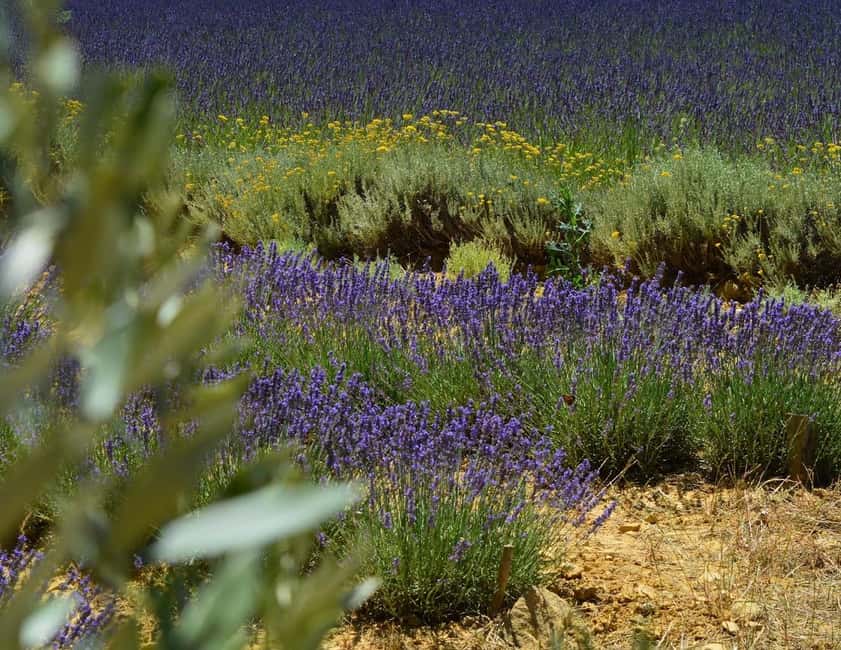
- Seasonal lavender: The Hérault lavender fields can be visited only during June and July.
Why this seven-hour day works
This is a good choice if you want to see the countryside without renting a car or building a complicated day around several rural stops. The route gives you three different experiences: agricultural production, wine culture, and a historic village. That variety keeps the day moving.
You leave from 62 Rue de Rhodes, by Place de l’Europe in Montpellier, and travel in a small minibus. The first drive takes about 40 minutes. That is long enough to get beyond the city, but not so long that the day becomes a transport exercise.
The group limit matters. With up to seven people, the guide can explain things in a conversational way, and tastings are less likely to feel rushed. French and English are available, so check that your preferred language is offered when you book.
The experience costs $171 per person. That is not a budget half-day, but the price includes transport, water, activities, the olive oil and wine tastings, and lunch. A private car, fuel, separate tastings, and a full regional meal could easily add up. For you, the value comes from having all the rural connections handled in one day.
More Olive Oil Tours around the world:
- Sorrento Farm and Food Experience including Olive Oil, Limoncello, Wine tasting
★ 5.0 · 2,524 reviews - Split: Krka Waterfalls With Boat Cruise, Wine and Olive Oil
★ 4.3 · 1,507 reviews - Crete: Quad Safari, Olive Mill with Tasting & Ghost Village
★ 4.9 · 1,004 reviews
Mas de Palat and the story in the olive oil
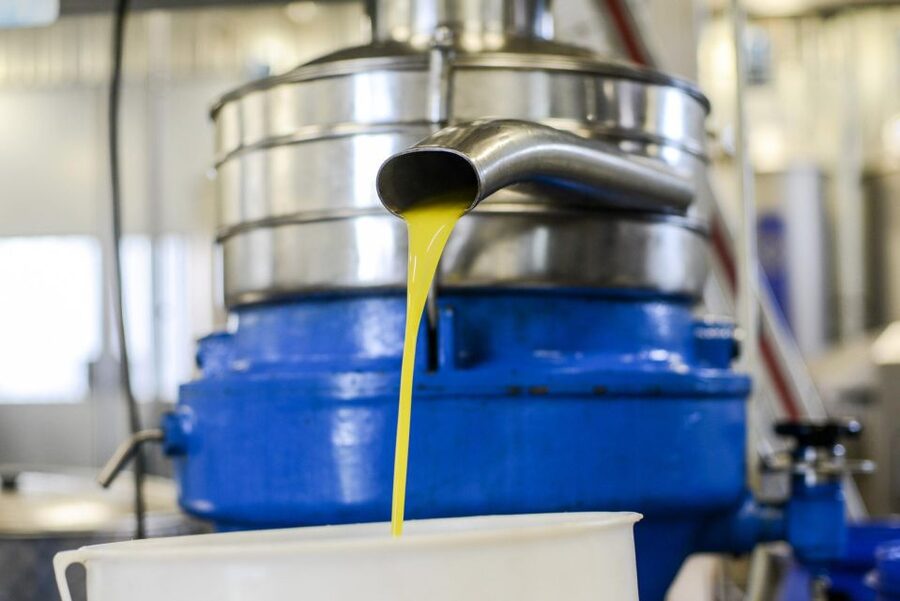
After the 40-minute drive, you spend about two hours at Mas de Palat. This is the heart of the experience. Rather than simply stopping at a shop to sample bottles, you visit an authentic olive grove and learn about the traditional process behind Occitan olive oil.
The setting gives the tasting a useful sense of place. You are not just comparing flavors at a counter. You are seeing the trees, the production site, and the work that turns local olives into oil. Sandrine and Sébastien Mora welcome visitors here, and Alexandre has also led the explanation of the oil-making process.
That explanation is worth your attention. Olive oil can seem simple until you hear how much depends on the olives and the way they are processed. The visit helps connect the product in your glass with the grove around you.
The tasting includes several olive oils, olives, and tapenades, all made with local produce. This is one of the more satisfying parts of the day because you can compare the oils rather than receive a single sample and move on. If you enjoy bringing food home, personal shopping is not included, but you can use the tasting to decide what is worth buying separately.
The stop also includes broad countryside views. Bring a camera if you like simple rural scenes, but do not expect a formal photo tour. The main purpose here is the farm visit and tasting.
A shaded picnic beneath the olive trees
Lunch lasts about an hour and takes place under the shade of the olive trees. This is a welcome pause after the guided visit, and it keeps the food side of the day from becoming a series of tiny samples.
The picnic is made from local produce and is described as plentiful. Cheese plays a noticeable role, along with other regional foods. That makes it a strong choice for vegetarians, but less suitable for vegans. If you have strict dietary needs, ask before booking because no vegan menu is specified.
I like the way this meal fits the setting. You are eating among the trees you have just learned about, rather than stopping at an anonymous restaurant between attractions. It also gives you time to talk with the guide and the rest of the small group.
Do not plan a large dinner immediately afterward. The food is intended to be a full picnic, not a token sandwich. Water bottles are included, which is useful during the warmer months.
Mas Conscience and Terrasses du Larzac wine
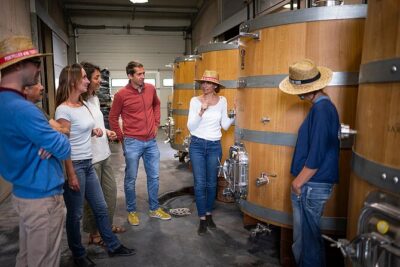
A 15-minute van ride brings you to Mas Conscience, where you spend about an hour. Here you meet a winemaker connected with the Terrasses du Larzac PDO, explore the cellar, walk through the vines, and taste the estate’s wines.
The Terrasses du Larzac designation gives the visit a clear regional focus. You are tasting wine from a named southern French wine area, then seeing the vines and cellar behind it. That makes the stop more useful than a generic wine tasting with no connection to the surrounding countryside.
The mood is intended to be warm and informal. You can expect an explanation of the estate and its wines, followed by tasting. This is not presented as a technical wine course, so you do not need specialist knowledge. If you are curious about local wine, the format should give you enough background to understand what you are drinking without turning the afternoon into a lecture.
There is also a practical balance here. Wine tastings are included, but the tour does not list personal purchases as part of the price. If you find a bottle you like, budget separately for shopping.
The sequence works well. The olive oil visit comes first, then the picnic, then the wine. You get food before the wine tasting, and the two products remain distinct rather than competing for attention.
Same groves, a different afternoon:
- From Mendoza: 3 Wineries, Olive Oil Factory Tour & Tasting
★ 4.6 · 901 reviews - Knossos-Zeus Cave -Old Traditional Villages-Olive Oil Factory
★ 5.0 · 694 reviews - The Governor’s Olive Mill Tour with Olive Oil Tasting
★ 5.0 · 502 reviews - From Chania: Olive Oil, Wine, Cheese & Honey Tasting Tour
★ 4.6 · 490 reviews
Saint-Guilhem-le-Désert after the tastings
Another 15-minute drive takes you to Saint-Guilhem-le-Désert for about an hour. This medieval village is one of the day’s most photogenic stops, with picturesque streets and a setting that feels very different from the olive grove and vineyard.
You will have time to stroll rather than follow a long formal tour. That is a good fit at the end of a food-focused day. Walk slowly, look into the lanes, and use the hour to enjoy the village atmosphere.
The schedule does not promise a separate stop at the Pont du Diable. A photo stop there would be a welcome extra, but you should not assume it is part of the standard route. The listed village visit is the confirmed portion.
One hour is enough to get a taste of Saint-Guilhem-le-Désert, but it is not enough for a thorough exploration of every historic feature. If this village is your main reason for visiting the area, a dedicated day would allow more time. If you want a well-rounded outing from Montpellier, the shorter visit works because it follows two longer, more hands-on stops.
The return drive takes about 45 minutes, bringing you back to 62 Rue de Rhodes. In total, you spend seven hours away from Montpellier, with the transport kept to short rural hops except for the morning and return journeys.
Lavender timing and the best season to book
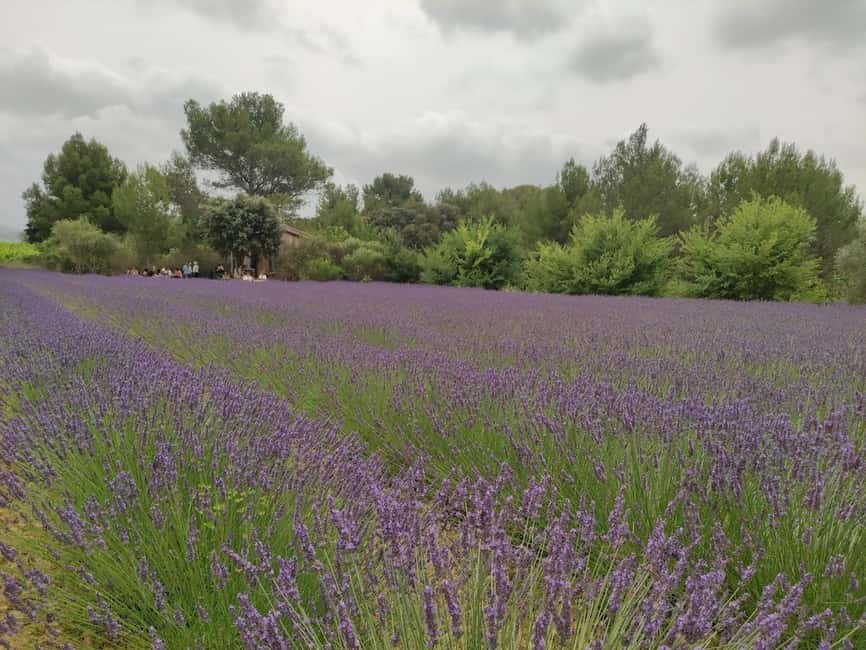
The lavender fields of Hérault are a seasonal feature, not a year-round part of the tour. They can be visited only from June to July. If the purple fields are a priority, book within that window and confirm the available departure date.
Outside June and July, the olive grove, picnic, winery, and Saint-Guilhem-le-Désert still form the main day. You simply should not expect a lavender visit. This is important because the title and promotional material may make lavender sound like a standard stop when it is actually limited by the flowering season.
Summer also brings the strongest sun. The itinerary includes outdoor time among olive trees, vines, and village streets, so bring practical sun protection and comfortable footwear. The supplied information does not list specific equipment, but the day clearly includes several outdoor sections.
The tour runs in other seasons too, including autumn dates. The olive oil and wine visits remain the central reason to go, even when lavender is not available.
Guide style and group size
The guide can shape the day as much as the sites do. Brenda is specifically associated with this experience and has led it in both an informative and personable way. Her style is described as caring, easy to talk with, and enjoyable company.
That matters on a small-group day. You spend several hours in a van and at shared tastings, so a guide who can keep conversation flowing makes the journey feel easier. You may also have a guide other than Brenda, so do not book on the assumption that she is guaranteed.
The group is limited to seven participants. This is small enough for questions at the olive mill and winery, and it avoids the feel of a large coach excursion. It also means the tour may have a more social character, since you will share the picnic and tastings with the whole group.
Meet your guide next to the grey minibus. Pick-up and drop-off are at Place de l’Europe in Montpellier. These details are simple, but they matter if you are staying elsewhere in the city and need to plan your morning connection.
Who should book this experience?
I would recommend this day to you if you want a broad taste of the Hérault countryside without managing the driving. It suits people who enjoy food production, regional wine, rural views, and historic villages in equal measure.
It is especially good for:
- Couples or friends who want a relaxed food-and-wine day
- First-time visitors looking for an introduction to the Montpellier region
- Vegetarians, since the picnic is plentiful and built around local produce
- Small groups who prefer a minibus to a large coach
- People visiting between June and July who want a chance to see lavender fields
You may want another plan if your main goal is a long wine tour, a full day in Saint-Guilhem-le-Désert, or an extensive lavender visit. The experience gives you a sample of each, not a deep study of just one.
It is also not suitable for people with mobility impairments. The supplied information does not describe the exact walking distance or terrain at each stop, so ask the operator for more detail before booking if you have limited mobility.
Is $171 a fair price?
For a seven-hour day, $171 is a mid-to-high price, but the inclusions are solid. You receive return transport from Montpellier, water, two guided producer visits, olive oil and wine tastings, and a full picnic.
The strongest value comes from the access. Without a car, reaching an olive grove, a Terrasses du Larzac estate, and Saint-Guilhem-le-Désert in one day would be awkward. You would need to coordinate transport between rural locations, arrange tastings, and find lunch.
The price is less compelling if you do not drink wine or eat the picnic foods. The experience is built around tasting, so people who avoid both wine and much of the local produce will get less from it. Personal shopping is extra, too.
For you, the fairest way to judge the price is to count the day as a guided regional outing rather than a simple transfer to a village. The included lunch and small group help support the cost.
Practical details before you go
You can cancel up to 24 hours before the activity for a full refund, and the reserve-now, pay-later option keeps your plans flexible. Starting times vary, so check the date you want before arranging other plans.
The tour is offered in French and English. The meeting point is at Place de l’Europe, beside the grey minibus, and both pick-up and drop-off are included there.
Wear shoes you can use comfortably for outdoor visits and village walking. The experience includes olive groves, vines, and medieval streets, but no special clothing or equipment is listed.
If you want lavender, check the June to July condition carefully. If you want a vegan picnic, ask ahead because the meal includes local cheeses and no vegan option is specified.
Should you book this Montpellier day trip?
Book it if you want one well-organized day that connects the region’s olive oil, wine, food, and village culture. The small group, generous picnic, and personal producer visits give it more character than a standard sightseeing loop.
Skip it if you want to spend most of the day at Saint-Guilhem-le-Désert or if lavender is your only goal outside the June to July season. For everyone else, $171 is reasonable for the transport, tastings, lunch, and access to rural places that are difficult to combine on your own.
FAQ
Where does the tour start and finish?
It starts and finishes at 62 Rue de Rhodes, at Place de l’Europe in Montpellier. Your guide will be next to the grey minibus.
How long does the activity last?
The full experience lasts seven hours, including transport, visits, tastings, the picnic, and the village stop.
Is transport included?
Yes. Pick-up and drop-off at Place de l’Europe in Montpellier are included, along with the van journeys between the stops.
What languages are available?
The live tour guide is available in French and English.
How many people are in the group?
The group is limited to seven participants.
Is the lavender visit available all year?
No. The Hérault lavender fields can be visited only from June through July.
What food is included?
A picnic of local produce under the olive trees is included. Local cheeses form a significant part of the meal, making it suitable for vegetarians but not especially suited to vegans.
Are the olive oil and wine tastings included?
Yes. Olive oil, olives, and tapenades are sampled at Mas de Palat, and wine tasting is included at Mas Conscience.
Is the tour suitable for people with mobility impairments?
No. The activity is listed as unsuitable for people with mobility impairments.
Newest grove reviews around the world
- Córdoba: Olive Oil Tasting Experience★ 4.4 · 8 reviews
- Corinthian olive oil tour & tasting experience★ 5.0 · 4 reviews
- Corfu: Olive Oil & Wine Tastings & Traditional Villages Tour★ 5.0 · 6 reviews
- Corfu: Organic Olive Oil Farm Tour with Transfer and Tasting★ 5.0 · 8 reviews
- Chania Olive Tour: 3,000-Year-Old Tree, Museum &Organic Mill★ 5.0 · 5 reviews
- Chania Private Olive Oil Tour: Oil Tasting & Villages Tour★ 4.4 · 9 reviews
- Chania: Authentic Crete Villages Tour & Olive Oil Tasting★ 4.5 · 2 reviews
- Chania E-Bike Adventure: Culture, Coastline & Olive Tasting★ 5.0 · 2 reviews
France Olive Oil Tours, compared.
Self tour of the olive oil mill & olive oil tasting
Read our review →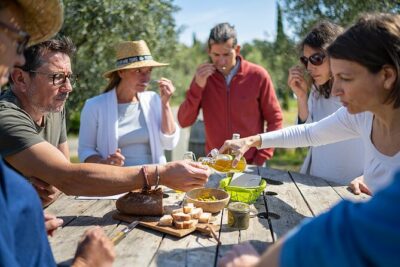
Small-Group Half-Day Languedoc Wine and Olive Tour from Montpellier
Read our review →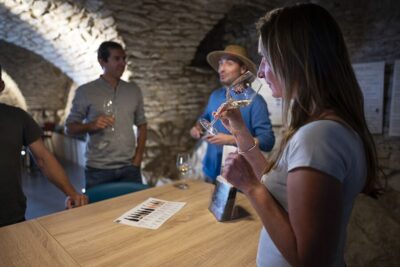
Private Pic Saint Loup Wine and Olive Tour from Montpellier
Read our review →Browse the lists this tour appears in