

Review · ITALY OLIVE OIL TOURS
Villa Castelli: Highlights Walking Tour w/ Olive Oil Tasting
Villa Castelli’s best story is told in two parts: first through its streets and ancient ruins, then through a slice of bread topped with local olive oil. This three-hour private tour connects everyday town life with the farming tradition that has shaped Apulia for generations.
I like the chance to see Pezza Petrosa alongside the historic center, rather than treating Villa Castelli as a quick photo stop. I also like the factory visit, especially the explanation of underground oil storage and the tasting served on bread. The main consideration is that this is a focused village tour, not a broad tour of all Apulia, and extra food and drinks are not included.
Key points
- A local guide leads the walk: Meet an Italian or English-speaking guide who lives in Villa Castelli and can explain the town from a local point of view.
- The route joins town and archaeology: See the Gravina, Mother Church, historic center, and the Pezza Petrosa archaeological site.
- The olive oil factory has four generations of experience: The visit gives you a look at production and conservation methods, not just a tasting.
- Underground tanks are part of the story: You learn how the factory stores oil and why conservation matters.
- The tasting is simple and local: Extra virgin olive oil is served on a slice of bread.
- Private and wheelchair accessible: The tour is designed for a private group, with free cancellation up to 24 hours before the start.
Why Villa Castelli Makes a Good Walking Tour Stop
Villa Castelli gives you a look at a smaller Apulian town without the crowds and grand scale of the region’s best-known destinations. The appeal is not one famous monument. It is the combination of ordinary homes, local landmarks, ancient remains, and food production that still belongs to the town.
You begin at the bus stop in front of the cemetery. That is a practical meeting point, but it is worth arriving early so you can identify the guide without a scramble. The tour ends at the same place, which makes the outing easy to fit into a day of driving or a stay nearby.
The walk is guided rather than self-directed, and that matters in a place where the most interesting details may not be marked in several languages. A local woman leads the experience, according to the available tour information, and she lives in the village. Her local connection is one of the strongest features here. You are not simply following a route between sights. You can ask how the town works, what its landmarks mean, and how olive oil fits into local life.
The tour is offered in Italian and English. If you do not speak Italian, request the English option when booking and confirm the starting time, since the departure schedule depends on availability.
More Olive Oil Tours around Italy:
- Sorrento Farm and Food Experience including Olive Oil, Limoncello, Wine tasting
★ 5.0 · 2,524 reviews - Olive oil tasting in Sorrento
★ 5.0 · 434 reviews - Sorrento: Lemon, Olive Oil and Wine Tasting Tour with Lunch
★ 5.0 · 300 reviews
The Historic Center, Gravina, and Mother Church
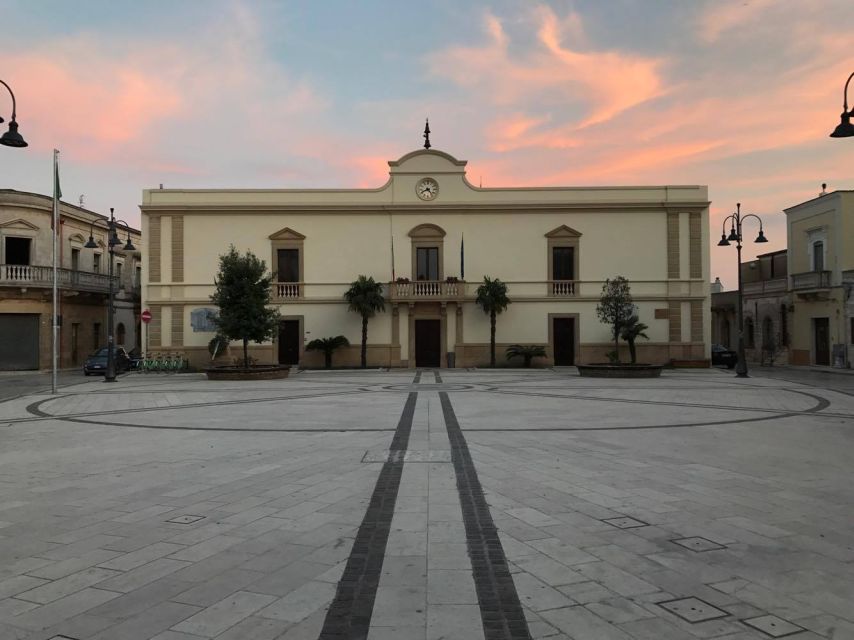
The first part of the tour takes you through Villa Castelli’s historic center. Expect a walk among the town’s homes and older buildings, with the guide pointing out details that are easy to miss when you wander alone.
The Gravina is one of the main local landmarks. In Apulia, a gravina is a rocky ravine or cut in the land, and it can help explain why settlements developed where they did. Here, the stop adds a natural feature to a tour otherwise centered on streets, buildings, and archaeology.
The Mother Church gives the walk a clear cultural landmark. You are not visiting a collection of famous European monuments, so the value comes from seeing how a local church fits into the town’s center and daily identity. Your guide can provide the context that turns a quick look at the façade or interior into a useful part of the town story.
I would approach this portion with the right expectations. Villa Castelli is a small town, and the walk is about atmosphere and local context rather than a packed list of major sights. You will see charming homes and buildings, but the tour does not promise entry into every structure or a long museum-style lecture.
That slower scale is the point for many people. If you have spent several days rushing between celebrated cities, a guided walk here gives you time to notice how an Apulian village looks and feels away from the main tourist circuit.
Pezza Petrosa and the Remains of an Ancient Village
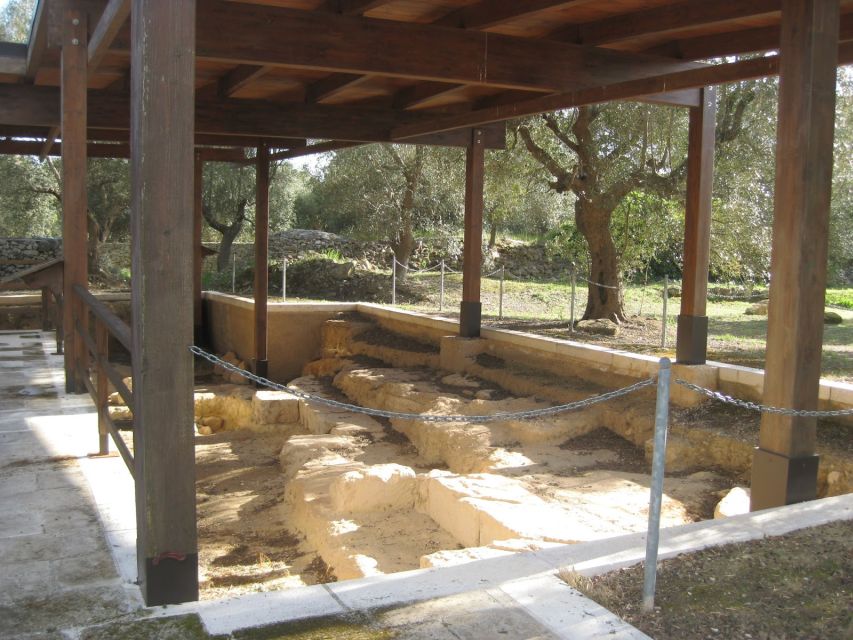
The Pezza Petrosa archaeological site adds an older layer to the experience. You visit the archaeological museum and see the remains of an ancient village, moving beyond the more recent streets of Villa Castelli.
This stop is especially useful if you want more than food and scenery. The ruins give the guide a chance to explain the area’s earlier settlement, while the museum helps place the remains in a clearer setting. The available information does not specify the exact objects on display, the size of the site, or how much time you spend there, so you should expect a focused visit rather than a full archaeological day.
Pezza Petrosa also helps explain the value of the tour’s structure. You start with the living town, then see evidence of an older community, and finish with a working food business. Those three parts make Villa Castelli feel like a place with layers, not just a backdrop for an olive oil tasting.
If archaeology is your main interest, keep your expectations measured. The site is one stop in a three-hour tour, not a specialist excavation visit. If you enjoy adding a small historical site to a broader local walk, it should fit well.
Inside a Four-Generation Olive Oil Factory
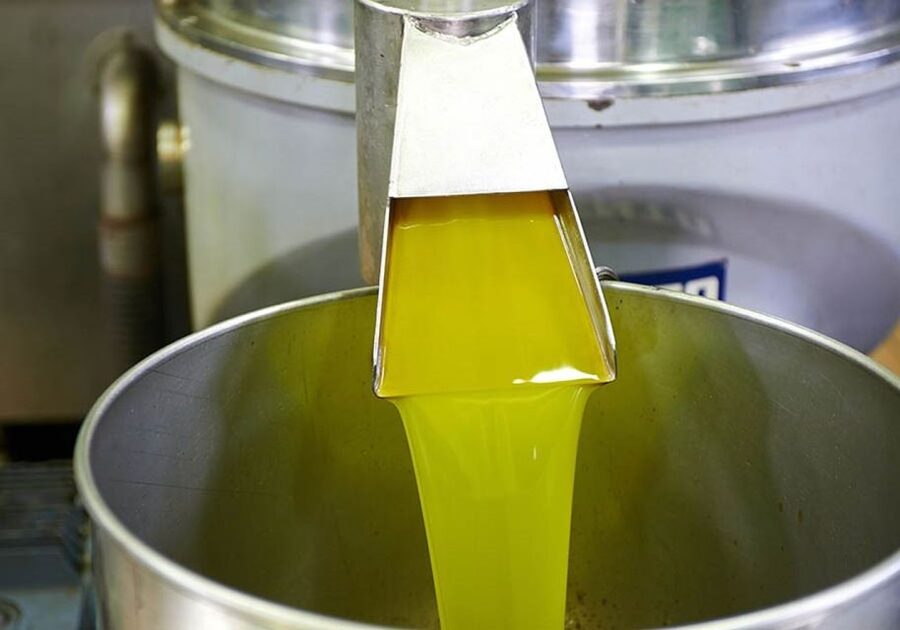
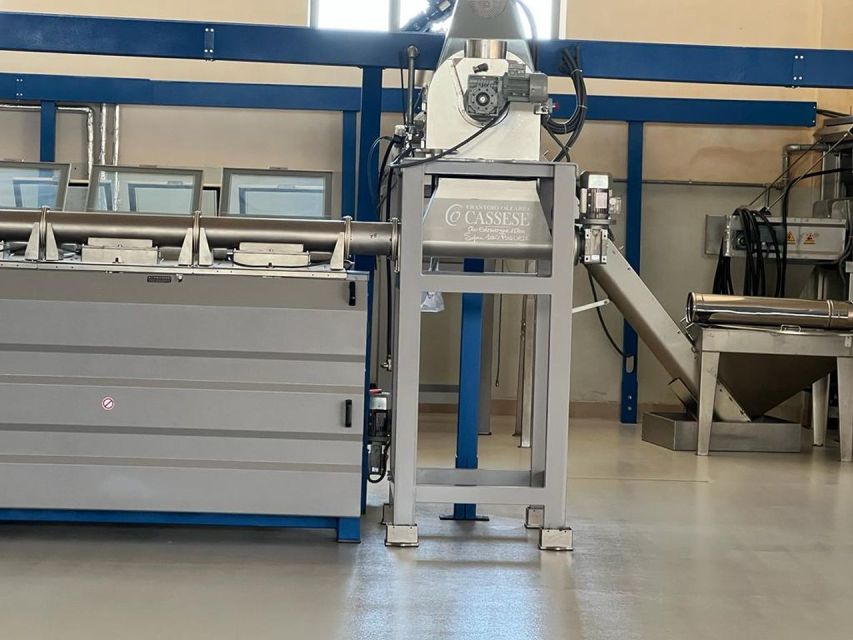
The factory visit is the most distinctive part of the experience. The business has operated in Villa Castelli for four generations, giving the tour a direct link to local family and agricultural traditions.
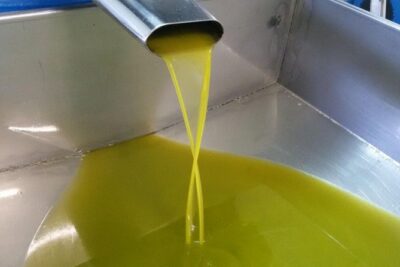
You are guided through the oil-making facilities and shown how the product is handled and conserved. This is more useful than a tasting with no explanation because you get to connect the flavor in your glass, or on your bread, with the work behind it.
One particularly interesting detail is the use of underground tanks for oil conservation. Storage is not as glamorous as harvesting or tasting, but it affects quality. The factory visit gives you a chance to understand that olive oil is not simply made and poured into bottles. It must also be kept in suitable conditions.
The supplied details do not give the factory’s name, the harvest season, or the exact machinery used. You should not expect a full production demonstration unless the operation happens to be active during your visit. The tour is described as an informative look at the facilities and methods, so its strongest feature is explanation rather than a guaranteed live harvest.
Still, this is the kind of stop that can make a short village outing worthwhile. You see a real local business instead of a generic shop built only for visitors. The four-generation connection gives the guide a concrete way to explain how olive oil remains part of the town’s working identity.
Same groves, a different afternoon:
- Alghero: Wine and Olive Oil Tasting at a Local Farm
★ 4.8 · 294 reviews - Ostuni: Masseria tour among thousand-year-old olive trees with oil tasting
★ 4.8 · 261 reviews - Balestrate: Olive Grove Tour with Wines & Olive Oil Tasting
★ 5.0 · 241 reviews - Bardolino: Vineyard Tour with Wine, Olive Oil & Food Tasting
★ 4.6 · 221 reviews
Tasting Extra Virgin Olive Oil on Bread
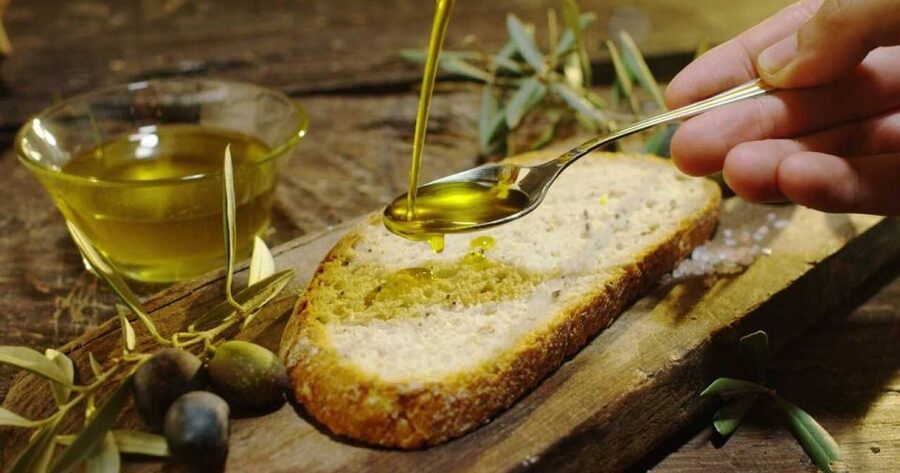
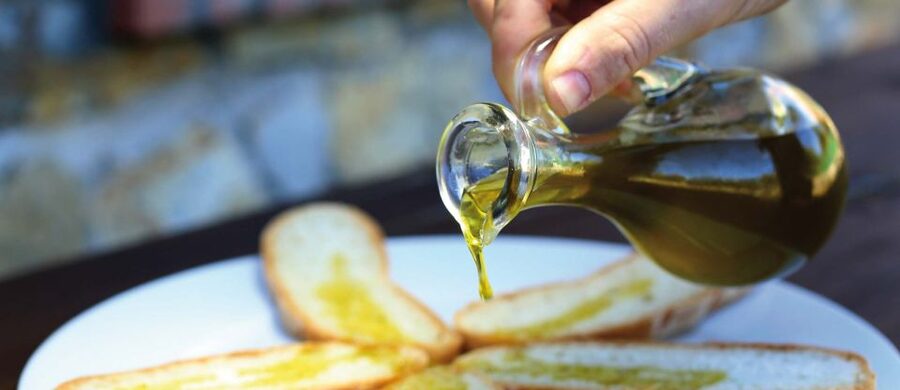
The tasting is deliberately simple: extra virgin olive oil served on a slice of bread. That simplicity is an advantage. You can focus on the oil itself rather than a large meal or a long menu of products.
I like this format because it gives you a clear reference point. Bread lets you taste the oil as a food, not just sample it from a spoon. You can pay attention to its aroma, texture, peppery finish, and overall balance, while the guide explains what you are trying.
The tasting includes the olive oil and bread, but extra food and drinks are not included. If you need a full lunch, plan for that separately. The tour description does not promise a meal, wine, water, or additional products, so do not book it as a replacement for lunch.
You may also want to leave room in your luggage for purchases if the factory offers them, but the supplied details do not confirm that retail buying is part of the visit. Treat the tasting as the included experience, not as a shopping stop.
For many people, the tasting will be the most memorable moment because it turns a regional product into something you can understand through your senses. It also gives the tour a satisfying finish after the town walk and archaeological visit.
What Three Hours Feels Like
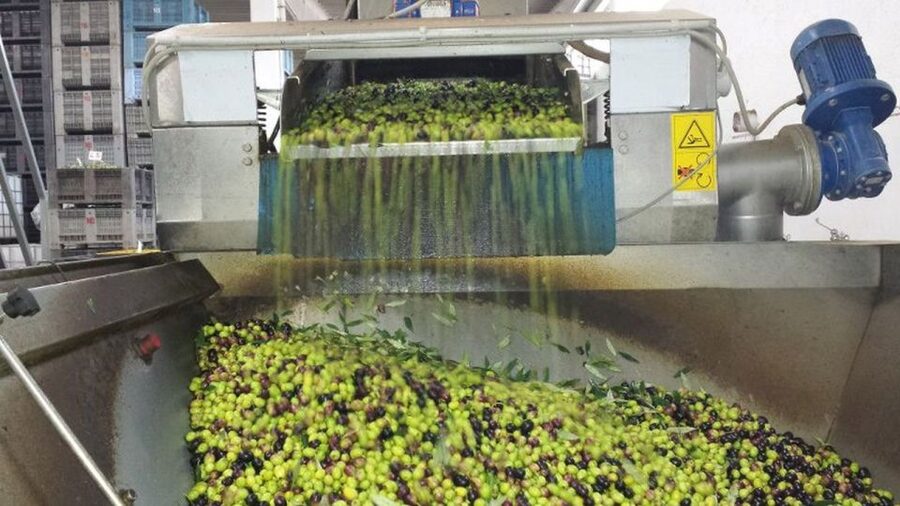
Three hours is a sensible length for this combination. It gives you enough time to walk through the center, visit Pezza Petrosa, tour the factory, and taste the oil without turning the experience into a full-day commitment.
The exact starting time depends on availability, so check the schedule before arranging transport or another activity. Since the tour returns to the same meeting point, you can plan around it more easily than an outing that ends across town.
The private-group format is another practical advantage. You are not joining a large mixed group, and the guide can usually keep the pace suited to the people in your party. The available information does not state the maximum group size, so you should confirm that detail if it matters to your plans.
Walking comfort is still important. You move through a town center and visit an archaeological site, so comfortable shoes make sense. The tour is marked wheelchair accessible, but the information does not describe surfaces, slopes, restroom arrangements, or the exact route between the stops. If someone in your group uses a wheelchair, contact the operator before booking to confirm the current conditions.
Is the $32 Price Good Value?
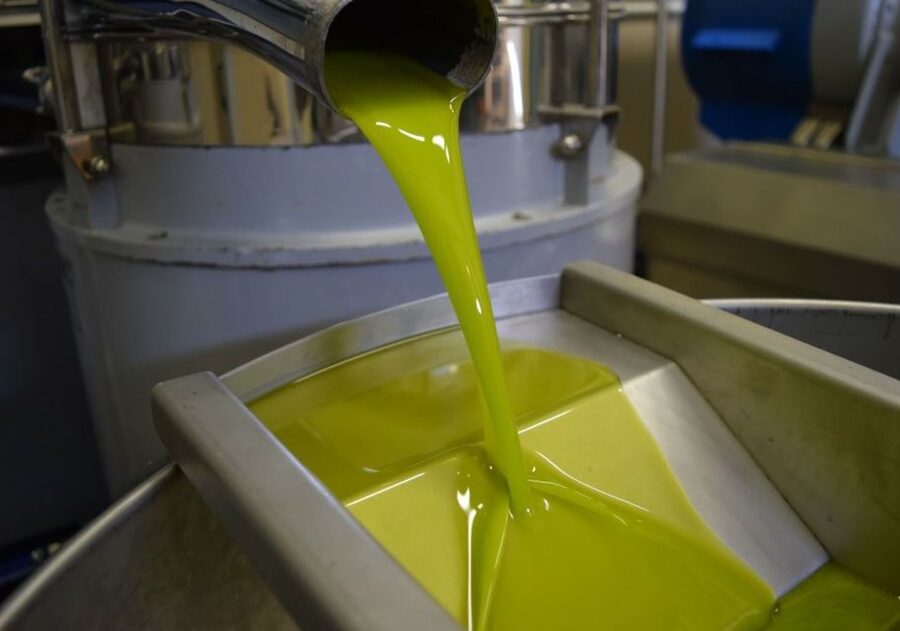
At $32 per person, this tour offers a fair amount for a half-day outing. You receive a private guided walk, the archaeological visit, a factory tour, and an olive oil tasting. The price is strongest if you want interpretation and local access rather than transportation between major attractions.
The guide is central to the value. Villa Castelli’s streets are free to walk, and you could likely see some of the landmarks on your own. What you are paying for is the local explanation, the organized visit to Pezza Petrosa, and access to the factory experience.
The private format also helps justify the cost, especially for couples, families, or small groups who prefer to ask questions and set a comfortable pace. If you are traveling alone, $32 is still moderate, but the value depends on how much you enjoy guided context.
The tour does not include extra food or drinks, so budget for another stop if you are hungry after the tasting. You are also responsible for getting to the meeting point. Since no transport is included, this experience works best if you are already staying in or traveling through the Villa Castelli area.
Free cancellation up to 24 hours before the tour and the option to reserve now and pay later add useful flexibility. Those policies matter if your Apulia plans depend on driving conditions, changing arrival times, or a loose day-by-day schedule.
Who Will Enjoy This Tour Most?
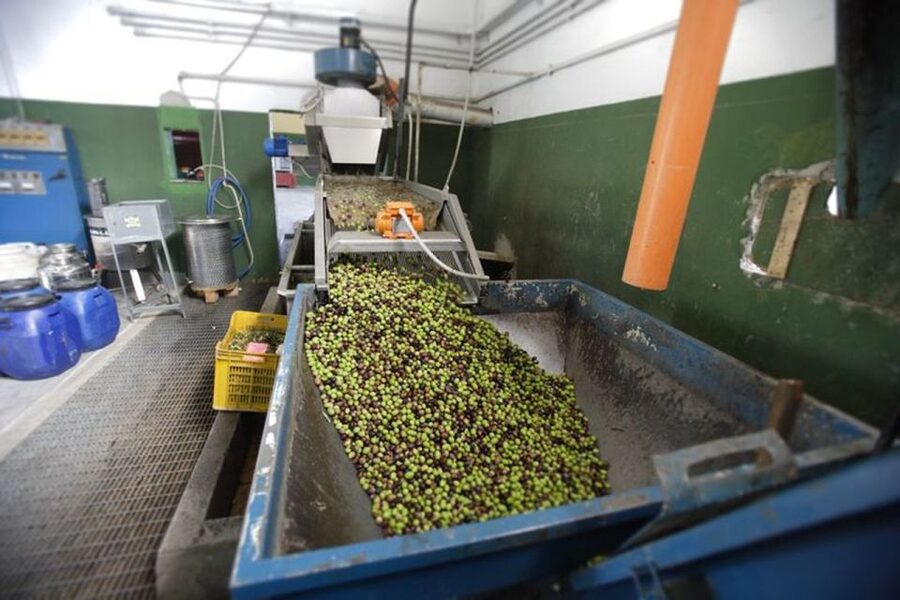
I would recommend this experience to you if you want a small-town Apulia experience with several different subjects in one outing. It suits people who like local food, village architecture, archaeology, and guided walks, but do not need a major attraction at every stop.
It is also a good choice for visitors who want to understand olive oil beyond the bottle on a shop shelf. The factory’s four-generation history and underground storage methods give the tasting a practical foundation.
Families may appreciate the variety. A walk through town, ancient remains, and a food tasting offer more changes of pace than a single museum visit. The private format can also make it easier to pause or ask questions, though the exact flexibility of the route is not stated.
I would think twice if you want a full meal, a long archaeological tour, or a broad survey of Apulia. This experience stays close to Villa Castelli and gives you a local introduction rather than a major regional tour.
How to Prepare for the Meeting Point
Your starting point is the bus stop in front of the cemetery. Since the tour ends there as well, note the location before the appointed time and allow a few extra minutes to get oriented.
Wear comfortable walking shoes and bring water, even though drinks are not included. The route includes streets and an archaeological site, and the tour may feel more comfortable if you are prepared for walking rather than dressed only for the factory visit.
Check the available starting times before committing to transport. The activity lasts three hours, but the schedule is not fixed in the supplied information. If you are connecting from another town, leave a buffer rather than planning an immediate departure after the end.
The tour is available in Italian and English. Make sure your preferred language is selected or confirmed when you reserve. A local guide who lives in the village can add a great deal to the walk, but clear language arrangements will help you get the most from the explanations.
Should You Book Villa Castelli’s Olive Oil Tour?
Book it if you want to see a quieter side of Apulia and prefer a useful mix of walking, archaeology, and food. The strongest reasons are the local guide, the visit to Pezza Petrosa, and the factory’s look at underground oil storage before the tasting.
At $32, the tour is good value for a private three-hour experience, especially when you want someone to connect the town’s landmarks and traditions for you. Just remember that it is not a full lunch, a large archaeological excursion, or a transport service.
If Villa Castelli fits your route, I would make room for it. You will leave with a clearer sense of the town and a better understanding of what is behind a simple piece of bread and olive oil.
FAQ
How long does the Villa Castelli tour last?
The tour lasts three hours.
What language is the tour offered in?
The tour is offered in Italian and English with a live guide.
Where does the tour start?
Meet the guide at the bus stop in front of the cemetery in Villa Castelli.
Where does the tour end?
The tour ends back at the same meeting point.
Is the tour private?
Yes. The activity is offered for a private group.
Is the tour wheelchair accessible?
Yes, the activity is listed as wheelchair accessible.
What landmarks are included in the walking tour?
The route includes the historic center, the Gravina, the Mother Church, and other local landmarks.
What is Pezza Petrosa?
Pezza Petrosa is an archaeological site and museum where you can see the remains of an ancient village.
What does the olive oil tasting include?
The tasting includes extra virgin olive oil served on a slice of bread.
Are food and drinks included beyond the tasting?
No. Extra food and drinks are not included.
How much does the tour cost?
The price is $32 per person.
Can I cancel the booking?
Yes. You can cancel up to 24 hours in advance for a full refund.
Newest grove reviews around Italy
- Vernazza (5 Terre): olive grove tour and oil and wine tasting★ 5.0 · 9 reviews
- Umbria: E-Bike Rental and Fresh EV Olive Oil Tasting★ 5.0 · 4 reviews
- Trieste’s Essence: Wine and Olive Oil Tasting★ 5.0 · 3 reviews
- Valpolicella Wine and Olive Oil Tasting with Lunch from Verona★ 5.0 · 2 reviews
- From Venice: Olive Oil & Wine Tour in the Venetian Hills★ 5.0 · 9 reviews
- Half-Day Chianti Wine and Olive Oil Tour from Viareggio★ 4.0 · 5 reviews
- Umbria: Guided tour to Traditional Olive Oil Mill and Tasting★ 5.0 · 2 reviews
- Private Tuk Tuk Tour of the Millenary Olive Groves in Ostuni★ 5.0 · 4 reviews
Italy Olive Oil Tours, compared.
Sorrento Farm and Food Experience including Olive Oil, Limoncello, Wine tasting
Read our review →
Lemon, Olive Oil and Wine Tasting Tour with Lunch
Read our review →
Masseria tour among thousand-year-old olive trees with oil tasting
Read our review →
Olive Grove Tour with Wines & Olive Oil Tasting
Read our review →
Vineyard Tour with Wine, Olive Oil & Food Tasting
Read our review →
Tuscany Bike Tour with Wine, Oil and Food in the Florentine Hills
Read our review →Browse the lists this tour appears in