
Review · OLIVE GROVE WALKS
Private guided tour, olive grove in Salon de Provence.
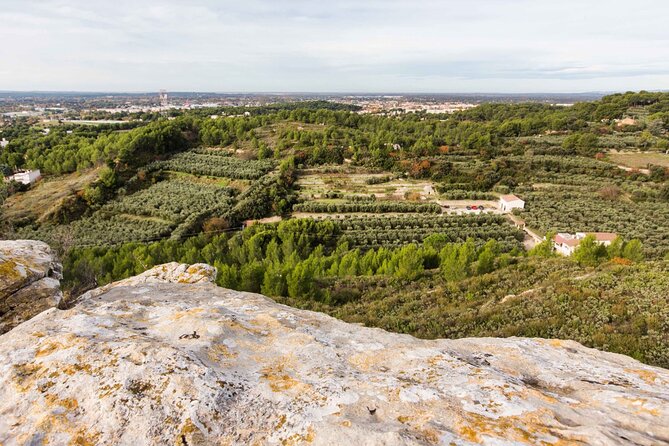
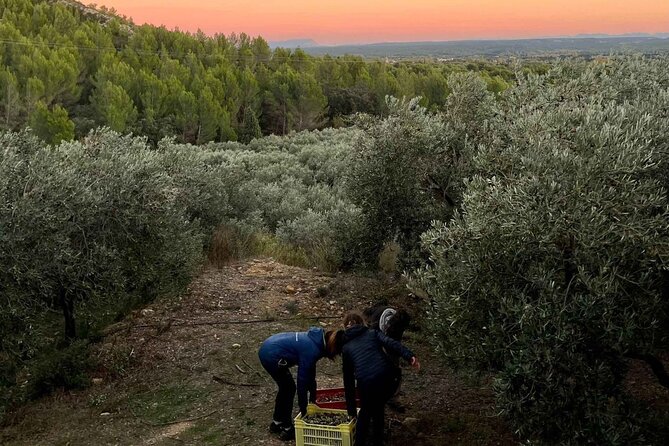
At Mas des Bories, the most memorable feature is the setting: 2,000 olive trees spread through wild, mineral country, with small 19th-century stone huts tucked among them. This is not just a shop tasting. You get a short look at how olives are grown, picked, milled, and bottled on the estate.
I like the owner-led explanations and the fact that the olives are harvested by hand and pressed the same day. I also like the price, about $12.10 per person, for a 45-minute visit with a tasting. The main drawback is the limited schedule: the listed opening is Monday from 10:30 to 11:30, so you need to plan around it.
Key points to know before you book
- 2,000 olive trees and scattered stone bories: The grove has a clear sense of place, shaped by old agricultural buildings and rough natural surroundings.
- From branch to bottle: You learn how hand-picked olives are cold-extracted, bottled by hand, and processed on the property.
- A short, focused visit: At about 45 minutes, this fits easily into a day around Salon-de-Provence.
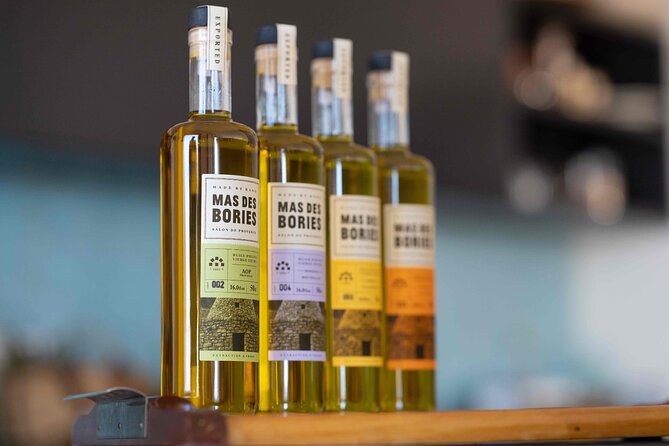
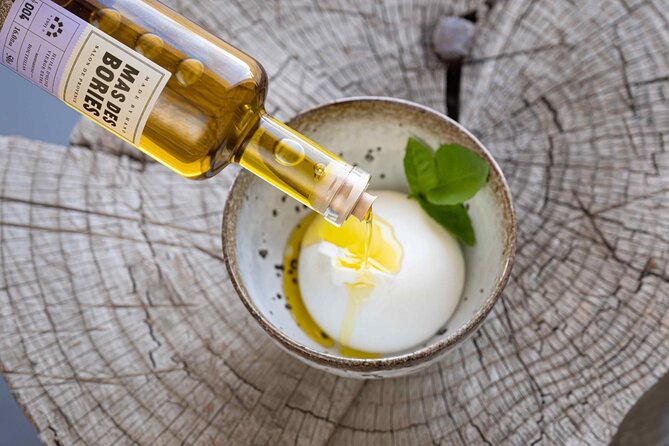
- A pleasant oil tasting: The tasting is simple rather than elaborate, but it gives you a chance to sample the estate’s fresh oils.
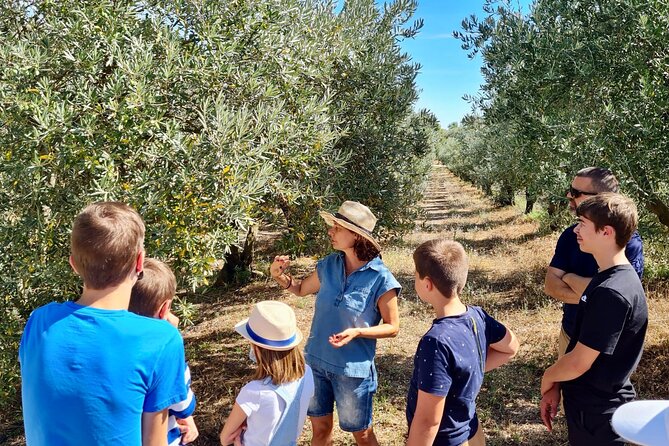
- Small-group format: The maximum group size is 15 people, which should make questions easier than on a large coach tour.
- Weather matters: The visit may be canceled in poor weather, with a new date or full refund offered.
Walking into Provence’s olive-growing country
The Mas des Bories estate gives you a different side of Provence. You are not being led through a grand palace or a famous village center. Instead, you are looking at working farmland, old stone shelters, olive trees, and the practical work behind a bottle of oil.
That setting matters. The estate’s bories are small stone huts dating from the 19th century. They are scattered through the grove rather than gathered into one preserved building, so you see them as part of the old farm system. Their rough stone walls help give the property its identity.
I like this kind of visit because it puts food in its proper place. Olive oil is often treated as a souvenir or a tasting-room product. Here, you can connect it to trees, soil, weather, harvest work, milling, and local farming practices.
The surroundings are described as wild and mineral. That means you should expect a more rugged agricultural setting than a manicured garden. The appeal comes from the contrast between the silvery olive trees, the stone huts, and the exposed Provençal ground.
More Olive Grove Walks in the world:
- Ostuni: Masseria tour among thousand-year-old olive trees with oil tasting
★ 4.8 · 261 reviews - Balestrate: Olive Grove Tour with Wines & Olive Oil Tasting
★ 5.0 · 241 reviews - Traditional Olive Grove and Dragon Fruit Farm Tour
★ 4.8 · 118 reviews
What the 45-minute visit covers
The tour is short, but it has a sensible shape. You begin at the meeting point on Chemin de la Coustelade in Salon-de-Provence and finish back there. Since the activity lasts about 45 minutes, it works best as a focused stop rather than a half-day outing.
The first part centers on the estate itself. You learn about the 2,000 olive trees and the unusual character of the property. The bories are an important part of this introduction because they explain why the estate feels tied to older rural Provence.
From there, the guide explains the production process. You hear about sustainable and ethical cultivation, with care given to the land, the trees, and local biodiversity. Those words are useful only because they connect to specific methods: the olives are picked by hand, then taken for processing the same day.
That same-day timing is one of the most interesting details. Freshness is not only a marketing idea here. The interval between picking and milling affects the character and quality of olive oil, so the estate’s process gives you a practical reason for its emphasis on speed.
The olives are transformed into oil in a modern mill using cold extraction. The oil is then bottled by hand on the property. You do not get a factory tour with a long production line, but you do get a clear explanation of how this estate handles its crop from tree to bottle.
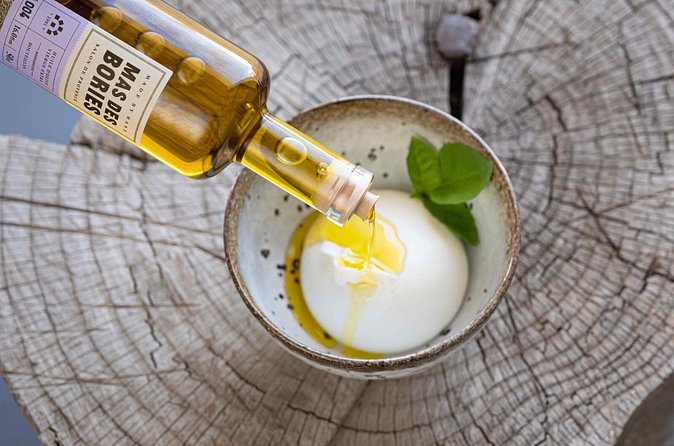
The visit ends with a tasting. Based on the available details, this is a simple tasting rather than a large food pairing or a full meal. That is worth knowing before you book. You are paying for a short introduction to the estate and its oils, not an extended culinary workshop.
The bories add more than decoration
The old stone huts are not just photogenic props. They give you a physical link to the estate’s earlier agricultural use. Their presence helps explain how people once worked and stored things in rural Provence, even though the supplied information does not specify their exact original purpose.
You will likely spend part of the visit looking at the grove and these structures while the guide explains the property’s past. The tour’s historical element appears to support the agricultural story rather than replace it. If you want a long architectural explanation, this may feel brief. If you want a stronger sense of place while learning about olive oil, the balance should work well.
I especially like that the setting is described as unusual Provence. Salon-de-Provence is not being presented only through postcard images. The estate shows you farmland that still has a working purpose, with old stone construction and modern production sharing the same property.
Keep your expectations grounded. This is a small estate experience, and the whole visit lasts less than an hour. You should not expect a large museum, a formal historical presentation, or extensive time to wander alone.
How the olive oil is made
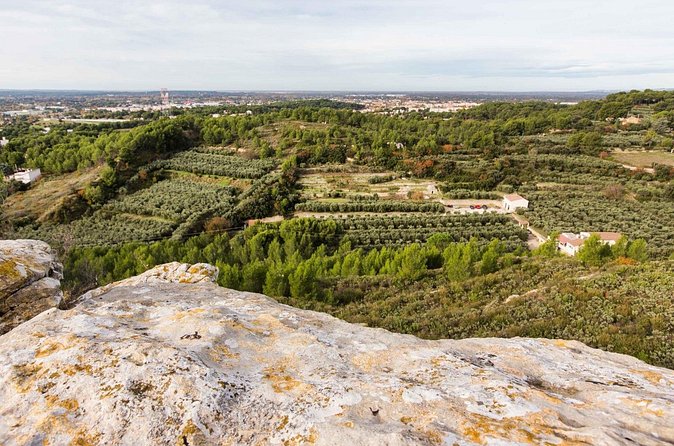
The production explanation is the heart of the activity. The estate uses sustainable and ethical practices and presents its work as a careful relationship between the farm, the trees, and local biodiversity.
Hand picking is an important detail. Mechanical harvesting can be quicker, but manual picking helps protect the fruit’s integrity. The method also gives the guide a natural way to explain why harvest time is demanding and why the condition of the olives matters before milling.
After harvest, the olives are processed that same day. The estate uses cold extraction in a modern mill. Cold extraction is associated with preserving the oil’s qualities without using excessive heat, and here it is part of a chain that begins with careful picking and ends with on-site bottling.
The estate’s oils receive medals in France and internationally each year, according to the supplied information. That gives you some context for the tasting, but awards alone do not guarantee that every visitor will prefer the flavor. Olive oil taste is personal. The useful point is that the producer has a recognized quality record and takes freshness seriously.
The oil is bottled by hand on the property. That small-scale detail helps distinguish the visit from a generic supermarket tasting. You can ask about the process and then taste the result in the same place where it was produced.
More Guided Tours around the world:
- Guided tour and olive oil tasting in Alhaurin el Grande (Málaga)
★ 5.0 · 200 reviews - Guided Tasting Tour in 16th century House and Olive Oil Factory
★ 5.0 · 169 reviews - Guided Wine and Olive oil tasting
★ 5.0 · 158 reviews - Sóller: Olive Oil Guided Tour and Tasting at Can Det Estate
★ 4.8 · 82 reviews
What to expect at the tasting
The tasting comes at the end, after you have seen the grove and heard how the oil is made. This order is helpful. You taste with a better sense of what went into the bottle instead of sampling an anonymous product at a counter.
The tasting is described as pleasant but simple. I would treat it as a final sample, not the main event. There is no information about a large range of oils, bread pairings, local dishes, or a meal, so do not book this expecting a full Provençal food experience.
Still, a modest tasting can be enough for a short visit. You get to judge the oil after learning about its harvest and production. If you find a bottle you like, the visit also gives you a direct connection to the producer and the place where it was made.
This is a good stop for anyone curious about olive oil but not eager to spend several hours on the subject. The guide explains the stages and the background, then lets the tasting provide a simple finish.
Value at about $12.10 per person
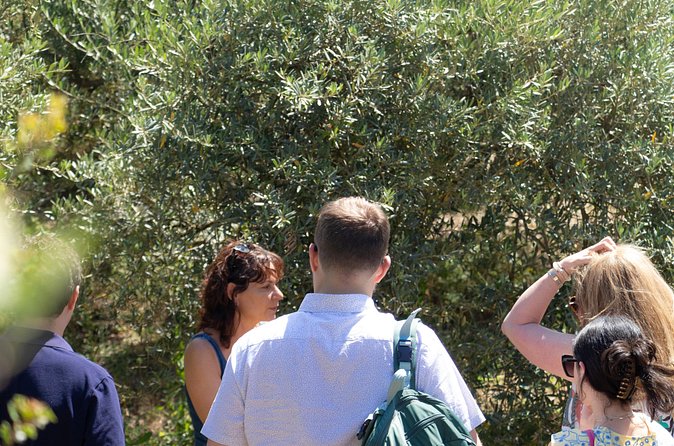
At roughly $12.10 per person, this is one of the easier Provence activities to fit into a day without making a large financial commitment. The price covers a guided estate visit, information about olive cultivation and production, and a tasting.
The value depends on what you want. If you are looking for a long tour with several tastings and a full meal, the visit is too short. If you want a quick, local experience that explains a familiar ingredient from the ground up, the price is fair.
The 45-minute duration is useful for planning. You can pair it with other time in Salon-de-Provence without giving up a full morning or afternoon. The short length also makes it suitable for people who do not want a demanding activity.
The small maximum of 15 people adds to the value. It is not a private tour in the sense that you will necessarily be alone, but the group is capped at a manageable size. That should make it easier to hear the explanation and ask questions than on a large organized excursion.
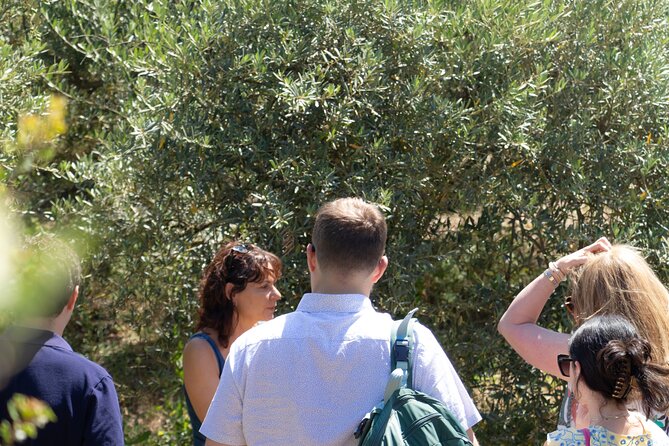
The available information does not name the guide. It does indicate that the visit is given by the driven owner, so you should expect a personal producer’s perspective rather than a scripted city-guide presentation.
Timing, meeting point, and practical planning
The meeting point is Chemin de la Coustelade, 13300 Salon-de-Provence, France. The activity ends back at the same point, which keeps the logistics simple.
The listed schedule is Monday from 10:30 to 11:30, for the operating period from February 27, 2023, through February 16, 2027. Because that is a narrow weekly window, check the date carefully before making other plans. A tour that looks easy to fit in can become inconvenient if your Salon-de-Provence visit falls on another day.
A mobile ticket is accepted, and the tour is offered in English. The location is near public transportation, although no exact route or travel time is provided. You should confirm your route to the meeting point rather than assume that nearby public transportation leaves you at the entrance.
The group can include up to 15 people. Most people can take part, and service animals are allowed. No special physical requirements are listed, but this is an olive estate rather than an indoor theater, so practical footwear is sensible for an agricultural property.
The activity requires good weather. If poor weather causes a cancellation, you are offered another date or a full refund. That policy matters because the grove and stone huts are central to the experience, not a minor part of it.
Who will enjoy Mas des Bories most
I would recommend this for you if you enjoy food experiences with a clear connection to farming. It also suits anyone interested in a quieter side of Provence, especially if you have already seen enough major monuments and want something tied to local production.
It is a good choice for a short stop in Salon-de-Provence. The visit does not require a full day, and the $12.10 price keeps the risk low if you are curious but not yet an olive-oil expert.
Families and mixed-age groups may also find the format manageable because it is brief and focused. The supplied information says most people can participate, and service animals are welcome.
You may want to skip it if you dislike tastings, have no interest in agricultural processes, or need a flexible schedule outside Monday morning. The visit is not designed as a broad tour of Salon-de-Provence, and it will not replace a full food tour.
A balanced look at the experience
The strongest part is the combination of setting and explanation. The grove has character because of the stone bories, and the owner-led presentation gives the oil a human scale. You are not only told that the oil is high quality. You hear how the estate grows, harvests, mills, and bottles it.
The second strength is the clear production story. Manual picking, same-day milling, cold extraction, and hand bottling are concrete details you can remember. They make the tasting more meaningful.
The limitations are just as clear. The schedule is narrow, the visit is short, and the tasting is simple. There is also no named guide or detailed breakdown of each oil included, so you should not expect a highly structured tasting class.
Those limits do not ruin the experience. They simply define it. Mas des Bories is a compact introduction to Provençal olive farming, not a major attraction that fills half a day.
Should you book this olive grove tour?
Book it if you want a short, affordable look at working Provence and enjoy learning how local olive oil reaches the bottle. The 2,000-tree grove, 19th-century bories, hand harvest, same-day milling, and final tasting give the visit more substance than its 45-minute length might suggest.
I would be especially keen to book when the Monday morning time fits naturally into your plans around Salon-de-Provence. I would pass if you need a broad choice of dates or expect an extensive tasting with food pairings.
For the right schedule, this is a practical little stop: personal, agricultural, and reasonably priced. Just confirm the time, allow for weather, and arrive expecting a focused estate visit rather than a full-day excursion.
FAQ
Where does the olive grove tour begin?
The tour begins at Chemin de la Coustelade, 13300 Salon-de-Provence, France.
Where does the activity finish?
The activity ends back at the meeting point.
How long does the visit last?
The visit lasts approximately 45 minutes.
What language is the tour offered in?
The tour is offered in English.
How many people can join the tour?
The maximum group size is 15 people.
Is a tasting included?
Yes. The visit ends with a tasting of the estate’s olive oils.
What happens if the weather is poor?
If the activity is canceled because of poor weather, you are offered a different date or a full refund.
Newest grove reviews around the world
- XXI Century Olive Oil Mill Tour★ 5.0 · 3 reviews
- Zadar, Šibenik: olive oil, wine & food tasting, Self Drive★ 4.7 · 9 reviews
- Visit to an olive oil mill and oil tasting with aperitif and food and wine pairing.★ 5.0 · 2 reviews
- Athens: Greek Wine & Olive Oil Tasting at Brettos Plaka★ 4.5 · 3 reviews
- Vernazza (5 Terre): olive grove tour and oil and wine tasting★ 5.0 · 9 reviews
- Villa Castelli: Highlights Walking Tour w/ Olive Oil Tasting★ 4.8 · 12 reviews
- Treurer: Tapas Gourmet and Extra Virgin Olive Oil★ 4.7 · 3 reviews
- Unveiled Secrets of Porto + Olive Oil Tasting★ 4.8 · 3 reviews
Olive Grove Walks, compared.
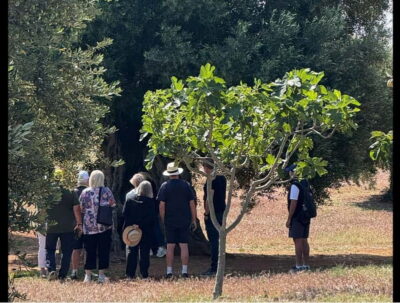
Masseria tour among thousand-year-old olive trees with oil tasting
Read our review →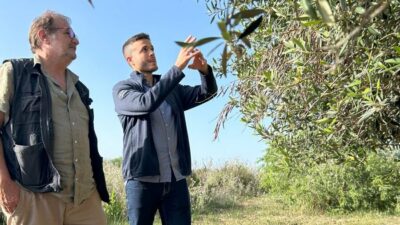
Olive Grove Tour with Wines & Olive Oil Tasting
Read our review →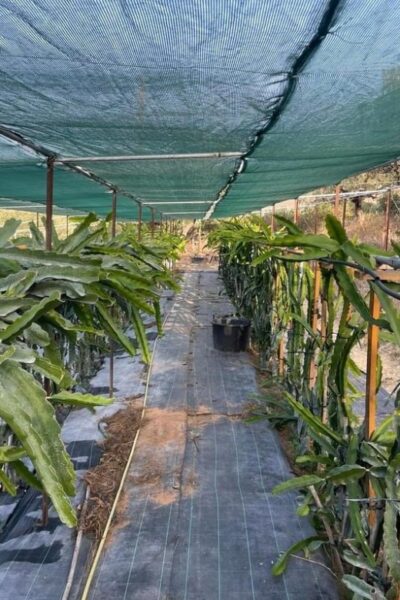
Traditional Olive Grove and Dragon Fruit Farm Tour
Read our review →
Visit of the olive grove, olive oil tasting and snack
Read our review →
Bologna: Olive Grove and Vineyard Tour with Product Tastings
Read our review →
Balestrate Olive Grove Tour: Wine and Olive Oil Tasting
Read our review →
Guided tours of the olive grove with oil tasting.
Read our review →
Organic Olive Grove tour & Olive oil tasting & lunch in Kalamata!
Read our review →Browse the lists this tour appears in